There’s a particular chill that certain early 90s thrillers managed, a kind of dread born not from supernatural monsters but from the horrifying possibility lurking behind the neighbor’s picket fence. Mikey (1992) doesn't just flirt with this suburban unease; it dives headfirst into the deep end, leaving you with a cold knot in your stomach that lingers long after the tape hiss fades. Forget jump scares; this film weaponizes the mundane, twisting the image of childhood innocence into something genuinely nightmarish. It arrived quietly on video store shelves, often nestled between creature features and slashers, yet its particular brand of terror felt disturbingly grounded, uncomfortably real.

The Angelic Face of Evil
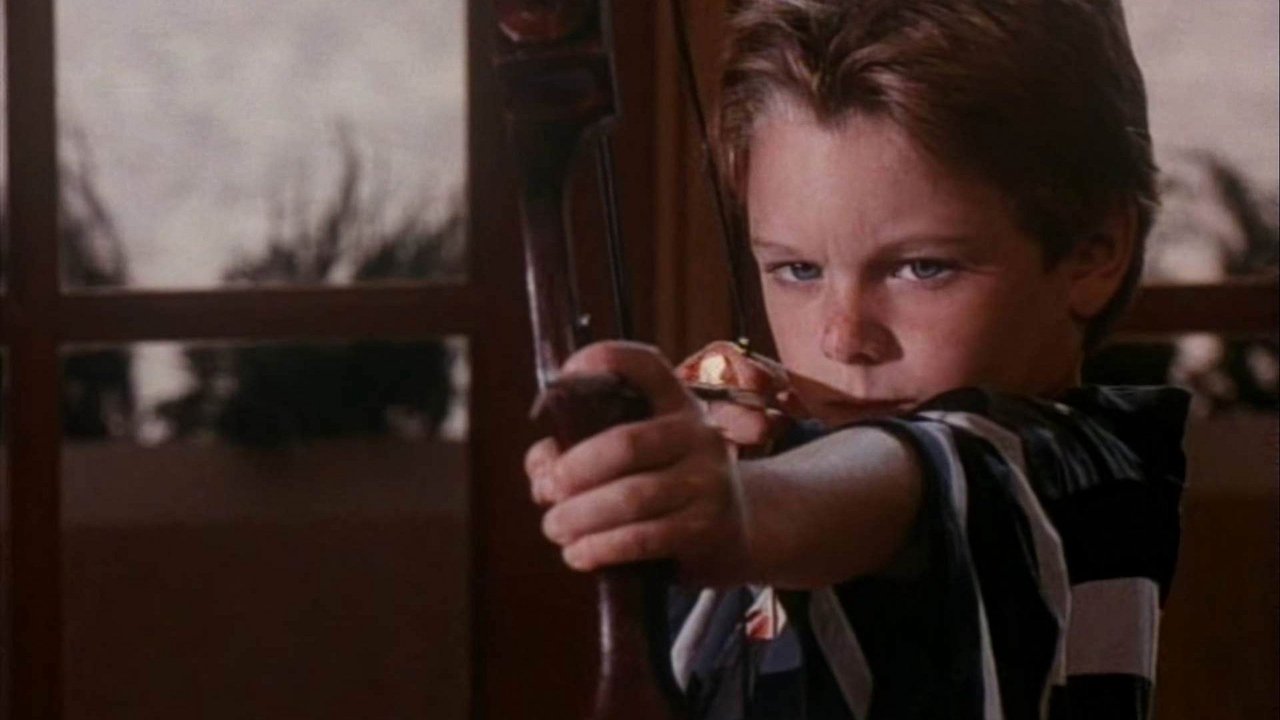
At the heart of the film’s unsettling power is Brian Bonsall as Mikey. Fresh off charming audiences as Andy Keaton on Family Ties, his casting was a stroke of dark genius. That familiar, cherubic face, usually associated with sitcom quips, becomes a terrifying mask. Mikey is a seemingly perfect nine-year-old searching for the perfect family. The catch? When his adoptive families inevitably disappoint his twisted ideals, he eliminates them with chilling calculation and moves on, leaving a trail of bodies disguised as tragic accidents. Bonsall’s performance is key; he avoids overt theatrics, instead imbuing Mikey with a cold, observant intelligence that’s far more frightening than any monstrous outburst. He captures the unsettling emptiness behind the eyes, the sociopathic detachment that makes Mikey one of the more memorable "evil child" antagonists of the era. Doesn't that contrast between his sitcom past and this role still feel jarring?
A Cycle of Domestic Terror
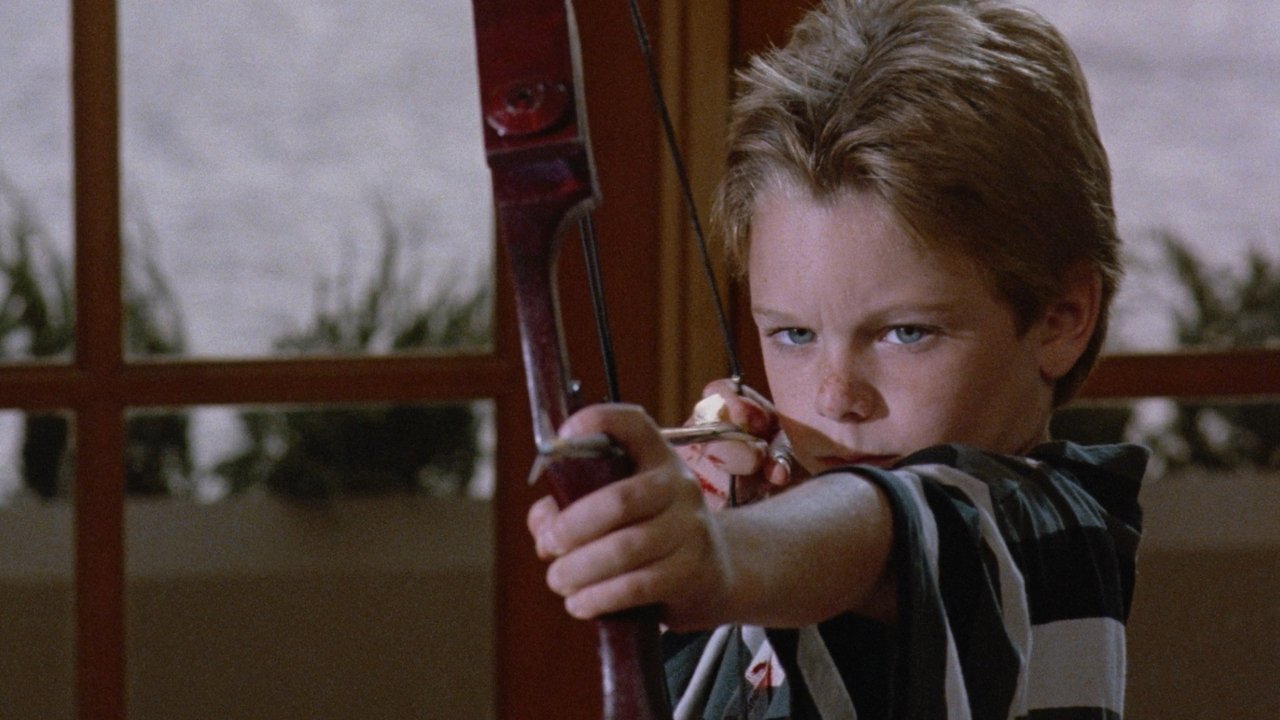
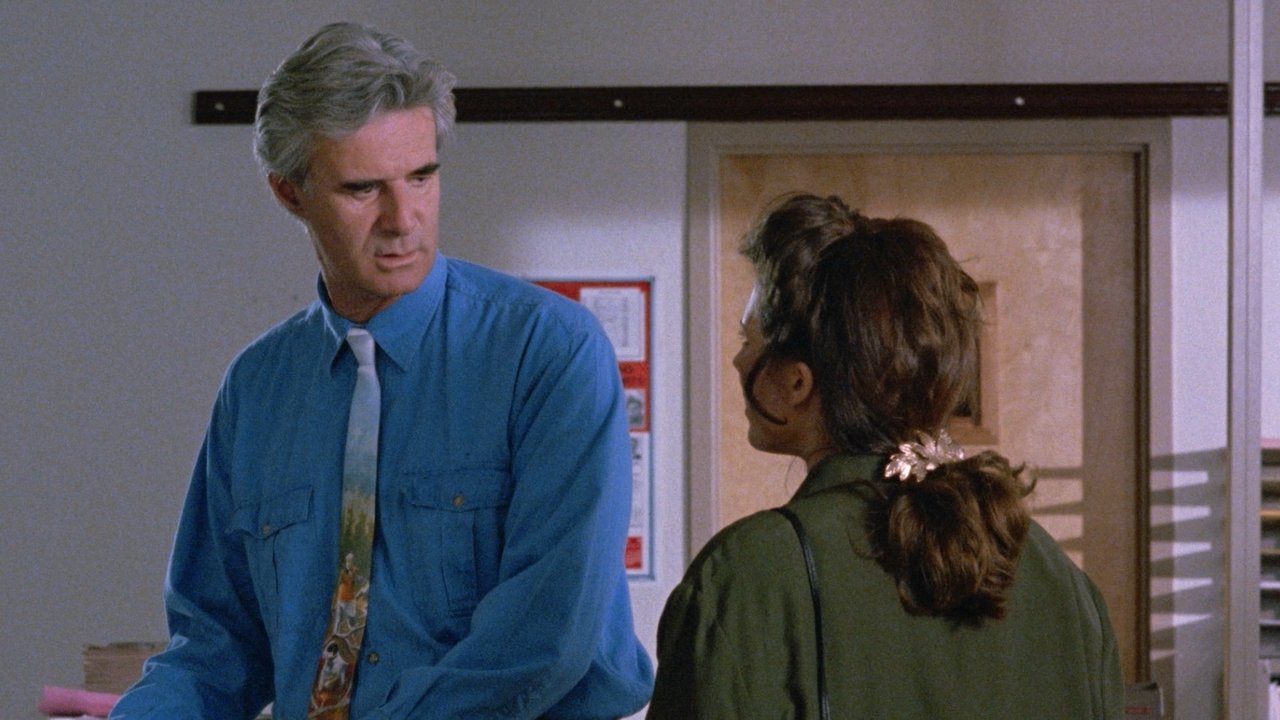
The film, directed by Dennis Dimster-Denk (whose directorial credits remain sparse), follows Mikey as he integrates himself into the lives of his latest unsuspecting family, the Trentons. Josie Bissett (Melrose Place) plays Jessie Owens, Mikey's hopeful new adoptive mother, radiating a warmth that makes the unfolding horror even more tragic. Ashley Laurence, forever etched in horror history as Kirsty Cotton from Hellraiser, plays Shawn Gilder, the perceptive school psychologist who begins to suspect something is deeply wrong beneath Mikey’s polite facade. The narrative structure is simple but brutally effective: we watch Mikey charm his way in, identify perceived flaws, and meticulously plan his horrifying "solutions." The tension builds not through elaborate set pieces, but through the slow, dawning realization—both for the characters and the audience—of the monster hiding in plain sight.
The Shadow Over Suburbia
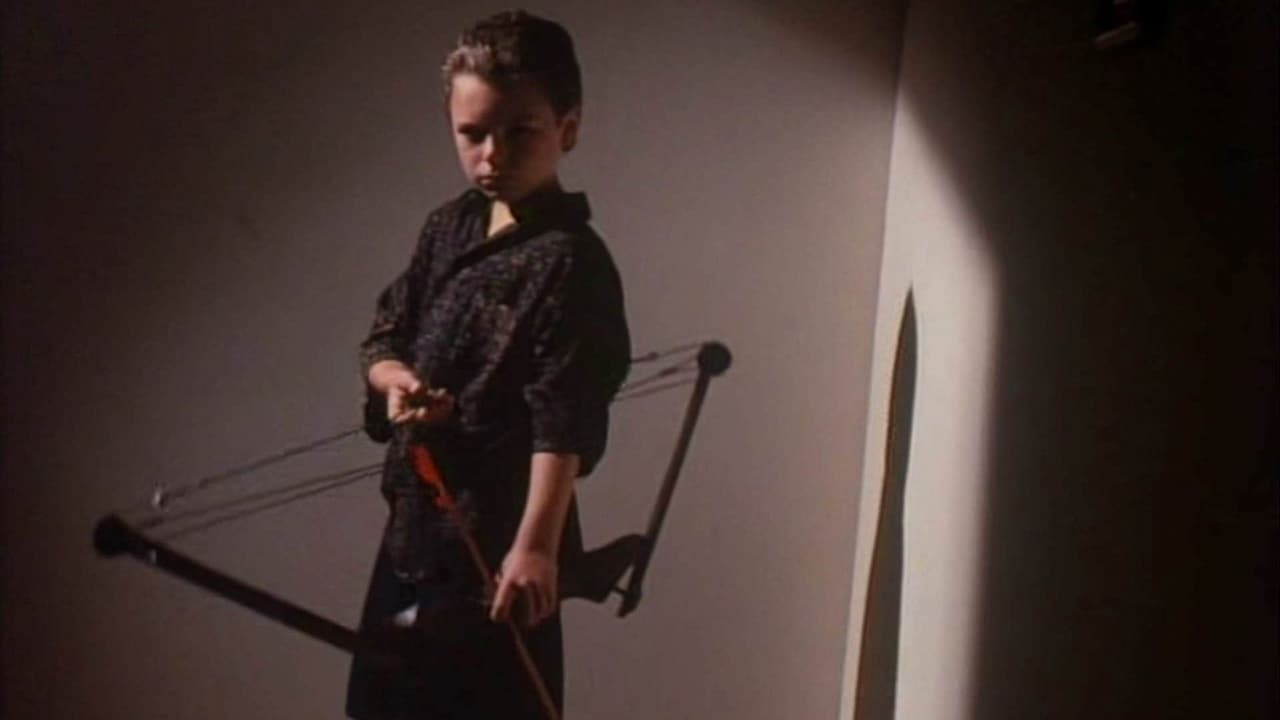
Mikey excels in creating a pervasive sense of dread within its ordinary suburban setting. The comfortable homes, sunny backyards, and neighborhood schools become stages for Mikey’s machinations. The film uses its modest, straight-to-video budget effectively, focusing on psychological tension rather than expensive effects. The horror comes from Mikey's actions and the chillingly casual way he carries them out – the infamous marbles on the stairs, the unsettling swimming pool sequence, the strategically placed electrical cord. These moments felt viscerally shocking back in the day, precisely because they weaponized everyday objects within the supposed safety of the home environment. The film’s writer, Jonathan Glassner, would ironically go on to create the much more hopeful sci-fi universe of Stargate SG-1, a stark contrast to the bleakness found here.
Banned But Not Forgotten: A Dark VHS Legend
You can't discuss Mikey without acknowledging its controversial history, particularly in the UK. Its release coincided tragically with the horrific James Bulger murder case in 1993, leading the British Board of Film Classification (BBFC) to refuse it a certificate for theatrical or video release. While the film bore no direct resemblance to the real-life crime, the climate of heightened sensitivity around violence involving children effectively saw Mikey banned, cementing its status as a notorious piece of "video nasty" adjacent horror, even though it came much later than the official list. It remained unavailable legally in the UK for many years, fueling its underground reputation. This real-world controversy adds a layer of darkness to the film's legacy, making that worn rental copy feel almost illicit. It was a film whispered about, traded on murky tapes, its disturbing content amplified by its forbidden status.
A Chilling Relic of the Era
Mikey isn't perfect. Some dialogue feels clunky, and the pacing occasionally lags. Yet, its core concept and Bonsall’s performance remain undeniably effective. It taps into primal fears about the hidden darkness within seemingly normal people and the vulnerability of the family unit. Compared to its contemporary, the glossier The Good Son (1993) starring Macaulay Culkin, Mikey feels grittier, meaner, and less concerned with Hollywood polish. It’s a nasty little film, content to disturb rather than entertain in the conventional sense. Did its grounded, almost procedural approach to Mikey's evil make it feel more disturbing to you than supernatural threats?
***
Rating: 7/10
Justification: Mikey earns a solid 7 for its genuinely unsettling atmosphere, Brian Bonsall's chillingly effective performance against type, and its status as a significant, controversial entry in the "evil child" subgenre. It masterfully uses its suburban setting to build dread and delivers several memorably disturbing sequences. Its straightforward, grim approach feels potent even today. Points are docked for some uneven pacing and occasional 90s direct-to-video clunkiness, but its power to unnerve remains undeniable, especially when viewed through the lens of its troubled release history.
Final Thought: Mikey is a stark reminder from the VHS shelves that sometimes the most terrifying monsters are the ones who look just like us, hiding behind the sweetest smile. It’s a film that doesn't just scare you; it leaves you feeling profoundly uneasy about the world outside your window.