Okay, settle in, fellow tapeheads. Remember digging through those slightly dusty shelves at the local video store, the ones crammed with lurid covers promising mayhem and madness? Sometimes you unearthed a gem, sometimes... well, sometimes you found something like Splatter University. The title alone practically screams “rent me!” with its blunt, beautiful promise of collegiate carnage. It’s the kind of name that conjures images of exploding heads and fountains of gore, maybe set to a pounding synth track. Does it deliver exactly that? Let's just say it’s more of a determined community college effort than a prestigious Ivy League bloodbath, but that’s precisely where its grubby, 1984 charm lies.
### Welcome to St. Trinian's... With a Knife
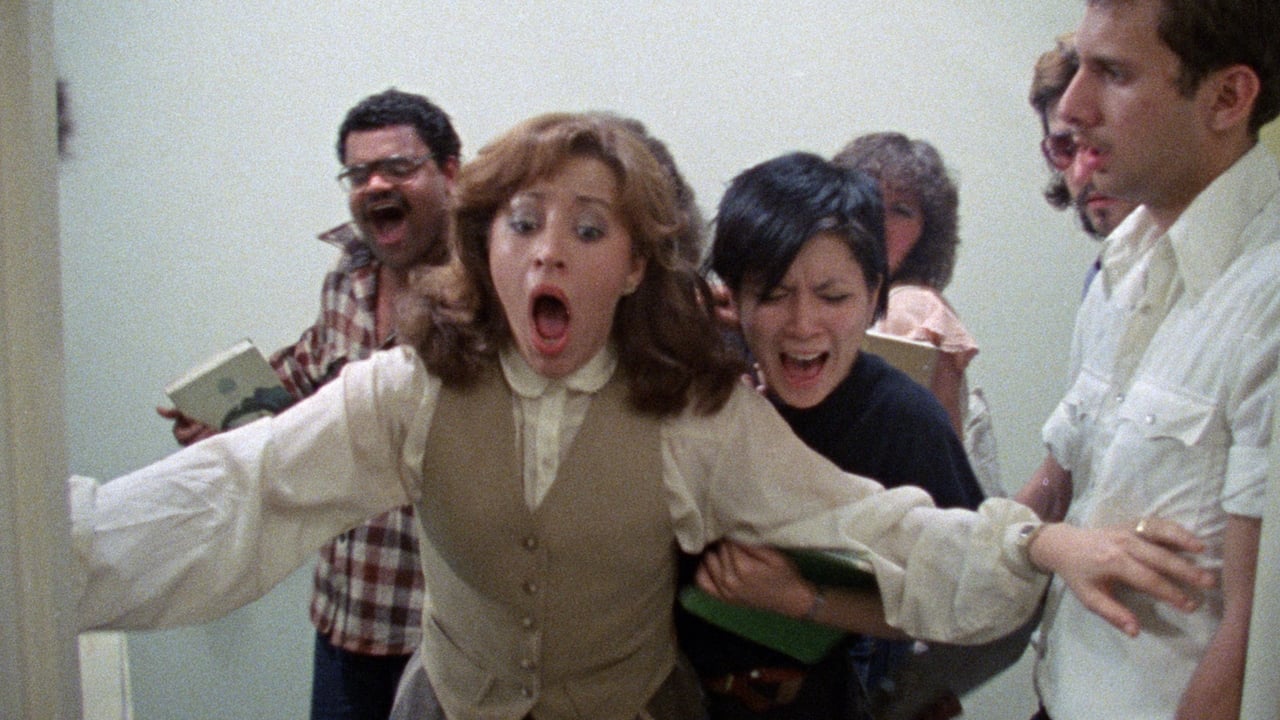
The setup is pure slasher boilerplate, which, let's be honest, is part of the comfort food appeal. A patient escapes a mental asylum after killing a nurse (a stark, effective opening!), and wouldn't you know it, years later, mysterious killings start plaguing a university campus just as a bright-eyed new sociology teacher, Julie Parker (played with earnest conviction by Forbes Riley in one of her earliest roles), arrives. Coincidence? In an 80s slasher? Never! The plot dutifully follows the formula: red herrings abound, students act with baffling carelessness, and a shadowy figure with a penchant for large kitchen knives starts whittling down the student body and faculty.
Director Richard W. Haines, who genre fans might recognize from his later co-directing work on Troma’s wonderfully chaotic Class of Nuke 'Em High, crafts a film that absolutely feels its reported shoestring budget – sometimes estimated as low as $50,000, which even in the early 80s was leaning towards micro-budget territory. This wasn't a slick Hollywood production; it feels gritty, regional, almost like a home movie made by people who genuinely loved the genre, filmed primarily on the grounds of Ramapo College of New Jersey. You can almost smell the cheap film stock and the slightly stale coffee from the craft services table (if they even had one).
### Practical Gore on a Budget
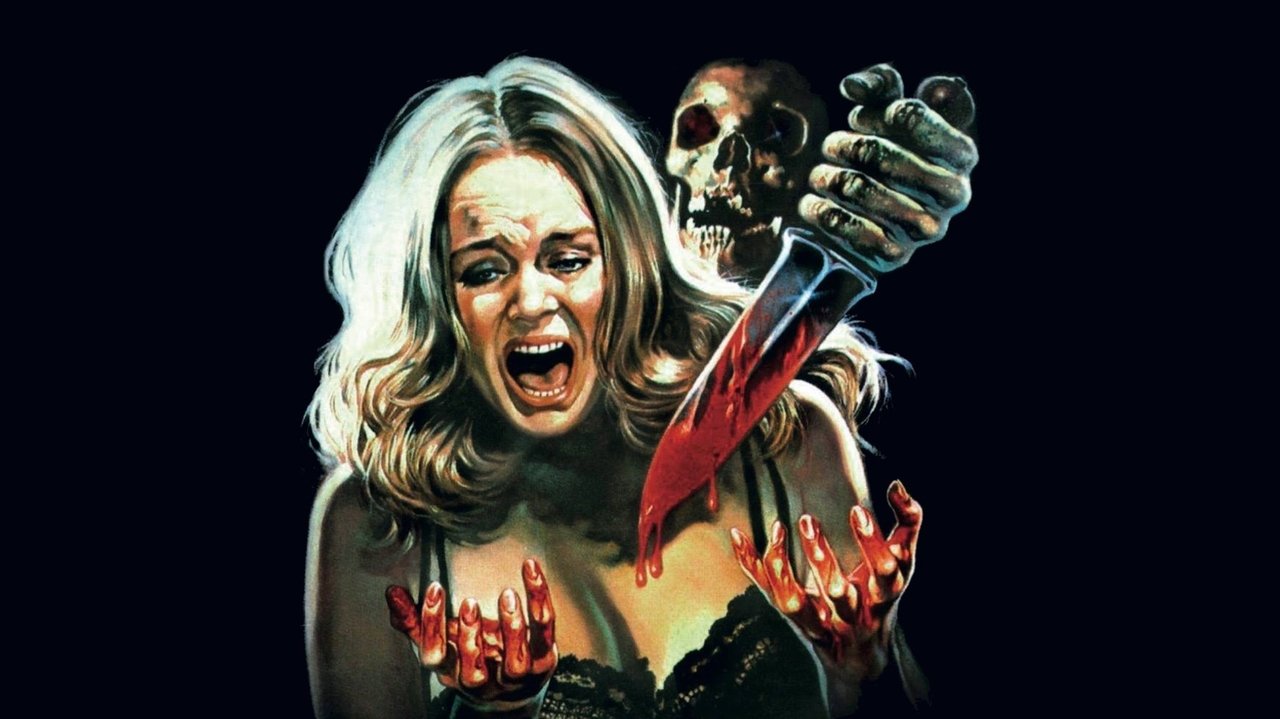
Now, about that "Splatter" promise. While maybe not reaching the dizzying heights of Savini’s work on Dawn of the Dead or Friday the 13th, the film doesn't shy away from showing the aftermath. The kills are staged with a certain blunt force effectiveness, favouring practicality over polish. Remember how real those stab wounds and blood pools looked back then, even when they were clearly just latex and corn syrup? There's a tangible, messy quality here that CGI rarely captures. You see the knife go in (or convincingly near), you see the bright red blood pump (sometimes a little too bright, perhaps?), and you feel the impact because it looks like something physically happened on set. There’s a throat slashing involving a male student in the showers that, while not technically perfect, has a raw, unpleasant quality that sticks with you. No digital cleanup here – just raw, practical gore FX, likely achieved with ingenuity and whatever the crew could get their hands on.
The supporting cast, including Ric Randig as a suspicious fellow teacher and Dick Biel as the obligatory older authority figure (the Dean), fill out their roles with the kind of slightly stiff enthusiasm common in low-budget fare of the era. Nobody's winning an Oscar, but they commit to the scenario, providing potential victims and red herrings as needed. It's Forbes Riley, though, who anchors the film. She projects vulnerability and intelligence, making Julie a more relatable final girl than many contemporaries. It's interesting seeing her here, years before she became a familiar face on home shopping networks – a true "before they were stars" moment found on VHS.
### That Hazy VHS Charm
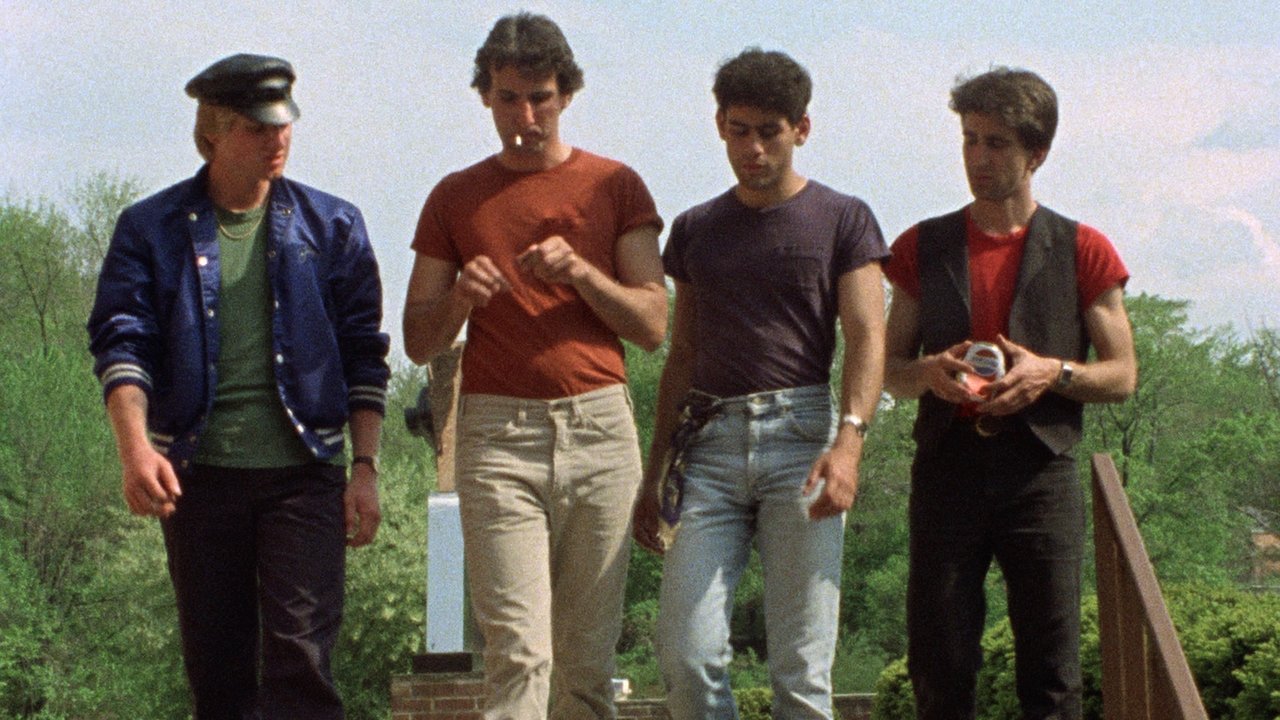
Watching Splatter University today is like finding a faded photograph. The fashions scream early 80s, the dialogue occasionally clunks, and the pacing sometimes drags between the stalk-and-slash sequences. The synth score is present but perhaps not as memorable as some of its peers. Yet, there’s an undeniable atmosphere. It’s the atmosphere of late-night cable, of a slightly fuzzy picture on a CRT screen, of discovering something obscure that feels like your find. It wasn't a box office smash, nor was it critically lauded – this was prime direct-to-video or drive-in fodder, destined for cult status among dedicated slasher fans rather than mainstream recognition.
It lacks the polish of Halloween or the relentless TKO brutality of The Texas Chain Saw Massacre, positioning itself more comfortably alongside films like The Dorm That Dripped Blood or Final Exam. It’s a second-tier slasher, absolutely, but one made with a certain scrappy integrity. Haines and his team weren’t reinventing the wheel; they were trying to deliver the goods that the title promised, working within considerable limitations. The very fact they pulled off a feature film with multiple kill scenes on such a tiny budget is, in itself, a testament to that gritty, can-do spirit of 80s indie horror filmmaking.
Rating: 4/10
Justification: The score reflects the undeniable technical limitations – the acting is variable, the script is derivative, and the production values are clearly strained by the micro-budget. However, for hardcore 80s slasher aficionados, the earnest effort, the gritty practical effects (warts and all), and the sheer time-capsule quality bump it up slightly. It delivers some splatter, even if the university itself feels sparsely populated.
Final Thought: Splatter University might not have awarded degrees in cinematic excellence, but for a certain kind of VHS archaeologist, it's a fascinatingly frayed artifact – a reminder of a time when passion, practical gore, and a killer title were sometimes all you needed to get your slasher onto the rental shelf. Required viewing? Maybe not. A fun, fuzzy trip back? Absolutely.