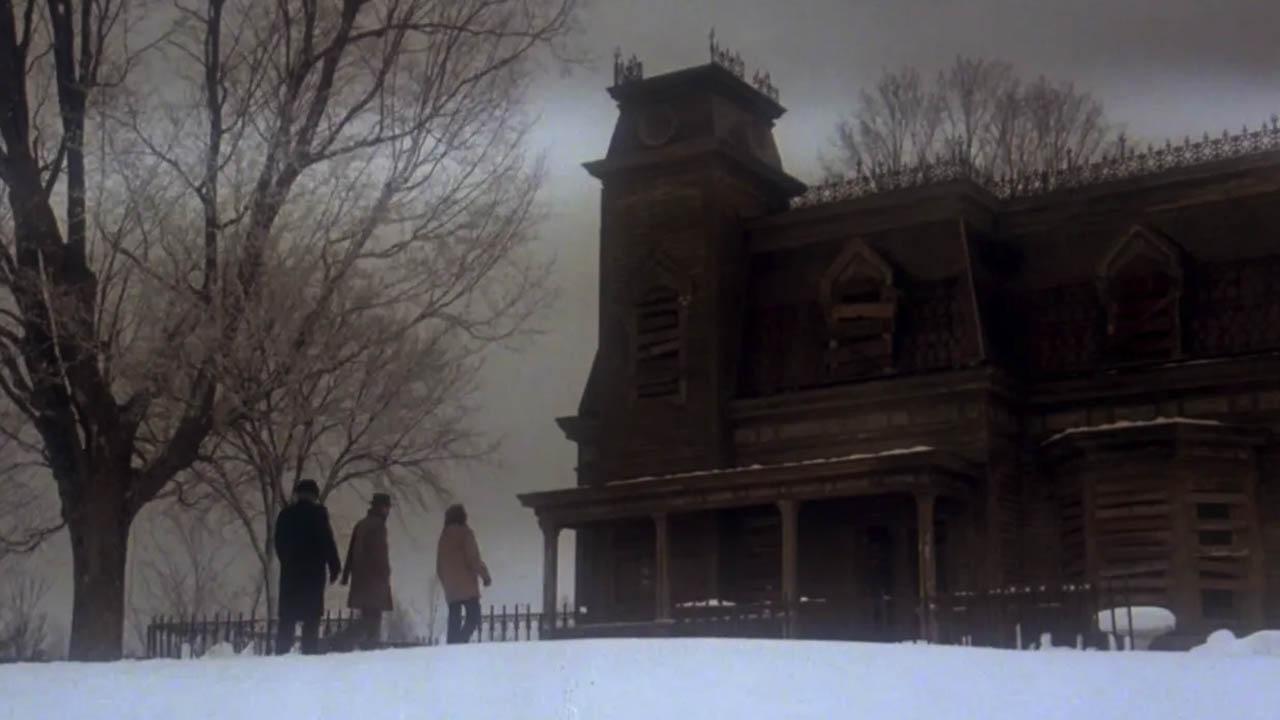
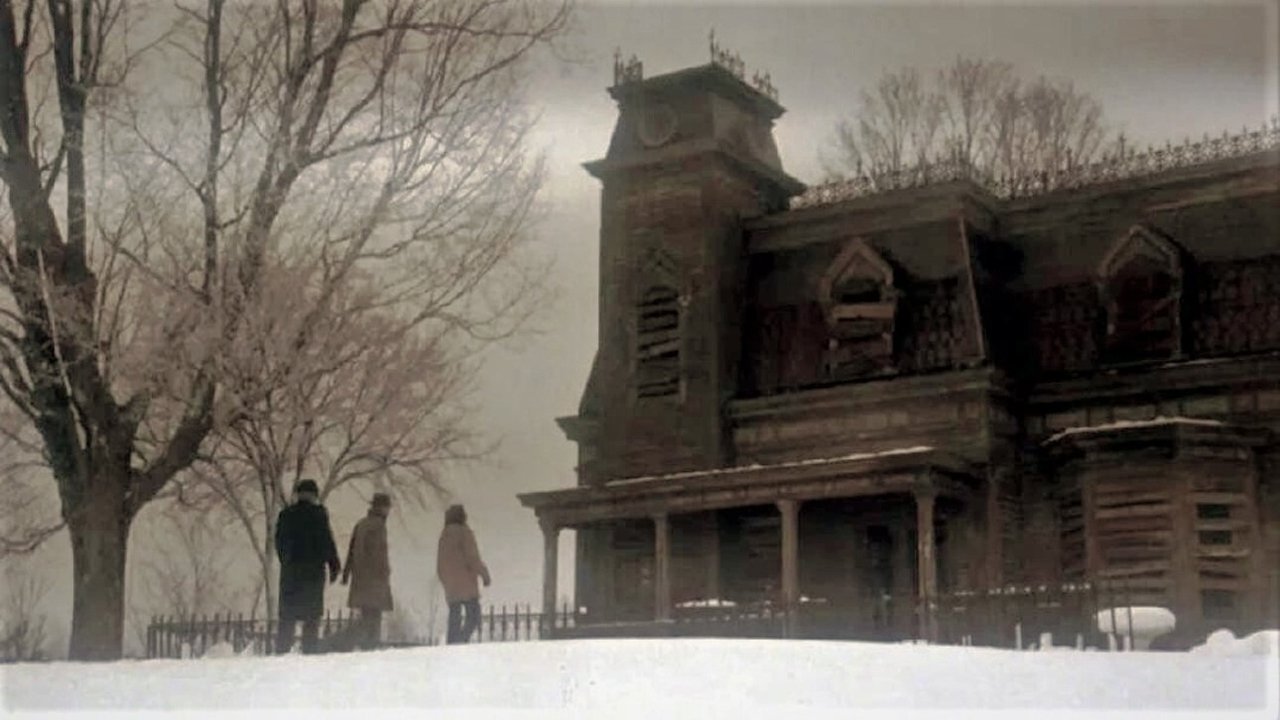
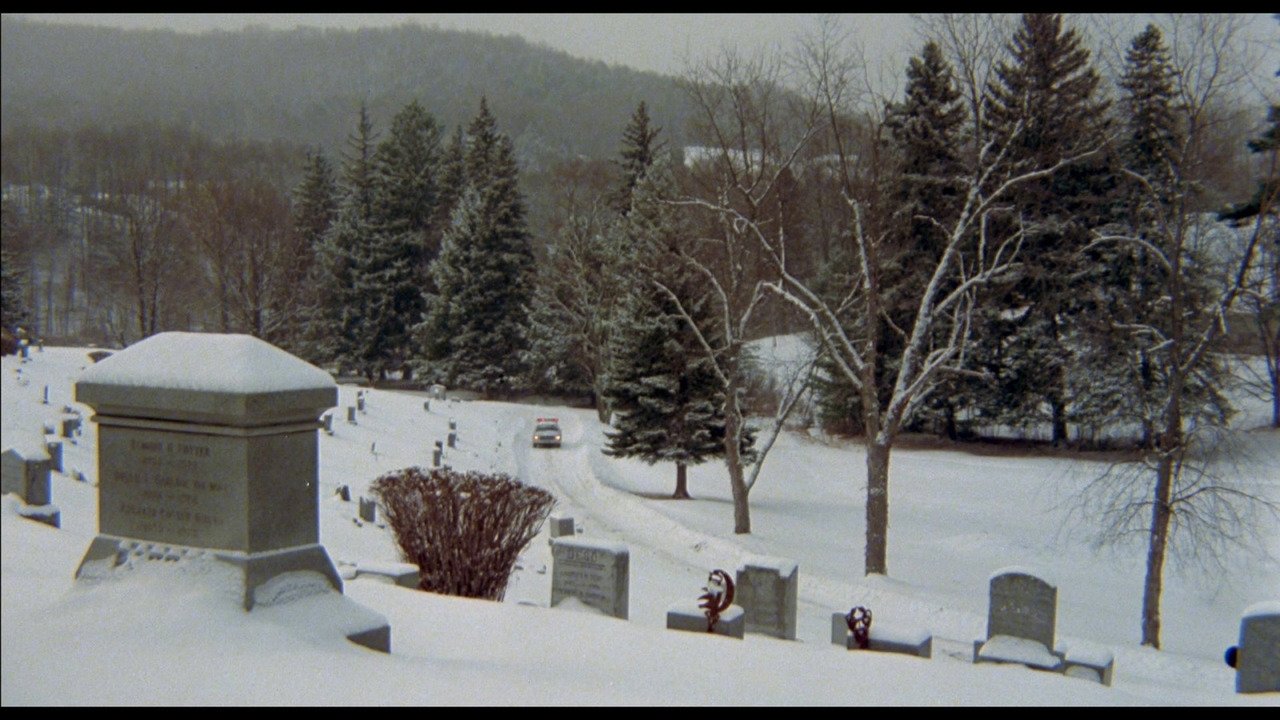
The chill sets in almost immediately, long before the first spectral visage flickers across the screen. It settles like the endless snow blanketing the Vermont town in John Irvin's Ghost Story (1981), a cold born not just of winter, but of secrets festering for half a century. There's a weight to this film, an autumnal sadness embodied by its legendary cast, that lingers far more profoundly than any jump scare could. It’s the kind of mature, melancholic horror that felt like a rare find on the video store shelves, nestled perhaps between the slashers and the creature features.
The Chowder Society's Burden
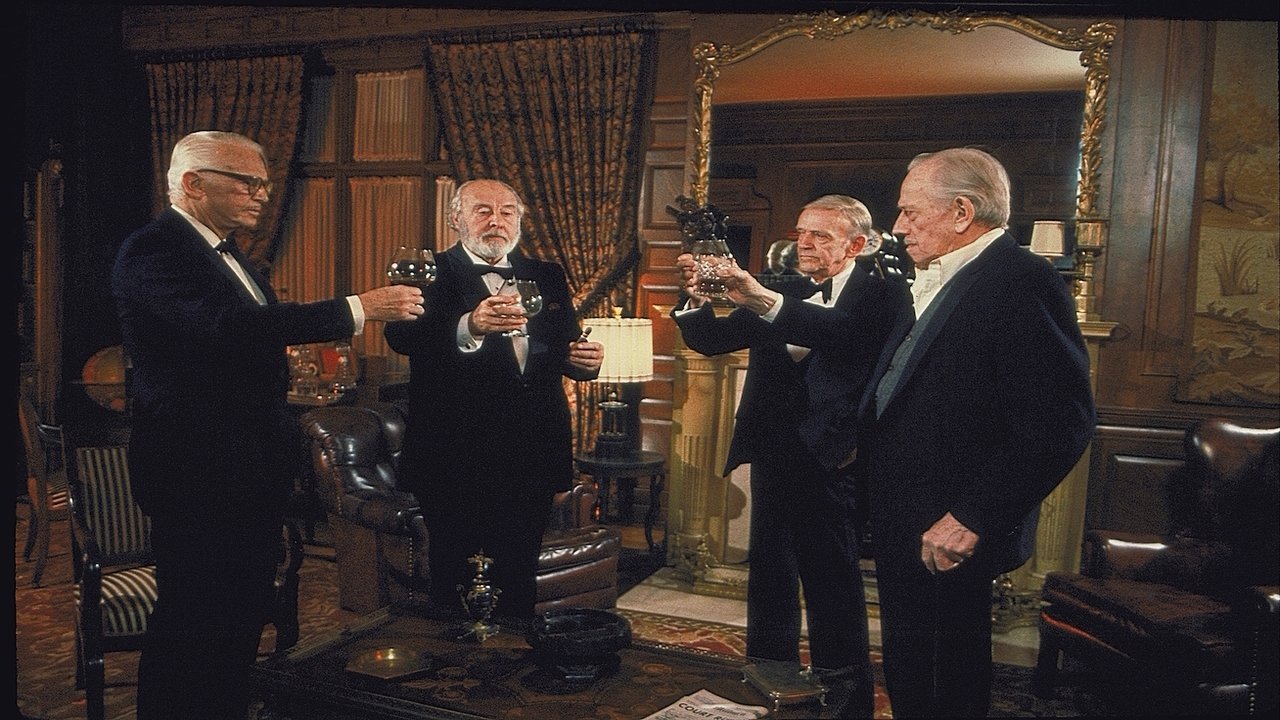
At the heart of the narrative are four elderly men – Ricky Hawthorne (Fred Astaire), Sears James (John Houseman), Dr. John Jaffrey (Melvyn Douglas), and Edward Charles Wanderley (Douglas Fairbanks Jr.). They call themselves the Chowder Society, gathering in tuxedos to share ghost stories. But beneath the ritual lies a shared, unspoken terror: a dark deed from their youth involving a mysterious woman named Alma Mobley. It’s staggering, even now, to see these titans of Hollywood's Golden Age – Astaire dancing with shadows instead of Ginger Rogers, Douglas and Fairbanks Jr. exuding weary gravity in what would sadly be their final film appearances (Astaire's too). Their presence lends the film an immediate, irreplaceable sense of history and regret. You feel the years pressing down on them, the past refusing to stay buried. This wasn't just stunt casting; it was the thematic core – elegance haunted by inescapable guilt.
A Haunting Embodied
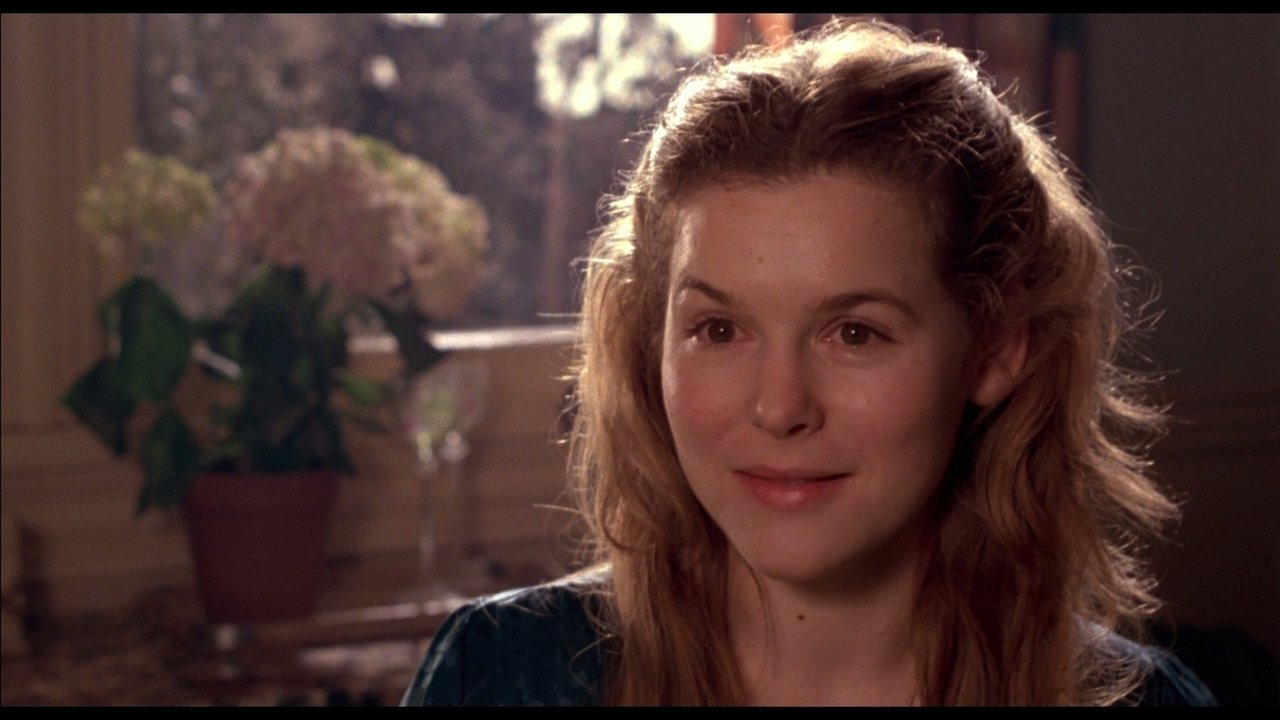
The catalyst for the past's violent return is the arrival of Don Wanderley (Craig Wasson), Edward’s son, following the bizarre death of his twin brother. Don carries his own piece of the puzzle, linked to a hauntingly beautiful, yet deeply unsettling woman named Eva Galli (Alice Krige). And it's Krige who truly steals the show, delivering a performance of ethereal menace and tragic allure. Her portrayal of both Alma and Eva is captivatingly unnerving. One moment she's radiating vulnerability, the next, her eyes hold a chilling emptiness that speaks of profound wrong and supernatural vengeance. It’s a star-making turn that perfectly embodies the film’s blend of eroticism and decay. Remember how striking, how wrong some of her transformations looked, even on a fuzzy VHS copy viewed late at night? That unsettling quality owes much to the legendary makeup artist Dick Smith (The Exorcist), whose work here, while perhaps showing its seams today, aimed for a visceral, decomposing horror that felt genuinely disturbing back then. Smith reportedly found the rapid decay effects particularly challenging, pushing the boundaries of practical techniques available at the time.
Atmosphere Over Agitation
Directed by John Irvin (who would later helm action fare like Raw Deal), Ghost Story prioritizes mood and creeping dread over cheap shocks. The cinematography by Jack Cardiff bathes the snowy landscapes and ornate interiors in a cold, blue light, enhancing the feeling of isolation and ghostly presence. Philippe Sarde's score is equally crucial, a haunting melody that swells with both romance and impending doom. It’s a film that feels cold, visually and thematically. The adaptation, penned by Lawrence D. Cohen – who knew a thing or two about adapting chilling novels after his screenplay for Brian De Palma's Carrie (1976) – faced the unenviable task of condensing Peter Straub's dense, multi-layered novel. Inevitably, subplots and nuances were lost, leading some critics at the time, and fans of the book, to feel the film was a somewhat simplified take. Yet, what Cohen and Irvin retain is the core story of generational guilt and the inescapable nature of the past.
Whispers from the Set
While the film aimed for sophisticated horror, its production wasn't without the practical struggles typical of the era. Achieving the ghostly apparitions and decomposition effects required innovative, if sometimes cumbersome, practical solutions. The casting itself was a coup, bringing together actors whose combined careers spanned virtually the entire history of sound film up to that point. Imagine the stories shared between takes! Despite its pedigree and a decent budget (around $13.5 million, making back roughly $23 million domestically – respectable, but not a blockbuster), Ghost Story received mixed reviews upon release. Some found it slow, others hailed its atmospheric maturity in a genre increasingly dominated by gore. For many of us discovering it on VHS, it felt like a stately, chilling affair, a ghost story told by Hollywood royalty.
Does the Chill Endure?
Ghost Story isn't a perfect film. Its pacing can feel deliberate, bordering on slow, especially for viewers accustomed to modern horror's frantic energy. The narrative streamlining, while necessary, arguably sanded off some of the novel's rougher, more terrifying edges. Yet, its power lies in its atmosphere, its melancholy tone, and the unforgettable performances, particularly from the veteran leads and the mesmerizing Alice Krige. It’s a film that respects the "story" part of its title, building suspense through character and mounting dread rather than relying solely on spectral shocks. It feels like a relic from a different era of horror filmmaking – more gothic romance than visceral terror, but capable of leaving a distinct chill. Doesn't that image of Alma/Eva, poised between beauty and monstrosity, still feel genuinely unsettling?
Rating: 7/10
Justification: Ghost Story earns a solid 7 for its potent atmosphere, the sheer gravitas of its legendary cast, Alice Krige's phenomenal performance, and Dick Smith's memorable (if dated) practical effects. It successfully evokes a sense of creeping dread and tragic inevitability. Points are deducted for pacing issues and the necessary, but sometimes noticeable, simplification of its complex source material, which may leave fans of the novel wanting more.
Final Thought: A poignant cinematic epitaph for several screen legends and a genuinely chilling slice of early 80s gothic horror, Ghost Story remains a compelling watch, a reminder that the most haunting ghosts are often the ones carried within us. It's a tape worth rewinding for its mood alone.