The silence afterwards is the worst part, isn't it? Not the scream cut short, or the splash in the murky pool, but the suffocating quiet that follows a terrible mistake. That's the chill that settles deep in the bones watching The House on Sorority Row (1982). Long before the first real act of vengeance, the air in that gothic, ivy-choked house crackles with guilt and the dawning horror of consequence. It’s a dread that felt particularly potent flickering on a CRT screen late at night, the kind that made you check the locks twice.
A Secret Sealed in Shadow
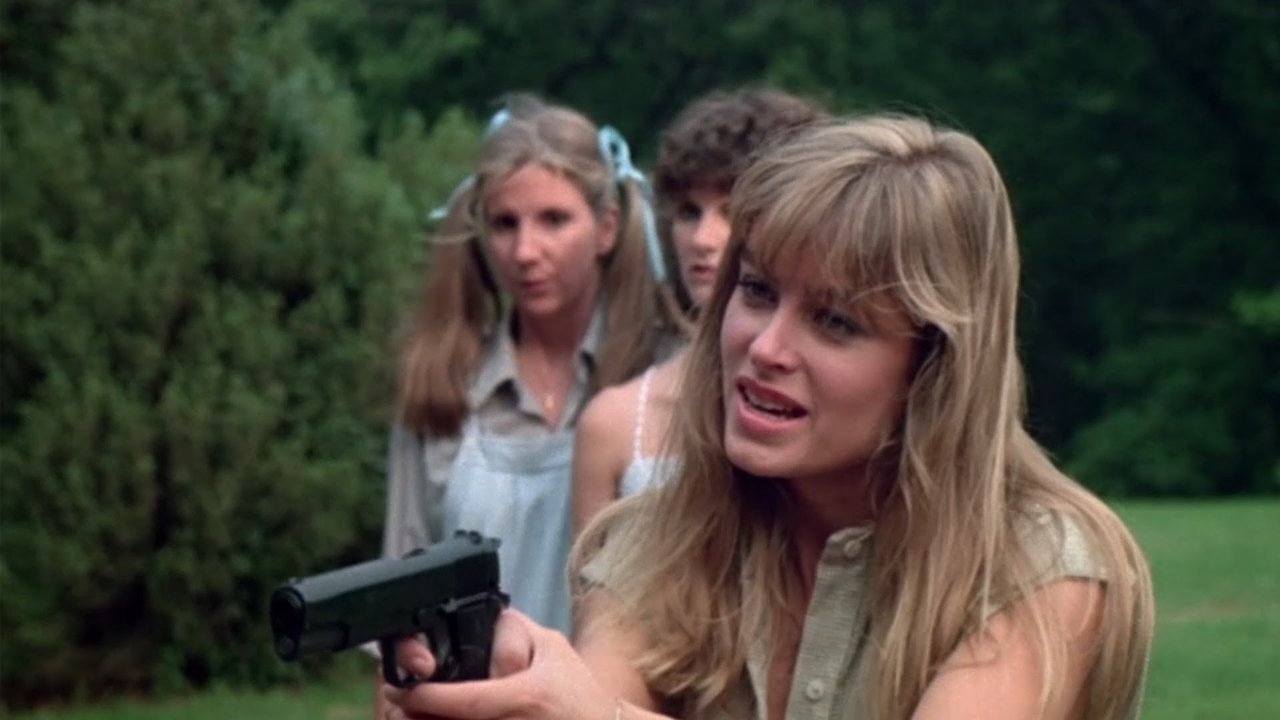
Director Mark Rosman, making his feature debut here after cutting his teeth assisting none other than Brian De Palma, doesn't just give us a standard slice-and-dice. He crafts something with a surprising amount of gothic flair, particularly for its modest $425,000 budget (around $1.35 million today – lean even for the era!). The plot kicks off with a familiar, nasty trope: a sorority prank targeting their overbearing housemother, Mrs. Slater (played with stern relish by Lois Kelso Hunt), goes tragically wrong. Faced with ruining their bright futures, the seven sisters, led by the icily pragmatic Vicki (Eileen Davidson, years before becoming a daytime soap queen on The Young and the Restless), make the fateful decision to hide the body and proceed with their graduation party. Only Katey (Kate McNeil, in a strong final girl turn) feels the crushing weight of their actions, a moral compass spinning wildly in a sea of denial.
That central decision hangs heavy over everything that follows. The sorority house itself, a genuine old mansion in Pikesville, Maryland, becomes less a party venue and more a pressure cooker. Rosman uses its shadowy corners, long hallways, and imposing architecture brilliantly. It feels simultaneously cavernous and claustrophobic, a maze where paranoia echoes louder than the muffled pop music drifting up from the party downstairs. You feel the isolation of the girls sneaking off one by one, the dread amplified by Richard Band's effectively eerie score, which favors unsettling motifs over cheap jump-scare stings.

Style Over Splatter (Mostly)
While The House on Sorority Row certainly delivers the goods for slasher fans – and we’ll get to that kill in a moment – it often prioritizes suspense over outright gore. Rosman, who also penned the script (drawing inspiration from the French classic Les Diaboliques), understands the power of suggestion. The sequence involving the dark, leaf-strewn swimming pool is a masterclass in tension, using sound design and obscured views to maximize unease. Doesn't that slow, inevitable discovery still send a shiver down your spine?
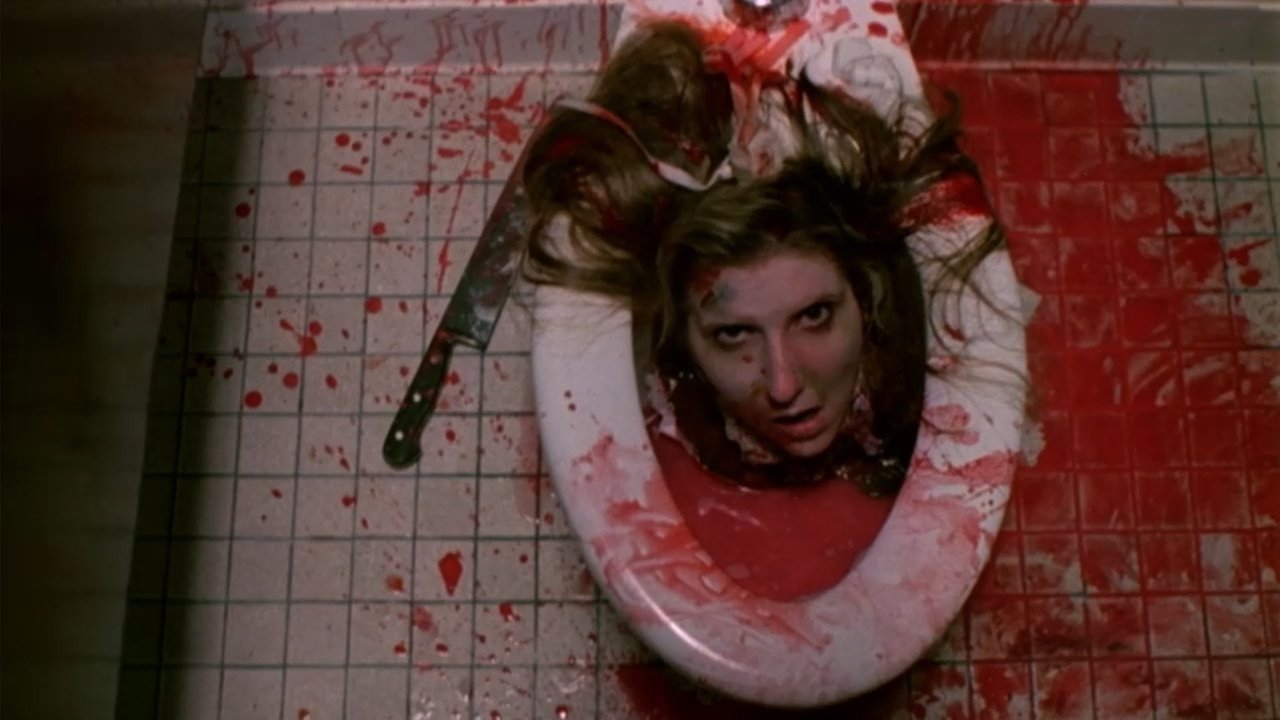
Of course, this was the golden age of the MPAA crackdown, and the film didn't escape unscathed. Rumors abound of gorier scenes being trimmed to secure an R rating, a common battle scar for films destined for the video store shelves. Yet, what remains is surprisingly potent. The practical effects, while dated by modern CGI standards, have that tangible, visceral quality we remember. The standout, naturally, is the infamous kill involving Mrs. Slater’s sharp, bird-headed cane. It's shocking, inventive, and lodged itself firmly in the memory banks of anyone who rented this tape back in the day. It’s the kind of brutal creativity born from necessity; Rosman reportedly devised it partly because it was cheaper than complex prosthetic effects.
Sorority Sisters and Final Frights
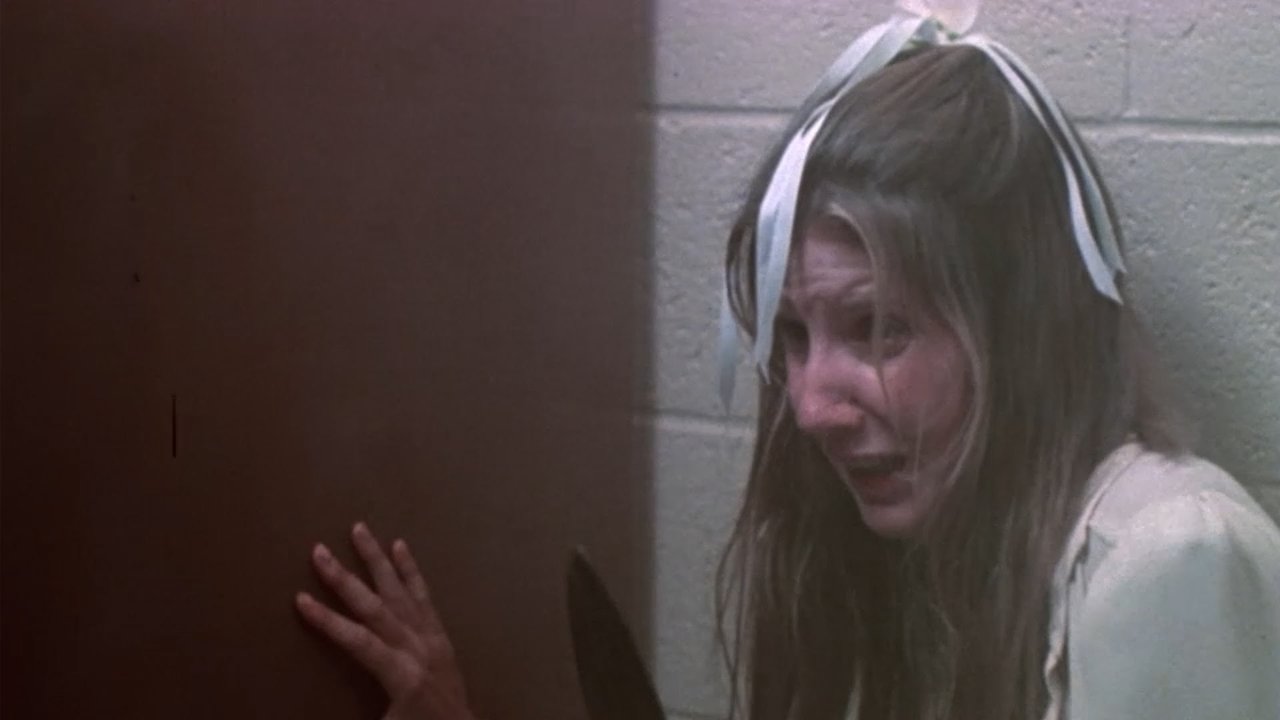
The performances are generally solid for the genre. Kate McNeil grounds the film as Katey, providing the audience surrogate whose mounting panic feels authentic. Eileen Davidson nails Vicki's cold determination, making her complicity all the more chilling. The other sisters fulfill their archetypal roles effectively enough to make their eventual disappearances impactful. There's a sense of camaraderie, however fractured, that makes their deadly predicament more engaging than just watching random victims get picked off.
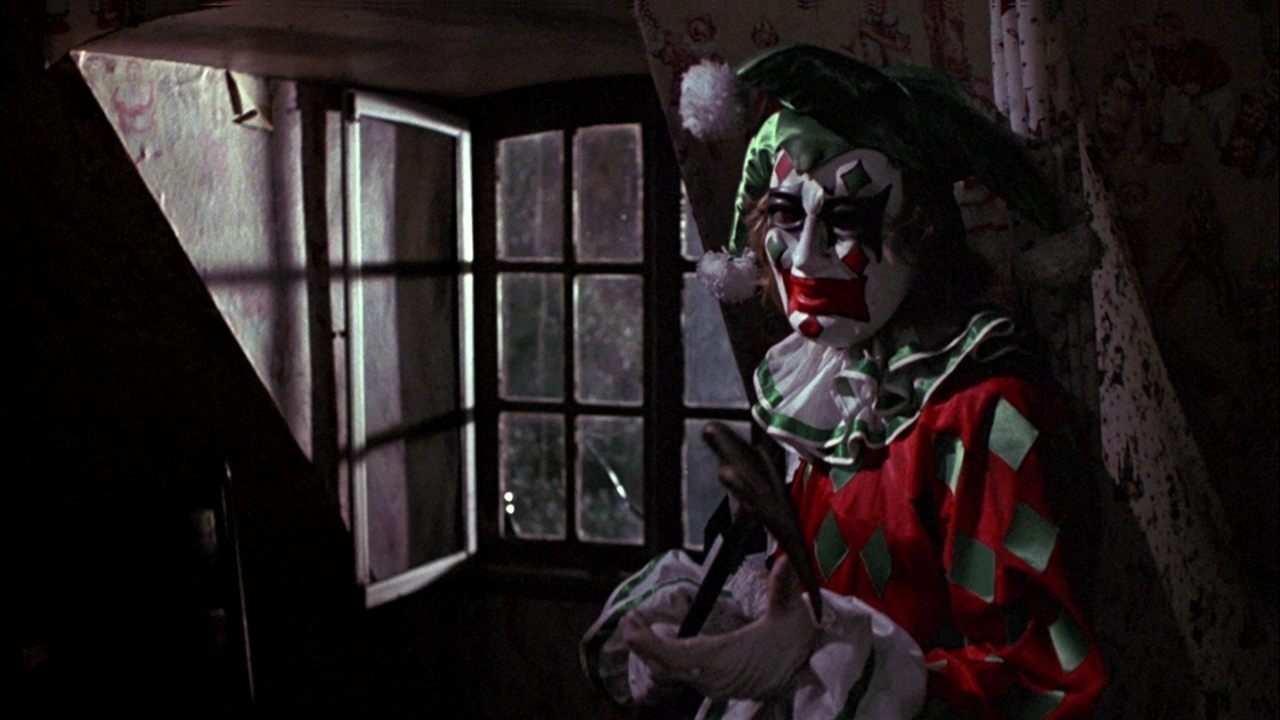
Interestingly, the film's ending underwent changes. Rosman’s originally intended finale was reportedly darker and more ambiguous, a common casualty of seeking broader audience appeal (or perhaps distributor demands). The ending we have, featuring the unsettling clown costume, certainly provides a memorable final jolt, though one wonders what might have been. It’s one of those "dark legends" of production – the phantom limb of a bleaker film existing just out of sight.
Lasting Resonance in the VHS Vault
Compared to the relentless brutality of Friday the 13th or the surreal dream logic of A Nightmare on Elm Street, The House on Sorority Row occupies a unique space. It’s a classier affair than many of its contemporaries, focused on atmosphere, suspense, and a creeping sense of culpability. It feels less like a cheap thrill ride and more like a slow-burn descent into panic, punctuated by moments of startling violence. The film doesn't just rely on a masked killer; the real horror stems from the characters' choices and the suffocating weight of their secret. It got a glossy, largely forgettable remake in 2009 (Sorority Row), but the grimy, atmospheric original holds a special place for those who discovered it lurking on the horror shelf at the local video store.
***
VHS Heaven Rating: 7/10
The House on Sorority Row earns its 7 for delivering stylish suspense and genuine atmosphere on a tight budget. While it leans on some familiar slasher tropes and the pacing occasionally dips, its strong final girl, memorable kills (that cane!), effective use of location, and emphasis on dread over non-stop gore elevate it above many of its 80s peers. The direction shows a surprising level of craft, making the guilt and paranoia almost as palpable as the physical threat. It’s a quintessential late-night VHS discovery – maybe not a top-tier masterpiece, but a deeply effective and unsettling slice of 80s horror that still resonates with a specific, shadowy charm. It understood that sometimes, the most terrifying things aren't just lurking in the dark, but hidden within ourselves.