"Killer is coming... Killer is coming..." The childish taunt hangs heavy in the air, years after the hushed-up tragedy that binds four teenagers together. It’s a secret festering beneath the surface of Hamilton High, waiting for the one night when secrets have nowhere left to hide: Prom Night. This 1980 Canadian slasher doesn’t just offer screams; it pulses with a surprisingly slick disco beat, creating an unsettling rhythm for revenge under the mirror ball.

Beneath the Glitter Ball's Gleam
Directed by Paul Lynch, Prom Night arrived squarely in the wake of Halloween's seismic impact, bringing along its reigning scream queen, Jamie Lee Curtis, as Kim Hammond. But where Halloween was minimalist dread, Prom Night attempts a different blend: part whodunit mystery, part high school drama, and part dance-floor stalk-and-slash. The setup is classic revenge fodder – a childhood prank gone horribly wrong, resulting in the accidental death of young Robin Hammond. The guilty parties – Wendy, Jude, Kelly, and Nick – swear silence, a pact that seals their fate six years later on the night they should be celebrating.
The film spends a good chunk of its runtime building the world of Hamilton High – the cliques, the crushes, the simmering rivalries. It feels lived-in, perhaps more so than some of its slasher brethren. We see Kim dealing with her own trauma (losing her sister), her relationship with Nick (one of the secret-keepers, played by Casey Stevens), and navigating the usual teenage angst, blissfully unaware she’s the sibling of the victim whose death fuels the impending massacre. This grounding makes the eventual shift into terror more jarring, the normalcy shattered by a figure clad in black, mask obscuring their face, wielding an axe.

Disco Inferno, Literal Horror
What truly sets Prom Night apart, for better or worse, is its soundtrack. Composers Paul Zaza and Carl Zittrer infuse the film with genuine disco tracks, especially during the extended prom sequences. It's a bold choice. Does it always work? The juxtaposition of shimmering lights, feathered hair, and choreographed dance numbers with brutal murders is certainly... memorable. At times, it creates a unique tension – the throbbing beat masking footsteps, the carefree joy contrasting sharply with the killer's cold purpose. Other times, you might find yourself questioning if you stumbled into Saturday Night Fever’s dark, Canadian cousin. The extended dance sequence featuring Kim and Nick is pure 1980s gold, a time capsule moment that feels both earnest and slightly absurd in a horror context.
It's fascinating to see Jamie Lee Curtis here, solidifying her horror icon status. Even though she famously wasn't a fan of the genre herself, her performance anchors the film. She brings vulnerability and strength to Kim, making her a final girl worth rooting for. Perhaps even more surprising for modern audiences is seeing Leslie Nielsen as Principal Hammond, Kim and Robin's father. This was years before his comedic reinvention in Airplane! and the Naked Gun series. Here, he's entirely serious, playing a concerned father and authority figure tracking a potential threat within his school. It’s almost uncanny watching him deliver lines without a hint of irony, a potent reminder of his dramatic roots. Apparently, Nielsen took the role quite seriously, contributing to the film's grounded feel amidst the disco-slasher chaos.


Secrets, Slashers, and Studio Notes
While Prom Night adheres to many slasher conventions – the masked killer, the picking off of teens one-by-one, the red herrings – its central mystery provides a decent hook. The threatening phone calls, the crossed-out yearbook photos… someone knows the secret. Who is wielding the axe? The film plays relatively fair, though the eventual reveal might feel a tad predictable to seasoned genre fans. Still, the journey there offers some effective stalking sequences, particularly in the darkened, empty hallways of the school, a stark contrast to the pulsing energy of the gymnasium dance floor.
Filmed on a modest budget of around $1.5 million in Toronto (standing in for generic middle America), Prom Night became a significant financial success, grossing nearly $15 million at the box office. It proved the slasher formula, especially with Curtis attached, was still potent currency. While not reaching the iconic status of Halloween or Friday the 13th, it carved its own niche. Trivia buffs might note that the film underwent some trims to secure an R rating, mostly tightening kill scenes, but the core narrative remained intact. Its success spawned several sequels, though none captured the specific (and bizarre) charm of the original's disco-horror fusion. Doesn't that blend of dance music and dread still feel oddly compelling?
Final Reflection
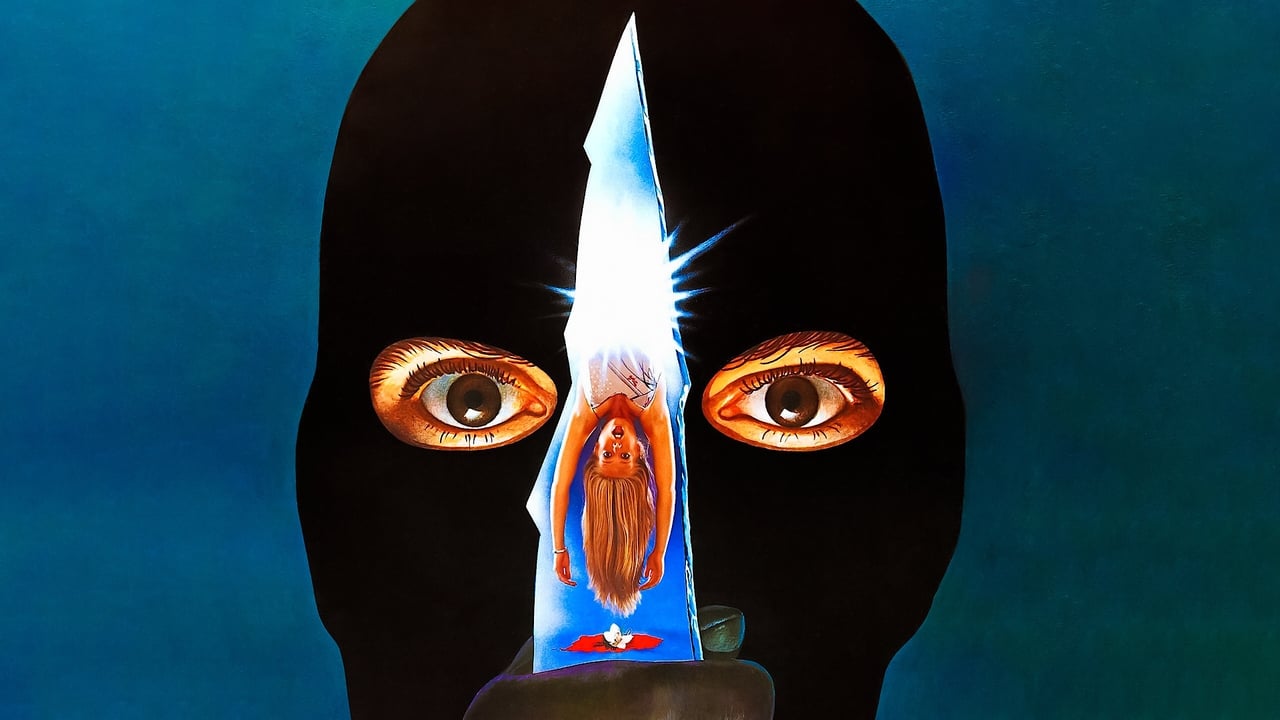
Prom Night isn't the most terrifying slasher from the golden age, nor the most inventive. Its pacing can feel a little uneven, spending perhaps a bit too long setting up the high school dynamics before the carnage truly begins. However, it possesses a unique atmosphere, driven by that unforgettable disco score and the earnest performances, particularly from Curtis and the surprisingly stoic Nielsen. It’s a film inextricably linked to its time – the fashion, the music, the specific anxieties lurking beneath the suburban dream. Watching it on VHS back in the day felt like uncovering a slightly grittier, stranger piece of the slasher puzzle.
Rating: 6/10
The score reflects a solid, if somewhat derivative, slasher elevated by Curtis's presence, Nielsen's novelty factor, and its genuinely unique disco-infused atmosphere. It delivers requisite thrills and a decent mystery, even if it doesn't redefine the genre. It remains a fascinating time capsule and a worthy entry for any 80s horror marathon – just be prepared to have those disco beats stuck in your head long after the credits roll. It’s a slice of early 80s horror that perfectly captures the era, axe, mirror ball, and all.