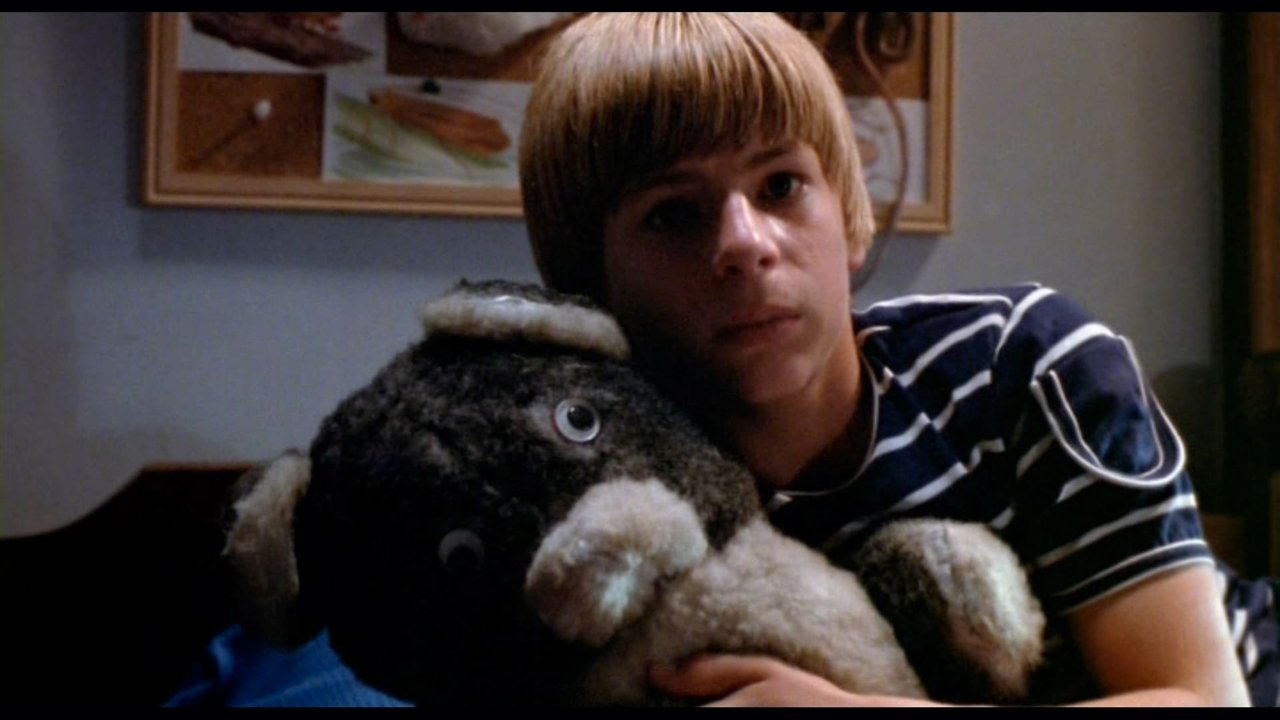
There’s a peculiar chill that settles in the back corners of memory when thinking about 1981’s The Pit. It’s not the sharp shock of a jump scare, but the lingering unease of something fundamentally off. It begins with a boy, Jamie, played with unsettling detachment by Sammy Snyders. He’s not like the other kids. Socially inept, disturbingly obsessed with girls just beyond his age, his only real companion is a worn teddy bear named Teddy, to whom he whispers his darkest thoughts. This setup alone feels like the seed of a bleak, psychological drama, a descent into adolescent alienation that could curdle the blood on its own.
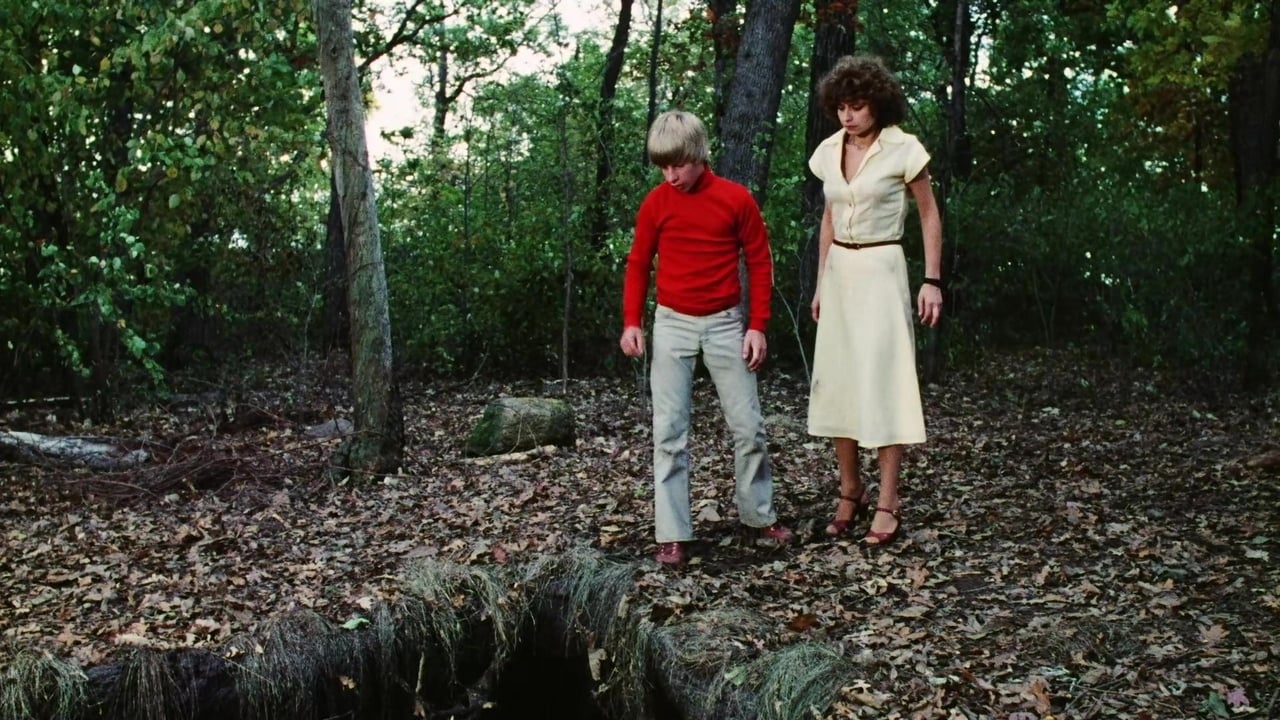
And perhaps, once upon a time, it was meant to be just that. The whispers around The Pit’s creation speak of an original script titled "Teddy," a stark character study devoid of lurking monsters. Producer interference, fueled perhaps by the Canadian tax shelter incentives of the era that often encouraged genre mashups, reportedly demanded something more marketable. Something with teeth. Thus, the pit – and its inhabitants – were born, grafted onto the existing narrative framework. This behind-the-scenes genesis haunts the final film, creating a bizarre, bifurcated experience where genuine character creepiness jostles awkwardly against B-movie creature feature tropes. That Teddy bear? It’s not just a prop; it’s an artifact from a different film, whispering secrets of what might have been.
### A Boy and His Abyss
Jamie stumbles upon a deep hole in the woods near his anonymous suburban town (actually filmed on location in Wisconsin). It’s a primal discovery, a literal abyss reflecting the darkness brewing within him. And inside? Creatures. Hairy, vaguely humanoid things with glowing eyes and sharp teeth, dubbed "Troglodytes" or simply "Trogs" by Jamie. His reaction isn't terror, but a strange kind of kinship. Guided by the seemingly sentient Teddy – is it hallucination, demonic influence, or just a manifestation of Jamie’s fractured psyche? – he begins to feed them. More disturbingly, he starts seeing the pit as a solution to his problems. Anyone who bullies him, mocks him, or rejects him... well, Jamie knows a place they can go. Doesn't that chillingly pragmatic turn from victim to predator still feel unnerving?
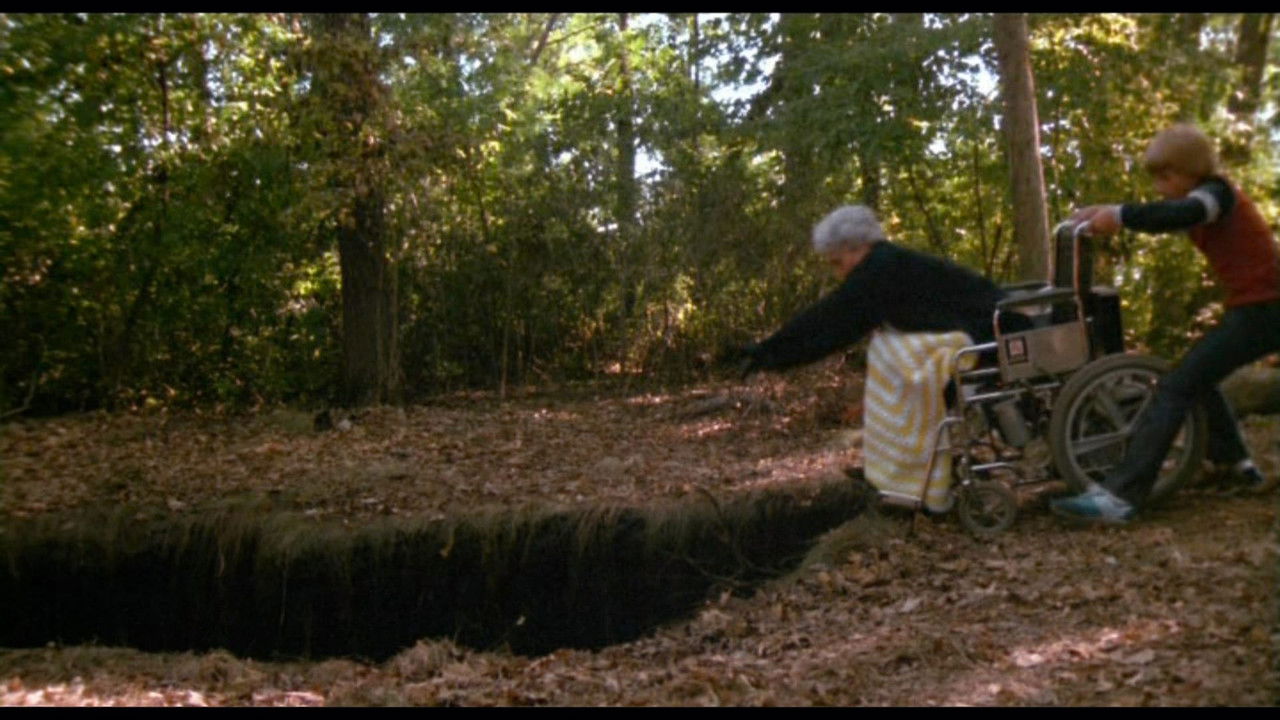
The practical effects used to bring the Trogs to life are pure early-80s low-budget magic. They’re obviously men in suits, yet there’s an earnestness to their design – shaggy, clumsy, but undeniably there – that feels more tangible, more viscerally unsettling in its own way than slick CGI ever could. Seeing them swarm over a victim tossed into their domain carries a grubby, unpleasant weight. Director Lew Lehman, working with limited resources (a budget reported around $958,000 CAD, roughly $2.8 million today), manages to make these sequences feel genuinely nasty, tapping into that primal fear of being overwhelmed and consumed.
### Small Town, Big Secrets
While the Trogs provide the overt horror, the film retains a layer of discomfort rooted in its human elements. Jamie's voyeurism, his interactions with his sympathetic babysitter Sandy (Jeannie Elias, who later found extensive success in voice acting), and his awkward attempts to woo the local librarian (Sonja Smits) carry a deeply uncomfortable charge. The townsfolk aren't much better; their casual cruelty towards the oddball Jamie feels depressingly real. The film paints a picture of suburban malaise where the monsters in the pit are almost secondary to the quiet ugliness simmering on the surface. It’s this unsettling blend that gives The Pit its unique, if uneven, flavour. It’s not just a monster movie; it’s a movie about a lonely, disturbed kid who finds monsters and weaponizes them.
The production's journey mirrors its oddball nature. Sammy Snyders, despite delivering a memorably creepy performance, largely disappeared from acting shortly after the film's release, adding another layer of minor tragedy to its history. Initial distribution was reportedly tricky, likely due to the film's tonal inconsistencies and taboo subject matter involving a child orchestrating murders. Yet, it found its audience, inevitably, on home video. Stumbling across that distinctive VHS cover art in a rental store – maybe the one with Jamie leering over the pit – felt like discovering forbidden fruit.
### Enduring Strangeness
The Pit isn’t a polished gem. Its seams show. The script, heavily altered from Ian A. Stuart's original vision, feels disjointed. The pacing lurches. Some performances outside the core cast are wooden. Yet, its sheer peculiarity is magnetic. It’s a film that tries to be several things at once – a psychological thriller, a creature feature, a dark coming-of-age story – and somehow, against the odds, creates something uniquely memorable, if deeply flawed. It captures that specific brand of early 80s horror weirdness where ambition often outstripped budget, and strange narrative choices felt almost commonplace.
Rating: 6/10
The score reflects a film that's undeniably clumsy and tonally bizarre, held back by its Frankensteined script and low budget. However, Sammy Snyders' genuinely unsettling performance, the sheer oddity of the premise, the effective practical creature effects (for their time), and its status as a quintessential weird VHS discovery elevate it beyond simple trash. It earns points for sheer audacity and lingering creepiness.
The Pit remains a fascinating anomaly, a testament to a time when horror films could be deeply strange, personal, and uncomfortable in ways that feel increasingly rare. It’s a grubby little film, but its darkness lingers, much like the memory of finding it tucked away on a dusty video store shelf, promising something truly weird within.