There's a palpable weight to the air in Avalon Bay, isn't there? Even before the first shadow stretches unnaturally long, before the glint of sharpened steel catches the moonlight, you feel it. 1981's The Prowler (or Rosemary's Killer, depending on which slightly battered VHS box you stumbled across in the rental store) doesn't waste time with pleasantries. It plunges you headfirst into a simmering dread, a leftover chill from a crime committed decades prior, now threatening to resurface with brutal finality.
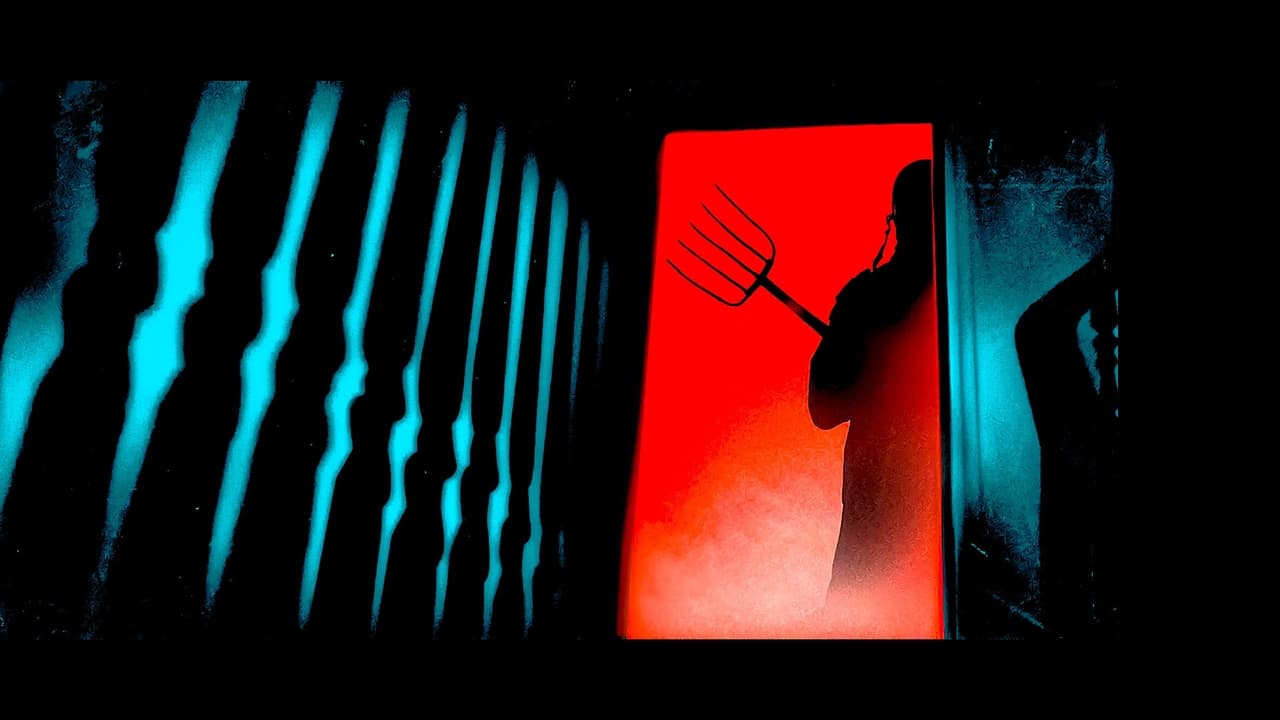
Directed by Joseph Zito, who would later helm the surprisingly grim Friday the 13th: The Final Chapter, The Prowler feels like a distillation of the early '80s slasher ethos. It’s lean, mean, and carries an atmosphere thick with unspoken anxieties. The setup is classic: a jilted soldier returns from WWII in 1945, finds his girl Rosemary with another man at the graduation dance, and promptly murders them both with a pitchfork. Fast forward 35 years, the town is finally holding another graduation dance, and wouldn't you know it, someone clad in remarkably well-preserved WWII combat fatigues starts stalking and slaughtering the local teens.
### Dressed to Kill
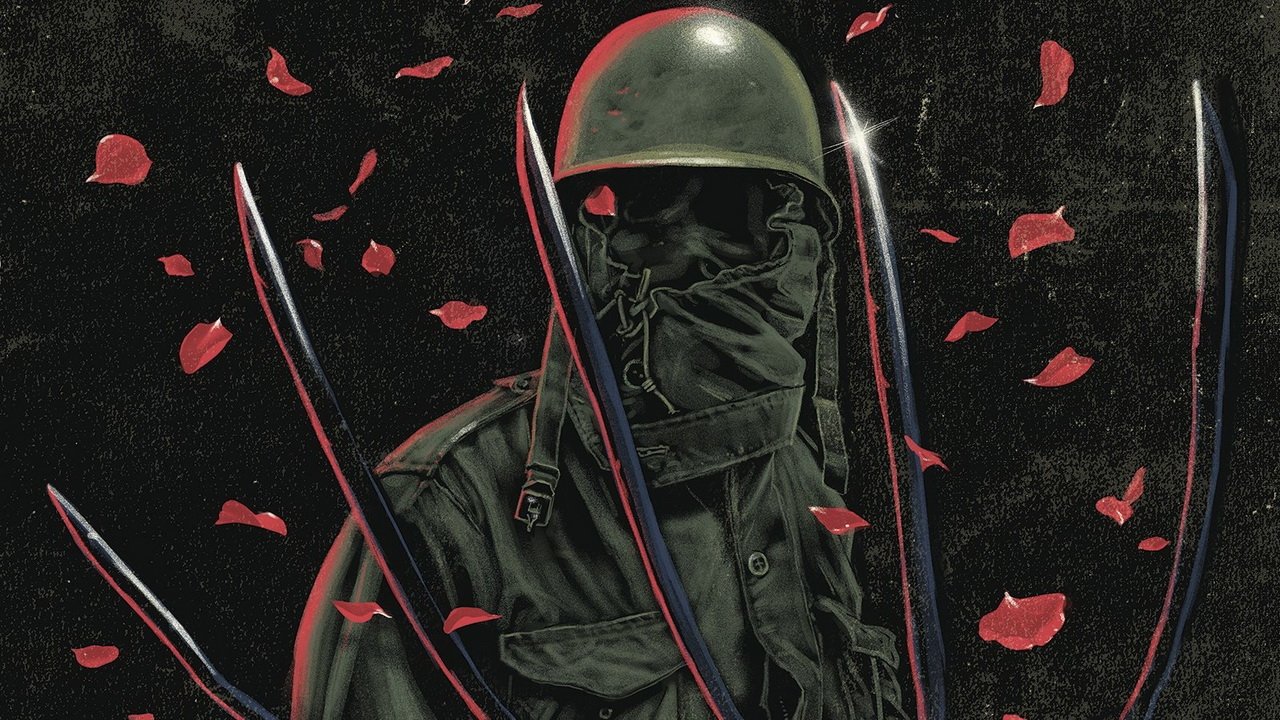
The effectiveness of The Prowler hinges significantly on its killer. Cloaked head-to-toe in military gear, his face obscured, he’s less a character and more a relentless force, an embodiment of past trauma made lethally present. There’s something genuinely unsettling about that silhouette moving through the darkened grounds of the college, the heavy boots echoing on pathways where carefree students should be celebrating. It taps into that primal fear of the unknown, the faceless threat that could be anyone. The choice of weaponry – primarily a bayonet and that infamous pitchfork – feels viciously personal, far removed from the almost detached efficiency of Michael Myers's chef knife. These are tools designed for close, gruesome work.
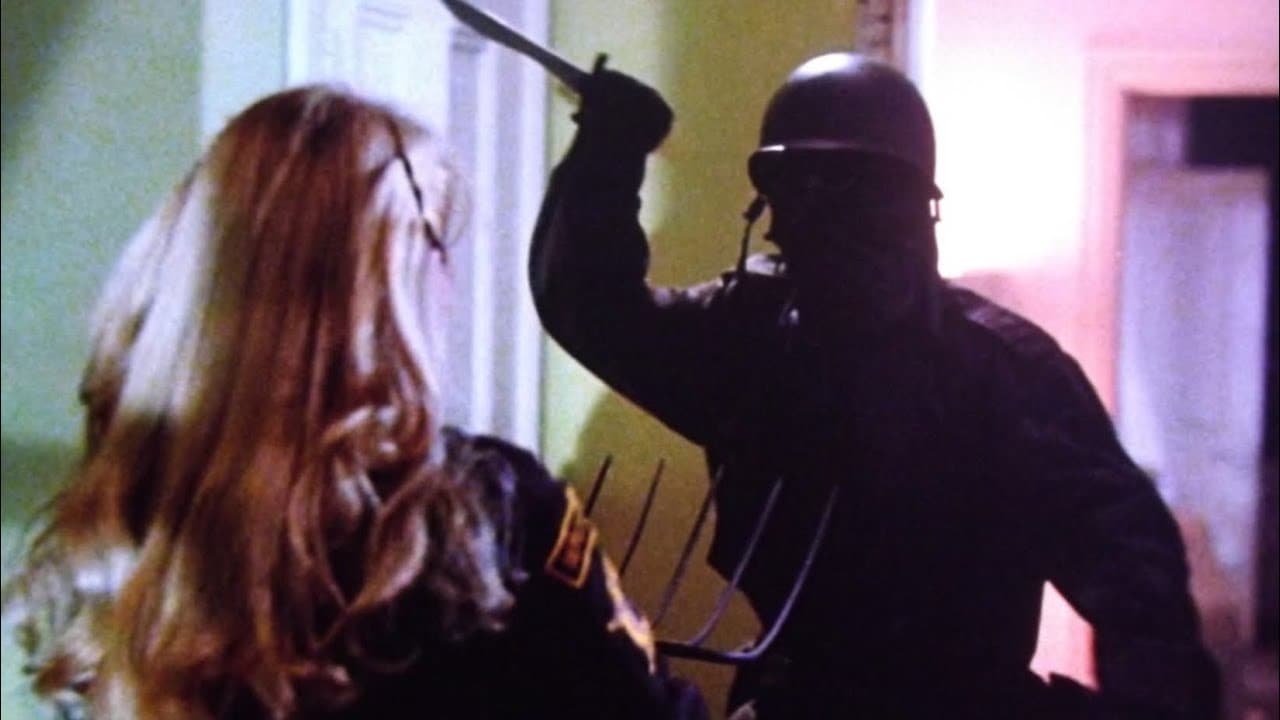
And gruesome work is precisely what The Prowler delivers, thanks to the legendary Tom Savini. Fresh off his groundbreaking effects for Friday the 13th and Dawn of the Dead, Savini considered his work here some of his absolute best, and frankly, it’s hard to argue. Forget the quick cuts and implied violence of some contemporaries; The Prowler showcases Savini’s artistry in unflinching, often stomach-churning detail. The headshot via bayonet, the infamous shower impalement, the pitchfork finale... these aren't just kills; they're practical effects masterpieces that felt shockingly real on grainy VHS tapes back in the day. Savini reportedly used techniques like breakaway skull caps filled with fake blood and brains, and custom-built rigs to achieve the visceral impact. It's the kind of explicit gore that earned the film notoriety and a prime spot on the UK's "video nasty" list, leading to significant cuts for its initial release there. Seeing the uncut version felt like discovering forbidden knowledge. Doesn't that meticulous, almost loving attention to gore still feel uniquely unsettling?
### Atmosphere Over Intricacy
Let's be honest, the plot isn't weaving any complex tapestries. It follows the slasher formula fairly closely: establish the threat, introduce the young victims (mostly interchangeable, save for our resourceful final girl Pam, played with conviction by Vicky Dawson), and pick them off one by one until the final confrontation. Character development is minimal, and the dialogue serves primarily to move things from one tense sequence to the next. Christopher Goutman provides a serviceable male lead as Deputy Mark London, and the intimidating presence of screen veteran Lawrence Tierney (known for his tough-guy roles and notorious off-screen reputation) as Major Chatham adds a layer of potential misdirection and grizzled authority. Tierney, ever the professional despite his fiery persona, apparently delivered his lines exactly as written, adding a grounded element amidst the escalating carnage.
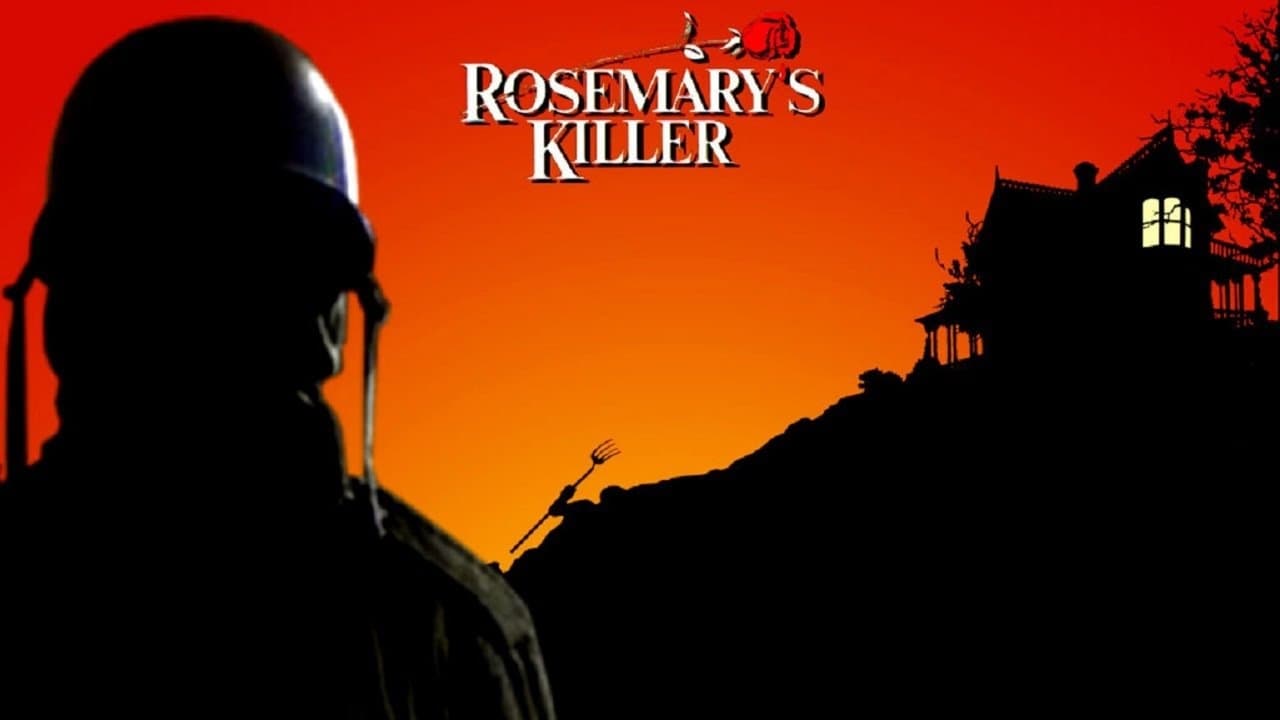
But where The Prowler excels is in its sustained mood. Zito uses the charmingly dated setting of Cape May, New Jersey (standing in for Avalon Bay) to great effect. The old houses, the slightly faded boardwalk charm, the darkened dormitories – they all contribute to a sense of encroaching menace. The score, a mix of suspenseful strings and jarring stingers typical of the era, effectively punctuates the tension. Zito builds suspense methodically, using point-of-view shots and long takes that follow potential victims, making the audience complicit in the voyeurism before the inevitable, bloody payoff. It’s a film that understands the power of silence and shadow as much as it understands the impact of a well-executed gore effect.
### Lasting Wounds
While perhaps lacking the iconic status of Halloween or the franchise longevity of Friday the 13th, The Prowler remains a high-water mark for graphic violence within the golden age of slashers. Its reputation rests squarely on Savini's incredible work and Zito's competent, atmosphere-driven direction. It might not be sophisticated, and some of the acting might creak under scrutiny today, but its power to shock and disturb remains potent. My own well-worn tape, probably a third-generation dub back in the day, always seemed to amplify the griminess, the low-budget grit somehow enhancing the visceral horror. It felt dangerous.
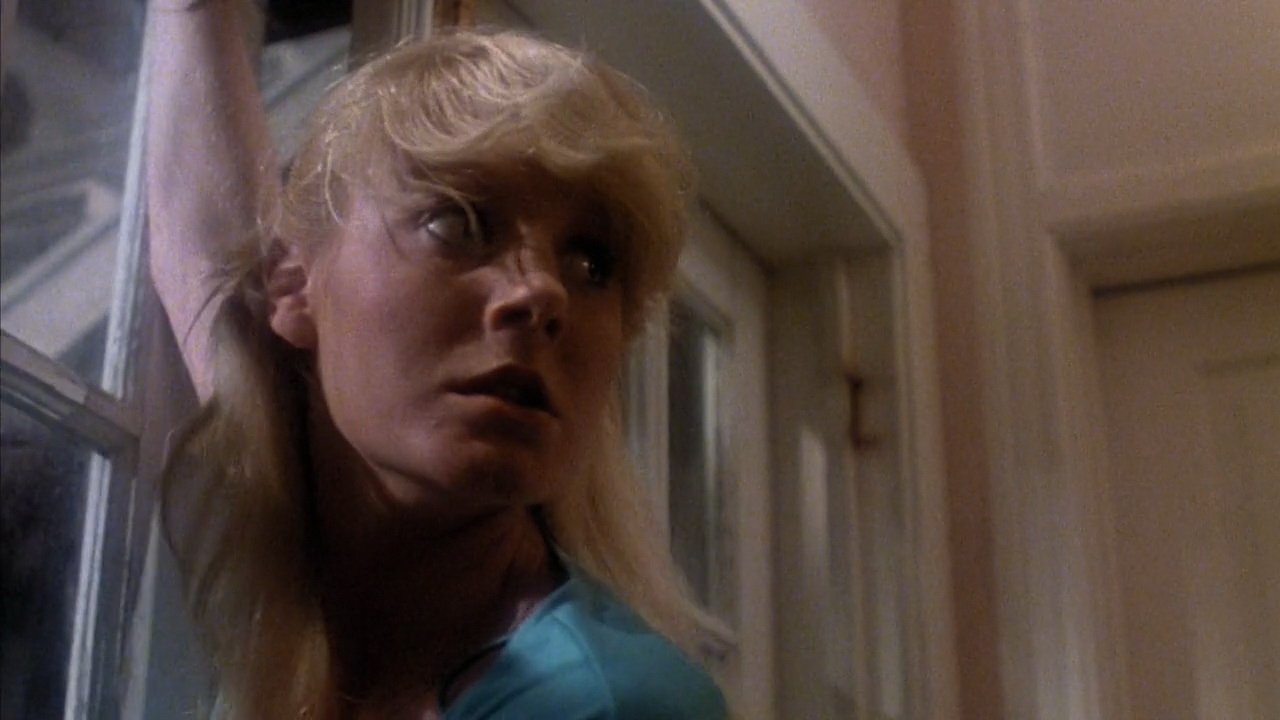
It’s a film that understands its purpose: to create tension, deliver shocks, and showcase some of the most impressive practical gore effects of its time. It doesn't aspire to deep thematic resonance, but it achieves its visceral goals with brutal efficiency.
Rating: 7/10
The Prowler earns its score through sheer audacity and technical prowess in the gore department, coupled with genuinely effective suspense and atmosphere. It’s held back slightly by a standard slasher plot and some thin characterizations, but Tom Savini's legendary effects elevate it far above mere imitation. This is a must-see for fans of golden age slashers and practical effects artistry, a grim little gem that still packs a surprising punch. For many of us who caught it late at night on a flickering CRT, the image of that soldier emerging from the shadows remains chillingly unforgettable.