It started with a message in a bottle, flung into the cosmic ocean. Launched aboard the Voyager 2 spacecraft in 1977, the Golden Record carried greetings, sounds, and images from Earth, an invitation whispered into the void. Few likely expected a response, let alone one arriving just seven years later, not with a polite RSVP, but with a fiery crash landing in rural Wisconsin. That's the captivating premise of Starman (1984), a film that stands as a unique, shimmering anomaly in the filmography of its director and a genuinely touching entry in the annals of 80s sci-fi.
### Not Your Typical Carpenter
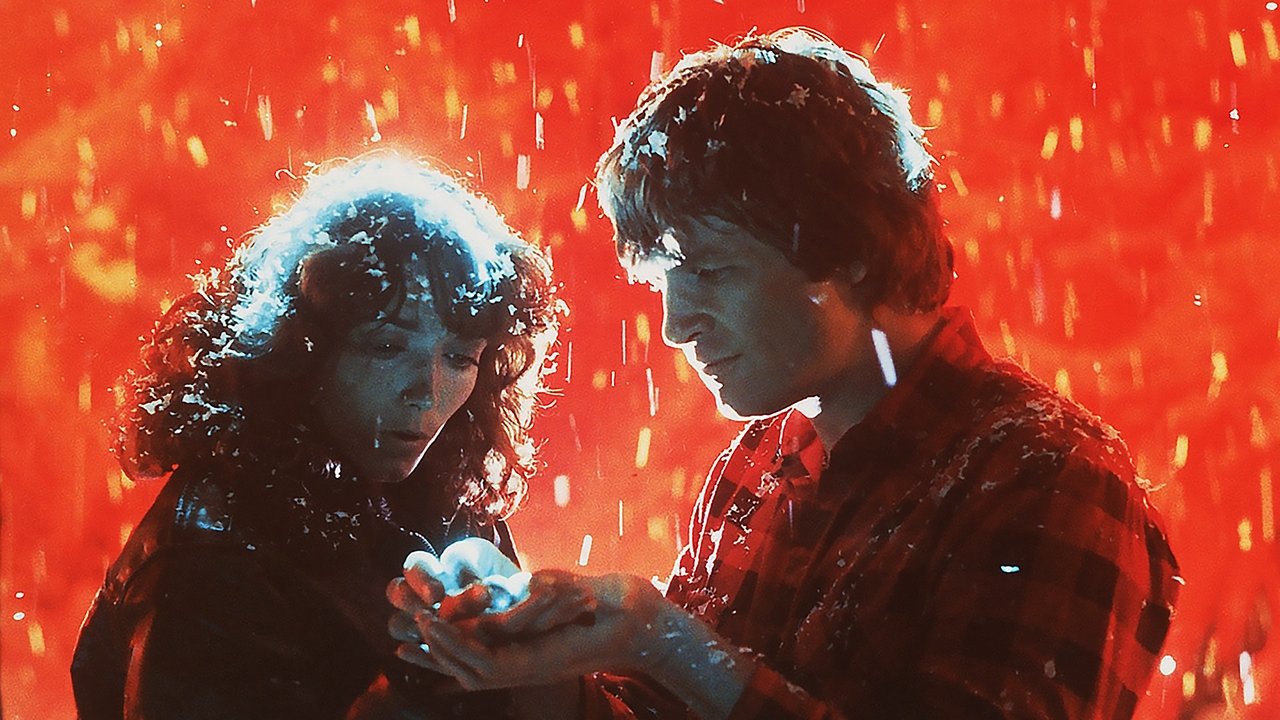
When the name John Carpenter flashes on screen, conditioned reflexes might brace you for dread, synth scores dripping with menace, perhaps a Shape lurking in the shadows or an otherworldly horror testing the limits of practical effects, like in his masterpieces Halloween (1978) or The Thing (1982). But Starman? This was different. Emerging after the unjustly cool reception The Thing received, Carpenter took the helm of a project Columbia Pictures had been nursing, one initially seen as their answer to Universal's impending E.T. the Extra-Terrestrial. While E.T. captured the wonder of childhood discovery, Starman, penned by Bruce A. Evans and Raynold Gideon, offered something more mature: a sci-fi road trip wrapped around a burgeoning, utterly unique romance. It proved Carpenter could handle vulnerability and warmth just as masterfully as suspense, coaxing out career-defining performances and crafting a film with a gentle, beating heart.
### An Otherworldly Performance for the Ages
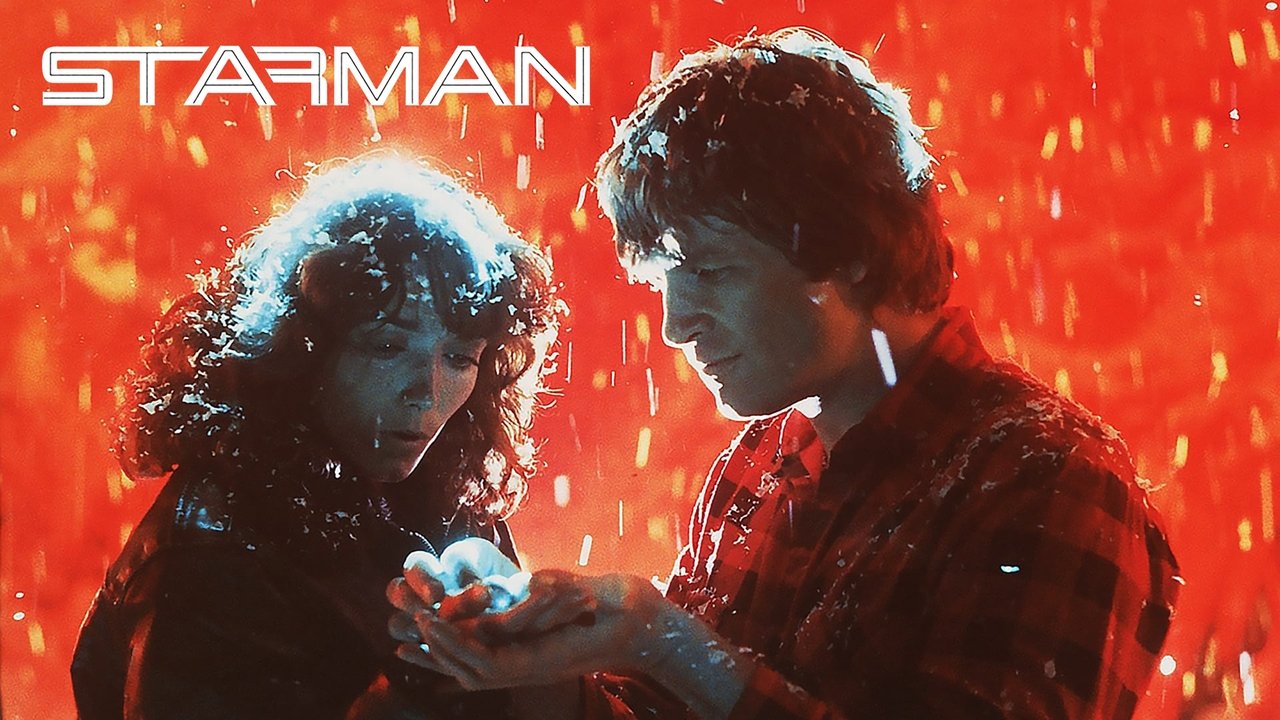
The alien entity (never named, simply "Starman") clones the recently deceased husband of Jenny Hayden (Karen Allen), using a lock of hair she kept as a memento. Enter Jeff Bridges. Tasked with portraying a being learning human locomotion, language, and emotion from scratch, Bridges delivered a performance that remains breathtaking. It’s a physical marvel – the jerky, bird-like head tilts, the initially robotic gait slowly smoothing into something human, the linguistic journey from mimicking phrases to expressing complex thought. It’s easy to see how this could have tipped into caricature, but Bridges imbues the Starman with such profound innocence, curiosity, and burgeoning empathy that it becomes utterly magnetic. His efforts didn't go unnoticed; Bridges earned a well-deserved Academy Award nomination for Best Actor, a rare feat for a genre film at the time. Reportedly, he worked extensively with a choreographer to nail the Starman's distinct physicality, moving beyond simple imitation to create something truly alien yet deeply relatable.
Opposite him, Karen Allen, still radiating the warmth and resilience audiences loved from Raiders of the Lost Ark (1981), provides the crucial human anchor. Her journey from terror and grief to tentative trust and finally deep affection is the film's emotional core. Witnessing Jenny teach the Starman about love, loss, and simple human pleasures (like cherry pie) is genuinely moving. The chemistry between Allen and Bridges is palpable, selling a romance that, on paper, sounds utterly bizarre but on screen feels earned and surprisingly powerful. Supporting player Charles Martin Smith (who audiences might remember from American Graffiti (1973)) also shines as SETI scientist Mark Shermin, the sympathetic government man caught between duty and wonder.
### More Than Just Sci-Fi Effects
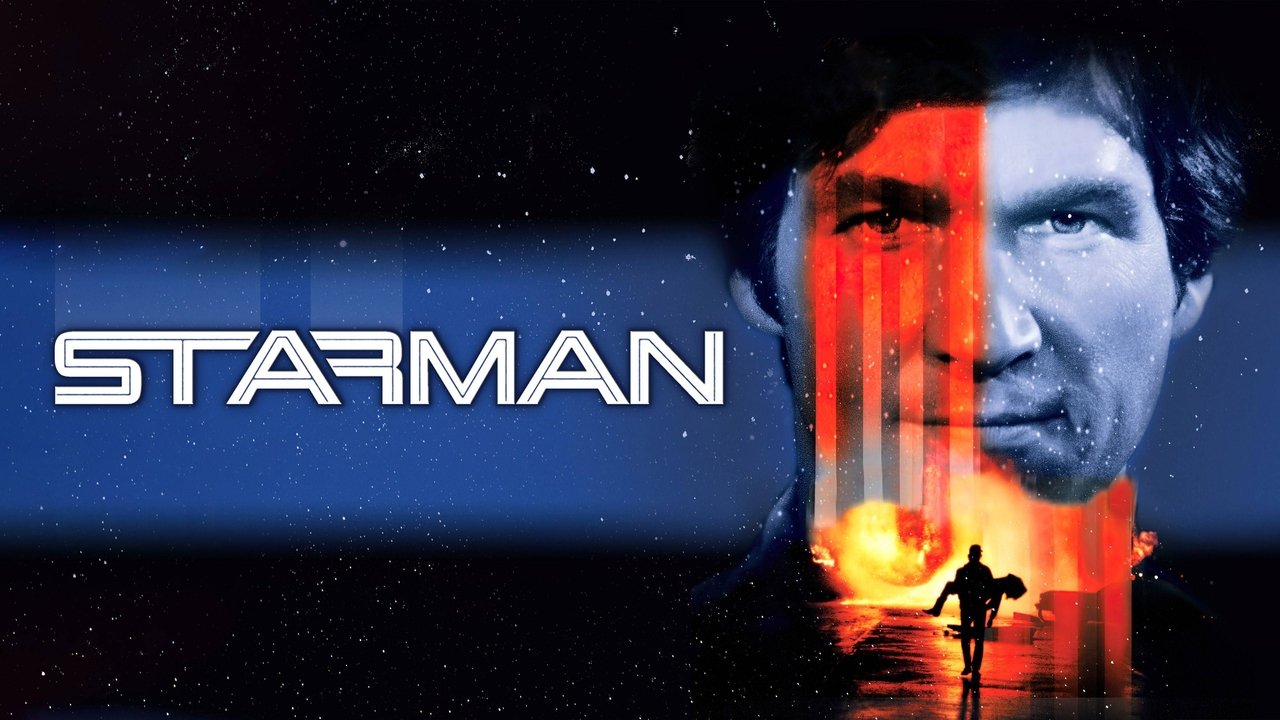

While Starman features some lovely, understated visual effects for its time – the shimmering energy of the alien entity, the small silver spheres possessing mysterious powers – its real magic lies less in spectacle and more in its intimate focus. The transformation sequence where the Starman grows from infant to adult form is a memorable piece of practical effects wizardry from legends Rick Baker, Stan Winston, and Dick Smith, but the film wisely keeps the fantastical elements grounded. This isn't about laser battles or intergalactic conflict; it's about connection. The iconic scene where the Starman resurrects a deer, grappling with the concept of death, is filled with quiet awe. His simple declaration, "I gave back," resonates deeply. The road trip structure, a classic American film trope, works beautifully here, forcing Jenny and the Starman into close proximity, allowing their relationship and his understanding of our world to blossom against a backdrop of diners, gas stations, and scenic vistas across states like Tennessee and Arizona.
### Retro Fun Facts: Behind the Starlight
- The script for Starman floated around Hollywood for years before landing with Carpenter. Several directors were attached at various points.
- The film's budget was around $22 million, and it brought in a respectable $28.7 million domestically. While not a blockbuster on the scale of E.T., it found its audience and critical appreciation, currently holding a solid 7.0 on IMDb and an impressive 86% on Rotten Tomatoes.
- Jack Nitzsche, known for scoring films like One Flew Over the Cuckoo's Nest (1975), composed the lush, romantic score, a departure from Carpenter's usual self-composed electronic work, perfectly complementing the film's emotional tone.
- The film spawned a short-lived television series in 1986, starring Robert Hays (yes, Ted Striker from Airplane! (1980)) as the returning Starman, continuing his journey and search for his son. It captured some of the original's spirit but faded fairly quickly.
- Remember those little silver spheres the Starman uses? They were apparently quite simple props, but imbued with a sense of power through lighting and sound design – classic filmmaking ingenuity.
### A Gentle Gem From the VHS Shelf
Watching Starman today feels like revisiting a cherished, slightly melancholic memory. It lacks the cynicism found in much modern sci-fi, opting instead for earnest emotion and quiet wonder. It asks gentle questions about what it means to be human, seen through the eyes of an outsider who learns our ways with captivating curiosity. For many of us rummaging through those video store aisles in the mid-80s, Starman might have been a surprising discovery – a Carpenter film that wasn't scary, a sci-fi story focused on feelings. It holds up beautifully, its themes universal, its performances timeless. It’s the kind of film that might make you look up at the stars differently, pondering that initial invitation sent out on Voyager.
Rating: 9/10
This score reflects the film's enduring heart, Jeff Bridges' truly exceptional and Oscar-nominated performance, Karen Allen's grounded warmth, and John Carpenter's surprisingly tender direction. It successfully blends sci-fi wonder with genuine romance, creating something unique and memorable that overcomes minor plot contrivances with sheer emotional honesty. It's a standout film from the era.
Starman remains a poignant, beautifully crafted piece of 80s cinema – a reminder that sometimes the greatest adventures are journeys of the heart, even when one heart belongs to the stars. A true VHS Heaven classic.