Here we go, digging into a film that feels less like a movie and more like a fever dream captured on celluloid, a raw nerve exposed against the backdrop of Paris. We're talking about Leos Carax's notorious and breathtaking The Lovers on the Bridge (1991) (Les Amants du Pont-Neuf), a film whose creation was almost as tumultuous and boundary-pushing as the love story it depicts. Finding this one on the video store shelf back in the day felt like uncovering something forbidden, something potent and maybe even a little dangerous.
### Born from Chaos, Forged in Obsession
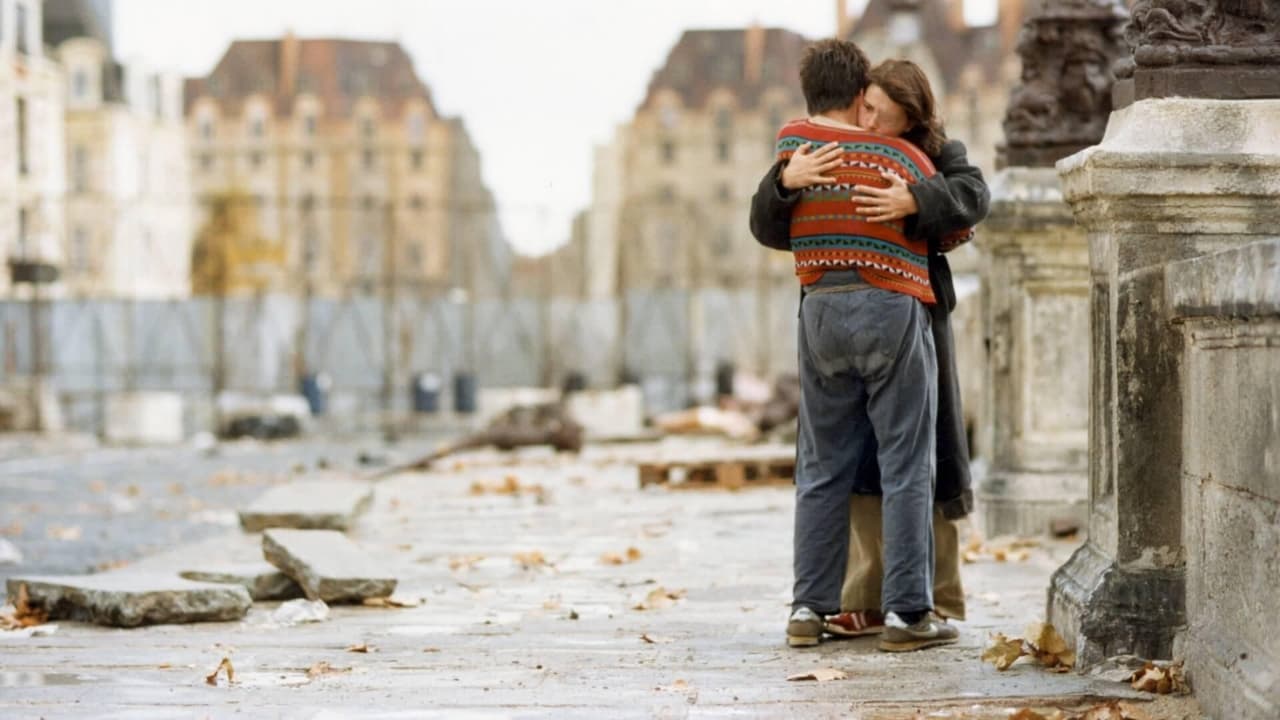
It’s almost impossible to discuss The Lovers on the Bridge without first acknowledging its legendary, troubled production. What started as a plan to shoot guerilla-style on the actual Pont Neuf bridge spiraled into one of French cinema's most expensive and delayed productions. When permits fell through, Carax, with astonishing (some might say reckless) ambition, opted to build a massive, detailed replica of the bridge and its surrounding neighborhood in the South of France. This decision ballooned the budget to a reported $28 million (around $63 million today!), leading to funding collapses, filming halts stretching over years, and immense pressure. Knowing this backstory doesn't just add trivia; it fundamentally colours the viewing experience. The film feels expensive, not necessarily in gloss, but in the sheer scale of its visual poetry and the palpable weight of the obsession behind it. You see the money, the sweat, and maybe even the madness right there on screen.
### A Love Story on the Edge

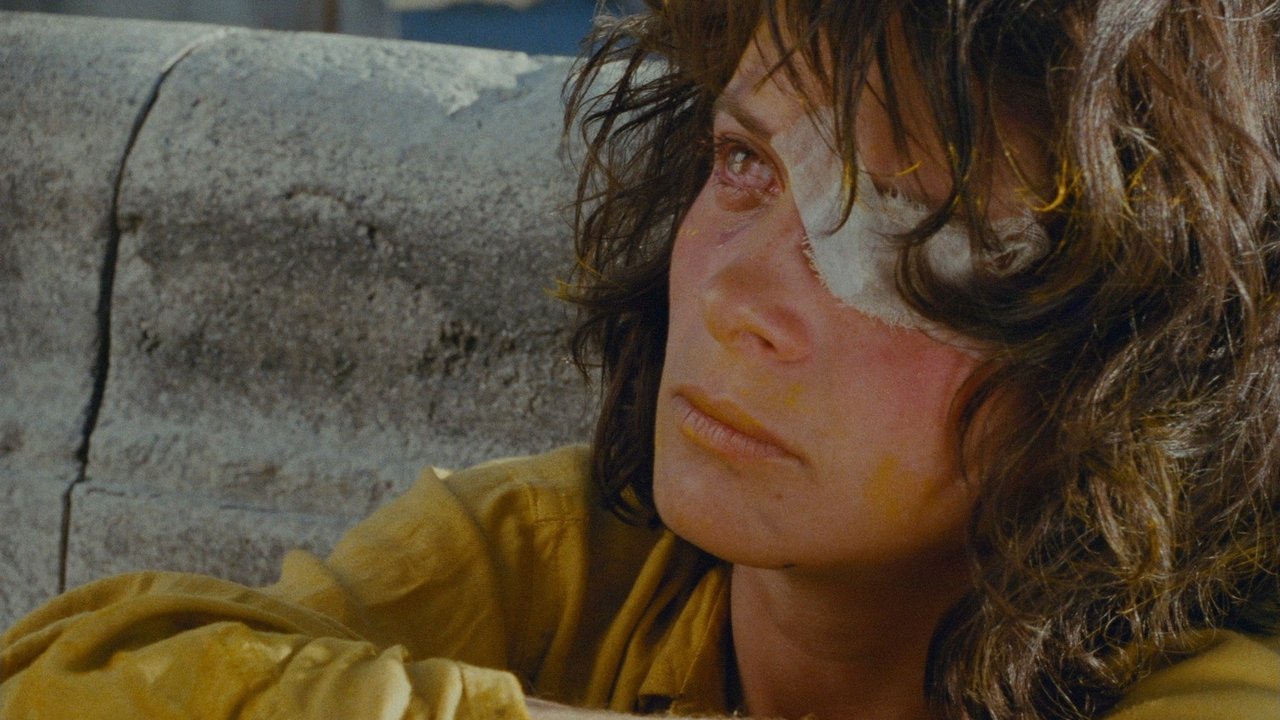
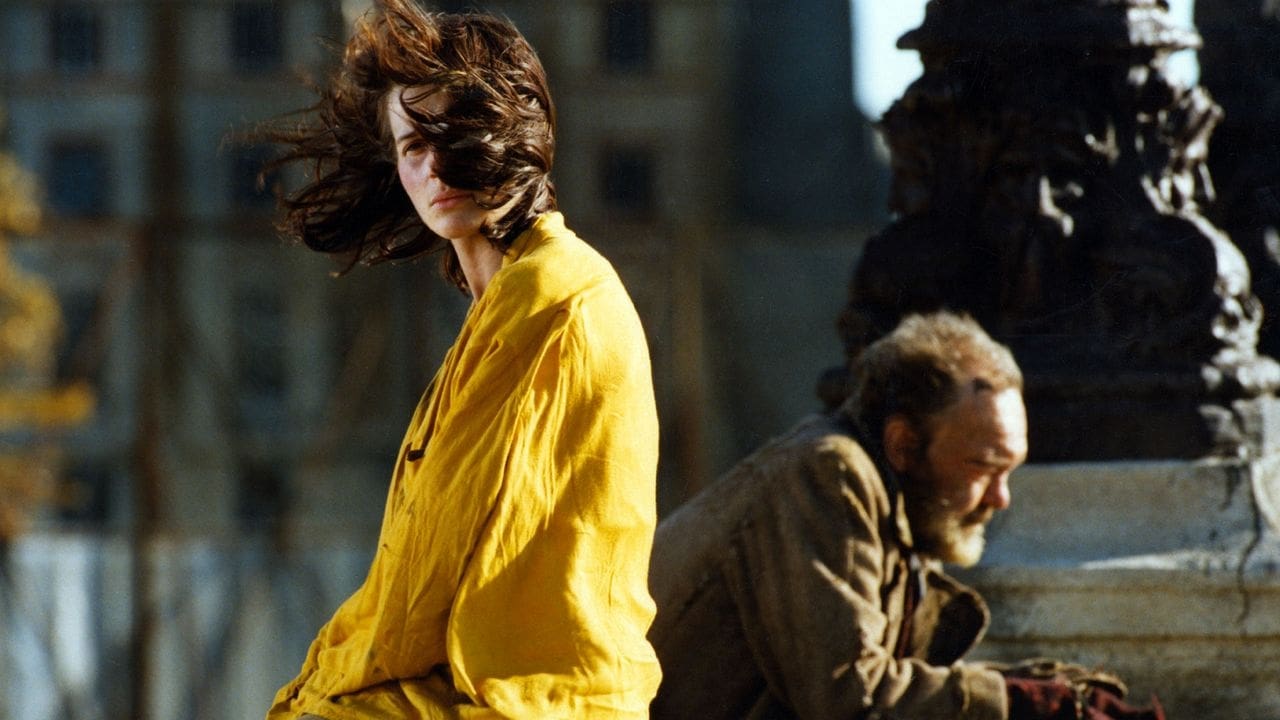
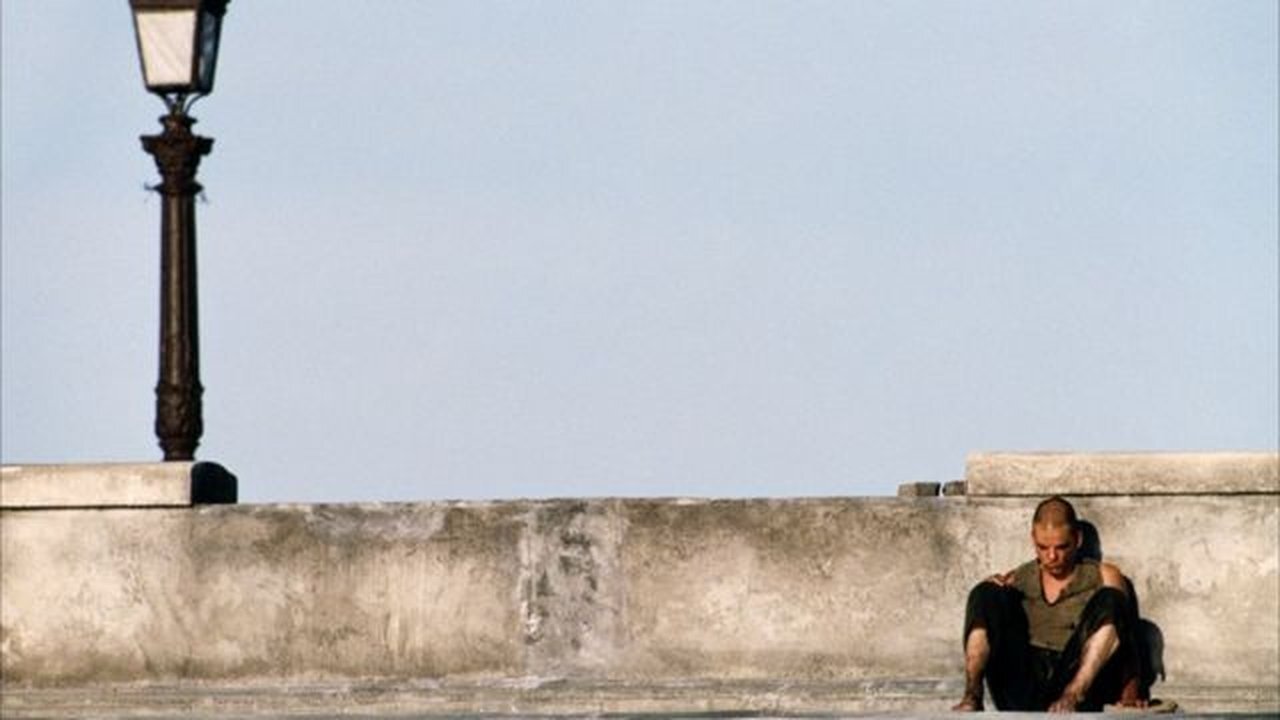
The film centers on Alex (Denis Lavant), a homeless street performer—a fire-eater, acrobat, and addict—living rough on the closed-for-renovations Pont Neuf. His solitary, precarious existence is shattered by the arrival of Michèle (Juliette Binoche), a painter fleeing a failed relationship and grappling with a degenerative eye condition that is stealing her sight. Their connection isn't a meet-cute; it's a collision of desperate souls clinging to each other for warmth, survival, and a fleeting sense of belonging in a world that has discarded them.
The performances here are nothing short of extraordinary, demanding immense physical and emotional commitment. Denis Lavant, a frequent Carax collaborator known for his startling physicality (think Beau Travail (1999) or his later appearance in Carax's Holy Motors (2012)), is simply astonishing as Alex. He moves with a feral grace, conveying volumes through contorted gestures, sudden bursts of violence, and moments of unexpected tenderness. It's a performance that feels less like acting and more like inhabiting a raw state of being.
Juliette Binoche, already an established star thanks to films like The Unbearable Lightness of Being (1988), is equally fearless. She sheds any glamour to embody Michèle's vulnerability, quiet desperation, and artistic spirit flickering against encroaching darkness. There's a story that Binoche spent time living amongst the homeless in Paris to prepare, and that dedication shines through. The chemistry between Lavant and Binoche is electric, volatile, and utterly convincing. It's a love fueled by dependency and desperation as much as affection, making it uncomfortable yet deeply compelling.
### Visual Splendor Amidst the Squalor
Carax isn't interested in tidy narratives or conventional romance. He paints with bold, expressionistic strokes, juxtaposing the grime and squalor of his characters' lives with moments of breathtaking cinematic beauty. Cinematographer Jean-Yves Escoffier captures both the harsh realities of the street and these heightened sequences with equal power. The scene where Alex and Michèle dance wildly on the bridge, silhouetted against a spectacular Bastille Day fireworks display (reportedly staged entirely for the film), is an iconic moment of pure, untethered ecstasy. Similarly, the infamous water-skiing sequence down the Seine—during which Binoche apparently almost drowned and Lavant severely injured his thumb, halting production yet again—is a surge of impossible, dreamlike energy.
These moments aren't just stylistic flourishes; they feel like eruptions from the characters' damaged inner lives, brief escapes into a reality more vibrant and alive than their grim circumstances allow. Does this blend of raw realism and operatic fantasy always cohere? Perhaps not perfectly, but its audacity is undeniable. It forces us to question where the line between love and obsession lies, and what beauty can be found even in the depths of despair.
### A Bridge Too Far, Or Just Far Enough?
Watching The Lovers on the Bridge again, decades after its tumultuous arrival, it still feels potent, challenging, and unique. It’s not an easy watch. The characters’ self-destructive tendencies, the film’s sprawling runtime (originally even longer before cuts), and its sheer emotional intensity can be demanding. It asks a lot of its audience, refusing easy answers or comfortable resolutions. I remember renting the VHS, probably from a slightly dusty 'World Cinema' section, and feeling bewildered but also exhilarated by its sheer, unbridled passion. It wasn't like the Hollywood romances or action flicks dominating the shelves; it felt like a transmission from another, more intense reality.
The film’s production struggles, while fascinating, ultimately serve the final piece. The sense of scale, the lived-in detail of the reconstructed bridge, the years etched onto the actors' faces—it all contributes to a film that feels less constructed and more excavated. It's a testament to a singular artistic vision pursued against staggering odds.
Rating: 8.5/10
This score reflects the film's undeniable artistic power, the breathtaking performances, and its unforgettable visual moments. It’s a landmark of obsessive filmmaking, raw and beautiful in equal measure. The slight deduction acknowledges that its demanding nature and narrative detours might not connect with everyone, making it less of a universal crowd-pleaser and more of a cult masterpiece for those willing to meet it on its own uncompromising terms.
What lingers most isn't just the spectacle, but the haunting image of two damaged souls finding a fleeting, savage sanctuary on a bridge suspended between the city lights and the dark water below. It's a film that doesn't just show love; it throws you headfirst into its chaotic, desperate, and sometimes beautiful heart.