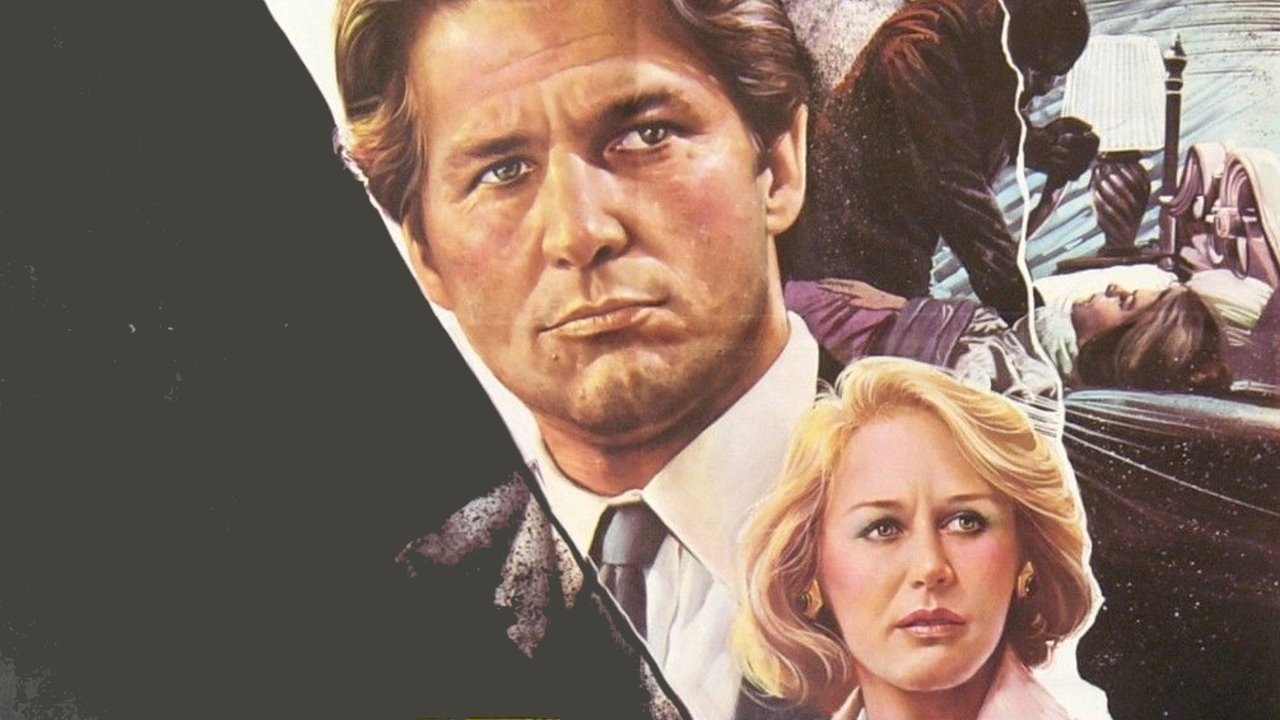
The central question hangs heavy long after the credits roll, doesn't it? With Jagged Edge, the 1985 courtroom thriller penned by the often-incendiary Joe Eszterhas (Basic Instinct, Showgirls), the ambiguity isn't just a plot device; it’s the very air the film breathes. Did charming newspaper magnate Jack Forrester (Jeff Bridges) brutally murder his wife, or is he the victim of a ruthless frame-up? Watching it again, decades after first sliding that Columbia Pictures VHS tape into the VCR, the tension feels just as palpable, perhaps even more so now, viewed through the lens of time and countless subsequent thrillers that tried, often less successfully, to replicate its chilling uncertainty.
### A Web of Doubt and Desire
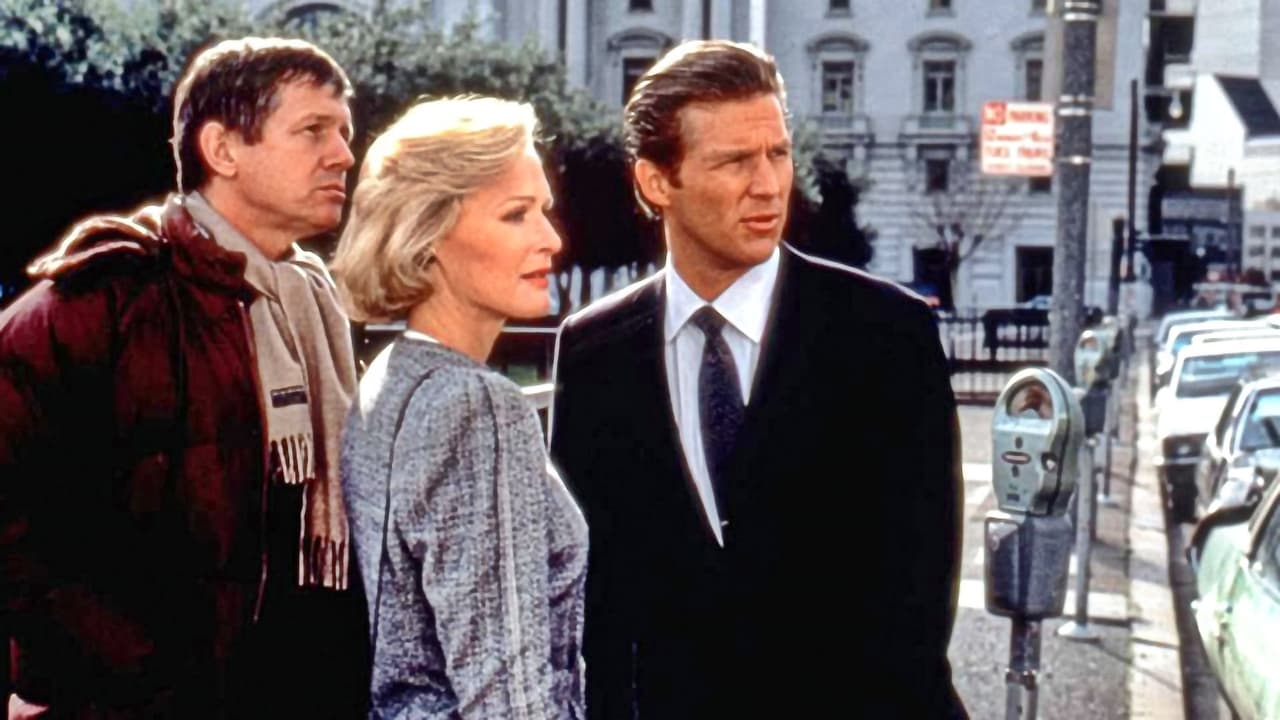
The setup is classic, noir-tinged courtroom drama. Teddy Barnes (Glenn Close), a sharp, principled defense attorney wary of the moral compromises of criminal law after a disastrous case involving the very prosecutor she now faces, reluctantly takes on Jack's defense. The evidence against him, wielded aggressively by District Attorney Thomas Krasny (Peter Coyote), seems damning. Yet, Jack's charisma is potent, his declarations of innocence persuasive, and soon, Teddy finds her professional detachment eroding, replaced by a dangerous, intoxicating attraction. It's this blurring of lines – between lawyer and client, evidence and emotion, truth and manipulation – that forms the razor-sharp core of the film. Richard Marquand, perhaps surprisingly fresh off directing the galaxy-spanning Return of the Jedi (1983), shifts gears dramatically here, proving adept at building claustrophobic tension within elegant San Francisco interiors and tense courtroom standoffs.
### The Performances: A Masterclass in Ambiguity
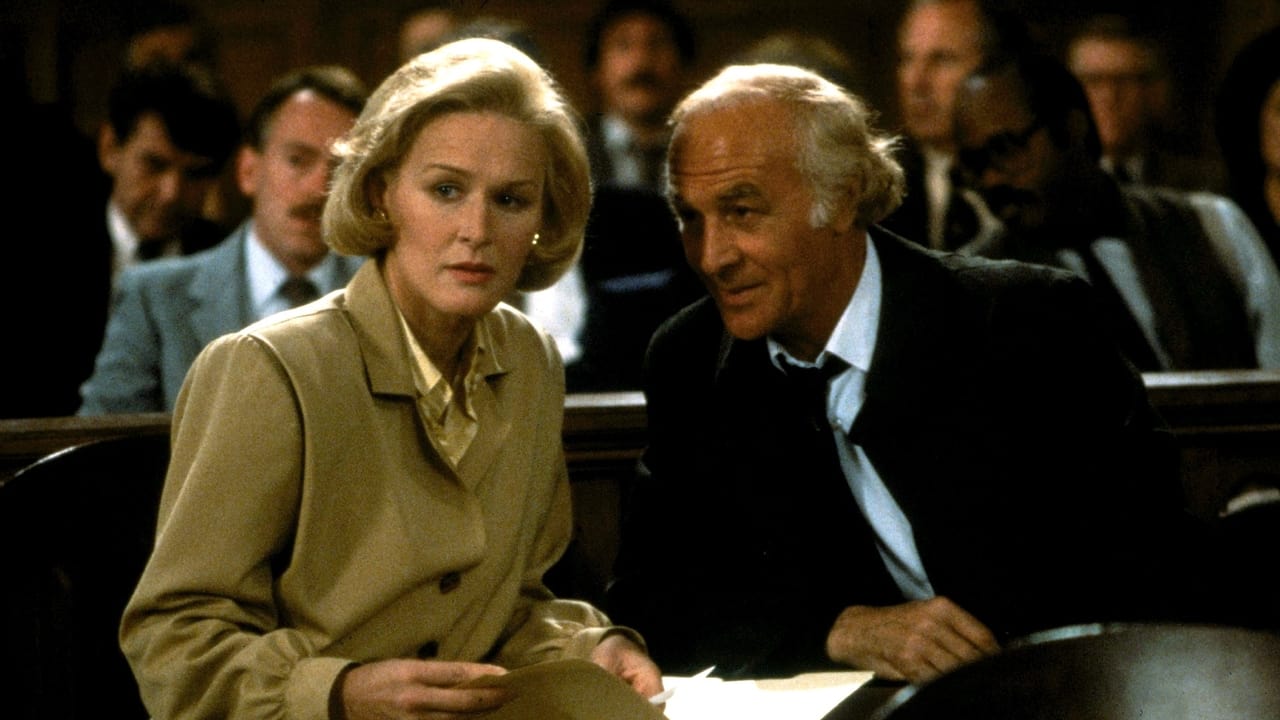
What truly elevates Jagged Edge beyond a standard legal procedural is the powerhouse acting, particularly from its two leads. Glenn Close, riding high from acclaimed roles in The World According to Garp (1982) and The Big Chill (1983), is simply outstanding as Teddy. She embodies the character's fierce intelligence and ethical struggle with a captivating vulnerability. You see the conflict warring within her – the trained legal mind meticulously analyzing facts, battling the gut feeling, the undeniable pull towards the man she's defending. It’s a performance built on subtle shifts in expression, the flicker of doubt in her eyes, the slight tremor in her voice. We feel her dilemma acutely; could we remain objective under such circumstances?
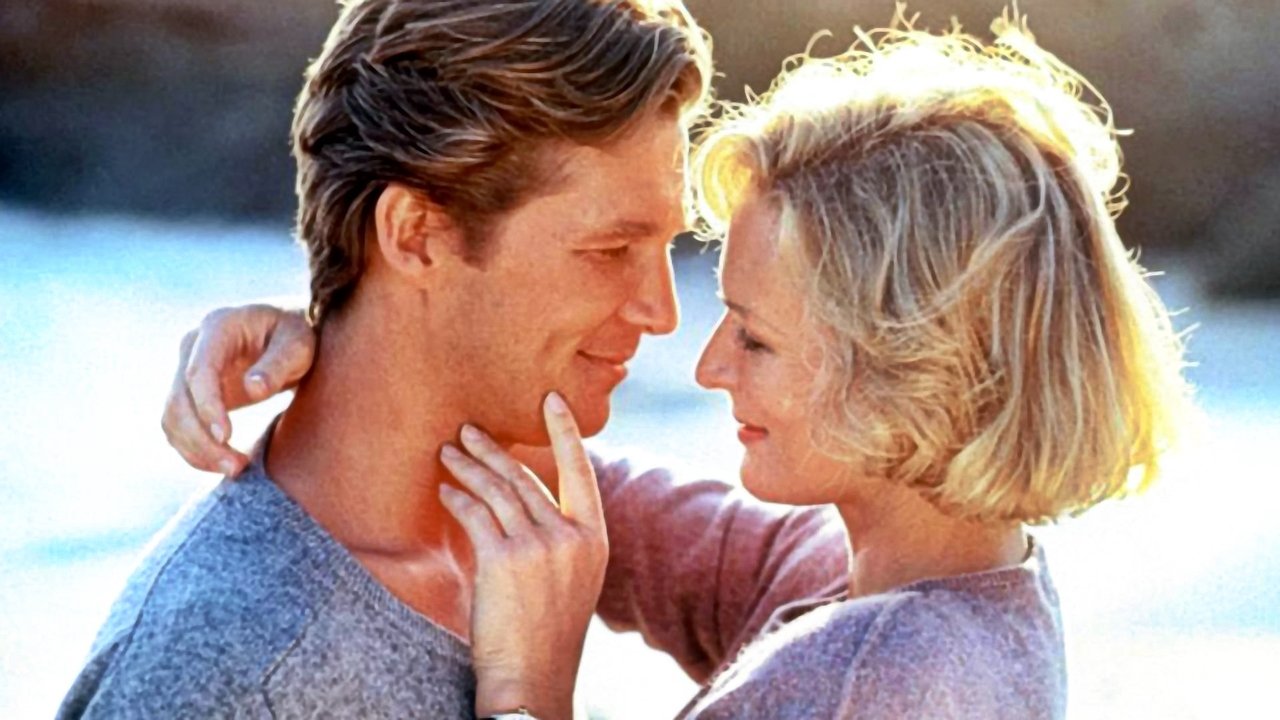
Opposite her, Jeff Bridges delivers one of the most fascinating performances of his career. Known often for his laid-back charm, here he weaponizes it. Is Jack Forrester a genuinely grieving husband, unfairly accused? Or is he a master manipulator, a sociopath hiding behind an affable, handsome mask? Bridges plays it right down the middle, flashing moments of vulnerability that feel utterly real, then shifting almost imperceptibly into something colder, more calculating. It's a testament to his skill that even by the film's end, residue of that uncertainty lingers. It's fascinating to know that initial studio thoughts reportedly leaned towards actors like Harrison Ford or Kevin Costner for Jack, but Bridges brought a specific, almost unsettling likeability that makes the central question so effective.
Supporting them, Peter Coyote is perfectly cast as the relentless prosecutor Krasny. He exudes a righteous certainty that borders on arrogance, embodying the impersonal machinery of the state convinced of Forrester's guilt. His courtroom clashes with Close are electric, fueled by a past professional grievance that adds another layer of personal stakes.
### Behind the Polished Surface
Joe Eszterhas reportedly sold his script for a hefty sum (around $250,000 back then – a significant amount for a spec script), and it showcases his penchant for slick plotting, sharp dialogue, and controversial sexual politics. While some aspects might feel dated now, the core mechanics of the mystery remain incredibly effective. The film doesn't rely on frantic action sequences; instead, its thrills are psychological, rooted in character and dialogue. Marquand uses the camera effectively, often employing close-ups that force us to scrutinize every flicker of emotion on the actors' faces, searching for the truth.
One iconic element, of course, is the recurring motif of the typewriter – specifically, an antique Corona model identified by a distinctive lowercase 't'. It becomes a crucial piece of physical evidence, a tangible link to the killer. The film cleverly uses this detail, turning an ordinary object into a symbol of potential guilt or innocence, its presence looming over the narrative. It’s a small detail, but one that sticks – the kind of specific, tactile clue that felt right at home in 80s thrillers. The film was a solid hit, pulling in over $40 million at the US box office against its estimated $15 million budget, proving audiences were hungry for this kind of adult-oriented, suspenseful drama.
### The Cut That Lingers
(Slight Spoilers Ahead for the Ending Sequence)
The film’s conclusion is perhaps its most debated aspect. Teddy, having secured an acquittal for Jack and seemingly given in to their mutual attraction, receives a chilling confirmation of his guilt. The final confrontation is brief, brutal, and leaves the audience breathless. There was reportedly some studio nervousness about the ending's darkness and ambiguity during production, but thankfully, Marquand and Eszterhas prevailed. It avoids neat resolutions, leaving Teddy – and the viewer – grappling with the terrifying realization of having been utterly deceived, of having let personal feelings cloud professional judgment with nearly fatal consequences. What does it say about our ability to truly know another person, especially when charm and attraction are involved? The question echoes long after the screen goes dark.
---
Rating: 8/10
Jagged Edge stands as a high-water mark for the 80s courtroom thriller. Its power lies not just in its well-crafted mystery, but in the superb, nuanced performances from Glenn Close and Jeff Bridges, who make the central relationship utterly compelling and deeply unsettling. While some elements feel distinctly of their time, the core tension, the exploration of doubt versus desire, and the chilling ambiguity remain remarkably potent. It’s a film that trusts its audience to grapple with difficult questions, anchored by Marquand's taut direction and Eszterhas's sharp (if provocative) script. It earns its rating through sheer suspense, masterful acting, and an ending that refuses easy answers, staying with you like a nagging uncertainty.
Final Thought: It’s a stark reminder, wrapped in glossy 80s production values, that sometimes the most dangerous edges are the ones hidden beneath the most appealing surfaces. Did you guess right back in the day?