### The Allure of the Tell
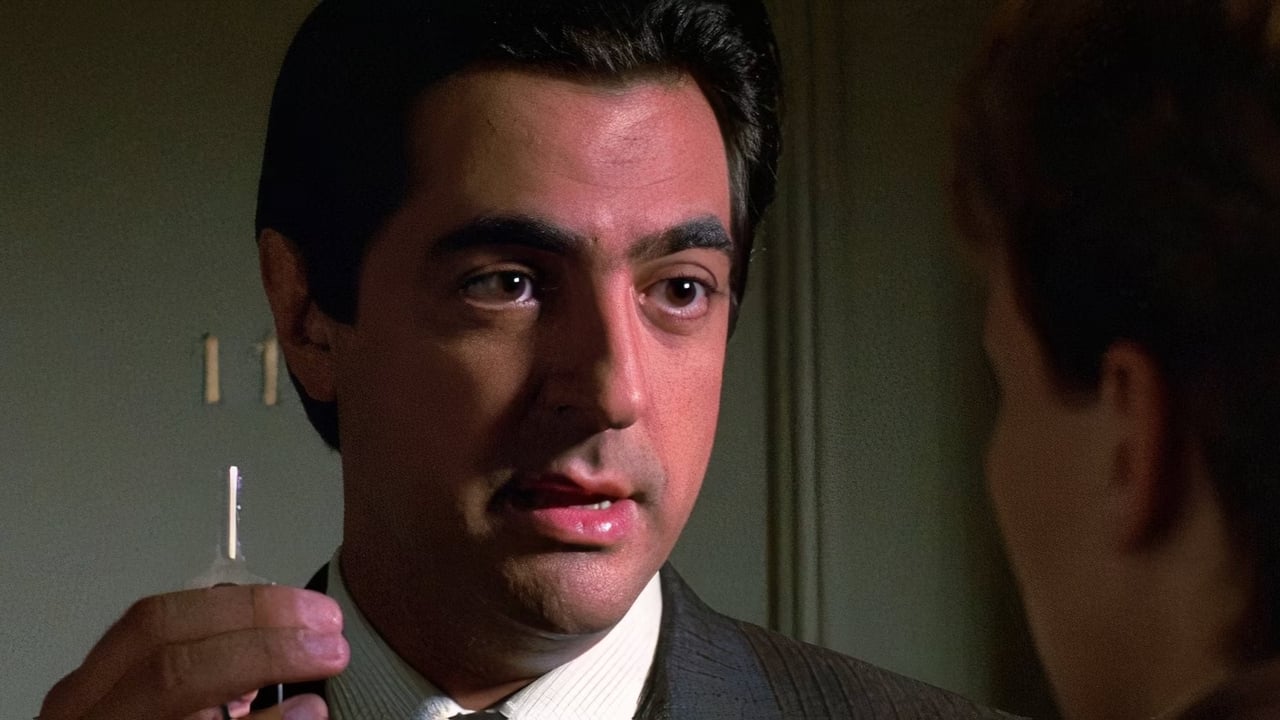
What is it about the con? The intricate dance of deception, the thrill of the hidden play, the devastating reveal? David Mamet's directorial debut, House of Games (1987), doesn't just depict confidence games; it dissects them, lays them bare on a cold, sterile slab, forcing us to confront the unsettling truth that perhaps we want to be fooled. Watching it again, decades after first sliding that distinctive VHS tape into the VCR, the film's chill remains remarkably potent, a testament to its precise construction and unnerving psychological depth. It's less a traditional thriller and more a meticulously crafted puzzle box, daring you to look closer even as it insists you'll never see the full picture.
Into the Looking Glass
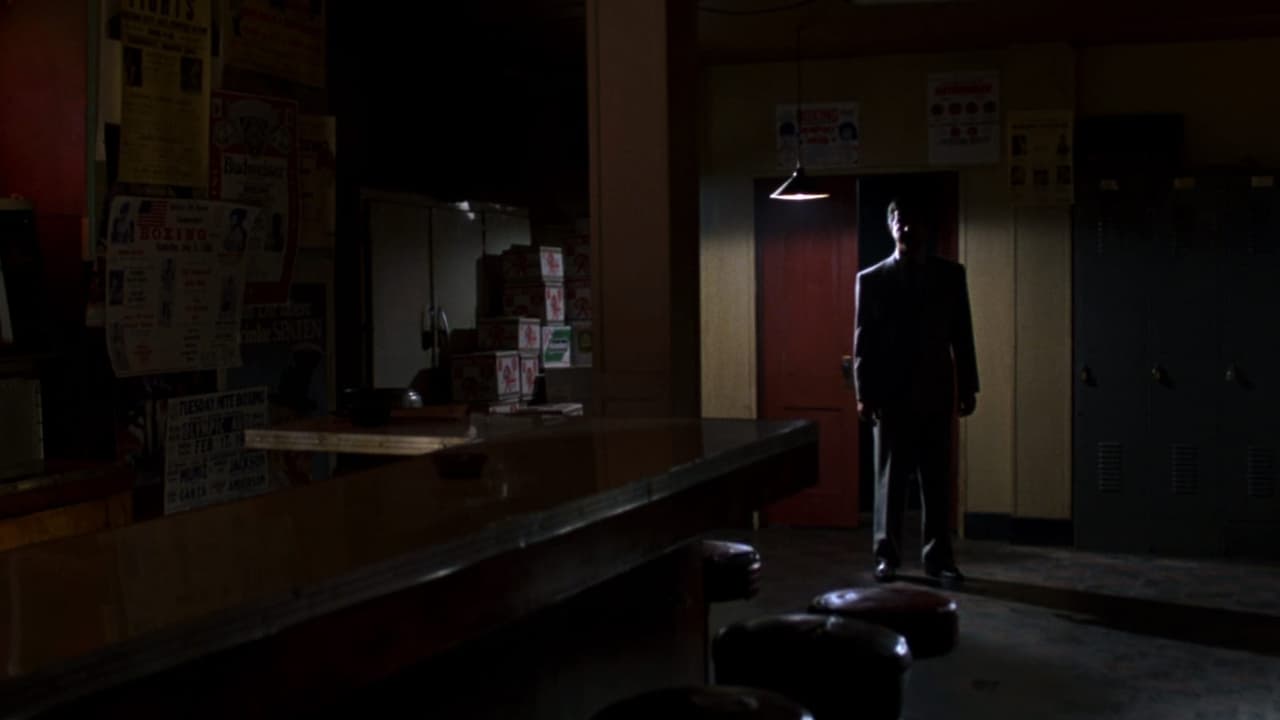
We enter this world through Dr. Margaret Ford (Lindsay Crouse, who was married to Mamet at the time), a successful psychiatrist and author whose book on compulsion has just hit the shelves. She seems detached, analytical, perhaps even a little bored with the predictable patterns of her patients. When one patient, Billy, threatens suicide over gambling debts owed to a man named Mike, Margaret takes an uncharacteristically impulsive step: she decides to confront Mike herself. This leads her to the dimly lit back room of the titular bar, a world away from her sterile office, and into the orbit of the charismatic, smooth-talking Mike (Joe Mantegna, in a career-defining role that cemented his long collaboration with Mamet, having already won a Tony for the stage version of Glengarry Glen Ross). Mike isn't just a gambler; he's a master manipulator, the ringleader of a small crew running intricate cons. And Margaret, the detached observer of human behavior, finds herself inexplicably drawn in, fascinated by the raw mechanics of deception and, perhaps, by Mike himself.
Mamet-Speak and Methodical Chill
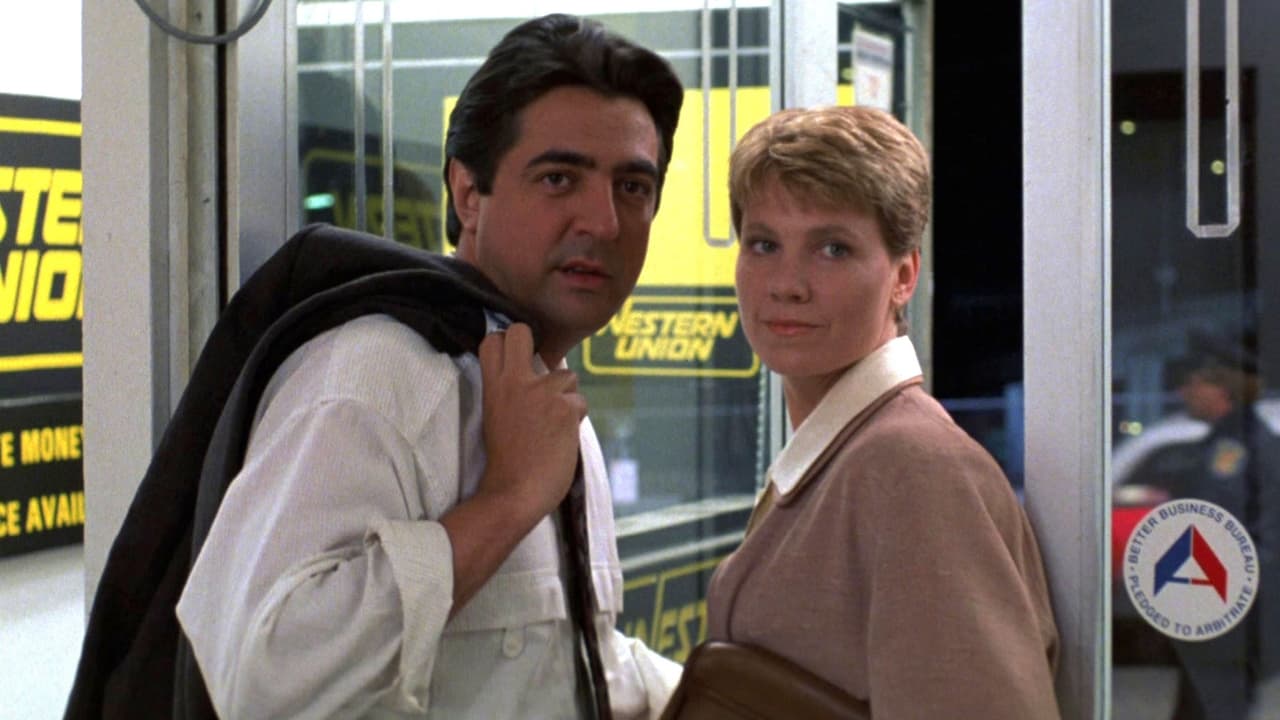
If you know Mamet's work, you know the dialogue. It's clipped, precise, often repetitive, circling themes and ideas like a predator stalking prey. In House of Games, this signature style isn't just affectation; it's integral to the film's atmosphere. The conversations feel deliberate, almost artificial, mirroring the constructed realities of the cons themselves. Mamet, directing his own script, brings a playwright's sensibility to the screen. Scenes are often framed tightly, emphasizing faces and reactions, or lack thereof. The Seattle locations provide a unique backdrop – less neon-drenched noir, more grey, damp streets and unassuming interiors, adding to the sense of unease. There's a starkness to Juan Ruiz Anchía's cinematography, a coolness that permeates every frame, reflecting Margaret's initial detachment and the calculating nature of the games being played. It’s said Mamet consulted with real con artists and magicians to ensure the authenticity of the schemes depicted, adding another layer to the film’s unnerving realism within its highly stylized world. This wasn't a big-budget affair – reportedly made for around $1.6 million – but every dollar feels meticulously placed on screen to maximize thematic resonance.
A Study in Performance
The film hinges on its central performances, and both Crouse and Mantegna are riveting. Crouse masterfully portrays Margaret's journey from cool intellectual curiosity to something far more complicated and dangerous. Her carefully controlled exterior gradually cracks, revealing glimpses of vulnerability, fascination, and ultimately, a capacity for darkness she likely never suspected. It’s a performance of subtle shifts and repressed emotion, perfectly suited to Mamet’s minimalist approach. Watching her watch the cons unfold, you see the psychologist analyzing, but also the human being becoming ensnared.
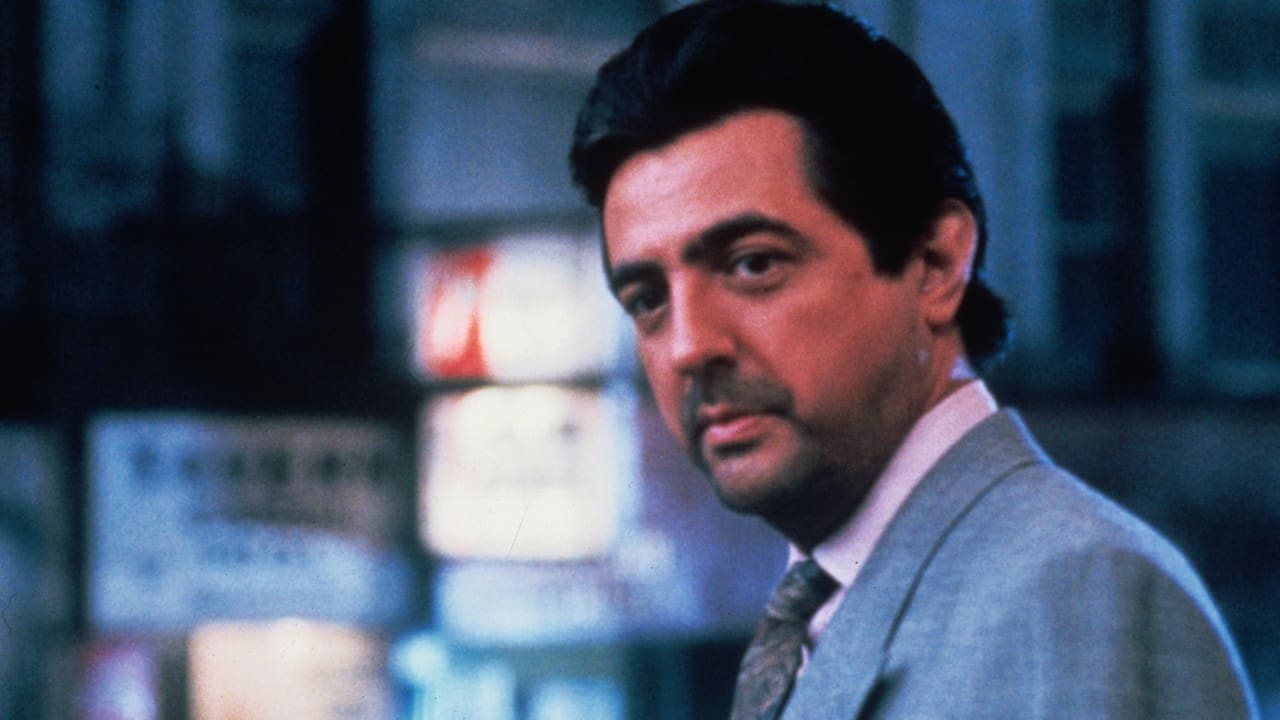
Joe Mantegna is Mike. He radiates a dangerous charm, his easy confidence and quick wit masking a ruthless pragmatism. Mantegna delivers Mamet's staccato dialogue with hypnotic rhythm, making Mike both repellent and magnetic. He embodies the allure of the forbidden, the excitement of a world operating outside conventional morality. The chemistry between Crouse and Mantegna is electric, a tense push-and-pull of intellect and primal attraction. Supporting players like Mike Nussbaum as Joey and the great Ricky Jay (a renowned magician and expert on cons in his own right) as George add layers of authenticity and menace to the crew.
The Long Con
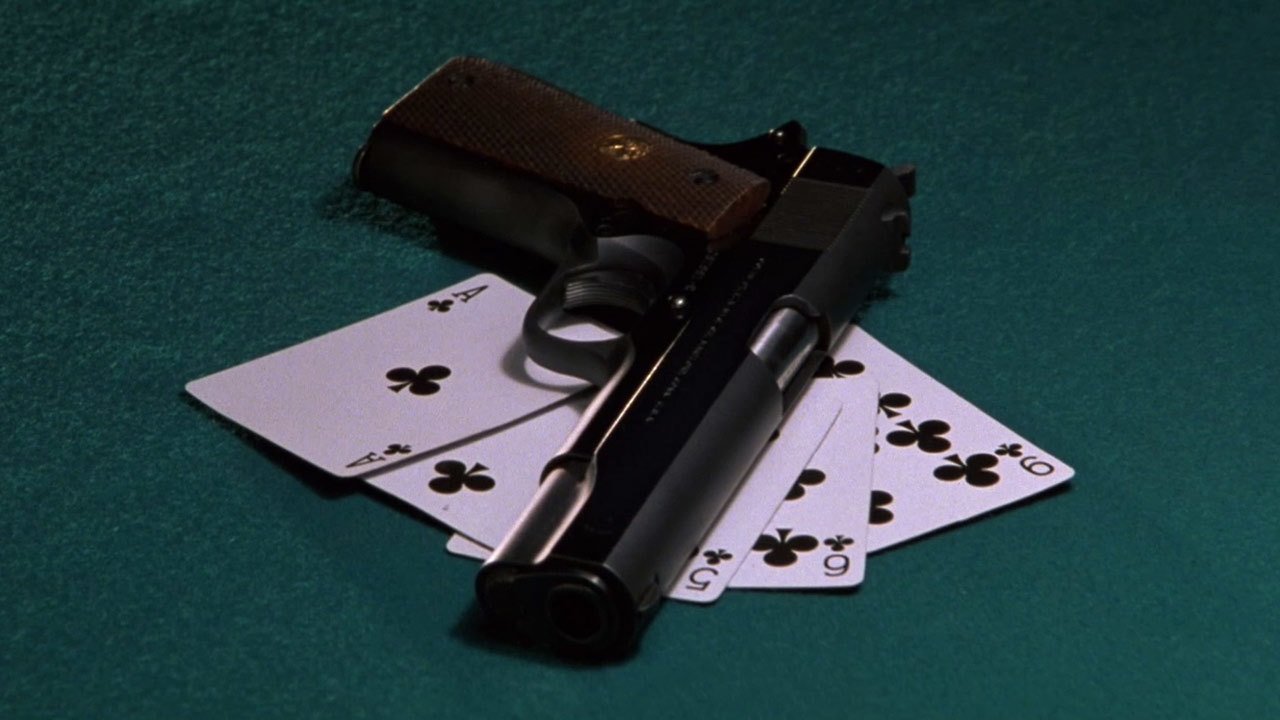
House of Games isn't just about cons; it is a con, played on the audience. Mamet structures the film like an elaborate setup, carefully feeding us information, manipulating our perceptions, leading us down paths only to reveal they were dead ends. The film constantly asks: Who is conning whom? Is Margaret studying Mike, or is he studying her? Where does the game end and reality begin? The film explores themes of trust, betrayal, identity, and the seductive power of secrets. What does it mean when the observer becomes the participant? Does understanding the mechanics of deception offer any real protection against it? These questions linger long after the chilling final scenes.
VHS Heaven Rating: 9/10
This score reflects the film's near-perfect execution of its vision. House of Games is a masterclass in controlled tension, intelligent writing, and understated performance. Mamet's direction is assured, creating a distinct and unsettling atmosphere. While its deliberate pace and cool detachment might not appeal to everyone seeking conventional thrills, its psychological depth and intricate plotting are deeply rewarding. The dialogue is sharp, the central performances are superb, and the film's exploration of deception remains disturbingly relevant. It might lack the explosive action of other 80s staples, but its quiet intensity burrows under your skin.
It's a film that reminds you how easily the roles of observer and participant can blur, leaving you questioning not just the characters' motives, but perhaps even your own susceptibility to a well-told story. What's the ultimate tell? Maybe it's the realization that the most intricate games are often the ones we play with ourselves.