Sometimes, a film arrives weighted down not just by its plot, but by the sheer expectation surrounding it. Strolling through the video store aisles in 1995, the cover box for Jade felt like an event. You had Joe Eszterhas, the scribe who’d struck gold (and controversy) with Basic Instinct (1992), selling this script for a king's ransom. You had William Friedkin, the legendary director behind gritty, visceral classics like The French Connection (1971) and The Exorcist (1973), stepping into the slick, rain-soaked world of the 90s erotic thriller. And front-and-center, David Caruso, making his cinematic leap after sensationally departing the hit TV show NYPD Blue. The ingredients promised something explosive, perhaps definitive. What we got, however, was something far more... complicated.
Shadows and Slick Surfaces
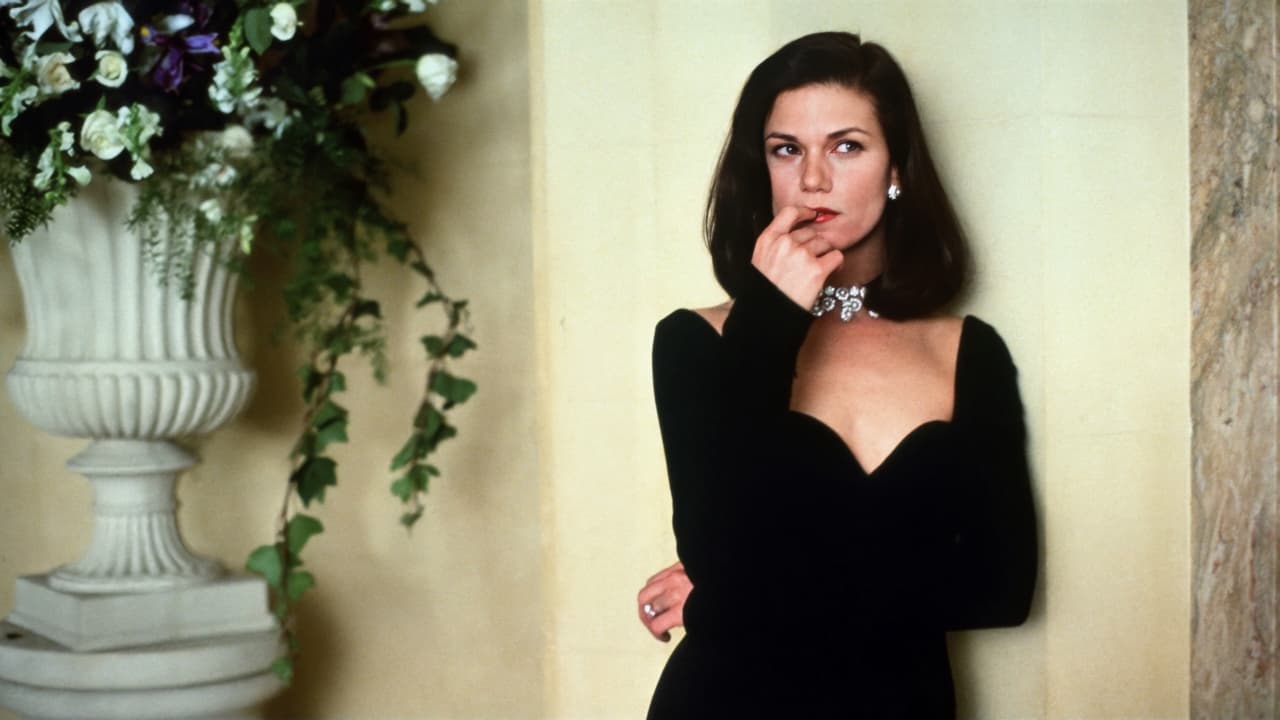
Jade casts Assistant D.A. David Corelli (Caruso) into the murky investigation of a millionaire's brutal, ritualistic murder. The trail leads him through San Francisco's shadowy corridors of power and influence, hinting at a high-priced, clandestine prostitution ring involving prominent figures. The prime suspect, or at least the most enigmatic figure, becomes Trina Gavin (Linda Fiorentino), a clinical psychologist married to Corelli's close friend, defense attorney Matt Gavin (Chazz Palminteri). It's a classic noir setup transposed onto the glossy, high-stakes landscape of the mid-90s.
Friedkin, a master of atmosphere, certainly paints a visually distinct picture. The San Francisco setting feels perpetually damp and nocturnal, all gleaming reflections on wet pavement and neon signs cutting through the fog. There's a coldness to the aesthetic, a deliberate distance that mirrors the emotional landscape of the characters. Yet, unlike Friedkin's earlier, more grounded work, the atmosphere here occasionally feels more like expensive set dressing than an organic extension of the narrative's tension. Does the slickness serve the story, or merely coat it?
A Gamble in the Spotlight
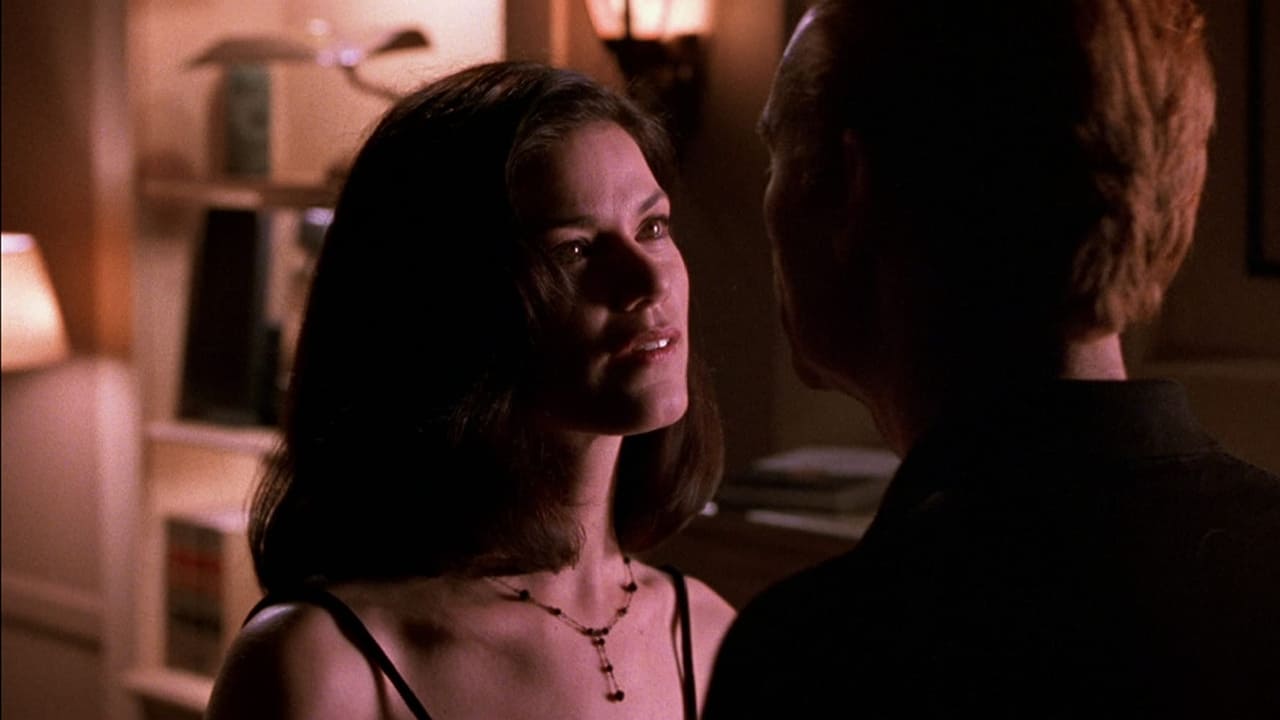
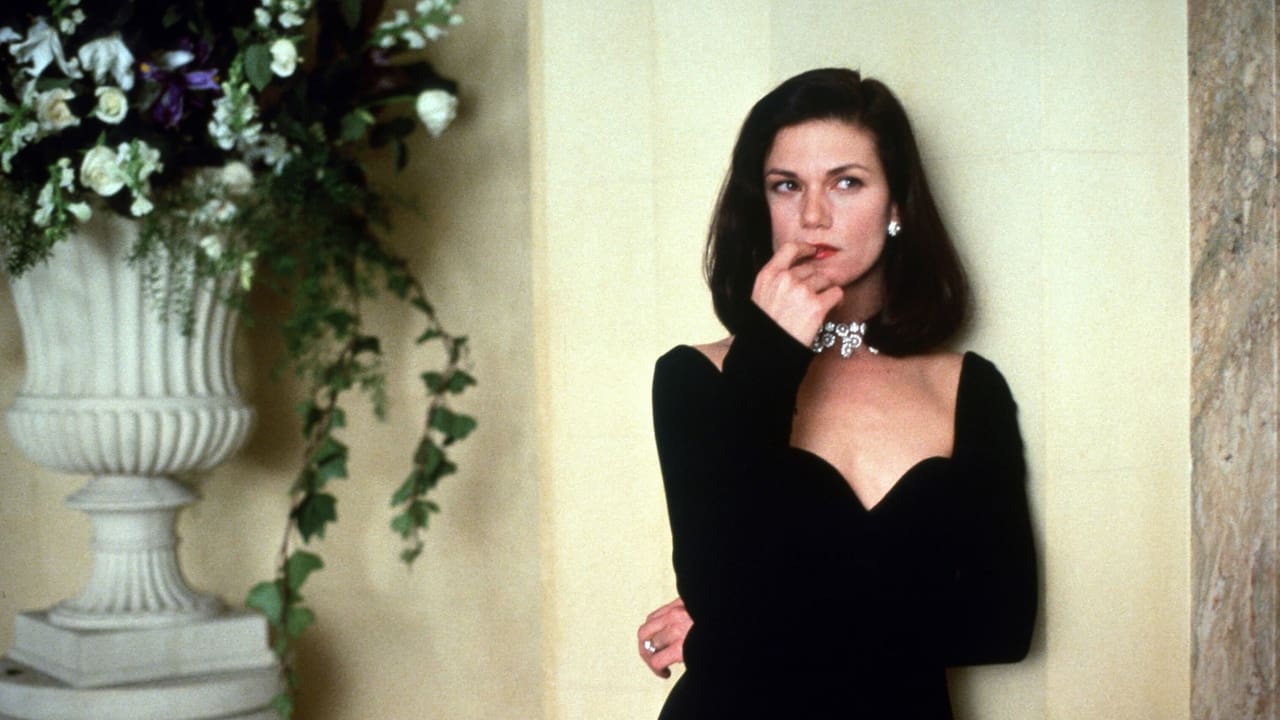
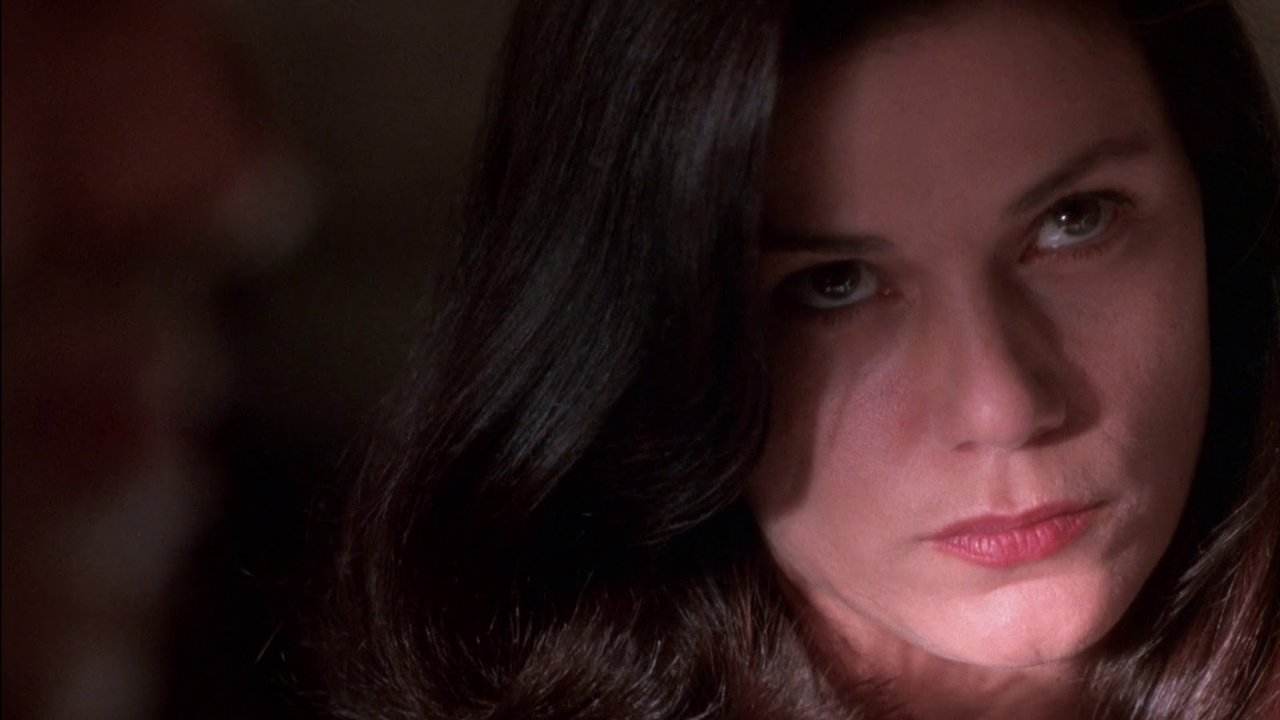
The casting itself is a fascinating snapshot of the time. Linda Fiorentino, hot off her career-defining turn as the ultimate femme fatale in The Last Seduction (1994), feels almost preordained for the role of Trina. She radiates intelligence and a dangerous allure, keeping both Corelli and the audience guessing. Her performance is perhaps the film's strongest asset, capturing that ambiguous quality essential for the genre, even when the script doesn't always give her the sharpest tools to work with. You believe she could be capable of anything.
Then there's David Caruso. The buzz around his departure from NYPD Blue for movie stardom was immense, placing enormous pressure on Jade to be his breakout vehicle. Watching it now, you can see him striving for that stoic, determined leading man presence. He has moments, certainly, conveying a weary intensity. But there's also a certain stiffness, a sense that the charisma which popped on the small screen felt somewhat diluted on the big screen, particularly against Fiorentino's enigmatic presence. It’s hard not to watch his performance without the context of that high-stakes career gamble, one which famously didn’t launch him into the cinematic stratosphere he might have hoped for. Rounding out the main trio, Chazz Palminteri, ever reliable, brings his characteristic gravitas to the role of the potentially compromised husband and friend.
Eszterhas, Friedkin, and That Chase
Beneath the surface sheen, the Eszterhas script hits many of his familiar beats: power plays, explicit sexuality (more prominent in the later unrated cut), and twists designed to keep the audience off balance. However, unlike the tightly coiled suspense of Basic Instinct, Jade's plot often feels convoluted rather than complex, its revelations more bewildering than shocking. The dialogue occasionally clunks, striving for hardboiled poetry but landing somewhere less resonant. It's rumored Eszterhas wrote the script in a matter of days, fueled by the success of Basic Instinct, and sometimes, that haste seems apparent. The $3 million Paramount paid for it certainly set expectations sky-high, perhaps impossibly so.
Where Friedkin's directorial muscle truly flexes is in the film's most talked-about sequence: an elaborate, technically astonishing car chase through the streets of San Francisco, culminating in the middle of a parade in Chinatown. It’s pure Friedkin – kinetic, dangerous-feeling, and meticulously staged with stunning practical stunt work. It's arguably one of the great forgotten car chases of the 90s. Yet, its placement and sheer length within the narrative have always felt debatable. Is it an exhilarating centerpiece, or a bravura detour that ultimately distracts from the central mystery? Watching it again, it feels almost like a separate entity, a thrilling short film dropped into the middle of an erotic thriller. Reportedly, this sequence alone added significantly to the film's already hefty $50 million budget.
A Flawed Artifact of Its Time
I remember renting Jade on VHS, drawn in by the pedigree and the promise of another Basic Instinct-level event. The reality was... less gripping. It wasn't outright terrible, but it felt like a film straining for significance, trying too hard to replicate a formula rather than forging its own identity. The twists felt murky, the central relationships underdeveloped, and the eroticism often felt calculated rather than genuinely dangerous or alluring. The box office reflected this lukewarm reception, barely recouping $20 million domestically.
Yet, revisiting Jade isn't without its pleasures. Fiorentino is magnetic, the car chase remains impressive on a technical level, and it stands as a fascinating, glossy artifact of the mid-90s erotic thriller boom – a time when studios were throwing big money at big names for these kinds of adult-oriented dramas. It captures a specific moment when this genre felt like mainstream event filmmaking.
Rating: 5/10
The rating reflects a film with undeniable craft (especially Friedkin's action direction and the overall production value) and a compelling central performance from Fiorentino, significantly hampered by a derivative, often confusing script and a sense that the whole endeavor never quite clicks into high gear. It tried to be the next big thing, leveraging the reputations of its writer and director, but ultimately felt like an echo rather than a new roar.
Jade remains a curious piece of 90s cinema history – a high-profile gamble that didn't quite pay off, but still offers glimpses of the talent involved and serves as a potent reminder of a genre's brief, slick, and often overwrought heyday on the video store shelves. What lingers most isn't the mystery, but the memory of the expectation it carried.