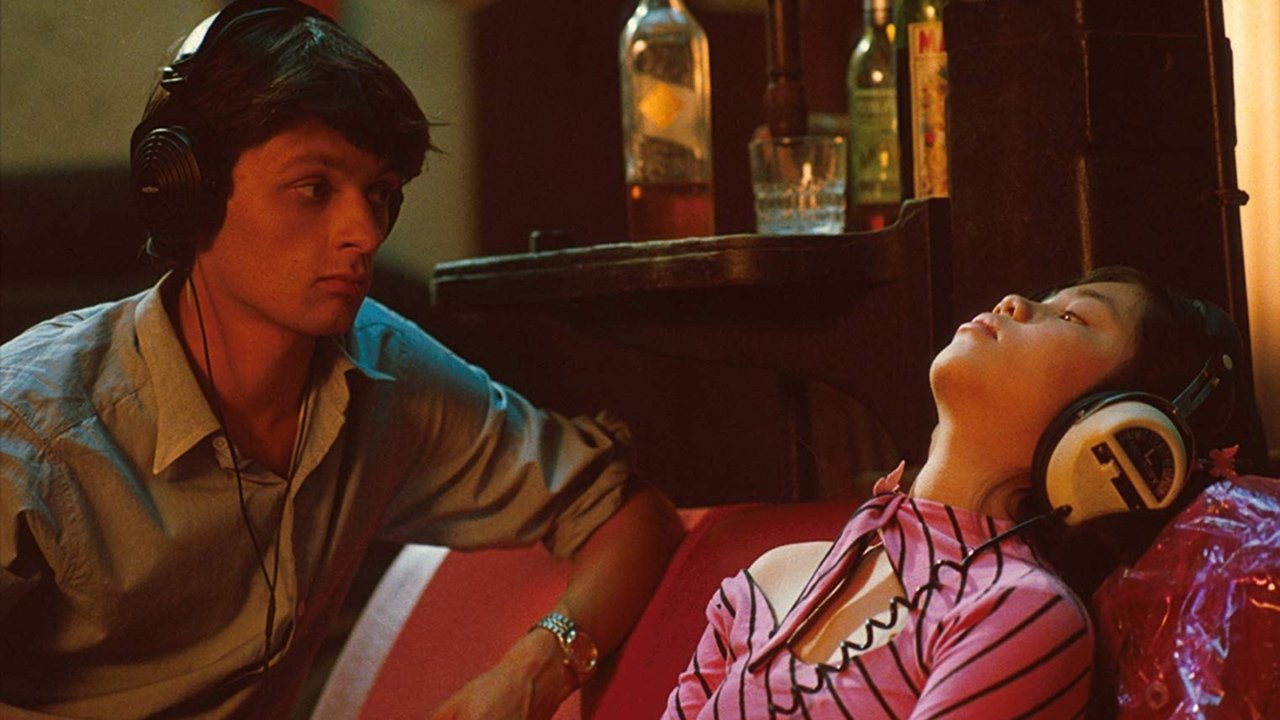
It arrives not with a bang, but with the soaring notes of an aria, captured illicitly. That's the image, isn't it? The young postman, Jules, hunched in the opulent Théâtre des Bouffes du Nord, his Nagra recorder whirring softly beneath his coat, stealing the voice of an opera singer who refuses the permanence of recording. This central act of transgression in Jean-Jacques Beineix's 1981 debut, Diva, sets in motion a plot of exhilarating complexity, but what truly lingers, decades after the VHS tape first spooled through our machines, is the film's intoxicating atmosphere – a singular blend of high art, pulp thriller, and achingly cool style.
### The Birth of the Look
Released seemingly out of nowhere, Diva felt like a jolt to the system. French cinema had its established traditions, but this… this was something else. This was the burgeoning cinéma du look, a movement Beineix himself helped ignite (alongside others like Luc Besson and Leos Carax). Forget gritty realism; Diva bathed Paris in neon blues, shimmering reflections, and dramatic shafts of light. Cinematographer Philippe Rousselot (who would later lens films like Interview with the Vampire (1994)) crafted a world that felt hyper-real, almost dreamlike. Every frame feels meticulously composed, favoring aesthetic impact over mundane representation. Was it style over substance? Some critics certainly leveled that charge at the time, but watching it again, the style is a crucial part of the substance, reflecting the characters' obsessions with image, sound, and surface. It tapped into the burgeoning visual language of the early 80s, influencing countless music videos and commercials, yet retaining an artful elegance that prevents it from feeling merely dated.
### Two Tapes, One Hell of a Chase
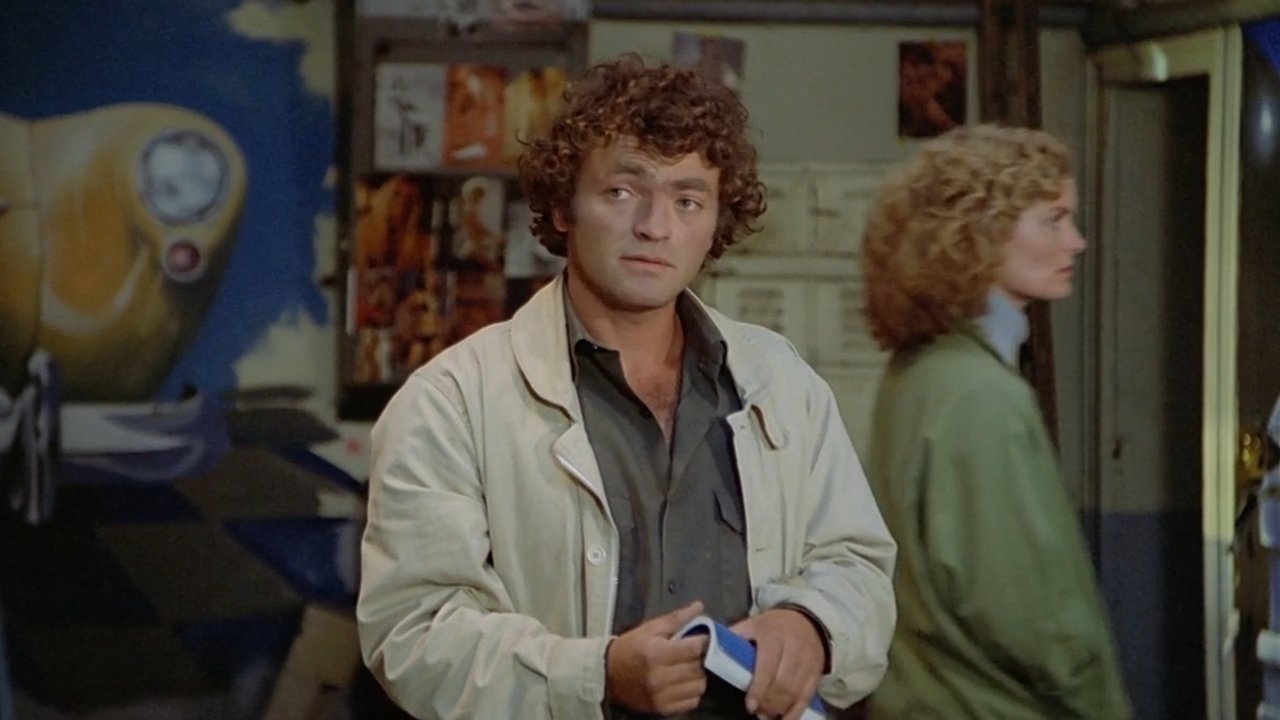
At its heart, Diva is a chase film, pure and simple, albeit one wrapped in velvet and chrome. Our protagonist, Jules (Frédéric Andréi), is an innocent caught in forces far beyond his control. His prized bootleg recording of the American soprano Cynthia Hawkins (Wilhelmenia Fernandez) is coveted by shady Taiwanese businessmen. Simultaneously, a cassette dropped into his mailbag by a fleeing prostitute exposes a high-ranking police official's involvement in a crime ring. Suddenly, Jules is pursued by ruthless thugs (including a memorably menacing, sunglass-clad Dominique Pinon as Le Curé) and shadowy police operatives. It's a classic wrong-man scenario, elevated by Beineix's kinetic direction.
Who can forget the legendary sequence where Jules, on his trusty Mobylette moped, evades his pursuers by navigating the stairs and platforms of the Paris Métro? Filming this audacious chase reportedly involved navigating a bureaucratic maze to get permission, a testament to Beineix's determination to capture the sequence exactly as envisioned. It’s a thrilling piece of practical filmmaking that still crackles with energy, grounded in the real textures of the city even amidst the heightened style.
### Performance as Presence
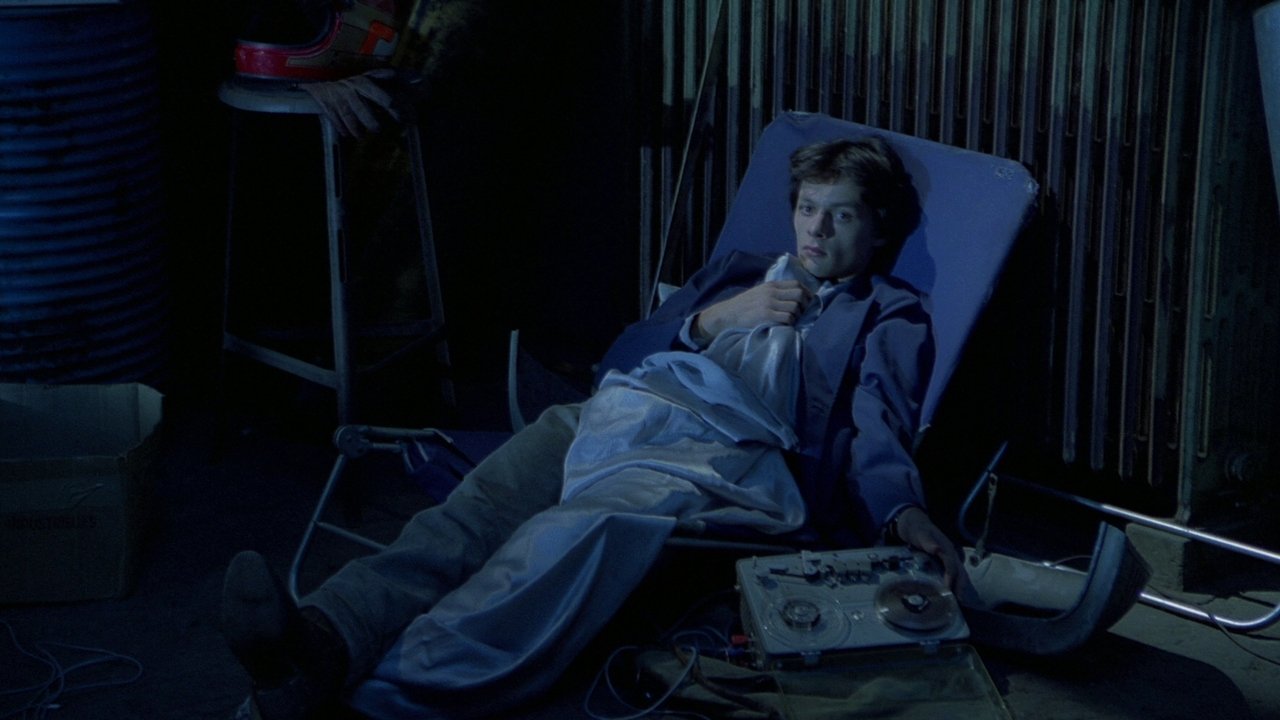
The casting feels inspired. Frédéric Andréi brings a wide-eyed vulnerability to Jules; he’s less an action hero, more an obsessive fanboy swept up in events. His passion for Cynthia's voice feels utterly genuine, the driving force behind his initial, fateful decision. And then there's Wilhelmenia Fernandez. An acclaimed opera singer making her acting debut, she possesses an incredible screen presence. She is the Diva – regal, enigmatic, protective of her art ("I never record. Never," she states firmly). Her scenes with Andréi have a strange, captivating chemistry, a collision of worlds.
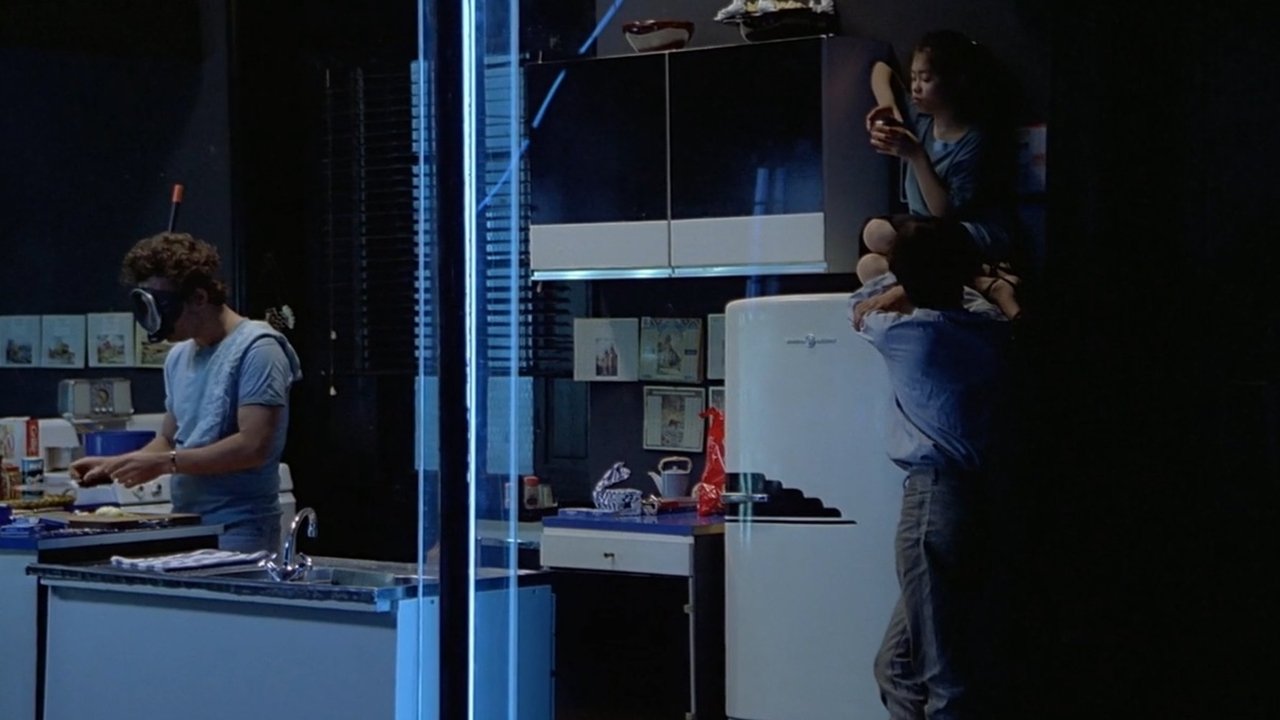
But perhaps the film's coolest creation is Gorodish, played with effortless charisma by Richard Bohringer. Living in a minimalist loft, practicing Zen philosophy, and solving problems with unconventional, almost detached ingenuity, Gorodish is the epitome of 80s cool. Alongside his enigmatic Vietnamese muse, Alba (Thuy An Luu), he acts as Jules' unlikely protector, a figure seemingly imported from a different, more philosophical kind of thriller. Bohringer's performance is magnetic; he embodies the film's blend of sleek surface and hidden depths.
### More Than Just a Pretty Picture
Diva was adapted from the novel of the same name by Daniel Odier (writing as Delacorta), and while it streamlines the plot, it retains the core tension and thematic concerns. It’s a film fascinated by reproduction – the illicit recording, the incriminating tape, the very nature of art in a commercial world. Cynthia’s refusal to be recorded speaks to a desire for artistic purity, for the ephemeral magic of live performance. Jules’s obsession, while initially transgressive, stems from pure adoration. Does the recording diminish the art, or preserve it? The film doesn't offer easy answers, letting the ambiguity hang in the air like a final, sustained note.
Initially met with a somewhat lukewarm reception in its native France, Diva became an unexpected international sensation, particularly resonating with American audiences hungry for something fresh and visually daring. It performed remarkably well for a subtitled French film in the US market at the time, finding its audience in art houses and, crucially for us here at VHS Heaven, on home video. It scooped up four César Awards, including Best Debut Work for Beineix and Best Cinematography for Rousselot, cementing its place in film history. I distinctly remember finding the stark, stylish VHS box art in the 'Foreign Films' section of my local rental store – it promised something different, something adult and sophisticated, and it absolutely delivered.

Rating: 9/10
Why a 9? Because Diva is that rare beast: a film where breathtaking style perfectly serves a compelling narrative. It's visually stunning, impeccably cast, features unforgettable sequences, and pulses with a unique energy that blends high art sensibilities with genre thrills. The performances resonate, the Parisian locations feel both real and heightened, and the central theme of art versus commerce remains potent. It might feel very 80s in its aesthetic, but its artistry transcends mere trendiness. It's a film that proved style could be substance, leaving an indelible mark on the cinematic landscape.
What lingers most after revisiting Diva? Perhaps it's the cool, blue wash of Gorodish's loft, the echo of Cynthia's voice in an empty theatre, or the sheer exhilaration of that moped chase. It remains a captivating experience, a reminder of a time when discovering a film like this on a grainy VHS tape felt like uncovering a beautiful, dangerous secret.