Alright, fellow tape travelers, let’s rewind to a time when medical thrillers felt genuinely chilling, tapping into anxieties about what might lurk behind the sterile facade of modern medicine. How far would you go, how much would you sacrifice, for what you believed was the ultimate greater good? That unsettling question beats like a frantic heart at the center of 1996's Extreme Measures, a film that perhaps slipped through the cracks for some but offers a surprisingly tense and ethically knotty experience worth revisiting.
The Unlikely Hero and the Awful Truth
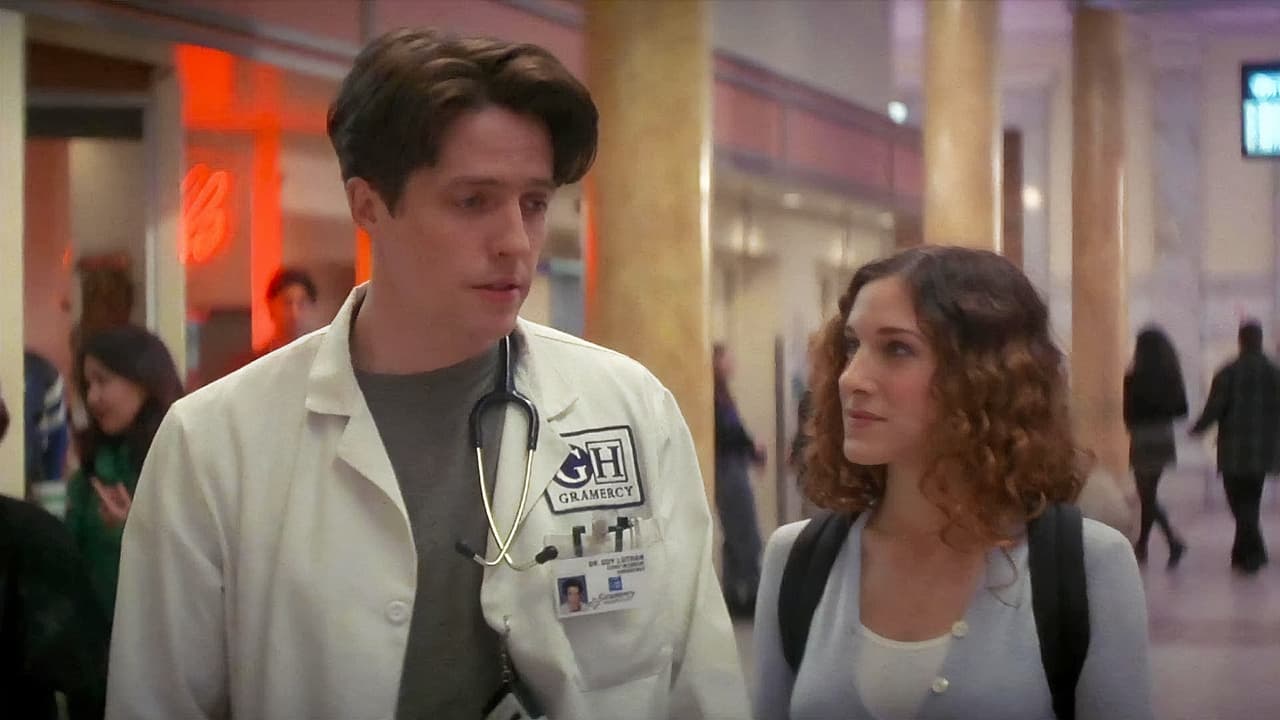
Remember the mid-90s? Hugh Grant was firmly cemented in our minds as the charmingly flustered romantic lead, thanks to hits like Four Weddings and a Funeral (1994). So, seeing him here as Dr. Guy Luthan, a driven New York ER doctor plunged into a deadly conspiracy, felt like a deliberate gear shift. It’s a role Grant pursued, even acting as a producer through his company Simian Films, clearly aiming to stretch beyond the familiar. Luthan stumbles onto something deeply wrong after a homeless patient dies under mysterious circumstances, his body vanishing along with crucial records. His quiet investigation quickly escalates, putting his career, reputation, and ultimately his life on the line. Does Grant entirely shed his affable persona? Maybe not completely, there are moments where the intensity feels like a slightly ill-fitting suit. Yet, there's a vulnerability and desperation in his performance that works, making Luthan a relatable everyman caught in an impossible situation. We feel his confusion morphing into terror, his world shrinking as unseen forces close in.
Hackman's Measured Menace
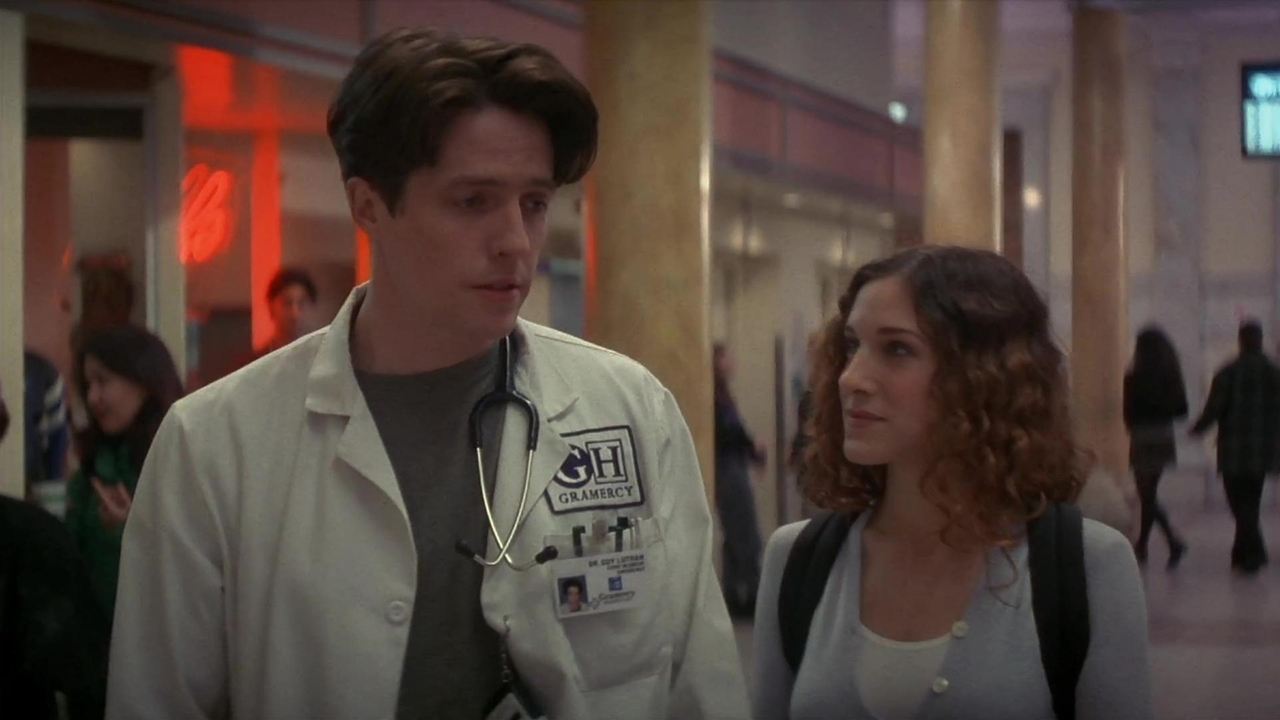
But let's be honest, the thunder in Extreme Measures belongs to the legendary Gene Hackman. As Dr. Lawrence Myrick, a revered neurosurgeon pioneering groundbreaking spinal cord research, Hackman delivers a masterclass in restrained power. This isn't a cackling villain; Myrick is brilliant, articulate, and utterly convinced of the moral necessity of his horrifying methods. He believes he holds the key to curing paralysis, a goal so noble it justifies… well, extreme measures. Hackman imbues him with such gravitas and conviction that we, the audience, are forced to grapple with his twisted logic. His scenes with Grant crackle with intellectual tension, the dialogue sharp and purposeful, thanks to a screenplay penned by Tony Gilroy (adapting Michael Palmer's novel), who would later give us the intricate plotting of the Bourne films and the morally complex Michael Clayton (2007). You can see the seeds of Gilroy's talent for intelligent thrillers right here. Hackman makes Myrick terrifying not through overt threats, but through the chilling certainty in his eyes. He truly believes he's the hero of his own story.
A Steady Hand Guiding the Tension
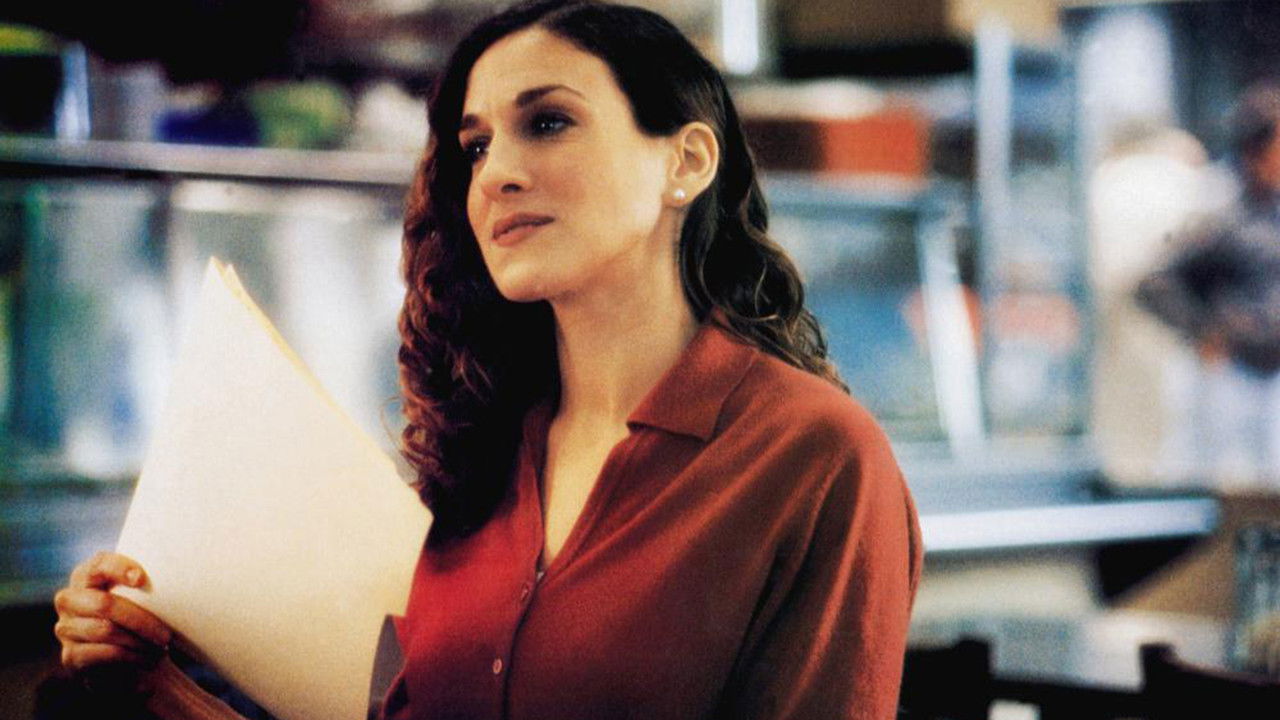
Behind the camera was Michael Apted, a director known for his versatility, moving between character studies like Coal Miner's Daughter (1980) and genre pieces like the James Bond film The World Is Not Enough (1999), not to mention his monumental Up documentary series. Apted brings a steady, grounded approach to Extreme Measures. He doesn't rely on flashy editing or excessive action, instead focusing on building atmospheric dread. The contrast between the gleaming, advanced labs where Myrick works and the grimy, dangerous underground tunnels where Luthan seeks answers is stark and effective. Apted excels at capturing Luthan's growing paranoia and isolation, making the vast indifference of the city feel like another antagonist. Supporting players like Sarah Jessica Parker, as a nurse sympathetic to Luthan, and the ever-reliable David Morse, as a cold-blooded FBI agent entangled in the conspiracy, add texture to the unfolding nightmare. Morse, in particular, is chillingly effective as the seemingly emotionless enforcer, a perfect foil to Hackman’s intellectual menace.
Retro Fun Facts & 90s Thriller Vibes
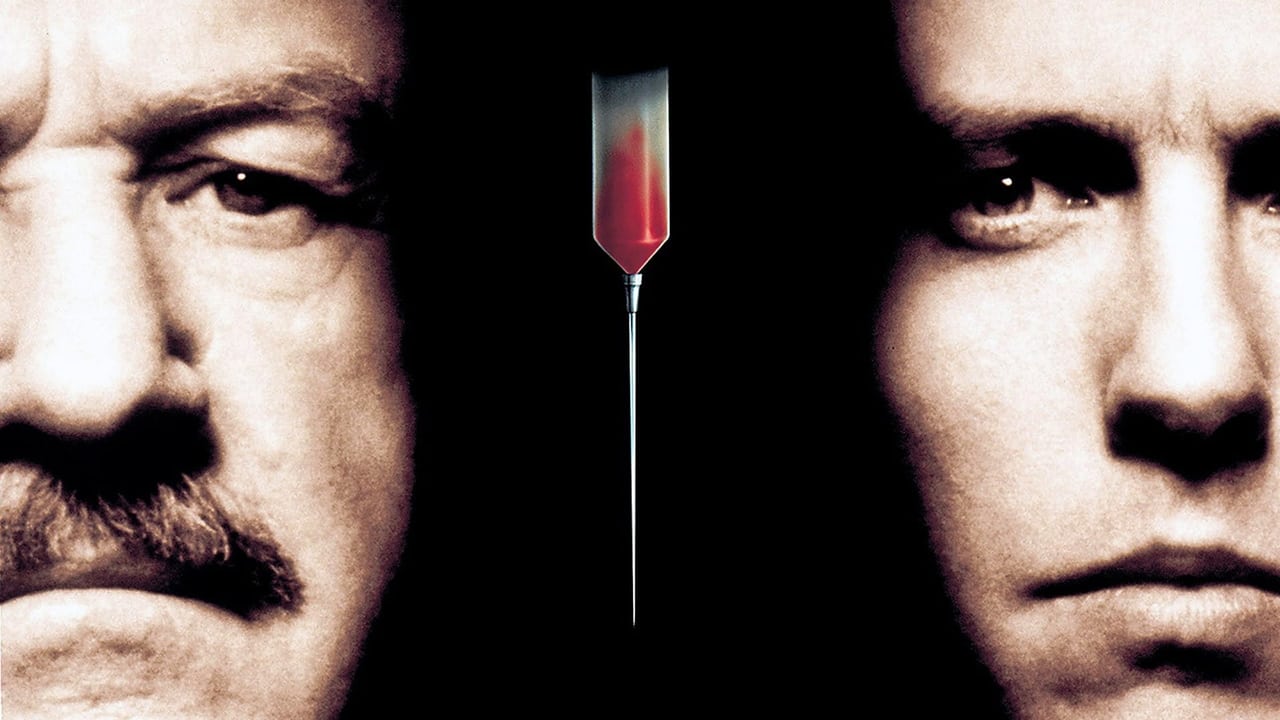
It's fascinating looking back, knowing this film, budgeted at a considerable $38 million, sadly underperformed at the box office, pulling in only around $17.4 million domestically. Perhaps audiences in '96 weren't quite ready for Hugh Grant, the romantic icon, dodging bullets and navigating shadowy conspiracies. It’s a shame, because while it might adhere to some familiar 90s conspiracy thriller tropes (think The Firm or The Pelican Brief), it does so with intelligence and a genuine ethical core. Filming took place across recognisable locations in both Toronto and New York City, adding to that big-city anonymity that fuels Luthan’s vulnerability. The film doesn't shy away from the uncomfortable implications of utilitarian ethics – the classic 'needs of the many vs. the needs of the few' dilemma. It asks questions that linger long after the credits roll, something not all thrillers manage. Does the potential to cure millions justify sacrificing a few? The film offers no easy answers, presenting Myrick’s arguments with enough persuasive force to make you pause.
Revisiting the Measures
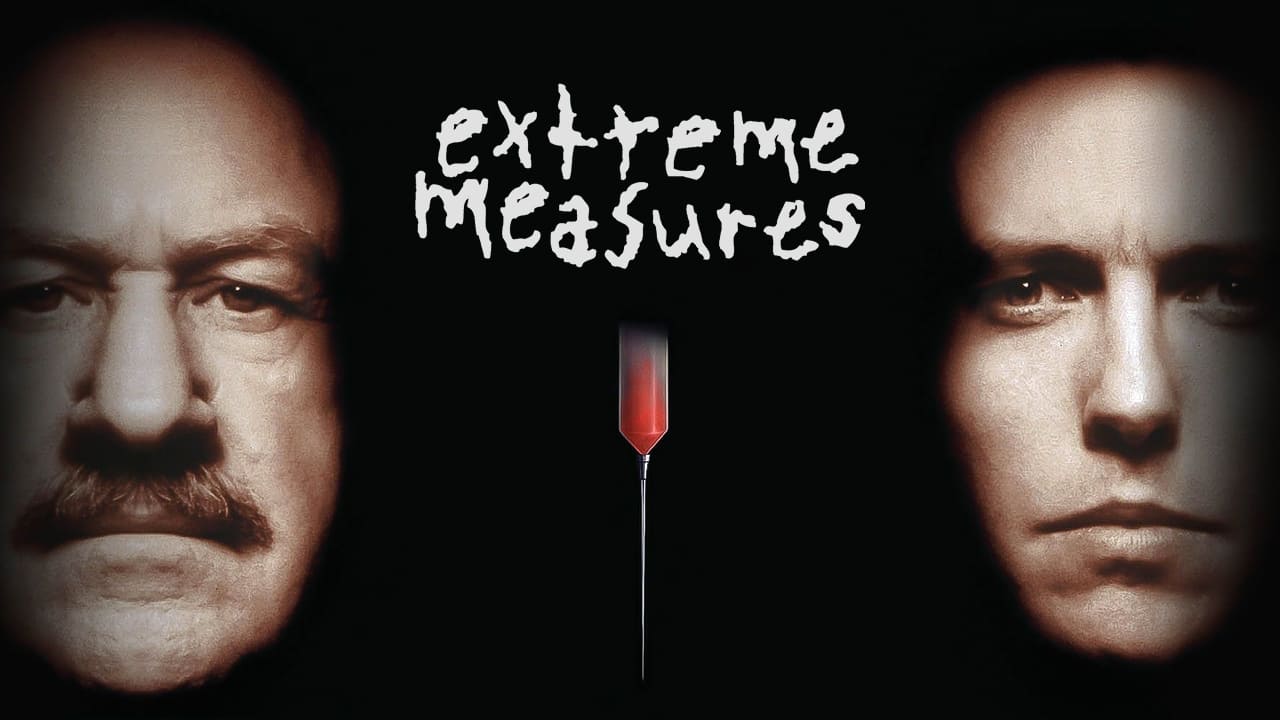
Watching Extreme Measures today, it feels like a solid, well-crafted thriller representative of its time. The pacing is deliberate, building tension effectively without resorting to non-stop action. The central performances, particularly Hackman's, remain compelling, and the ethical questions at its heart are perhaps even more relevant in our era of rapid medical advancements and complex moral debates. It might not have the kinetic energy of a Bourne or the intricate legal maneuvering of a Grisham adaptation, but it possesses a thoughtful intensity and a chilling atmosphere that stays with you. It's the kind of movie you'd happily discover on a dusty VHS tape, reminding you that thrillers could be smart and unsettling, making you question not just the villains, but the very definition of 'good'.
Rating: 7/10
This score reflects a taut, intelligent thriller anchored by a superb performance from Gene Hackman and a competent, if slightly against-type, turn from Hugh Grant. Michael Apted's direction ensures sustained tension and atmosphere, and Tony Gilroy's script poses genuinely challenging ethical questions. While it didn't break the box office or radically redefine the genre, it's a well-made and thought-provoking piece of 90s cinema that deserves more recognition than it perhaps received. It’s a potent reminder that sometimes the most frightening monsters are the ones utterly convinced they're doing the right thing.