That frantic, heart-pounding realization – the sweat on your brow isn't just the oppressive Texas heat, it's the chilling certainty that your life is draining away, hour by agonizing hour. 1988's D.O.A. plunges us headfirst into this nightmare, forcing us to confront mortality not as an abstract concept, but as a ticking clock counting down to zero. Forget leisurely reflections; this is a desperate sprint against time, fueled by adrenaline and the burning need for answers before the ultimate fade to black. It’s a premise that grabs you by the collar and refuses to let go, a feeling I vividly recall from pulling this starkly designed VHS tape off the rental shelf back in the day.
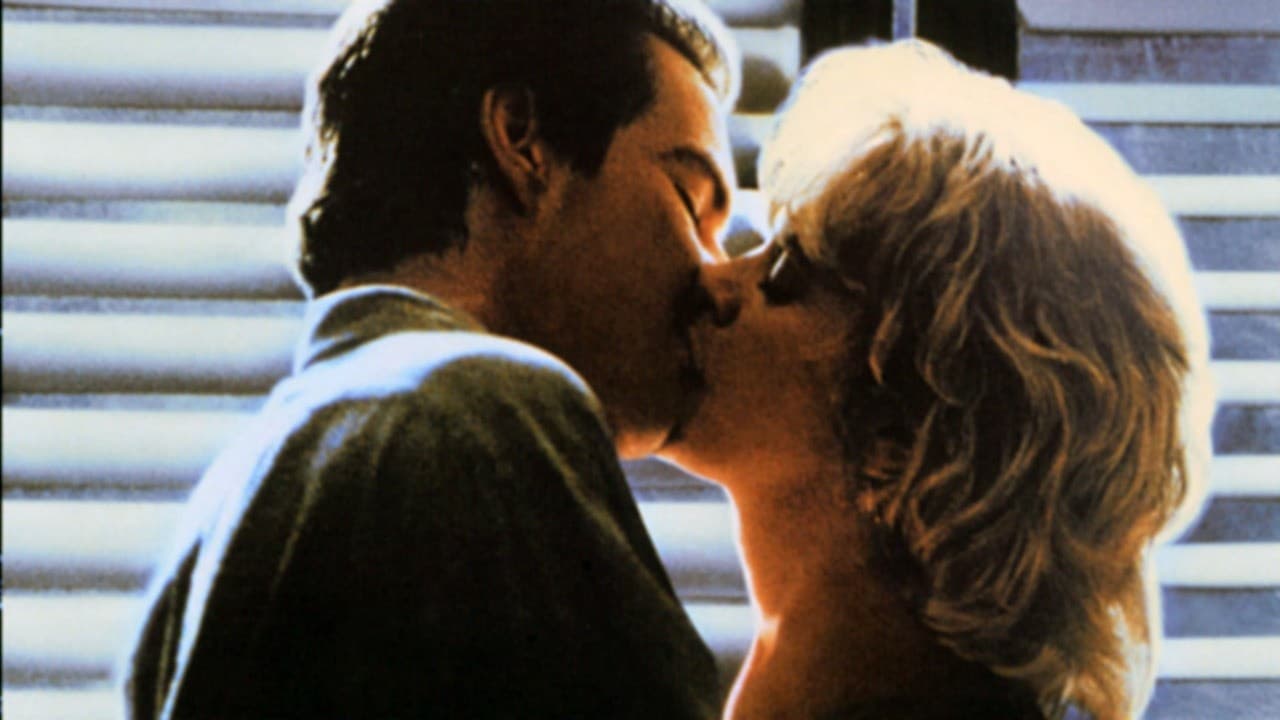
A Clock Ticking Down in Austin
The setup is brutally simple, mirroring its 1950 noir predecessor but drenched in the distinct visual language of the late 80s. College professor Dexter Cornell (Dennis Quaid), nursing a recent professional failure and a bruised ego, wakes up after a particularly hazy night to discover he's been fatally poisoned with a slow-acting, "luminous" toxin. He has, maybe, 24 to 48 hours left. His mission becomes terrifyingly clear: find out who killed him, and why, before his body shuts down completely. The setting shifts from the original's California noir to the humid, sprawling landscape of Austin, Texas, a choice that grounds the film in a specific, almost palpable sense of place, adding a layer of southern gothic unease to the proceedings.
Quaid Against the Dying Light
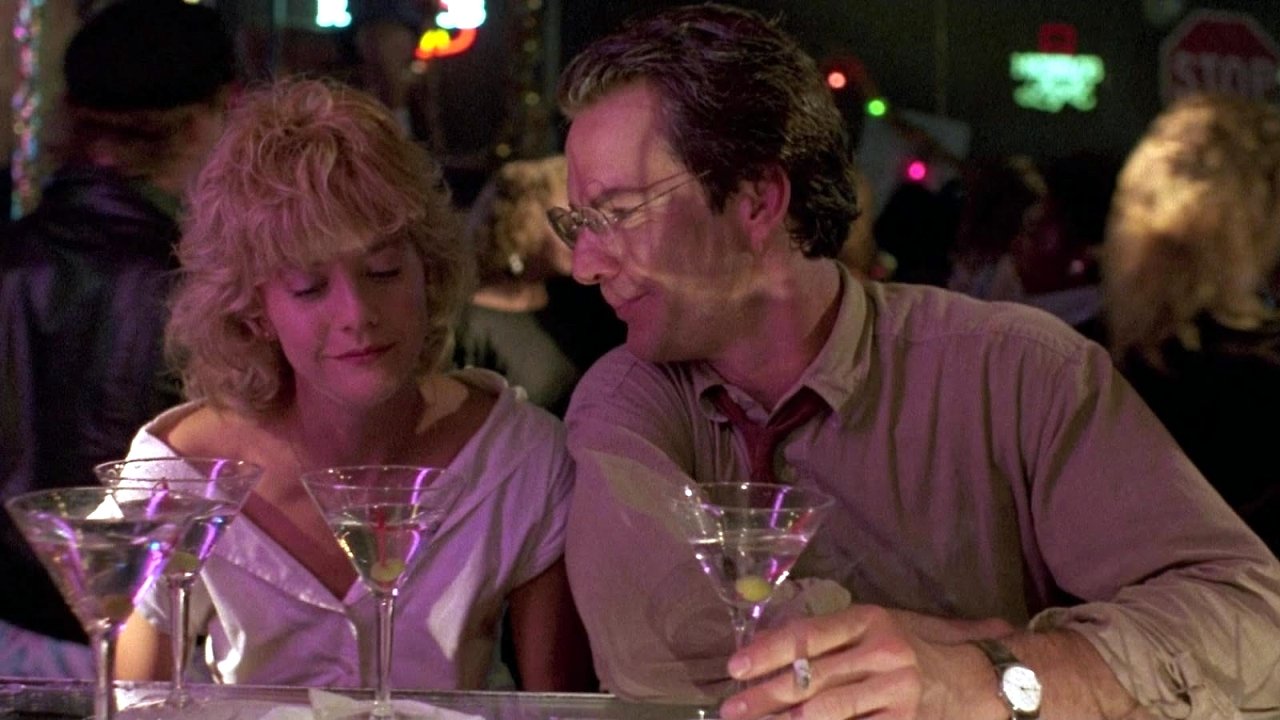
At the heart of this desperate race is Dennis Quaid's utterly compelling performance. He embodies Dexter Cornell not just as a man seeking revenge, but as a man grappling with the sudden, violent truncation of his existence. You see the physical toll – the clammy skin, the waves of nausea, the sheer exhaustion warring with furious determination. It’s a visceral portrayal; Quaid reportedly lost a significant amount of weight for the role, lending a harrowing authenticity to Cornell's decline. There's a raw energy here, a man running purely on fumes and righteous anger. Watching him stumble, fight, and desperately piece together the puzzle is exhausting in the best way, reminding us how potent physical acting could be in an era before digital touch-ups became commonplace.
Neon Noir and Max Headroom Flair
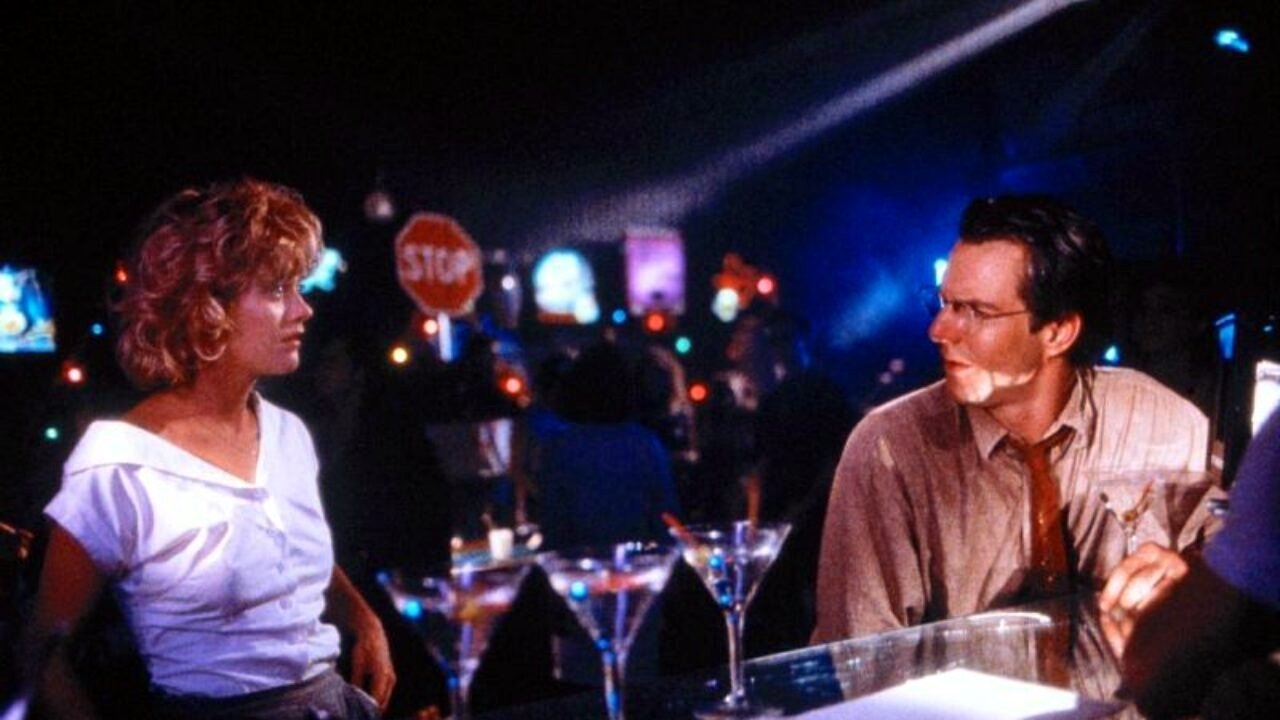
What truly sets this D.O.A. apart is its unmistakable visual style, courtesy of directors Annabel Jankel and Rocky Morton. Fresh off their groundbreaking work on the cyberpunk icon Max Headroom, they brought a distinct, hyper-stylized sensibility to the noir genre. The film is steeped in atmospheric lighting, often employing bold splashes of color – intense reds, moody blues, sickly greens – that heighten the tension and Cornell’s increasingly fevered state. It’s a far cry from the shadowy black-and-white of the original, offering a uniquely 80s interpretation of dread. Cinematographer Yuri Neyman captures Austin with a slick, sometimes almost dreamlike quality, making the familiar cityscape feel alien and menacing through Cornell's poisoned eyes. This visual approach wasn't universally lauded at the time; some critics found it favoured style over substance. But watching it now, that distinct aesthetic feels like a deliberate choice, perfectly mirroring the disorientation and heightened reality of a dying man's perspective.
Sparks Fly Amidst the Shadows
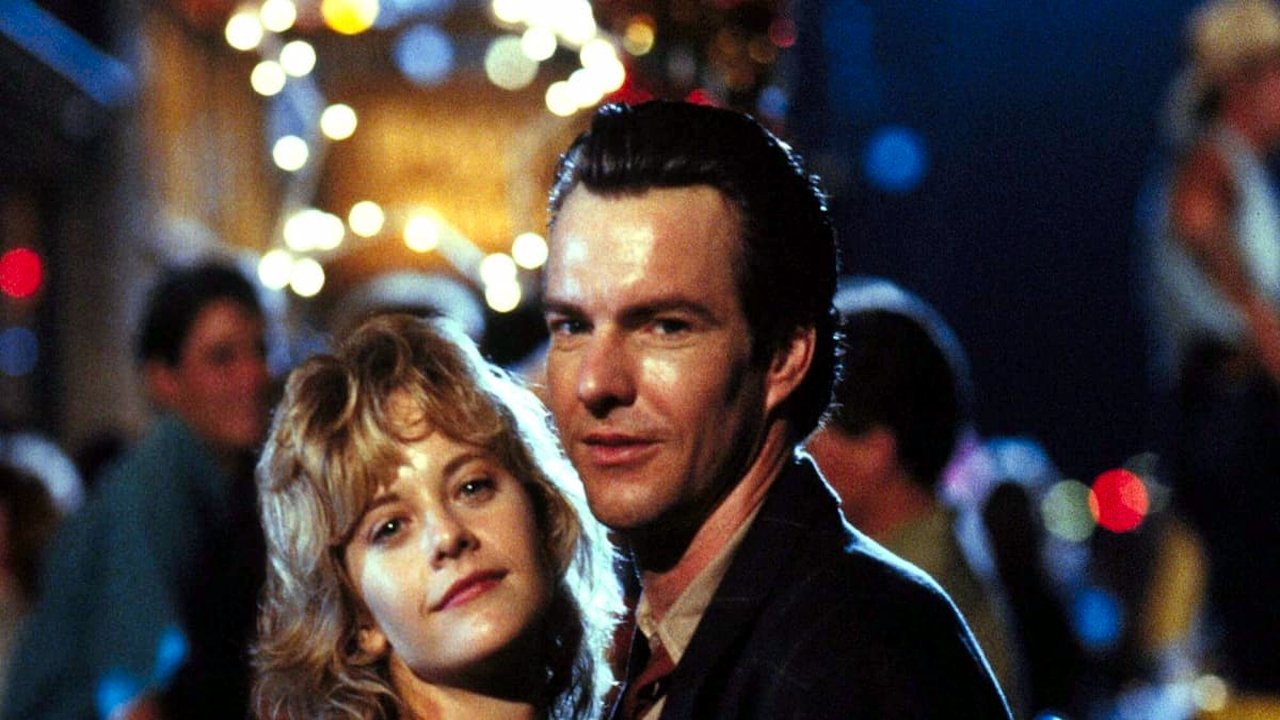
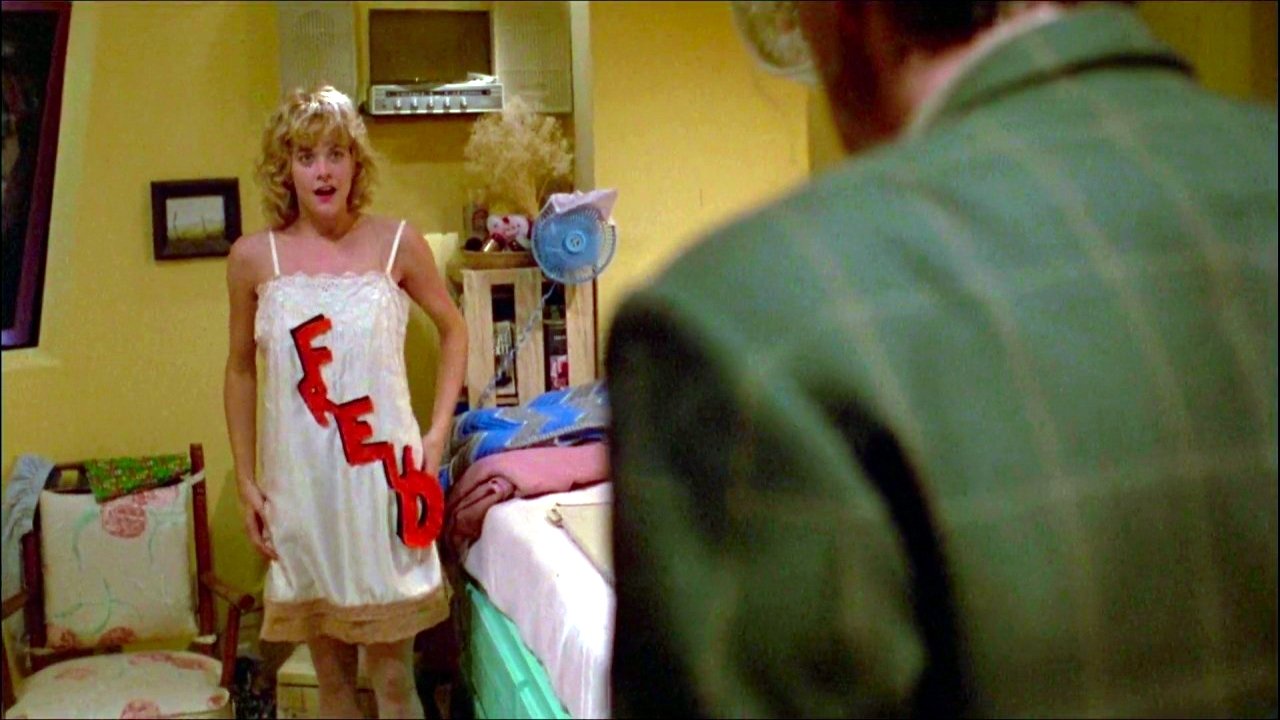
Caught up in Cornell's frantic investigation is Sydney Fuller, a bright-eyed student harbouring a crush on her professor, played by Meg Ryan. The chemistry between Quaid and Ryan is undeniable, crackling with an energy that feels entirely genuine – unsurprising, perhaps, given that the two stars fell in love during the making of this film and married shortly after. Ryan provides a crucial counterpoint to Quaid's intensity, her character evolving from naive admirer to resourceful ally. Their dynamic adds a layer of poignant "what might have been" to Cornell's desperate plight. The supporting cast, including the icily enigmatic Charlotte Rampling and brief but memorable turns from Daniel Stern and Jane Kaczmarek, effectively populate this world of academic intrigue and deadly secrets.
From Box Office Blip to Cult Favourite
Interestingly, D.O.A. wasn't a runaway success upon release. Made on a respectable $13 million budget, it barely recouped that amount at the box office (grossing around $12.7 million). Its life truly blossomed on home video, becoming something of a cult favourite – the kind of intense, stylish thriller you'd discover on the shelves of Blockbuster or your local video store and recommend to friends. It’s a testament to its gripping premise and powerful central performance. The screenplay, penned by Charles Edward Pogue (who also gave us the scripts for Cronenberg's The Fly and Psycho III – talk about a knack for dread!), cleverly updates the original concept while carving out its own identity. Finding details about the "luminous toxin" effect proves tricky, but it stands as a memorable, uniquely cinematic representation of internal decay – a visual hallmark of the film.
What Lingers After the Credits Roll?
Rewatching D.O.A. today, its power remains largely intact. The desperate premise, Quaid's committed performance, and the unique visual signature crafted by Jankel and Morton create a potent cocktail of suspense and existential dread. It asks uncomfortable questions: How do we measure a life? What truly matters when faced with the end? While perhaps not as tightly plotted as its 1950 inspiration, its emotional core and distinct 80s aesthetic offer a compelling, often unsettling viewing experience. It’s a film that stays with you, not just for its plot twists, but for the sheer, sweaty desperation etched on Dennis Quaid’s face as he races against his own mortality.
Rating: 7.5/10
Justification: D.O.A. earns its score through Dennis Quaid's tour-de-force performance, its gripping high-concept premise, and its bold, atmospheric neo-noir visuals. The undeniable chemistry between Quaid and Ryan adds significant emotional weight. While some might find the 80s stylistic flourishes occasionally overshadow the narrative, and it doesn't quite reach the classic status of the original, it remains a compelling and visually distinct thriller that captures a specific kind of late-80s cinematic energy. It’s a potent reminder of how effectively a simple, terrifying idea can fuel a movie.
Final Thought: A sweaty, stylish, and surprisingly affecting race against time, D.O.A. remains a potent shot of 80s neo-noir that reminds you just how precious – and potentially short – every second can be. Definitely worth digging out of the VHS archives.