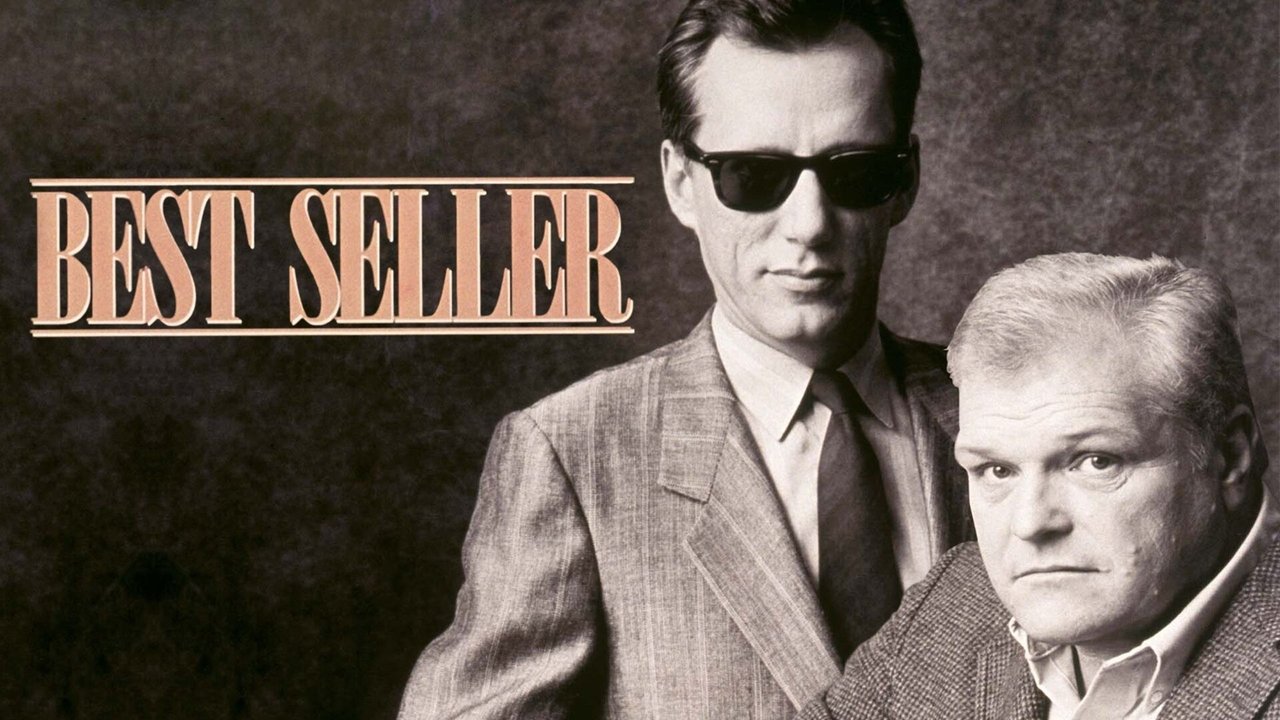
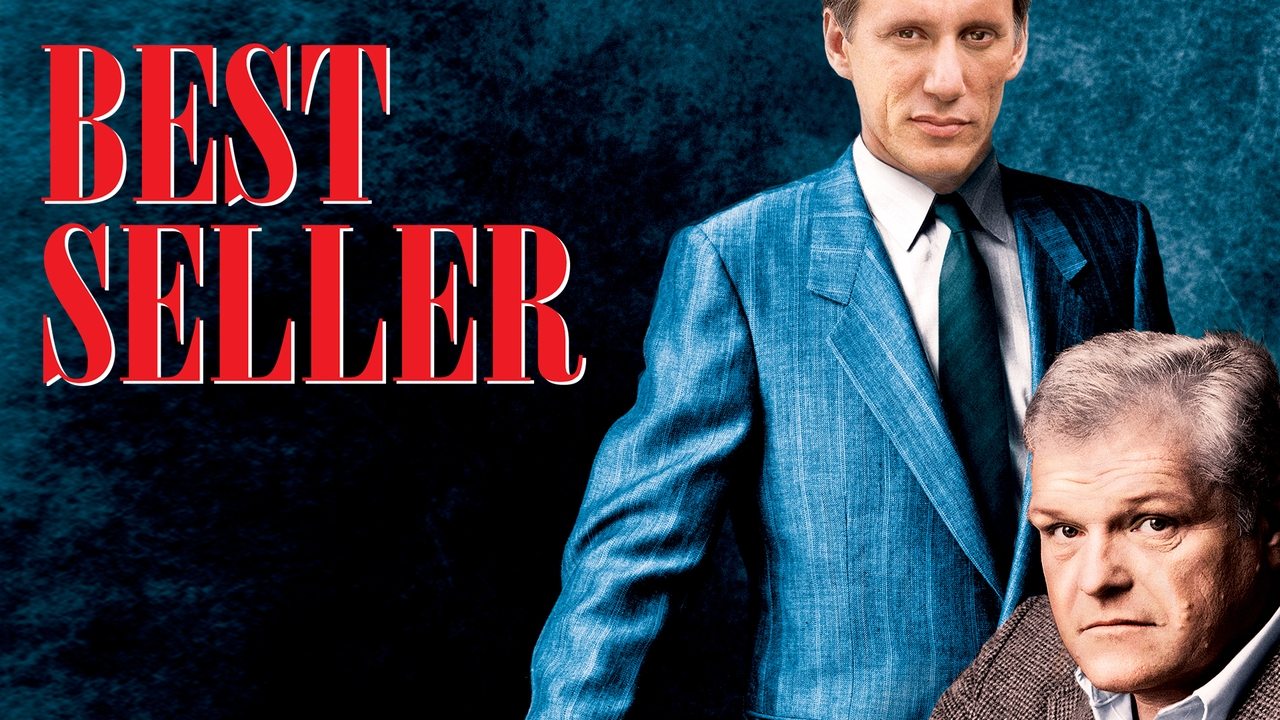
Okay, pull up a chair, maybe grab a cold one from the back of the fridge. Let's talk about a film that always felt like it should have been a bigger deal, a real heavyweight contender in the crowded ring of 80s thrillers. I'm talking about 1987's Best Seller. Remember this one? The stark VHS cover, usually featuring the intense faces of its two leads? It promised a certain kind of gritty, smart confrontation, and looking back, it largely delivered, even if it never quite stormed the box office charts like some of its contemporaries.
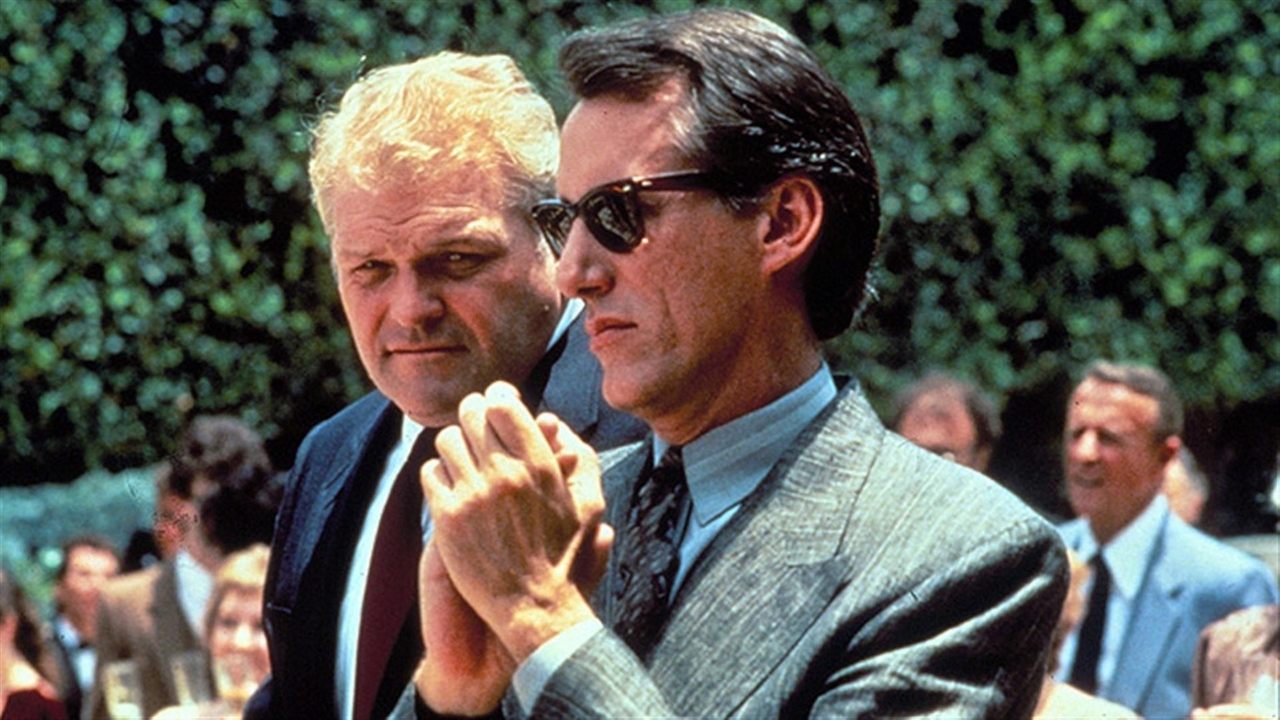
What immediately grabs you, and frankly still grabs you about Best Seller, is its killer premise, courtesy of the legendary Larry Cohen (the mind behind so many unique cult classics like It's Alive (1974) and Q (1982)). Imagine this: you're Dennis Meehan (Brian Dennehy), a decorated LAPD detective, haunted by a past tragedy, who moonlights as a successful crime novelist. One day, a charismatic, unnervingly knowledgeable stranger named Cleve (James Woods) approaches you. His offer? He’ll give you the inside story on a powerful, untouchable corporate magnate responsible for countless murders, providing all the proof you need for your next blockbuster book. The catch? Cleve isn't an informant; he's the hitman who carried out those murders. It’s a Faustian bargain wrapped in kevlar and paranoia, forcing Meehan—and us—to question just how far one might go for the truth, or perhaps more accurately, for a sensational story.
### An Unlikely, Electric Partnership
The absolute core of Best Seller's enduring appeal lies in the casting and the volatile chemistry between its leads. Brian Dennehy, already a familiar face embodying world-weary authority in films like First Blood (1982) and Cocoon (1985), is perfect as Meehan. He brings a grounded decency, a palpable sense of a good man worn down by the horrors he’s seen, both on the streets and in his own life. You feel his exhaustion, his skepticism, but also the flicker of the novelist's ambition when Cleve dangles the ultimate story. Dennehy makes Meehan’s moral struggle utterly believable; he’s the anchor in the storm Cleve unleashes.
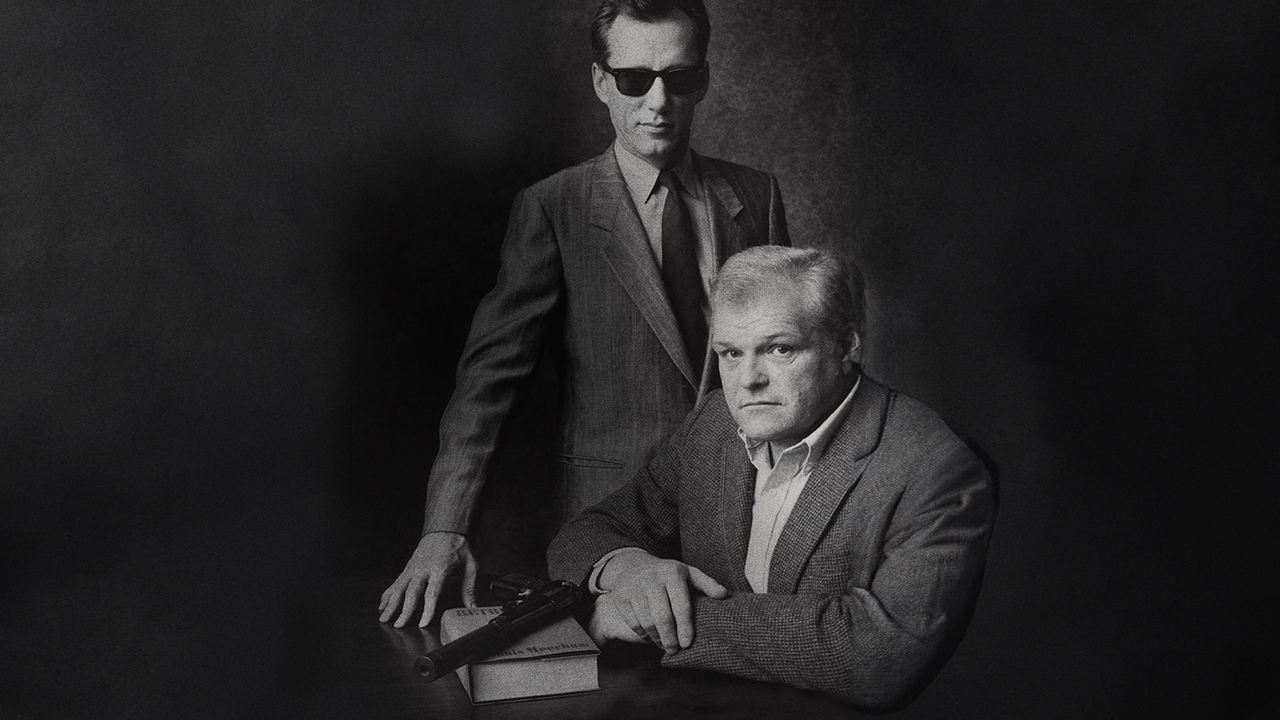
And what a storm James Woods is. Coming off his Oscar-nominated turn in Salvador (1986), Woods delivers a performance here that is pure, uncut intensity. Cleve is magnetic, fast-talking, intelligent, and utterly terrifying. He oozes a dangerous charm, switching from affable confidante to cold-blooded killer on a dime. Woods doesn’t just play a hitman; he embodies the seductive nature of the forbidden, the allure of the dark side whispering secrets in your ear. It's a jittery, live-wire performance that constantly keeps you off balance. Is he helping Meehan? Using him? Playing a game only he understands? The tension whenever Woods and Dennehy share the screen crackles with suspicion, manipulation, and a strangely compelling, almost symbiotic relationship. It’s this dynamic, this psychological dance, that elevates Best Seller beyond a standard thriller plot.
### Grit, Style, and Unfulfilled Promise
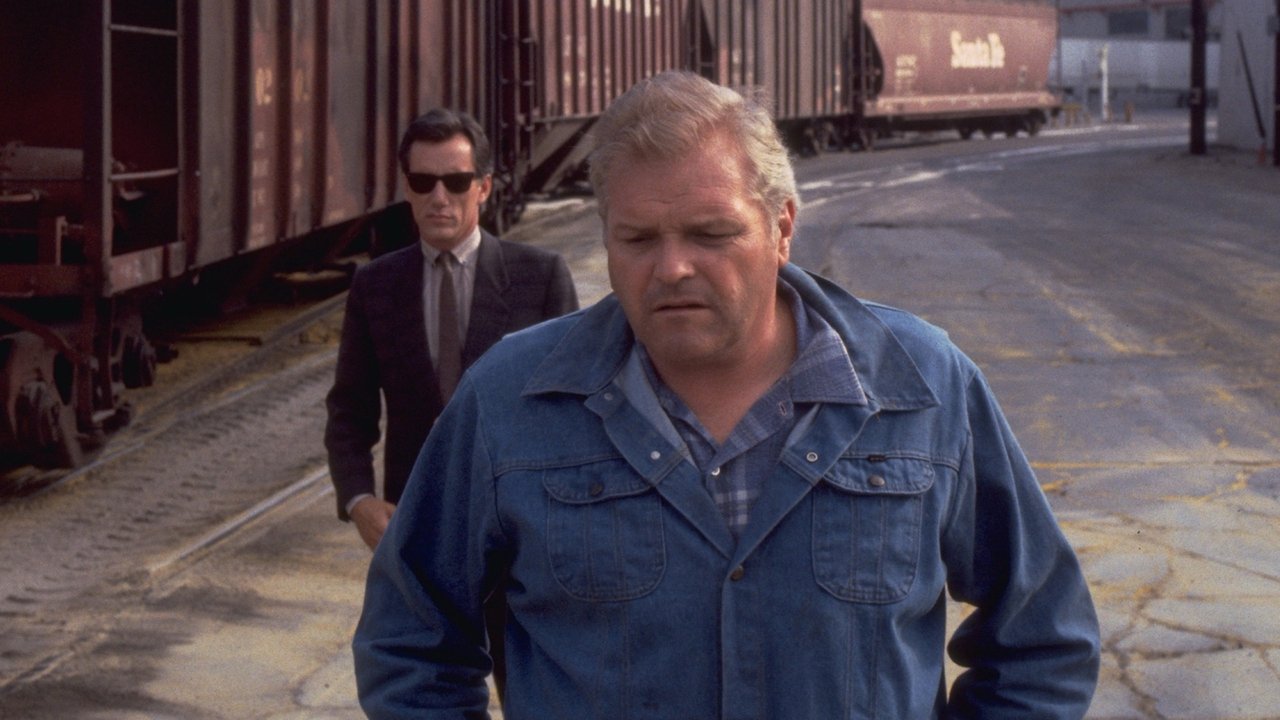
Director John Flynn, known for his lean, mean approach in films like Rolling Thunder (1977) and later Out for Justice (1991), brings a suitably gritty, efficient style to the proceedings. He doesn’t linger unnecessarily, keeping the pace taut and focusing on the building pressure between the two men. The action sequences, when they come, feel brutal and grounded, fitting the noir-ish tone. Flynn understood that the real fireworks were in the psychological clashes, not just the gunfights. The film captures that slightly sleazy, sun-baked Los Angeles vibe common in 80s thrillers, a landscape where corporate corruption festers behind gleaming glass towers.
It's fascinating to look back now, knowing that despite the high-concept premise and powerhouse performances, Best Seller was something of a commercial disappointment, making back just over half of its roughly $8 million budget. Why didn't it connect more broadly? Perhaps the moral ambiguity was a tougher sell than the more clear-cut heroics of other action thrillers popular at the time. Maybe the darkness at its core, the uncomfortable questions it poses about complicity and the nature of storytelling, felt less like escapism. It's a shame, because Orion Pictures, a studio that gave us so many 80s staples, had a genuinely sharp, adult thriller on their hands here. I remember renting this one – probably more than once – from the local video store, feeling like I'd stumbled onto something a bit more complex, a bit more unsettling than the usual fare.
### The Lingering Questions
Even with some plot mechanics that feel familiar to the genre now, the film holds up remarkably well because its central conflict remains potent. What is the cost of exposing evil? Does the storyteller become tainted by the story they tell? Cleve represents a kind of dangerous knowledge, a truth so toxic it might destroy the person who wields it. Meehan's journey isn't just about catching a villain; it's about navigating the treacherous path Cleve lays out for him without losing his own soul. Victoria Tennant also deserves mention for her solid supporting role, adding another layer to Meehan's personal stakes.
Does the film tie everything up neatly? Perhaps a little too conveniently in the final act for some, but the journey there is fraught with genuine tension and ethical quandaries. What lingers isn't just the memory of specific scenes, but the unsettling dynamic between the cop and the killer, the writer and his subject. It asks you to consider the compromises we make, the darkness we might court for success or perceived justice.
Rating: 8/10
Best Seller earns this score primarily on the strength of its brilliant central premise and the absolutely riveting performances by James Woods and Brian Dennehy. Their dynamic elevates the material, making it a compelling psychological thriller wrapped in action clothing. While perhaps constrained slightly by some 80s thriller conventions and a less-than-stellar box office run that relegated it to "underrated" status, its core tension and moral questions remain potent. It's a sharp, cynical, and thoroughly engaging piece of filmmaking that deserves to be rediscovered by anyone who appreciates a thriller with brains and bite.
It leaves you pondering: If you had the chance to write the ultimate exposé, but your source was the monster himself, would you take the deal? That question alone makes Best Seller worth revisiting on a quiet night.