### That Ringing Phone, That Sinking Feeling
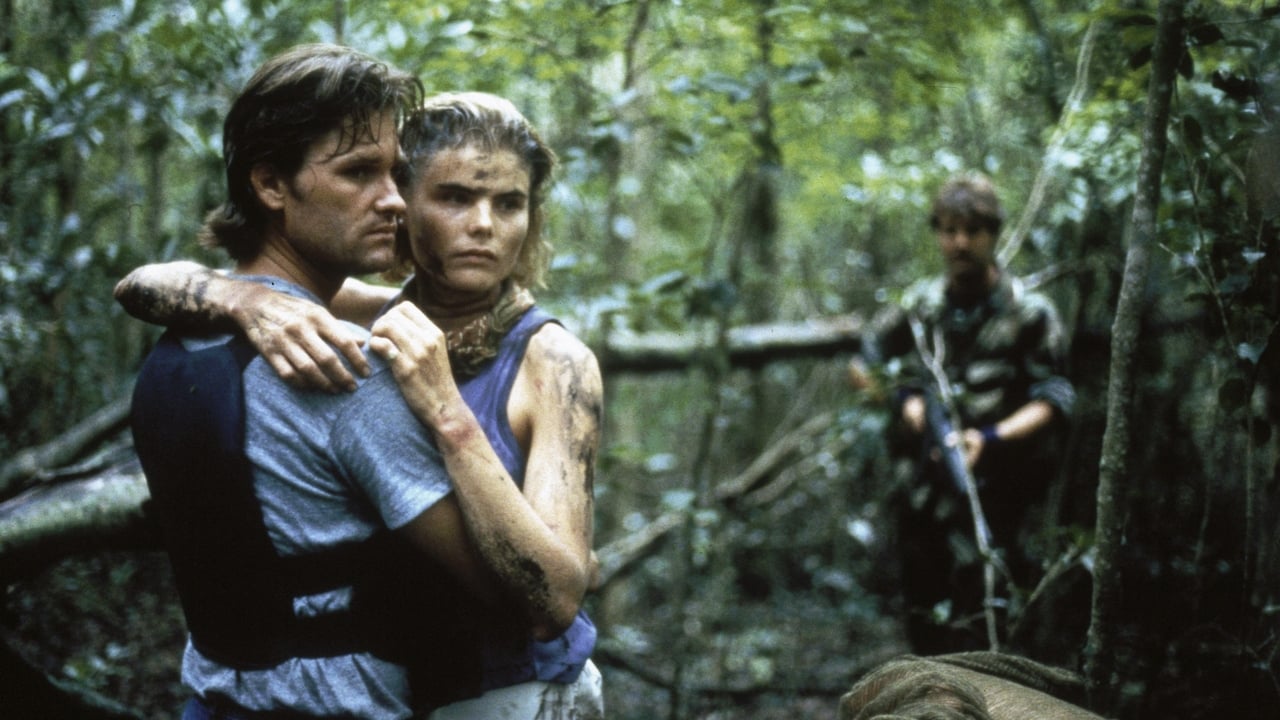
Remember that specific kind of dread that settles in your stomach during a really effective thriller? Not the jump-scare kind, but the slow-burn, morally queasy kind? The Mean Season (1985) delivers that feeling in spades, tapping into something deeply unsettling about ambition, media ethics, and the darkness that can lurk behind a seemingly ordinary voice on the phone. It’s one of those 80s thrillers that might have initially flown under the radar, overshadowed by flashier blockbusters on the video store shelves, but revisiting it now reveals a surprisingly thoughtful and tense piece of filmmaking. I recall picking up the distinctive VHS box, drawn perhaps by Kurt Russell's familiar face, expecting maybe another slice of action, but finding something altogether more troubling and resonant.
### Miami Vice, Miami Vices
Set against the backdrop of a sweltering, pre-Art Deco revival Miami summer – filmed, incidentally, during a real record-breaking heatwave which undoubtedly added to the palpable sweat and tension on screen – the film follows Malcolm Anderson (Kurt Russell), a disillusioned star reporter for a major Miami newspaper. He's dreaming of escaping the crime beat, maybe moving somewhere quieter with his schoolteacher girlfriend, Christine (Mariel Hemingway). But then the phone rings. On the other end is a methodical, intelligent killer who has just claimed his first victim and wants Anderson, specifically, to be his conduit to the public. What starts as the scoop of a lifetime rapidly spirals into a dangerous game of cat and mouse, forcing Anderson to confront the ethical compromises inherent in his profession and the seductive, terrifying nature of notoriety.
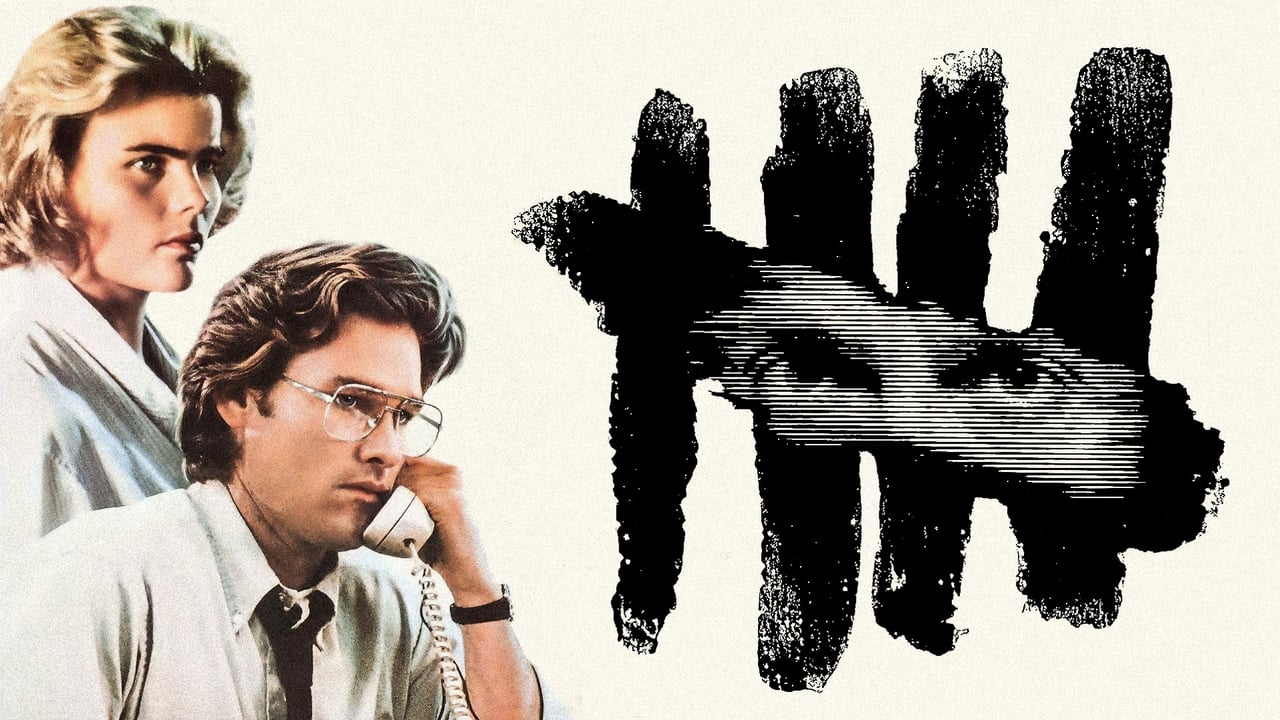
The screenplay, adapted by Leon Piedmont and the novel's author John Katzenbach (himself a former crime reporter for the Miami Herald and The Miami News, lending chilling authenticity to the premise), doesn't shy away from the uncomfortable symbiotic relationship that can form between the press and those who commit heinous acts. The killer, played with chillingly calm menace by the late, great Richard Jordan, feeds Anderson exclusive details, boosting the reporter's career while simultaneously using him as a pawn. It’s a Faustian bargain played out under the relentless Florida sun, and director Phillip Borsos (who gave us the wonderful character study The Grey Fox in 1982, and tragically passed away far too young) masterfully builds the suspense, not through cheap tricks, but through the steady escalation of psychological pressure.
### Performance Under Pressure
This film arrived at a point where Kurt Russell was actively seeking roles to prove his dramatic range beyond the action heroes and charismatic rogues he often played (think Snake Plissken just a few years earlier in Escape from New York (1981)). He excels here as Anderson, perfectly capturing the character’s conflicting desires – the journalistic hunger for the story versus the growing awareness of his own complicity and the danger to those he loves. You see the ambition warring with the fear in his eyes, the way his initial excitement curdles into desperation. It’s a grounded, compelling performance that anchors the film.
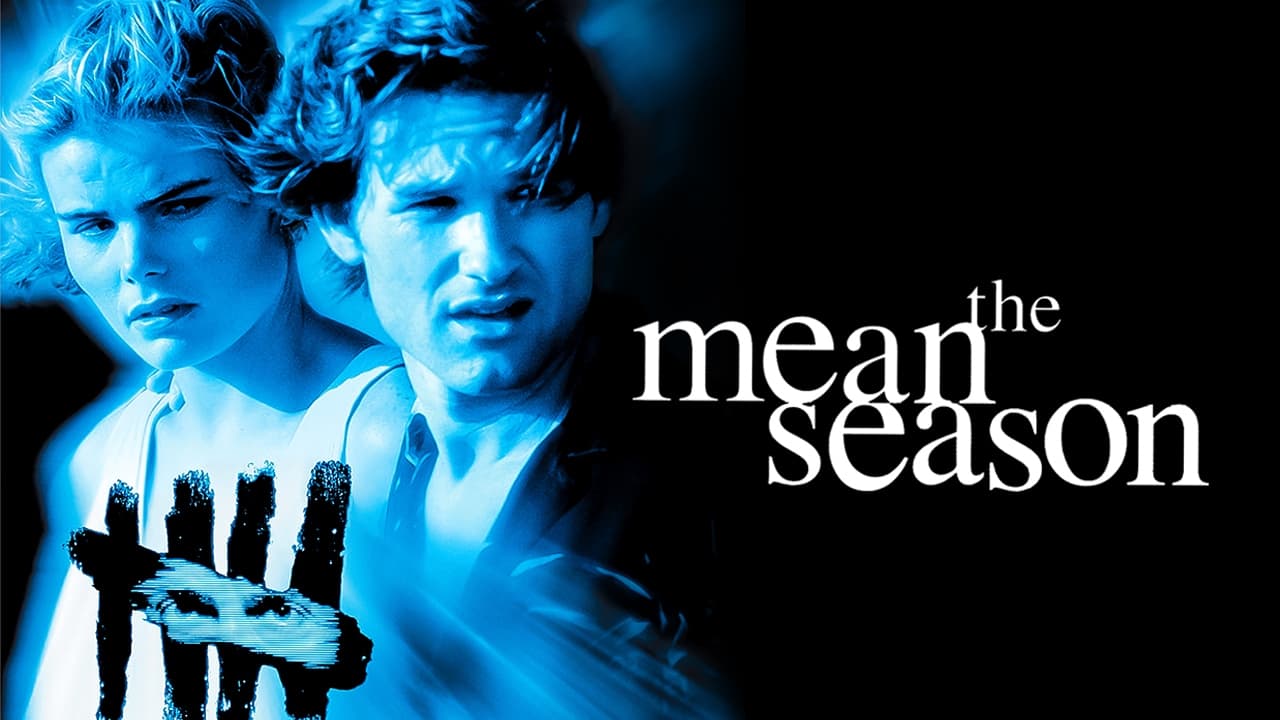
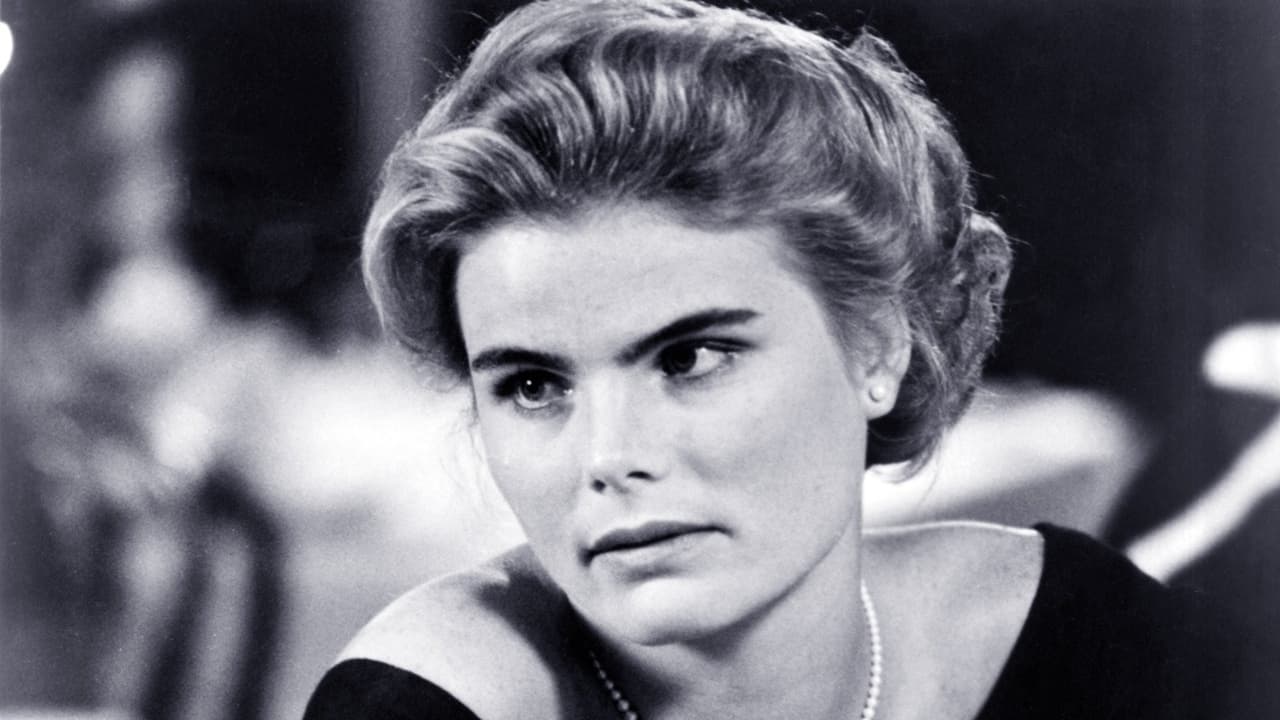
Mariel Hemingway provides the crucial emotional counterweight. As Christine, she represents the normalcy and morality that Anderson risks losing. She’s not just a damsel in distress (though she certainly faces peril); she actively questions Anderson's choices and grapples with the horror encroaching on their lives. Her performance feels authentic and relatable, making the stakes feel incredibly personal. And Richard Jordan... well, his performance is largely vocal for much of the film, but that disembodied voice, calm and articulate as it details horrific acts, is profoundly disturbing. When we finally see more of him, he avoids caricature, presenting a terrifyingly plausible vision of intelligent evil. Keep an eye out too for a very young Andy Garcia in an early supporting role as one of Anderson's colleagues.
### Behind the Headlines
While The Mean Season garnered mixed-to-positive reviews upon release and performed modestly at the box office (earning about $4.3 million on an estimated $8 million budget), its themes feel arguably even more relevant today in our hyper-mediated world. The killer's craving for attention, his manipulation of the news cycle – doesn't it echo the grim realities we often see playing out now? The film doesn't offer easy answers about media responsibility, instead forcing us to sit with the discomfort. Borsos uses the oppressive Miami locations effectively, culminating in a genuinely tense climax set during a hurricane – apparently filmed amidst near-hurricane conditions, adding a layer of chaotic realism that practical effects strove for in the VHS era. It’s a reminder of Borsos' talent, making his short career feel even more poignant.
The film isn't perfect; some plot mechanics might stretch credulity if you pull too hard on the threads. But its strengths lie in its atmosphere, its central performances, and its willingness to grapple with thorny ethical questions. It avoids the typical 80s thriller gloss, opting for a grittier, more character-driven approach that feels refreshingly mature.
Rating: 7.5/10
This rating reflects the film's strong performances, particularly from Russell and Jordan, its palpable atmosphere of dread, and its thought-provoking (and still relevant) exploration of media ethics. It’s a tight, suspenseful thriller elevated by its psychological depth, even if hampered slightly by a modest budget and occasional narrative convenience. It might not have been the biggest hit of '85, but The Mean Season remains a potent and unsettling piece of 80s cinema, a reminder that sometimes the most chilling stories are the ones whispered over a phone line, blurring the line between observer and participant. Definitely worth tracking down if you missed it back in the day.