It begins not with a crown, but with a bookish young woman utterly lost in her studies, resistant to the world clamoring outside her door. History remembers Lady Jane Grey primarily through the grim arithmetic of her reign – just nine days – but Trevor Nunn's somber 1986 film, Lady Jane, dares to look beyond the political footnote. Pulling this tape from the rental shelf, perhaps nestled between brasher period pieces or outright fantasies, felt like choosing a quiet conversation over a shouting match. And what a conversation it turned out to be, centered on the startlingly young faces of its leads caught in the unforgiving gears of Tudor politics.
A Reluctant Path to Power
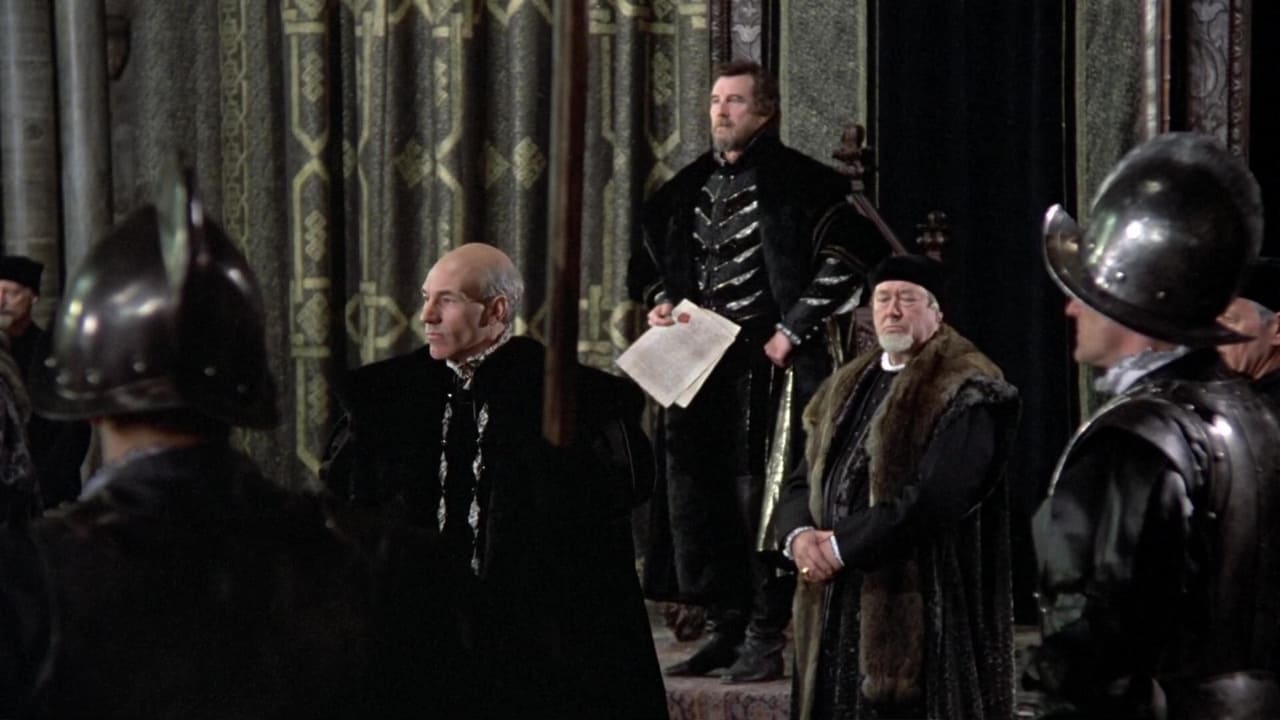
The film plunges us into the perilous final days of King Edward VI's reign. England is a tinderbox of religious and political tension, and the powerful Duke of Northumberland (John Wood, radiating calculated menace) sees a path to securing Protestant rule – and his own family's influence. His plan hinges on marrying his reluctant, somewhat foppish son, Guildford Dudley, to the intensely devout and intellectual Lady Jane Grey, Edward's cousin. It's a purely political maneuver, designed to bypass the Catholic Mary Tudor and place a controllable Protestant monarch on the throne. What Northumberland doesn't anticipate, and what forms the aching heart of the film, is that these two pawns might actually find something genuine amidst the manipulation.
Before They Were Icons
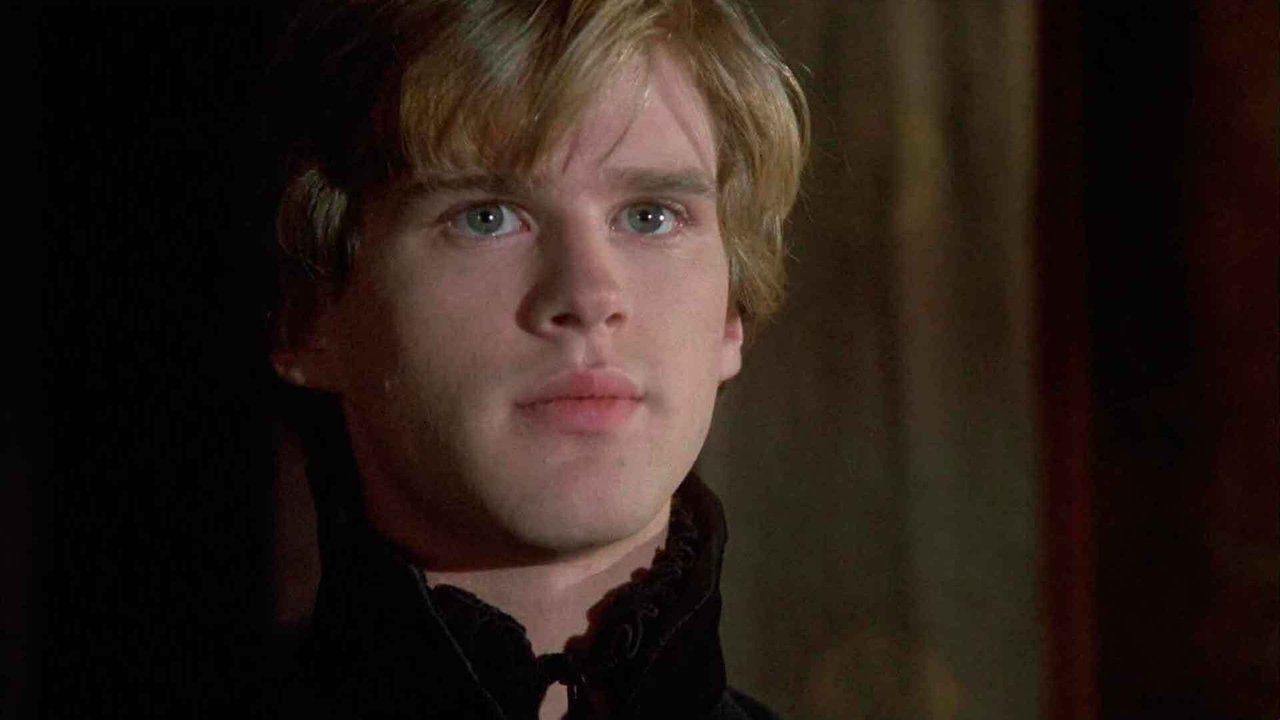
What truly anchors Lady Jane, especially watching it now through the lens of decades, are the central performances. Seeing Helena Bonham Carter here, in her very first starring role at just seventeen, is a revelation. Long before she became the beloved eccentric powerhouse of countless Tim Burton films or The Crown, she embodies Jane with a fierce, almost fragile intelligence. Initially, she’s all rigid piety and scholarly retreat, recoiling from the arranged marriage and the boorish Guildford. It’s a performance of subtle shifts, as duty, unexpected affection, and finally, a shared idealism begin to reshape her. You witness the birth of that incredible talent, raw and captivating.
Opposite her, Cary Elwes, still a few years away from asking us to prepare to die in The Princess Bride (1987), delivers equally compelling work. His Guildford initially seems the archetypal arrogant nobleman's son, more interested in drinking and carousing than statecraft or his scholarly bride. But Elwes peels back those layers, revealing a vulnerability and a growing admiration for Jane's strength and intellect that feels entirely earned. Their journey from mutual disdain to tentative tenderness, and finally to a deep, protective love, is the film's most potent achievement. Their chemistry feels authentic, born of shared circumstance and youthful discovery, making the inevitable historical outcome all the more poignant. Reportedly, director Trevor Nunn, bringing his considerable Royal Shakespeare Company experience (Nicholas Nickleby), worked intensely with his young actors to find that emotional truth, a focus evident in their nuanced portrayals.
Candlelight and Conspiracy
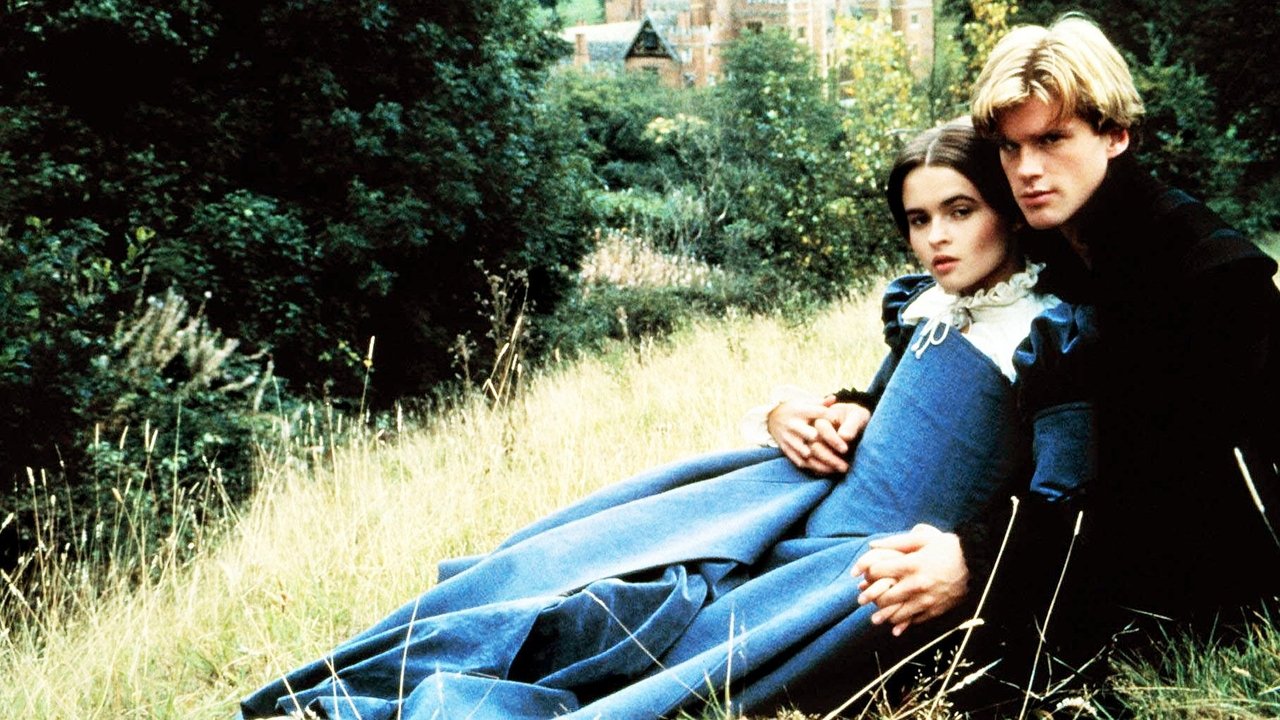
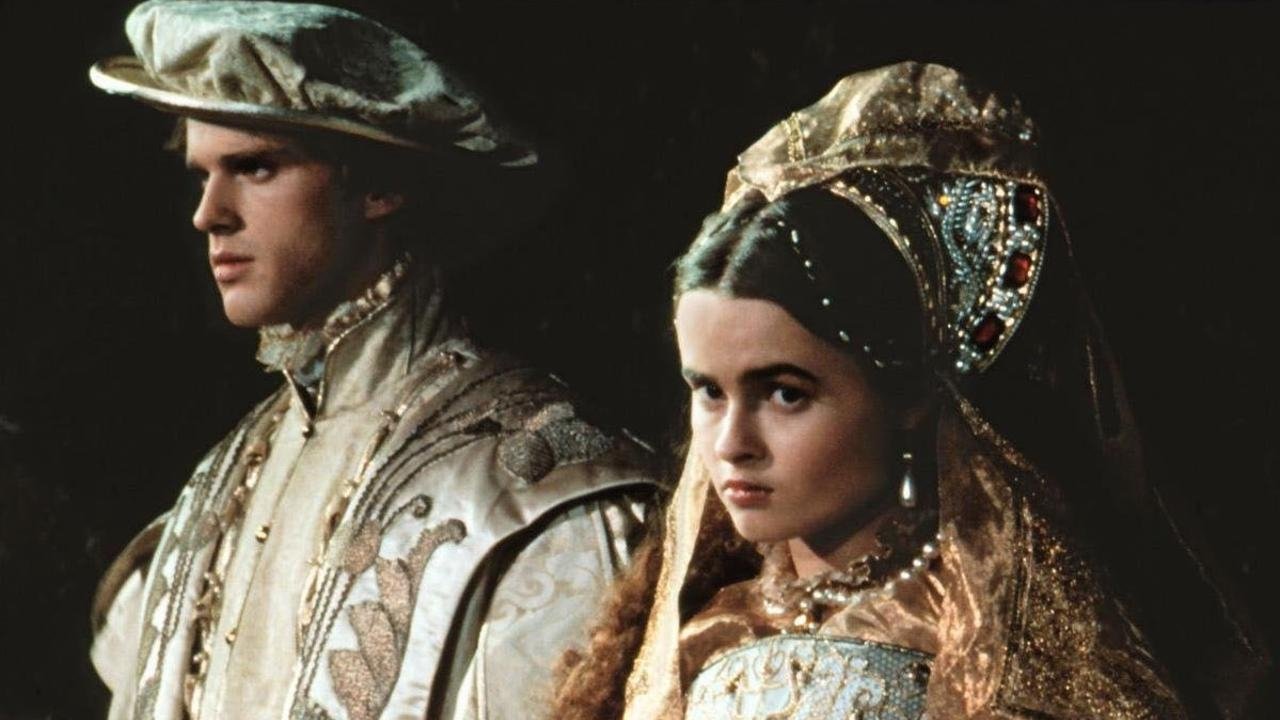
Nunn crafts a film steeped in atmosphere. The England presented here feels damp, cold, and often lit by flickering candlelight, emphasizing the shadows where political conspiracies fester. While perhaps not adhering to strict historical accuracy in every detail (the depth of Jane and Guildford's romance is debated by historians), the film captures the feeling of the era – the weight of tradition, the omnipresent threat of religious persecution, the claustrophobia of court life. Filming in authentic locations like Dover Castle and Hever Castle certainly helped cement this specific mood. It’s a far cry from the glossy, often sanitized historical epics we sometimes see; there’s a grit and a melancholy here that feels appropriate to the story. The production wasn’t lavish by blockbuster standards (estimated budget around $6 million), but the resources were clearly focused on authentic costume and set design, immersing us in Jane's world.
More Than Just a History Lesson
Lady Jane isn't simply reciting dates and names. It uses the historical framework to explore enduring questions. What happens when personal conviction clashes with political expediency? How easily are young lives sacrificed on the altar of ambition? The film portrays Jane and Guildford not just as historical figures, but as young people grappling with love, duty, and the terrifying realization that their lives are not their own. Their brief attempt to rule with idealism and compassion feels touchingly naive, doomed from the start by the entrenched powers surrounding them. Doesn't this struggle against overwhelming systems still resonate today?
It’s fascinating to think about this film’s place on the video store shelf back in the day. It certainly wasn't Top Gun. It demanded patience, offering emotional depth instead of adrenaline. Perhaps it was the tape you rented on a quiet Sunday, looking for something more substantial. Its initial reception was somewhat mixed – praised for the acting, sometimes criticized for its deliberate pacing – and it wasn't a box office smash (grossing around $2.2 million in the US). Yet, for those who discovered it, Lady Jane often left a lasting impression, a historical drama with a surprisingly potent romantic and tragic core.
Final Reflection & Rating
Lady Jane is a beautifully acted, atmospheric, and ultimately heartbreaking historical drama. It rests heavily on the shoulders of its young leads, and both Helena Bonham Carter and Cary Elwes deliver performances that hint at the major careers ahead of them. While its pacing might test viewers accustomed to faster narratives, and historians might quibble with romantic embellishments, the film succeeds in making Jane's tragic story feel immediate and deeply human. It captures the cold reality of power politics and contrasts it effectively with the warmth of an unexpected love.
Rating: 8/10 - This score reflects the powerhouse performances, the evocative atmosphere, and the emotional resonance of the central relationship. The film successfully humanizes a lesser-known historical figure and provides a showcase for its young stars, overcoming a sometimes slow pace with genuine feeling and thoughtful direction.
It's a film that stays with you, not for its spectacle, but for the quiet tragedy it portrays – a reminder of the human cost often hidden within the grand narratives of history, beautifully captured on a tape you might have easily overlooked.