## The Wind That Bites: Reflecting on Kosminsky's Wuthering Heights
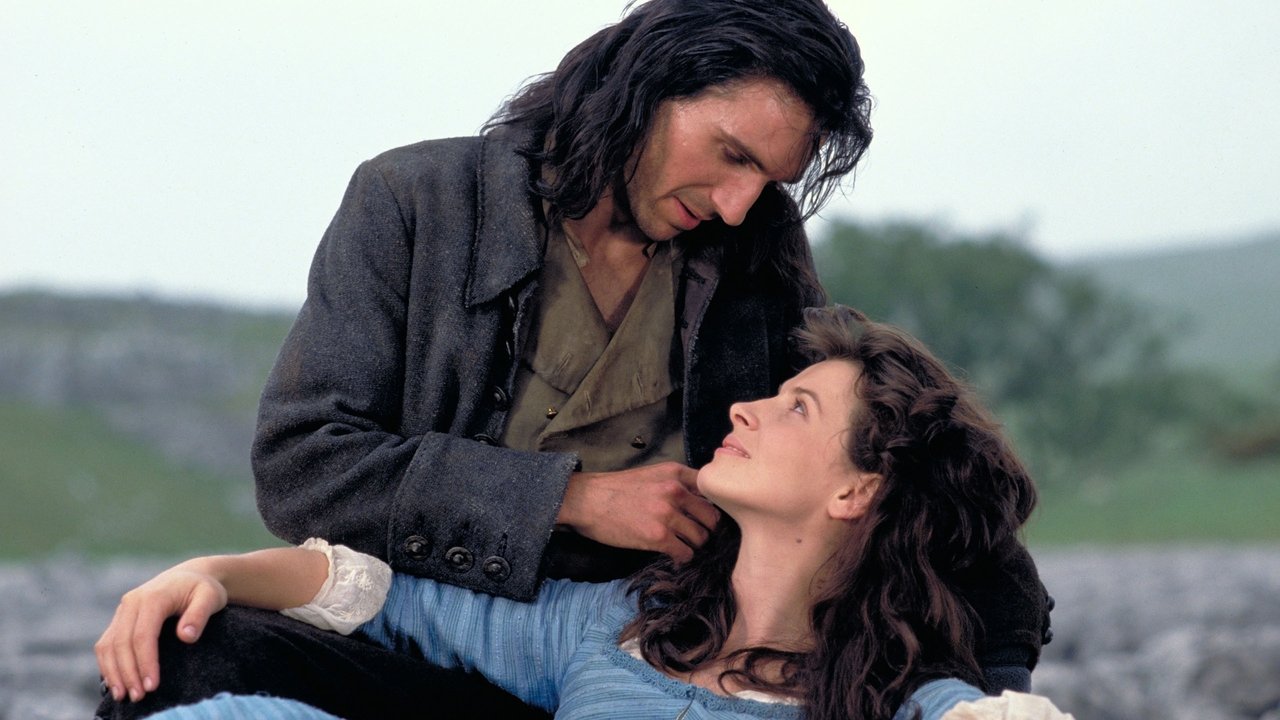
There are certain films that don't just tell a story; they inhabit you, leaving a chill that lingers long after the credits roll. Peter Kosminsky’s 1992 adaptation of Emily Brontë’s Wuthering Heights is one such film. Emerging amidst the glossier fare of the early 90s, this version felt different – starker, bleaker, less concerned with period romance tropes and more attuned to the raw, almost elemental fury at the novel's heart. It wasn’t necessarily the adaptation everyone wanted, perhaps, but it possessed a fierce integrity, anchored by a performance that announced a major new talent.
Forget the sweeping, romanticized visions some might associate with the title. Kosminsky, primarily known for his hard-hitting television work, brings a grounded, almost documentary-like feel to the windswept Yorkshire moors. The landscape isn't just a backdrop; it's an active participant – harsh, unforgiving, mirroring the turbulent emotions raging within the characters. You feel the damp, the cold, the isolation that permeates both Wuthering Heights and Thrushcross Grange, two houses locked in a grim orbit of passion and resentment.
A Heathcliff Forged in Fury
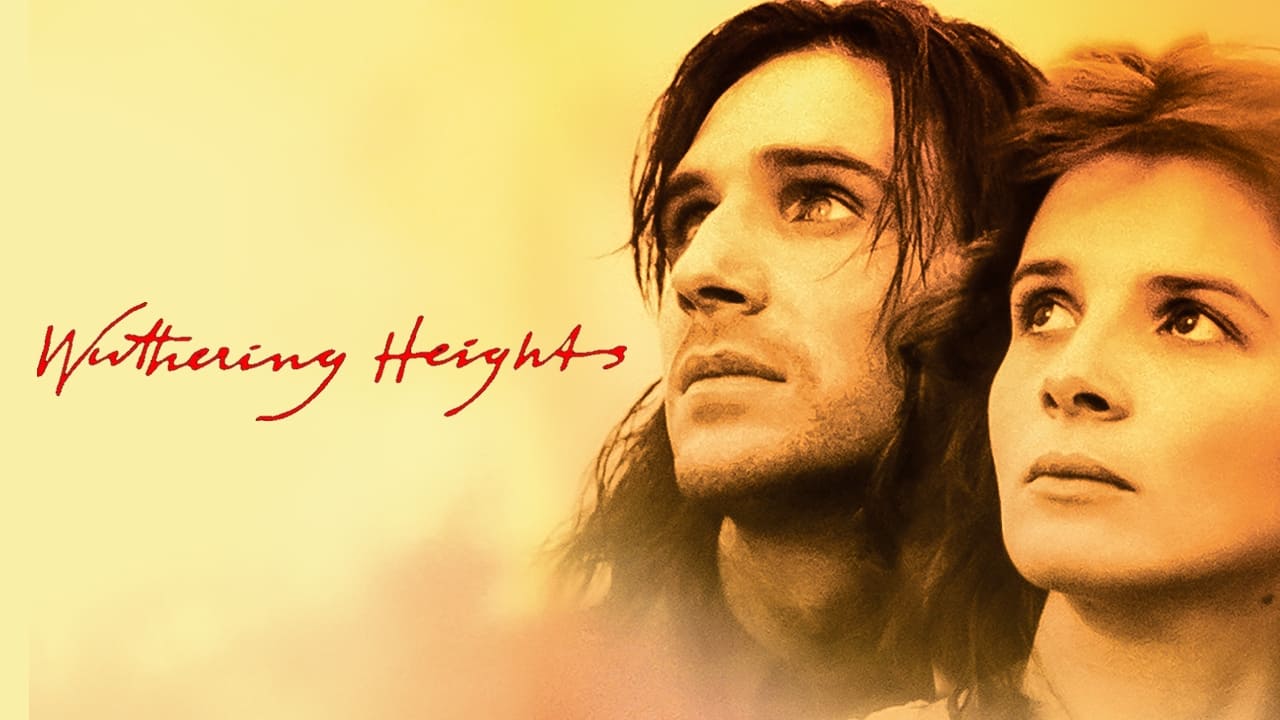
At the storm's center is Ralph Fiennes as Heathcliff. This was, remarkably, his feature film debut, secured reportedly after intense auditions that convinced the producers he embodied the necessary darkness. And what a debut it is. Fiennes isn't playing the brooding anti-hero of Hollywood convention; his Heathcliff is feral, deeply wounded, and terrifyingly consumed by vengeance. There's a coiled intensity in his gaze, a sense of barely suppressed violence that feels genuinely dangerous. He captures the character's social humiliation and the subsequent twisting of love into obsession with unnerving conviction. It’s a performance stripped of vanity, focused entirely on the character's bruised psyche. It's no surprise that his next role, Amon Goeth in Steven Spielberg's Schindler's List, would cement his international stardom – the seeds of that chilling authority are visible here.
Retro Fun Fact: The film was financed by Paramount Pictures, representing a significant gamble on a classic literary adaptation with a relatively unknown lead (Fiennes) and a director primarily from TV. The budget was around $12 million (roughly $26 million today), but it sadly failed to connect with a wide audience, grossing only about $2.5 million worldwide. It found its life, like so many challenging films of the era, on home video, where viewers could grapple with its intensity in their own time.
A Dual Role and Divided Generations
Opposite Fiennes is Juliette Binoche, fresh off acclaimed European films like The Unbearable Lightness of Being. Here, she tackles the demanding dual role of Catherine Earnshaw and her daughter, Catherine Linton Heathcliff. It’s a significant choice, emphasizing the cyclical nature of suffering and the inherited traumas passed down through generations. Binoche brings a flighty, capricious energy to the elder Cathy, torn between her wild connection to Heathcliff and the allure of societal stability represented by Edgar Linton. Her portrayal of the younger Cathy offers a contrast, showing resilience tempered by the harsh realities of her upbringing. While Binoche is undeniably compelling, the dual casting, intended to highlight thematic parallels, can occasionally feel a little indistinct, perhaps slightly diffusing the unique tragedy of each character.
One of the film's most notable aspects – and a key differentiator from many previous adaptations – is its commitment to telling the whole story. Kosminsky and screenwriter Anne Devlin bravely include the second half of Brontë's novel, detailing the lives of the younger generation (Catherine, Linton Heathcliff, Hareton Earnshaw). This gives the narrative a scope and thematic richness often sacrificed for conciseness. It allows the devastating consequences of Heathcliff's revenge to fully unfold, showing how his bitterness poisons not just his own life, but the lives of everyone drawn into his vortex.
Retro Fun Fact: Including the second generation was a deliberate, almost corrective, decision. Many prior adaptations, including the famous 1939 version with Laurence Olivier, ended with Cathy's death, focusing solely on the initial romance. Kosminsky's version aimed for a more faithful representation of the novel's sprawling, multi-generational structure and its exploration of cruelty's enduring legacy.
Atmosphere Over Ardor
The film's power lies less in conventional romance and more in its potent atmosphere. The cinematography by Mike Southon captures the stark beauty and oppressive gloom of the Yorkshire locations, emphasizing mud, stone, and turbulent skies. Ryuichi Sakamoto's score is equally crucial, often haunting and melancholic, sometimes swelling with discordant passion, perfectly complementing the emotional landscape. It avoids lush romanticism, instead underscoring the story's inherent tragedy and unease.
There's a rawness here that might have felt jarring on first viewing, especially if discovered on a rental tape expecting something more akin to a Merchant Ivory production. This isn't a comfortable watch. It demands engagement with difficult themes: the destructive power of obsession, the rigid cruelties of class, the way trauma ripples outwards. What lingers isn't a sense of tragic romance, but the profound desolation left in the wake of unchecked hatred and thwarted love. How does Heathcliff's journey resonate differently now, in an era perhaps more attuned to discussions of trauma and its effects?
Retro Fun Fact: The production faced its own challenges mirroring the novel's harsh setting. Filming on location in Yorkshire meant contending with authentic, often brutal, weather conditions which, while difficult for cast and crew, undeniably contributed to the film's visceral sense of place and struggle.
Final Reckoning
Peter Kosminsky's Wuthering Heights is an ambitious, often harrowing adaptation that prioritizes the novel's darkness and psychological complexity over easy sentiment. It's anchored by a truly formidable debut performance from Ralph Fiennes and bolstered by its atmospheric fidelity and brave inclusion of the novel's full narrative arc. While perhaps not perfectly paced, and occasionally feeling overburdened by the density of its source material, its unflinching portrayal of destructive passion leaves a significant mark.
Rating: 7.5/10
Justification: The film earns high marks for Fiennes's towering performance, its atmospheric power, Sakamoto's score, and its commendable faithfulness to the novel's full scope, including the often-neglected second generation. The .5 deduction reflects minor pacing issues inherent in compressing such a dense book and the feeling that Binoche's dual role, while conceptually interesting, doesn't quite land with the intended full impact across both characters. However, its seriousness, intensity, and refusal to romanticize the darkness make it a compelling and memorable adaptation.
It remains a potent reminder that some stories aren't meant to soothe, but to confront – leaving you pondering the wild, untamable landscapes of the human heart, long after the Yorkshire wind seems to have died down on screen.