Some books feel unfilmable, their essence residing so deeply in the prose, the interiority, the sheer weight of literary history. Gustave Flaubert's Madame Bovary is undoubtedly one of them. So, when a filmmaker dares to try, especially one with the pedigree of Claude Chabrol, the master of dissecting bourgeois tension, you lean in. Finding Chabrol's 1991 adaptation on a video store shelf back in the day, perhaps sandwiched between a mainstream thriller and a forgotten comedy, felt like discovering a hidden, more substantial offering. It promised something different, a seriousness that stood out, and revisiting it now evokes that same sense of quiet anticipation.
### The Weight of Fidelity
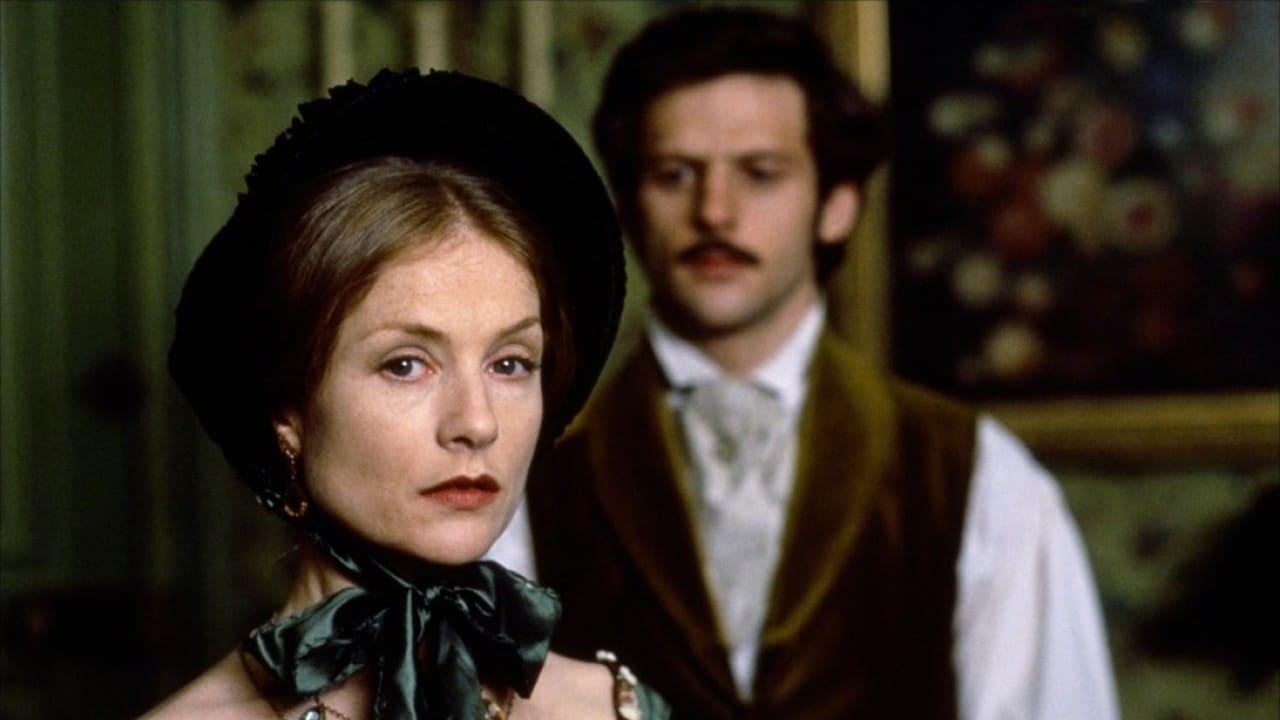
What immediately strikes you about Chabrol's Madame Bovary is its almost devotional faithfulness to Flaubert's text. This wasn't a reimagining or a modern interpretation; it was an attempt to translate the novel onto the screen with meticulous care. Chabrol, known for his sharp, often cynical thrillers like Le Boucher (1970) or later La Cérémonie (1995), had apparently harboured the desire to adapt Bovary for decades. He reportedly treated the novel almost as his screenplay, preserving vast amounts of dialogue and descriptive detail. This commitment is both the film's greatest strength and, perhaps, its most challenging aspect. The result is visually sumptuous and narratively precise, but sometimes carries an air of careful reverence that can feel slightly detached. Did this unwavering loyalty serve the cinematic experience as well as it served the literary source?
### Isabelle Huppert: An Emma for the Ages
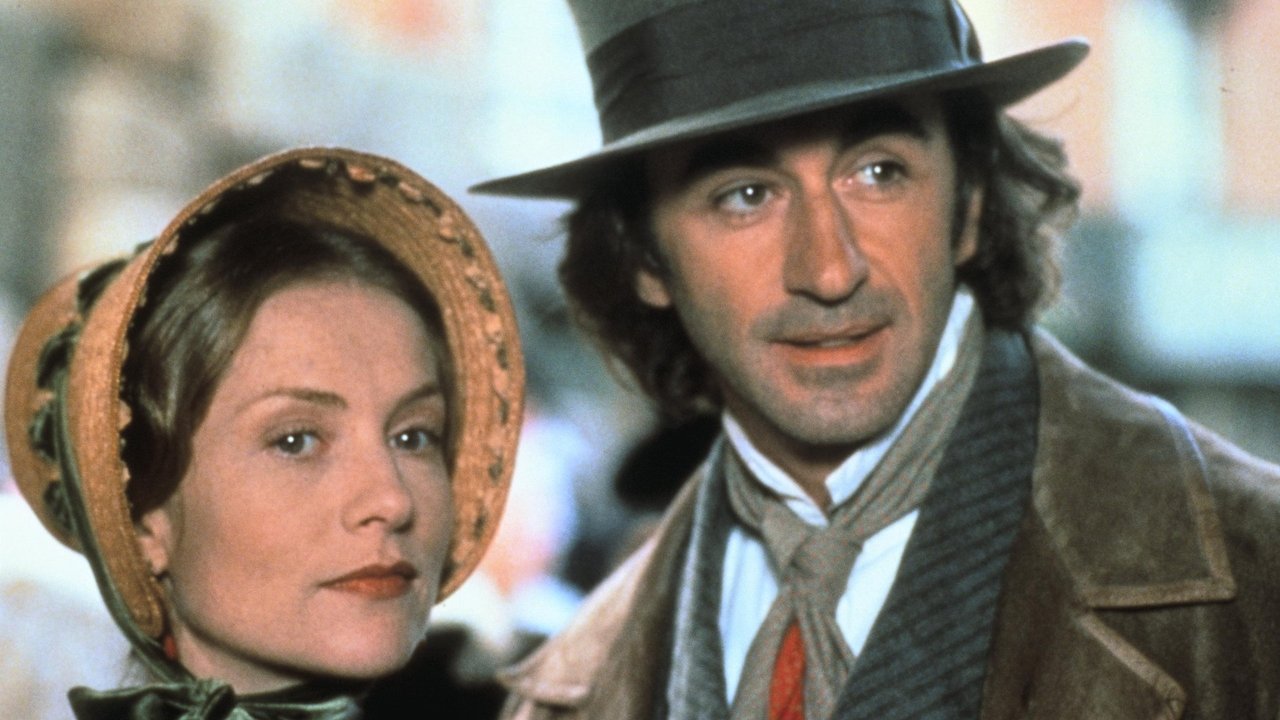
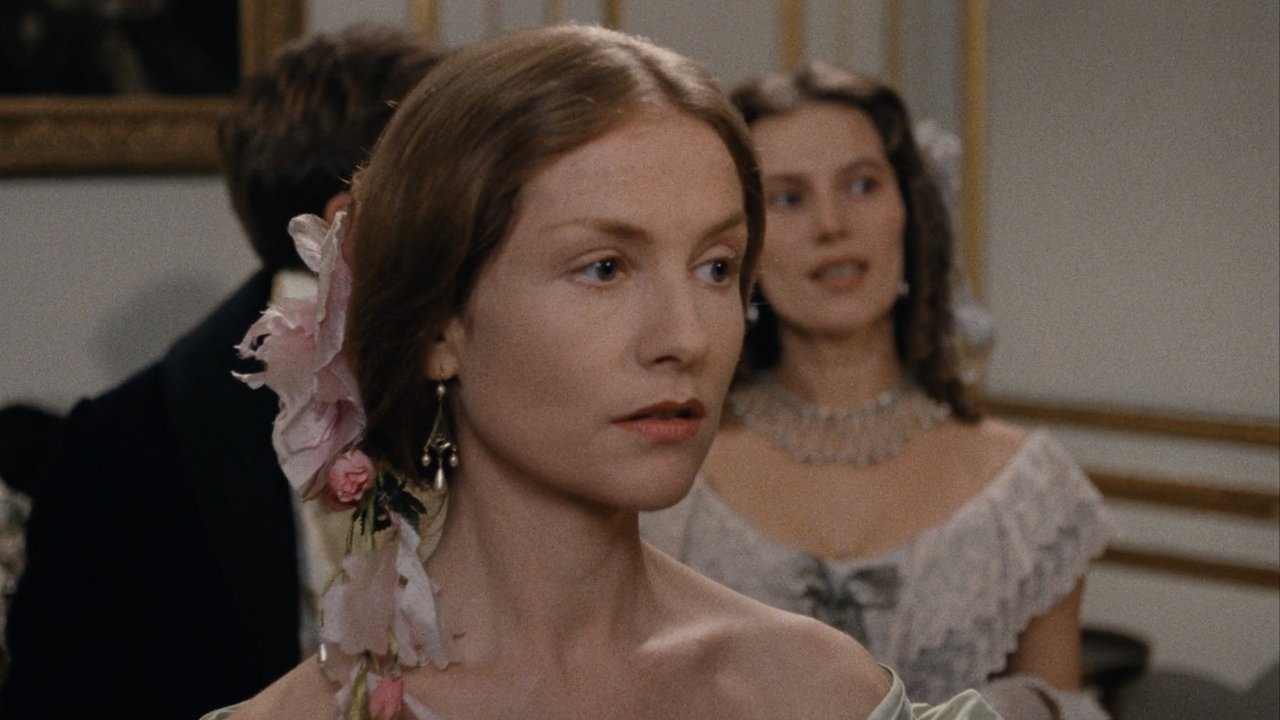
At the heart of this adaptation, embodying the tragic yearning of Emma Bovary, is Isabelle Huppert. And what a choice. Huppert, a frequent collaborator with Chabrol, possesses an almost unparalleled ability to convey complex inner turmoil beneath a seemingly placid surface. Her Emma isn't overtly melodramatic; instead, she radiates a chilling discontent, a profound boredom edged with desperation. Watch her eyes drift during conversations with her kind but crushingly dull husband, Charles (Jean-François Balmer), or the flicker of avarice and romantic delusion when contemplating finer things or potential lovers like Rodolphe (Christophe Malavoy) or Léon (Lucas Belvaux). Huppert doesn't just play Emma's dissatisfaction; she inhabits her fundamental emptiness, the void that drives her towards ruinous affairs and crippling debt. It's a performance of immense control and subtlety, arguably one of the definitive screen interpretations of the character. There's a fascinating anecdote that Huppert found the elaborate period costumes incredibly restrictive, a physical constraint that perhaps mirrored Emma's own societal confinement, adding another layer to her portrayal.
### Chabrol's Clinical Gaze
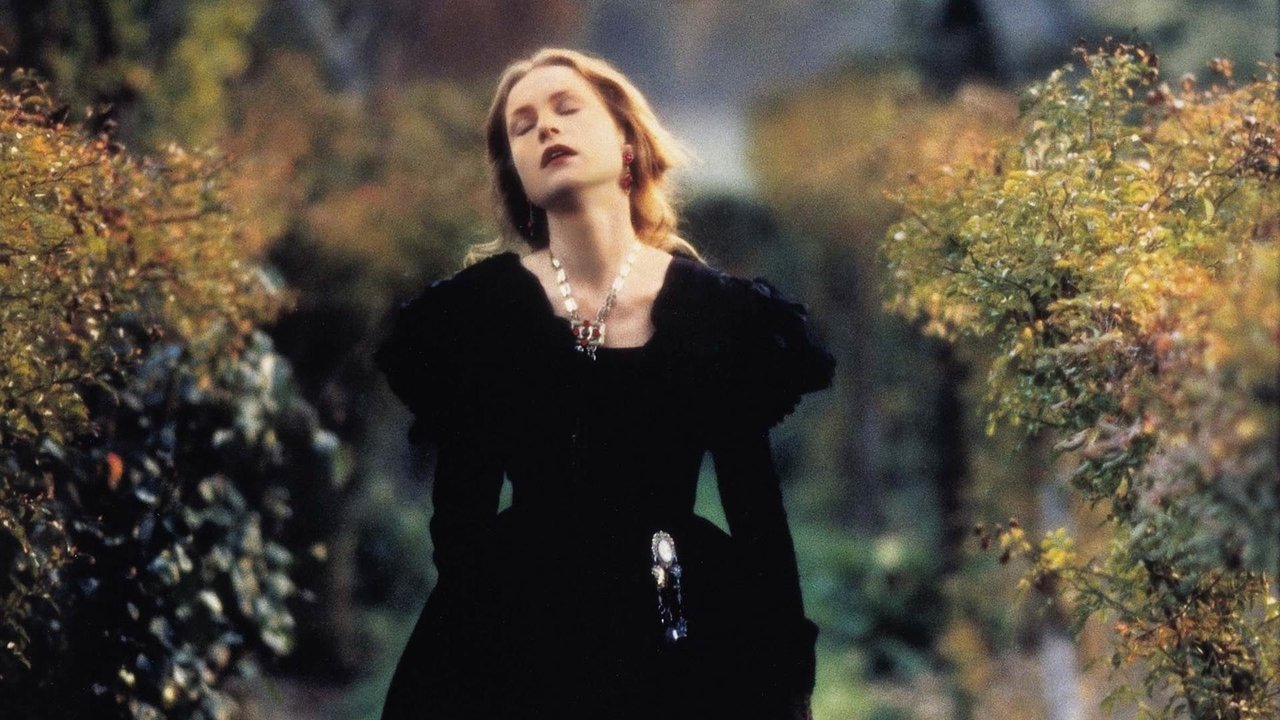
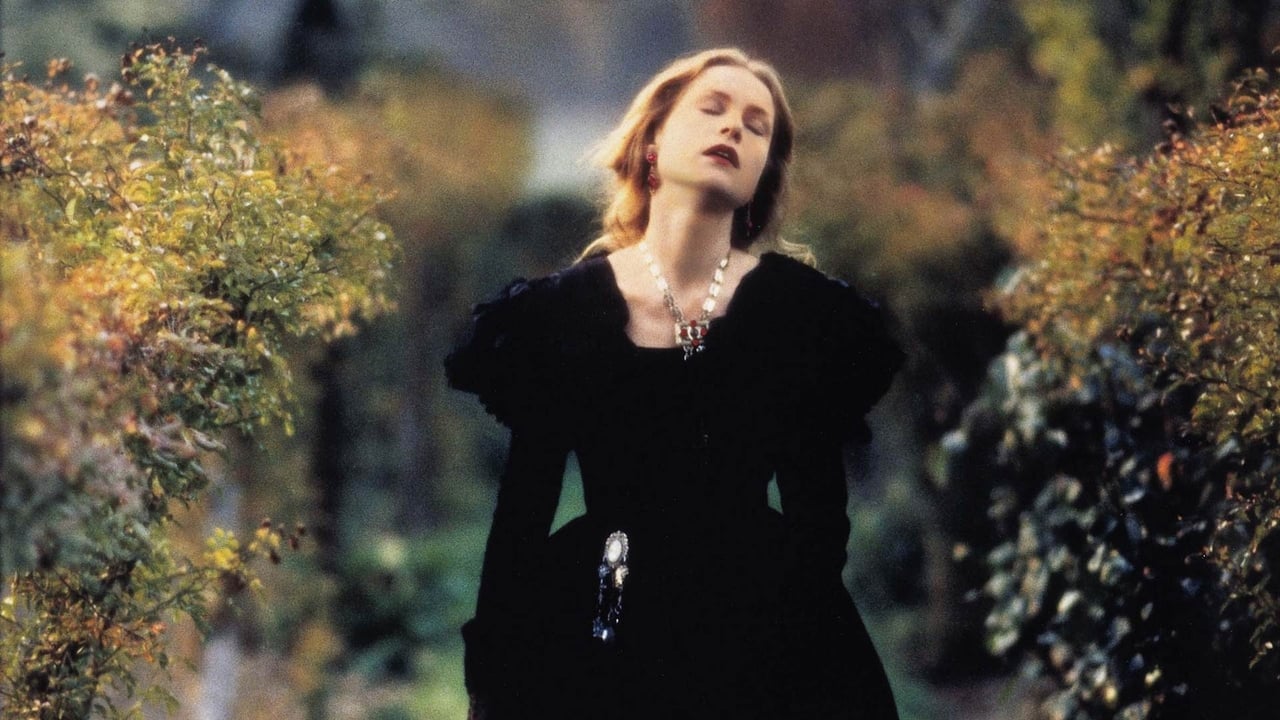
Chabrol's direction mirrors the precision of Flaubert's prose. The camera often observes with a cool detachment, framing scenes with a painterly eye for composition and period detail. The costumes, the sets, the provincial French landscapes – everything feels authentic, meticulously researched, reflecting the film's substantial budget (reportedly one of the most expensive French productions up to that point). There are no flashy directorial tricks here, no overt attempts to 'modernize' the story. Instead, Chabrol trusts the material and his lead actress. This clinical approach effectively highlights the suffocating nature of Emma's environment and the inexorable path of her downfall. Yet, sometimes one wishes for a spark more of cinematic fire, a moment where the film breaks free from its literary anchor and truly soars on its own terms. Does this careful restraint make the tragedy feel more inevitable, or does it occasionally dampen the emotional impact?
### The Bourgeois Trap
Supporting players Jean-François Balmer as Charles and Christophe Malavoy as the cynical Rodolphe are perfectly cast, embodying the pillars of Emma's confinement and disillusionment. Balmer, in particular, is heartbreaking as the decent, loving, but ultimately clueless husband, utterly blind to the storm raging within his wife. His simple contentment throws Emma's restless ambition into stark relief. The film excels at portraying the stifling social mores and limited options for women in 19th-century provincial France. Emma's tragedy isn't just personal; it's deeply rooted in a society that offers women few outlets for intelligence, ambition, or desire outside the domestic sphere. Her pursuit of romantic ideals, gleaned from novels, clashes brutally with the mundane reality she cannot escape.
Watching it now, transported from the era of CRT screens and tracking adjustments, the film's deliberate pacing feels even more pronounced. It demands patience, asking the viewer to sink into its rhythms and observe the slow, painful unraveling of a life. This isn't a film that grabs you by the lapels; it's one that slowly tightens its grip. It might not have been the most talked-about VHS rental of its week back in '91, likely overshadowed by more immediately gratifying fare, but its thoughtful construction and Huppert's magnetic central performance leave a lasting impression.
---
Rating: 8/10
This score reflects the film's undeniable craft, its remarkable fidelity to a notoriously difficult source, and, above all, Isabelle Huppert's towering performance. The meticulous production design and Chabrol's intelligent, observant direction create an authentic and immersive world. It loses a couple of points perhaps for its very faithfulness, which occasionally results in a certain emotional coolness or a pace that might test some viewers accustomed to more dynamic adaptations. However, as a serious, thoughtful rendering of a literary masterpiece, anchored by an unforgettable lead actress, it remains a significant achievement.
Final Thought: Chabrol's Madame Bovary may not be the most passionate adaptation, but its cool precision and Huppert's haunting portrayal offer a profound, unsettling look at a soul consumed by the chasm between romantic dreams and bleak reality – a theme Flaubert made immortal, and which still resonates uncomfortably today.