The flickering fluorescent lights of the video store often promised straightforward thrills – explosions, one-liners, a familiar action hero dispatching bad guys. But sometimes, nestled between the predictable fare, you’d find a tape whose cover hinted at something… different. Something heavier. 1994's On Deadly Ground was one such tape, presenting Steven Seagal, not just as an Aikido-wielding force of nature, but as a director with a message, wrapped in the stark, unforgiving beauty of the Alaskan wilderness. And there's a strange kind of chill that lingers from this one, less from supernatural horror and more from the collision of brutal violence with impassioned, almost desperate, sincerity.
### Big Oil, Big Problems, Big Man
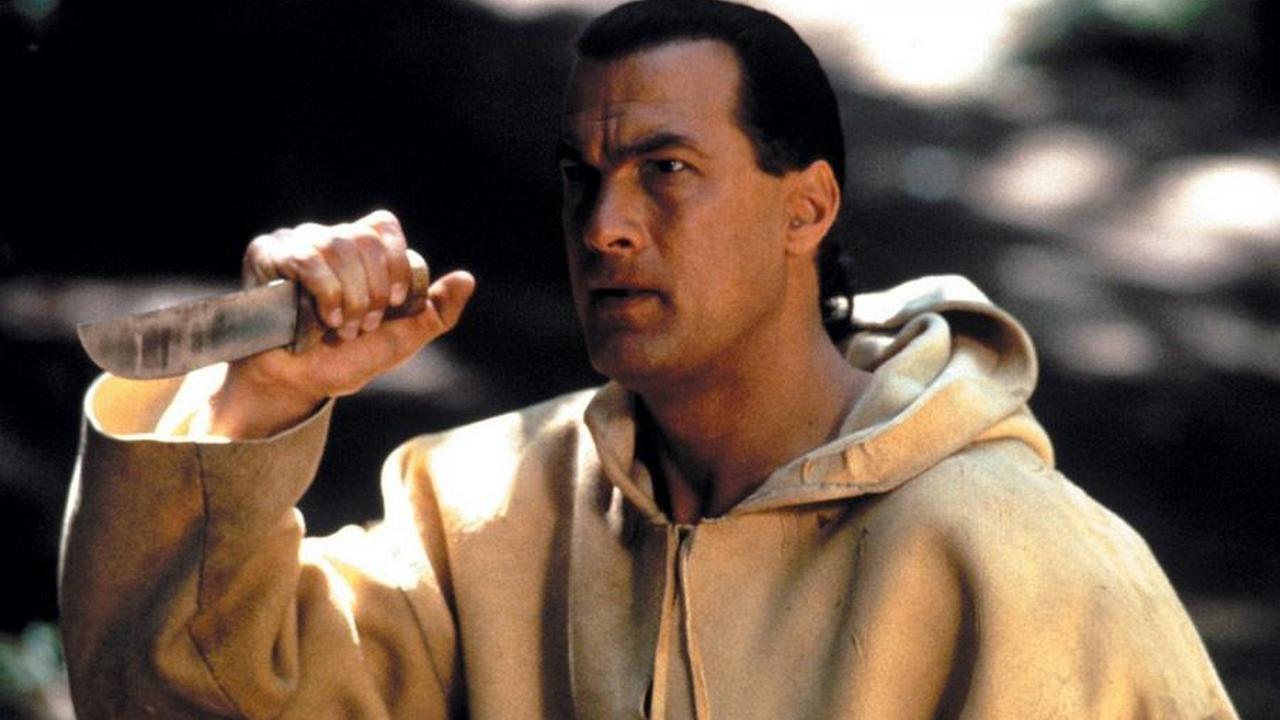
The setup feels familiar enough for a 90s action vehicle: Forrest Taft (Steven Seagal) is an elite specialist working for Aegis Oil, tasked with extinguishing oil rig fires. He’s the best there is, a man who understands the raw, destructive power of fire and pressure. But Taft begins to suspect his ruthless boss, Michael Jennings (Michael Caine, radiating pure, calculating menace), is cutting corners on safety to maximize profits, deliberately using faulty equipment that jeopardizes lives and threatens an environmental catastrophe on native Yup'ik land. It’s a classic whistleblower setup, primed for explosions and hand-to-hand combat. But On Deadly Ground wants to be more. It injects a potent dose of environmentalism and spiritual awakening into the mix, transforming Taft from a mere action hero into an eco-warrior guided by ancient wisdom. This shift, while noble in intent, gives the film its uniquely jarring, often uneven rhythm.
Michael Caine reportedly quipped he took the villain role because the pay cheque would cover a down payment on a new house, famously saying he never saw the film but that "by all accounts it is terrible. However, I have seen the house and it is terrific." Despite this potentially mercenary motivation, Caine delivers a genuinely effective performance. His Jennings is chillingly pragmatic, embodying corporate greed with an icy conviction that makes him a memorable antagonist, a stark contrast to Seagal's stoic intensity. His presence lends a weight the film desperately needs, especially when the script veers into preachier territory.
### An Eco-Warrior's Violent Sermon
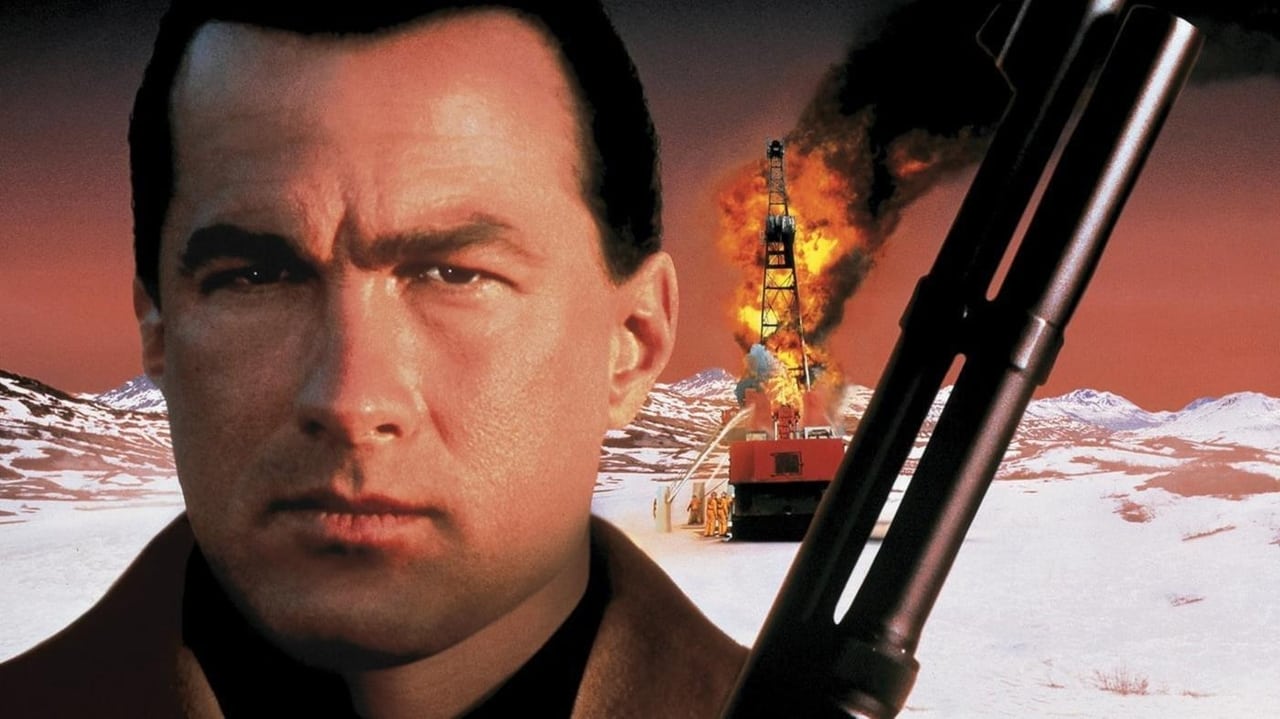
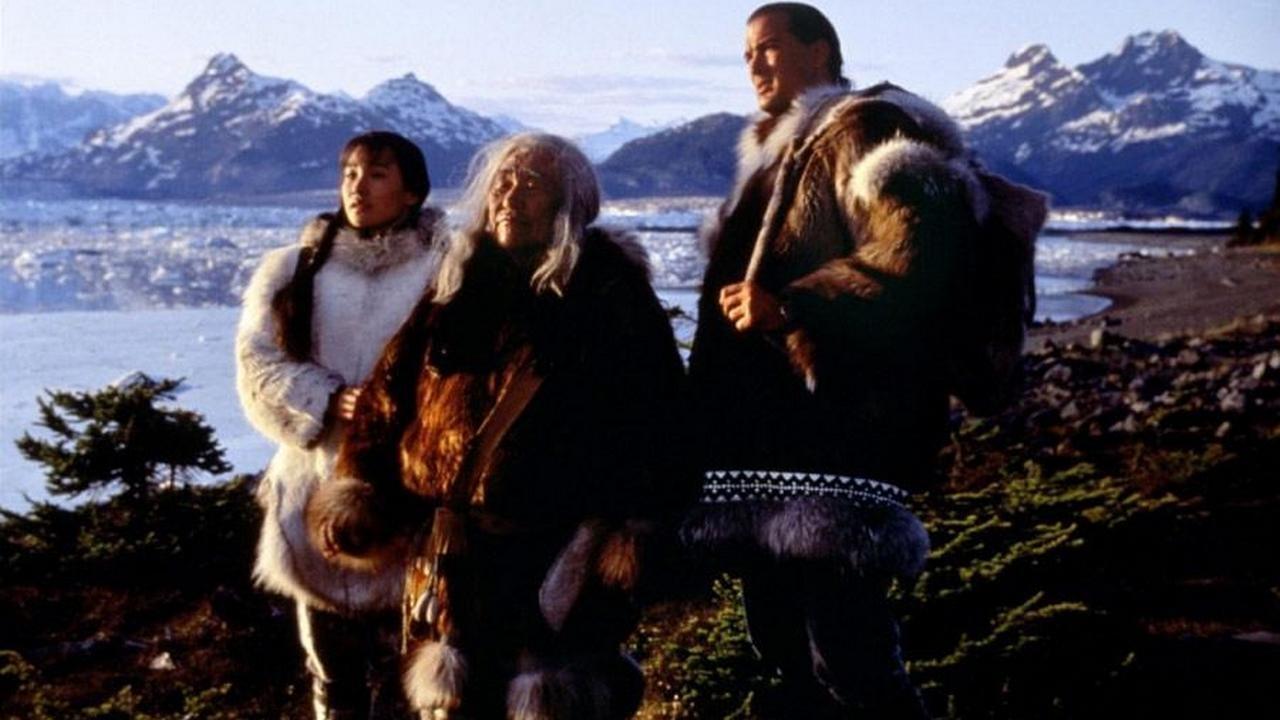
This was Steven Seagal’s directorial debut, a passion project reportedly born from his own environmental concerns. Handed a hefty $50 million budget (roughly $100 million today), Seagal clearly aimed for scale – the oil rig infernos are impressive, practical effects infernos that feel genuinely dangerous, harking back to a time before CGI smoothed over every rough edge. The Alaskan locations provide a stunning, often desolate backdrop that enhances the film's atmosphere. You feel the cold, the isolation, the vastness of the landscape that Jennings is so casually willing to poison.
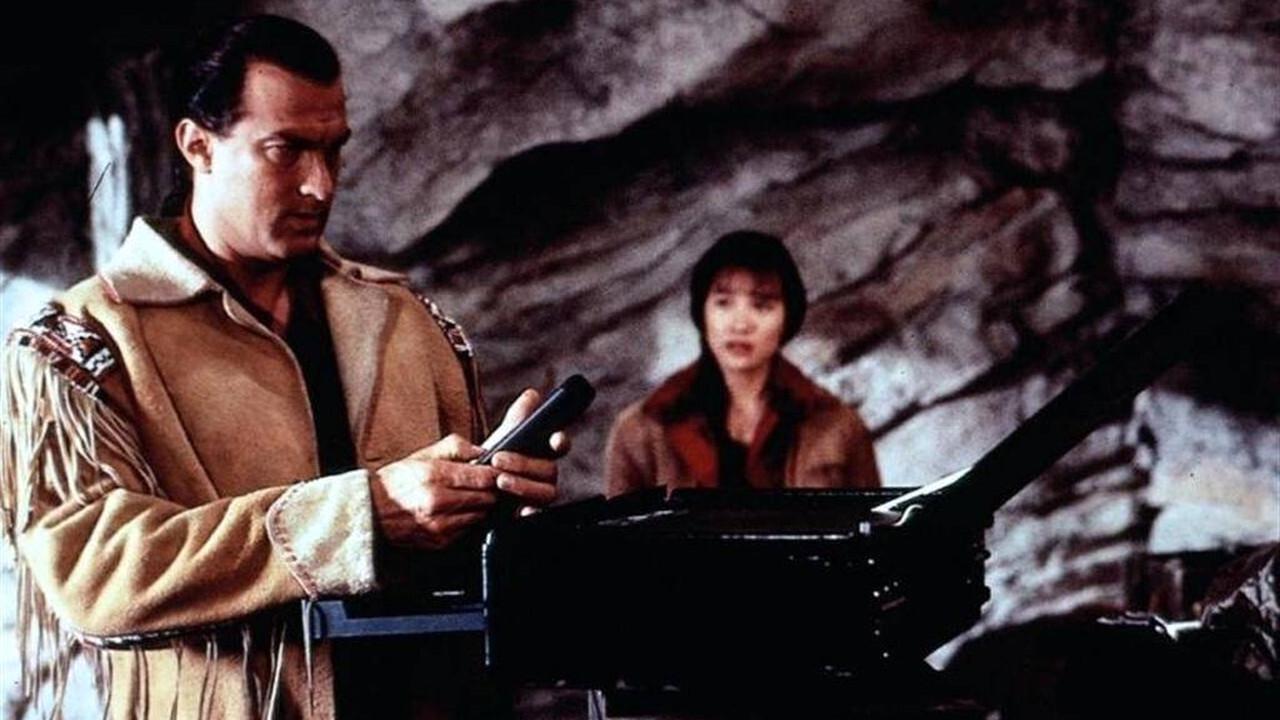
However, Seagal the director often seems at odds with Seagal the established action star. The film grinds to a halt for lengthy sequences involving Taft’s spiritual journey with the Yup'ik people, led by Silook (Joan Chen). While these scenes aim for depth and cultural respect, they disrupt the pacing expected from a Seagal action flick. It’s here the film’s earnestness becomes most apparent, and perhaps, most awkward. Did anyone renting this in '94 truly expect a lengthy dream sequence involving spirit animals and profound ecological lessons? It was certainly… unexpected. This ambitious tonal juggling act is perhaps why the film struggled to find its audience and critics alike, pulling in only $78 million worldwide – barely recouping its production and marketing costs – and earning a slew of Razzie nominations, including Worst Picture and Worst Director for Seagal himself.
### The Brutality Beneath the Message
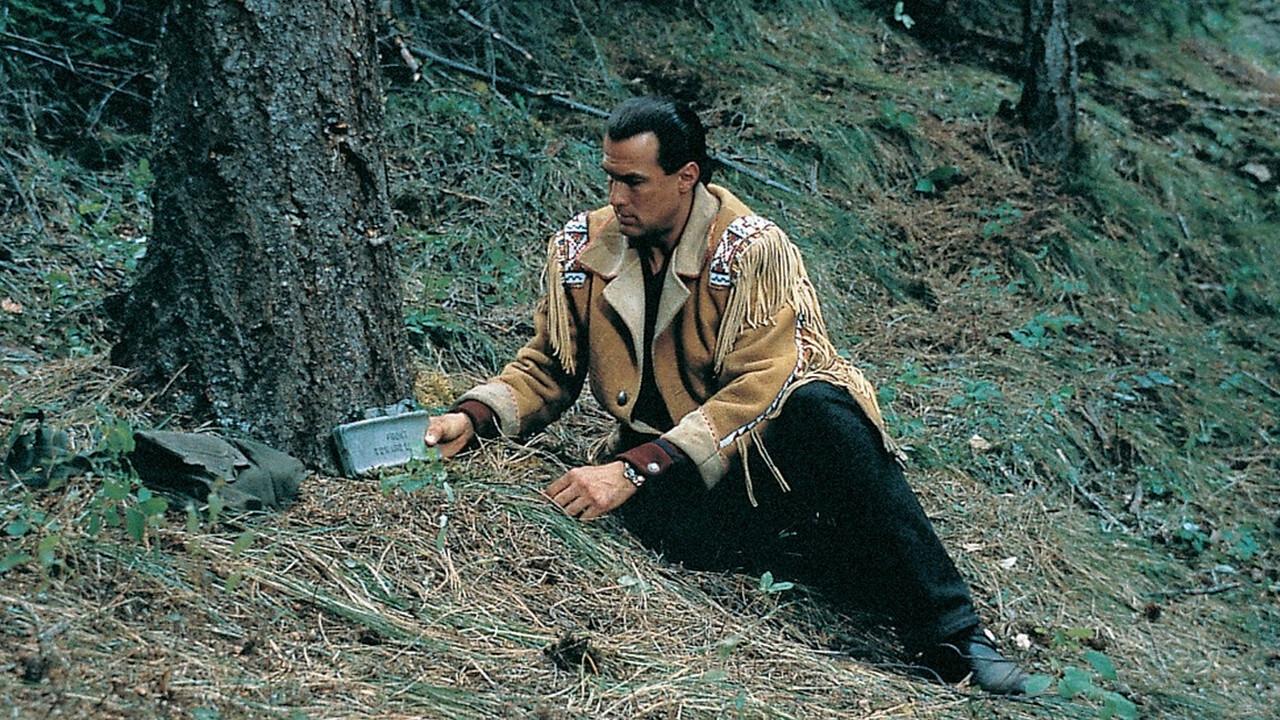
Despite its lofty ambitions and sometimes clunky execution, On Deadly Ground doesn't skimp on the visceral action Seagal fans came for. When Taft finally goes on the offensive, the violence is sudden, brutal, and trademark Seagal. Bones snap with sickening crunches, bad guys are dispatched with ruthless efficiency, and the bar fight scene remains a masterclass in close-quarters, improvised mayhem. There's a raw, unpolished quality to these moments, a sense of genuine physical impact that practical stunt work excelled at conveying. Remember the guy getting kicked groin-first into the jukebox? It’s undeniably wince-inducing, even now. Seagal’s Aikido skills are on full display, and the choreography feels grounded and impactful, a stark contrast to the more wire-fu heavy styles that would dominate later in the decade.
The film culminates in the now-infamous environmental speech delivered directly to camera by Seagal. It’s four minutes long, meticulously researched (pulling data from genuine environmental reports), and utterly unprecedented in a mainstream action movie. It’s preachy, sure. It stops the movie cold, absolutely. But there’s also something fascinatingly bold about it, a testament to Seagal using his star power and directorial control to force-feed audiences a message he clearly believed in passionately. It cemented On Deadly Ground's reputation as one of the strangest, most unique entries in the 90s action canon – a film that tried to save the planet, one broken wrist at a time.
### Lasting Footprints in the Snow
On Deadly Ground is a fascinating anomaly. It's a film torn between being a standard explosive actioner and a deeply personal environmental plea. It’s flawed, certainly – the pacing is erratic, the dialogue often clunky, and the tonal shifts can be jarring. Yet, there’s an undeniable sincerity to its message and a strange power in its atmospheric Alaskan setting and Caine's chilling performance. The practical effects, particularly the fire sequences, hold up remarkably well, reminding us of the tangible danger inherent in older action filmmaking. It’s not Seagal’s best action film, nor is it a profound environmental statement, but its sheer audacity and unique blend of elements make it stick in the memory long after the tape ejected. It remains a curious artifact of its time, a testament to a star trying to leverage blockbuster filmmaking for a cause, even if the result was more baffling than brilliant.
Rating: 5/10
Justification: The score reflects the film's significant flaws – primarily its uneven tone, awkward pacing, and heavy-handed messaging that often overshadows the narrative. However, it earns points for its ambition, Michael Caine's strong villainous turn, impressive practical fire effects, brutal and well-executed action sequences (when they happen), and its sheer unforgettable strangeness as Steven Seagal's sole directorial effort. It's a mess, but a compellingly watchable one for retro action fans.
Final Thought: It may not have saved the world, but On Deadly Ground certainly gave us one of the most bizarrely earnest and uniquely memorable VHS rentals of the 90s action boom.