Alright, rack that tracking knob and settle in. Remember the feeling? Popping that chunky Cliffhanger tape into the VCR, the satisfying clunk, maybe adjusting the rabbit ears just so? The roar of the Carolco logo followed by that absolutely gut-wrenching opening... yeah, that one. Some films just hit differently on a buzzing CRT late at night, and Renny Harlin’s 1993 high-altitude heist thriller is definitely one of them. This wasn't just another action flick; it felt like a full-blown, vertigo-inducing assault on the senses, perfectly designed for the biggest rental thrill possible.
### Peak Stallone, Peak Peril
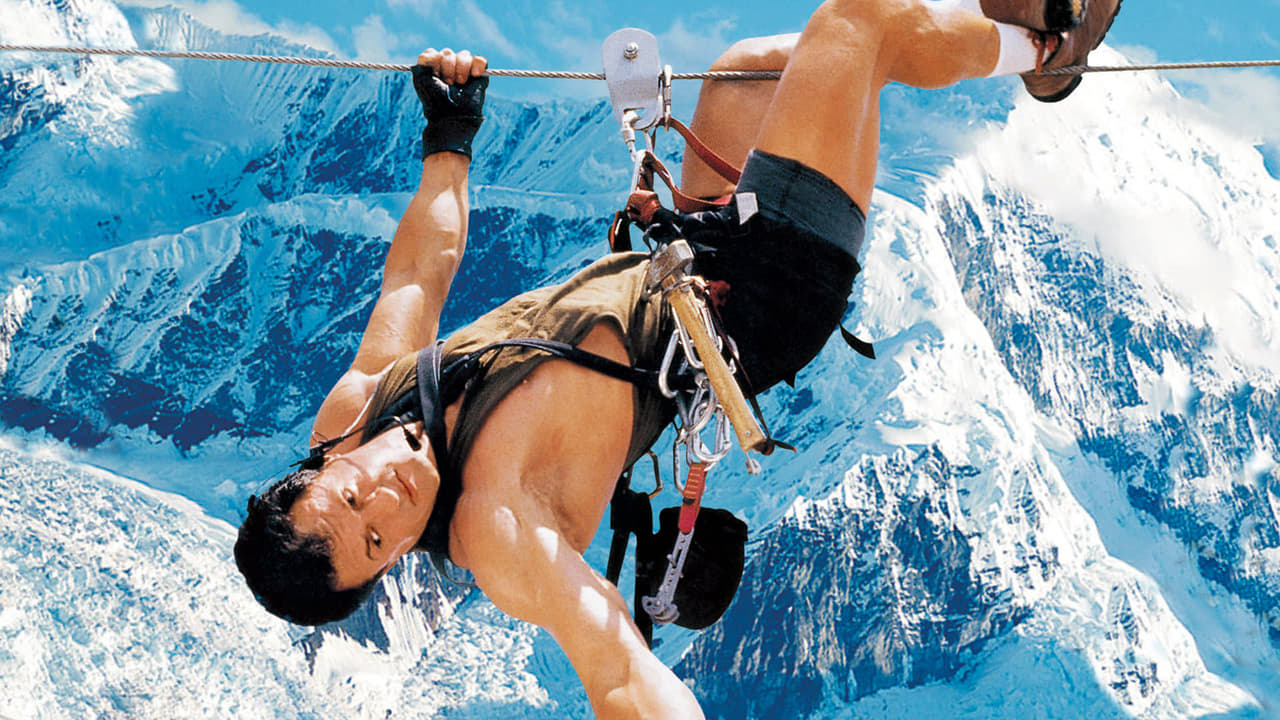
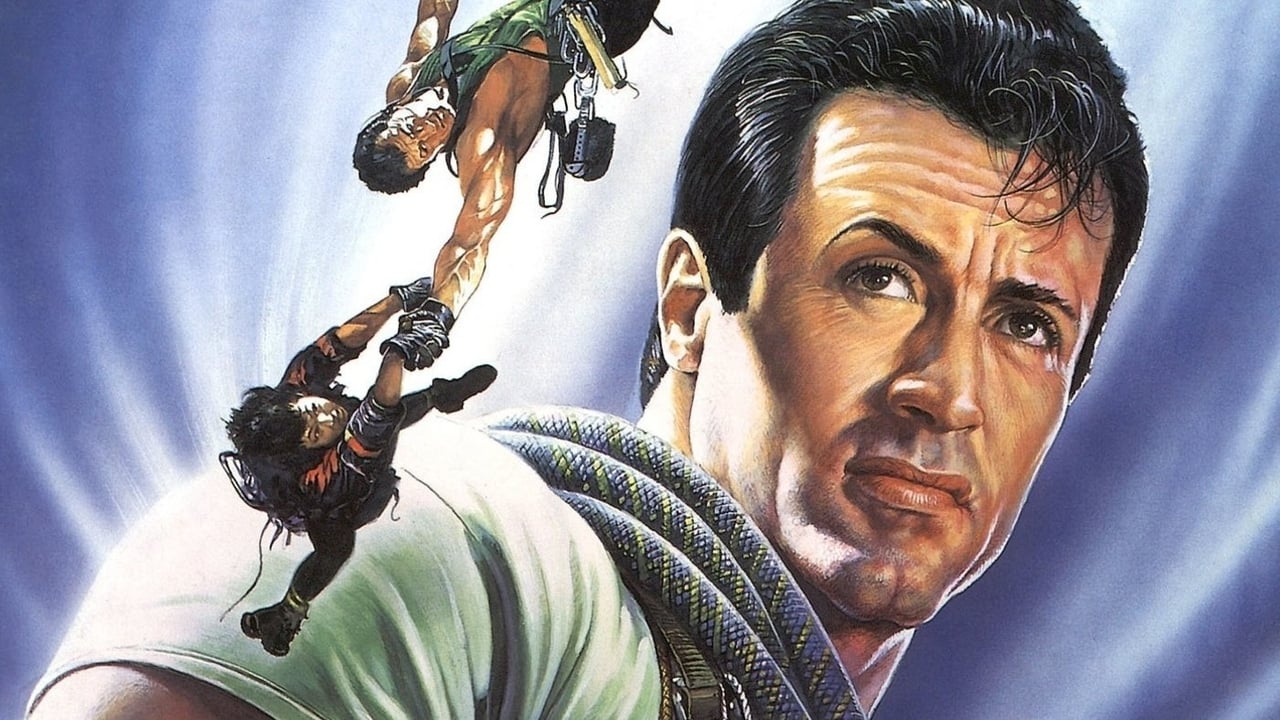
We’re thrown right into the icy peaks of the Rocky Mountains (though gorgeously filmed mostly in the Italian Dolomites, a detail that adds to the film's stunning, almost otherworldly visual scale). Sylvester Stallone, looking absolutely chiselled – arguably in his best physical shape on screen – plays Gabe Walker, a top rescue climber haunted by a tragic accident that opens the film. It’s a visceral, devastating sequence that immediately establishes the stakes and the very real dangers of this environment. When a mid-air heist of $100 million goes spectacularly wrong, scattering cash-filled suitcases across the treacherous landscape, Gabe and his estranged former colleague Hal Tucker (Michael Rooker, perfectly embodying simmering resentment) are drawn into a deadly game of cat-and-mouse with a gang of ruthless thieves led by the deliciously malevolent Eric Qualen.
And let's talk about Qualen. John Lithgow ditches his usual comedic or paternal roles to deliver an absolutely scenery-chewing performance for the ages. His British-accented, calculating psychopath is pure 90s villain gold – intelligent, sadistic, and utterly commanding. There's a story that Christopher Walken was considered, which would have been interesting, but Lithgow brings a theatrical flair that’s just unforgettable. He elevates the material, making the threat feel genuinely sophisticated amidst the raw, physical chaos.
### When Stunts Were Really Stunts
Okay, let's get to the heart of why Cliffhanger still resonates with us action junkies: the practical effects and sheer audacity of the stunt work. This film hails from that glorious era before CGI smoothed over every rough edge. When you saw someone dangling thousands of feet above a jagged ravine, chances are, someone was actually dangling thousands of feet above a jagged ravine (albeit with safety wires meticulously hidden). The action feels weighty, dangerous, real. Remember how those bullet hits looked back then? That chunky, impactful squib work felt brutal.
Renny Harlin, who already proved his action chops with Die Hard 2 (1990), orchestrates the mayhem with a confident, muscular style. The film is packed with unforgettable sequences: the desperate climbs up sheer ice walls, the explosive confrontations on narrow ledges, the cave systems, the helicopter battles. But the absolute jaw-dropper, the one that still makes you grip the armrests? That insane plane-to-plane transfer. Stuntman Simon Crane performed this mid-air wire traverse between two jets flying at 15,000 feet. It reportedly cost a cool $1 million (a hefty chunk of the approx. $70 million budget back then!) and earned a spot in the Guinness Book of World Records for the most expensive aerial stunt ever performed. No green screens, no digital doubles – just pure, unadulterated nerve. You can feel the wind shear.
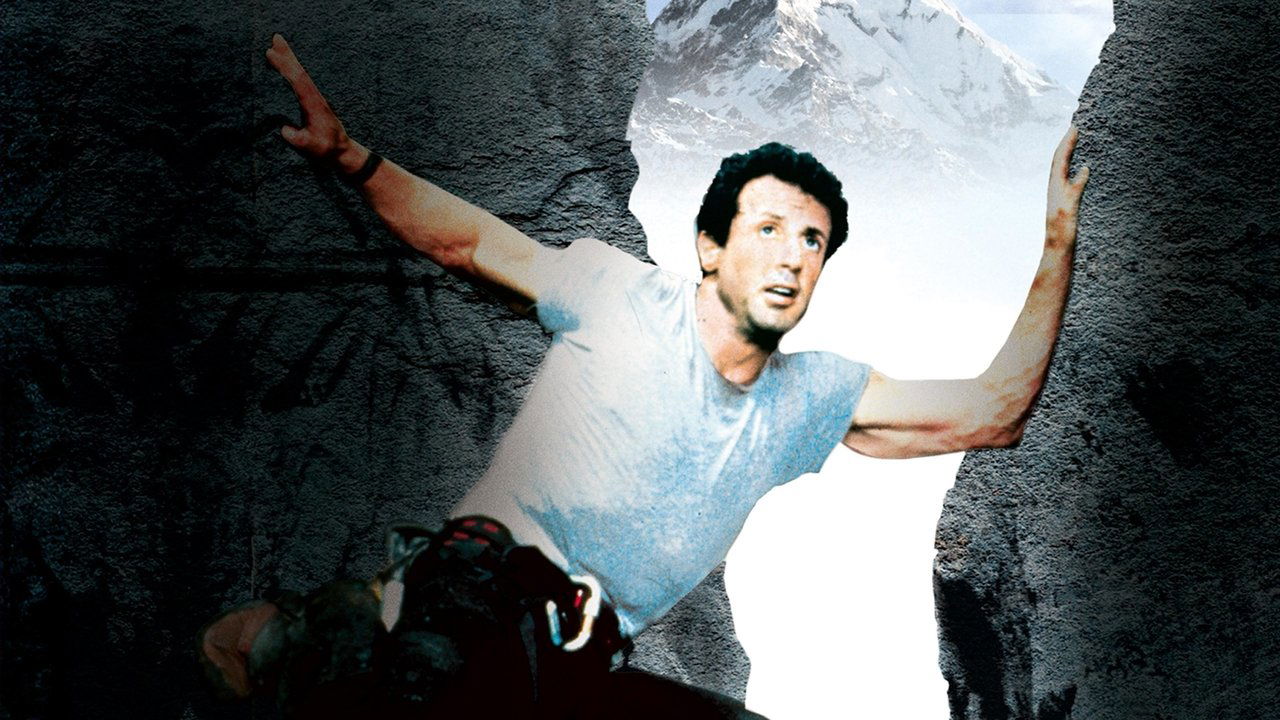
It's fascinating that Stallone himself apparently suffers from acrophobia (fear of heights). Knowing that adds another layer of tension to his performance as Gabe, scaling icy precipices and leaping across impossible chasms. While doubles were obviously used extensively for the most dangerous work, Stallone was definitely up there, enduring the harsh conditions of the Dolomites, lending authenticity to Gabe's struggle.
### More Than Just Muscles and Mountains
While the plot isn't exactly Shakespeare – it’s a lean, mean survival/heist machine – the film works because it commits wholeheartedly to its premise. The tension between Gabe and Hal provides a solid emotional core, with Rooker bringing a wounded pride that plays well against Stallone’s stoic heroism. Janine Turner as fellow ranger Jessie Deighan holds her own, thankfully avoiding being just a damsel in distress, actively participating in the survival efforts. The pounding, heroic score by Trevor Jones also deserves a shout-out, perfectly amplifying the scale and danger.
Sure, some of the dialogue might feel a bit… well, 90s action movie ("Gravity's a bitch!"), and the villains besides Qualen are somewhat generic henchmen fodder. But these are minor quibbles in a film that delivers so consistently on its promise of high-octane thrills. It was a massive hit back in '93, pulling in over $255 million worldwide, proving audiences were hungry for this brand of large-scale, practical action spectacle. It arrived after Stallone had a bit of a stumble with Stop! Or My Mom Will Shoot (1992), and Cliffhanger firmly re-established him as a box office titan. He even took a pay cut to get it made, eager for a hit – a gamble that clearly paid off.
### The Verdict
Cliffhanger is pure, unadulterated 90s action filmmaking cranked up to eleven thousand feet. It’s loud, explosive, visually spectacular, and anchored by a committed Stallone and a legendary villain performance from Lithgow. Most importantly, it’s a stunning showcase of practical stunt work that feels increasingly rare and precious in today's digital landscape. Watching it again, maybe on a slightly worn DVD this time, you can still feel that jolt of adrenaline, that gasp at the sheer danger unfolding on screen.
Rating: 8.5/10
Why this score? Cliffhanger earns its high marks for delivering exceptional, practically-achieved action sequences that still impress, stunning location cinematography, a career-highlight villain turn from Lithgow, and Stallone in peak physical form. It perfectly embodies the 'high-concept' 90s blockbuster. It loses a point or so for some thin supporting characters and occasionally clunky dialogue, but its visceral thrills and sheer spectacle are undeniable.
Final Thought: It's a movie that reminds you why we fell in love with big-screen action in the first place – sometimes, you just need to see a hero, a villain, and a whole lot of mountain between them, preferably with real explosions. Still hangs tough.