That first, insistent sonar ping. It's a sound that burrows into your memory, isn't it? Hearing it echo through the speakers again, even now, instantly transports me back to the dim, pressurized quiet of a submarine deep beneath the icy North Atlantic. It's the sound that sets the stage for The Hunt for Red October (1990), a film that arrived just as the real-world Cold War was beginning to thaw, yet managed to deliver one of the era's most potent and intelligent thrillers. This wasn't just another action flick; sliding that chunky VHS tape into the VCR felt like committing to something substantial, a chess match played out in the silent, terrifying depths.
Beneath the Surface
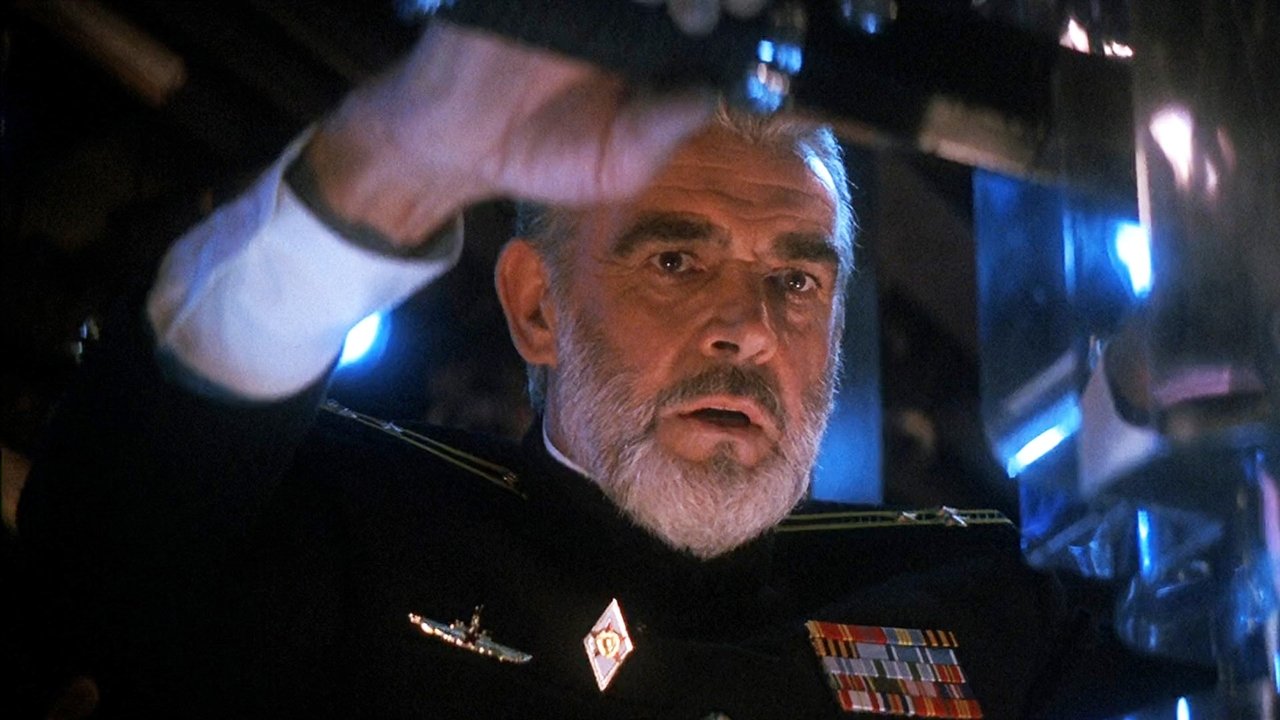
Based on Tom Clancy's dense, bestselling novel, the film adaptation faced the unenviable task of translating complex naval strategy and political maneuvering into compelling cinema. Director John McTiernan, already riding high from the testosterone-fueled triumphs of Predator (1987) and Die Hard (1988), proved himself equally adept at generating suspense through dialogue, glances, and the oppressive atmosphere of confinement. He paints the underwater world in stark blues and reds, the cramped interiors of the submarines feeling utterly authentic, a testament to meticulous production design and clever cinematography. You can almost smell the recycled air and feel the immense pressure outside the hull. It’s easy to forget these weren’t real subs; the production utilized incredible gimbal-mounted sets that could tilt up to 40 degrees and highly detailed models for exterior shots, masterfully selling the illusion.
Commanding Performances
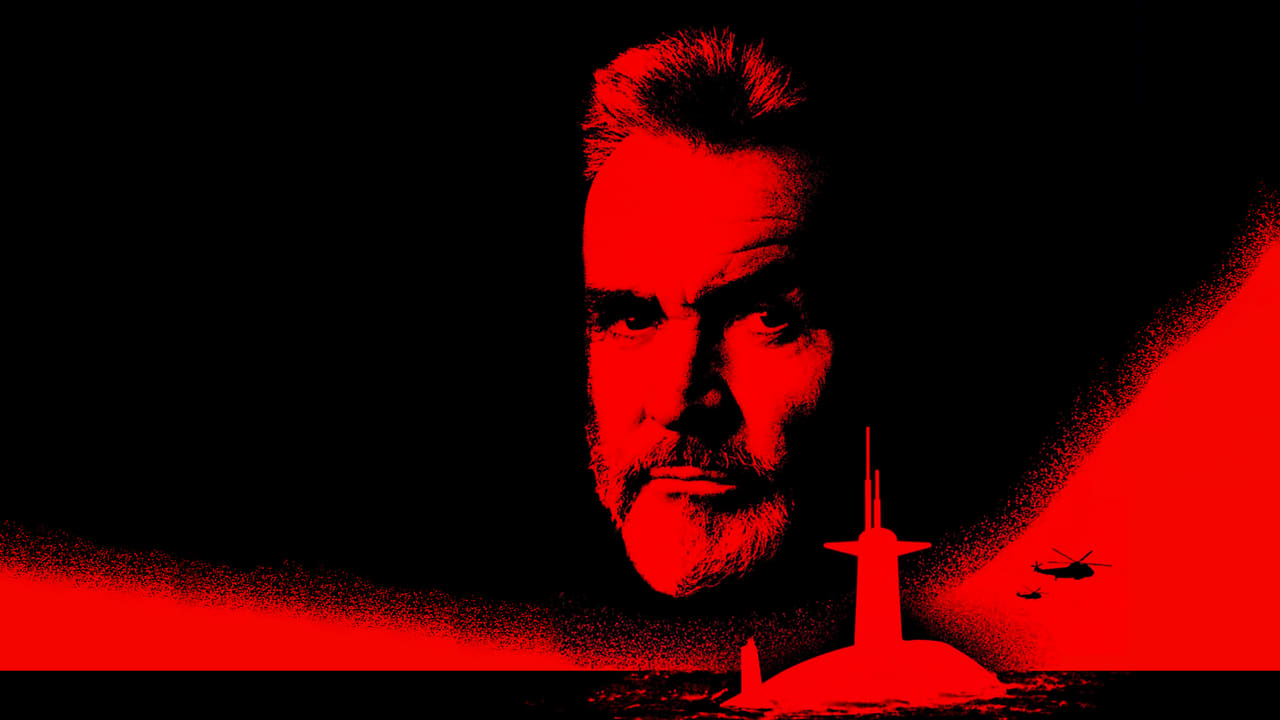
At the heart of the film lies Captain Marko Ramius, the enigmatic Soviet skipper piloting the revolutionary, silent-running submarine Red October. Sean Connery embodies Ramius with effortless command. His decision to use his natural Scottish accent, rather than attempting a Russian one, was a masterstroke. The filmmakers reportedly decided early on that Connery's sheer star power transcended the need for accent mimicry – a brief scene transitions dialogue from Russian to English, and from then on, we simply accept him. Connery doesn't just play Ramius; he is Ramius – weary, resolute, carrying the weight of his convictions and the fate of his crew. It's a performance built on quiet authority and subtle glances, conveying more than pages of dialogue ever could.
Opposite him, we have Alec Baldwin in his first, and arguably best, turn as CIA analyst Jack Ryan. This isn't the seasoned field operative of later films; Baldwin plays Ryan as Clancy wrote him – an intelligent desk jockey thrust into a high-stakes game where he's clearly out of his depth, yet driven by intellect and intuition. There's a vulnerability and nervous energy to Baldwin's Ryan that makes him instantly relatable. We believe his fear, his uncertainty, and ultimately, his courage. It’s fascinating trivia that Harrison Ford (who would later inherit the role) and Kevin Costner were initially considered, but Baldwin truly made the character his own here, grounding the extraordinary events in believable human reaction. The supporting cast, including Scott Glenn as the pragmatic American sub commander Bart Mancuso, Sam Neill as Ramius's loyal second-in-command Vasily Borodin, and the ever-authoritative James Earl Jones as Admiral Greer, are all pitch-perfect, adding layers to the intricate plot.
Building Tension, Note by Note


McTiernan understands that true suspense isn't just about action; it's about anticipation, misunderstanding, and the agonizing wait for the other shoe to drop. The film masterfully cuts between the claustrophobic tension aboard the Red October, the strategic maneuvers of the pursuing American submarine USS Dallas, and the high-level political wrangling back in Washington. Each perspective adds another layer of complexity and ratchets up the stakes. Is Ramius truly defecting, or is this a prelude to an attack? The ambiguity fuels the narrative engine.
Crucial to this atmosphere is Basil Poledouris's magnificent score. The main theme, with its powerful, driving Russian choir and martial percussion, is instantly iconic, perfectly capturing the might and mystery of the Soviet submarine. But the score also excels in its quieter moments, using subtle electronic pulses and orchestral swells to underscore the underwater tension and the vastness of the ocean. It’s a score that doesn’t just accompany the film; it elevates it.
A Cold War Classic Endures
Watching The Hunt for Red October today, it feels like a time capsule from the cusp of a new world order. Released in March 1990, mere months after the fall of the Berlin Wall, it captured the anxieties and intricacies of a superpower rivalry that was rapidly changing. Yet, its core strengths – the tight plotting, the superb performances, McTiernan’s masterful direction, and the sheer thrill of the underwater cat-and-mouse game – remain undiminished. It reportedly cost around $30 million to make but pulled in over $122 million domestically ($200 million worldwide), proving audiences were eager for intelligent, adult-oriented thrillers. The film’s commitment to naval authenticity, aided by technical advisors like retired Navy Captain John H. Farr Jr., lends it a credibility that still impresses.
It successfully launched the Jack Ryan film franchise, though subsequent entries, while often entertaining, rarely matched the grounded tension and cerebral depth of this first outing. What lingers most, perhaps, is that feeling of being submerged alongside these characters, sharing their isolation and the weight of their choices. It’s a film that respects its audience's intelligence, trusting them to follow the intricate plot threads and appreciate the nuances of the performances.
Rating: 9/10
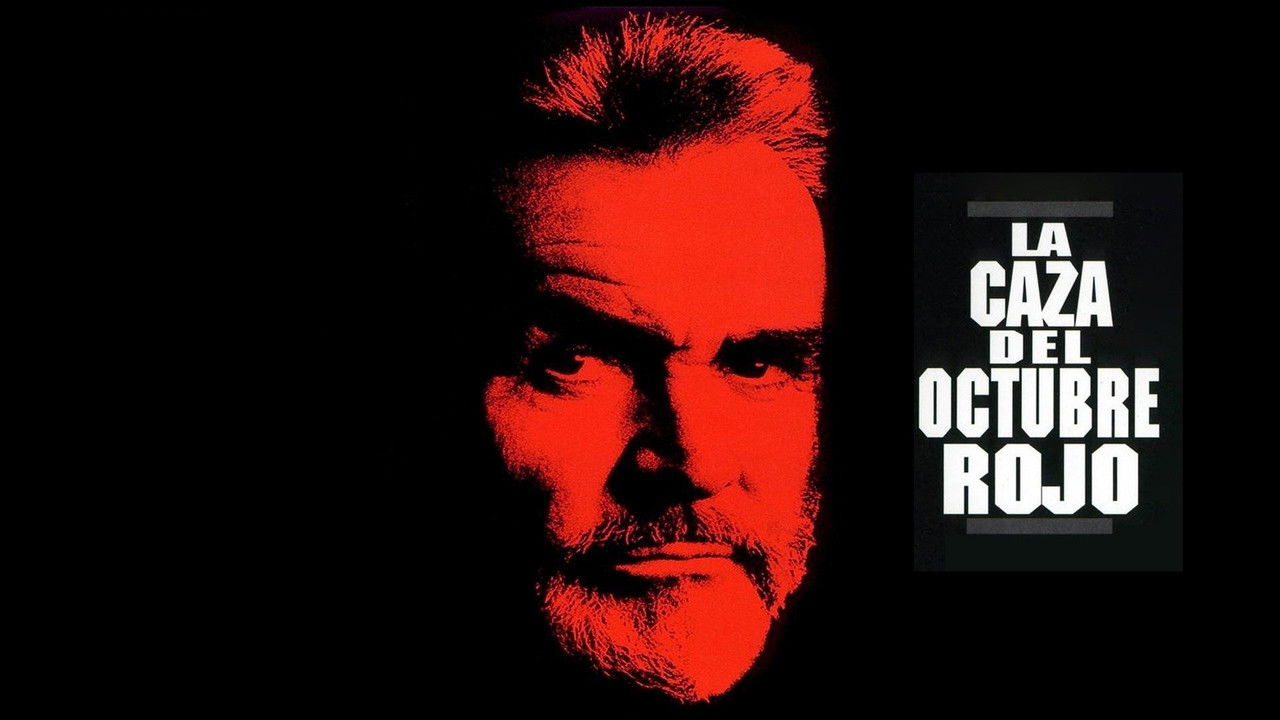
This score reflects the film's exceptional craft across the board. From McTiernan's taut direction and the stellar cast led by Connery and Baldwin, to the palpable atmosphere, brilliant score, and intelligent adaptation of complex material, The Hunt for Red October is a near-perfect execution of the techno-thriller. It avoids action movie excess, focusing instead on suspense, strategy, and character, earning its place as a standout classic of the era and a highlight on any VHS shelf.
It remains a compelling reminder that sometimes the most intense battles are fought not with explosions, but with whispers, calculations, and the courage of conviction deep beneath the waves. One ping only, Vasily.