Alright, fellow tapeheads, let’s dim the lights, ignore that tracking fuzz for a moment, and rewind to a particularly grimy corner of the video store shelf. You know the one – maybe near the back, past the big-budget action flicks, where the cover art promised something raw, maybe a little forbidden. That’s where you’d find treasures like 1982’s Violence in a Women’s Prison (also known under lurid titles like Emanuelle Escapes from Hell or Caged Women), a prime slice of Italian exploitation cinema that delivered exactly what its blunt title promised.
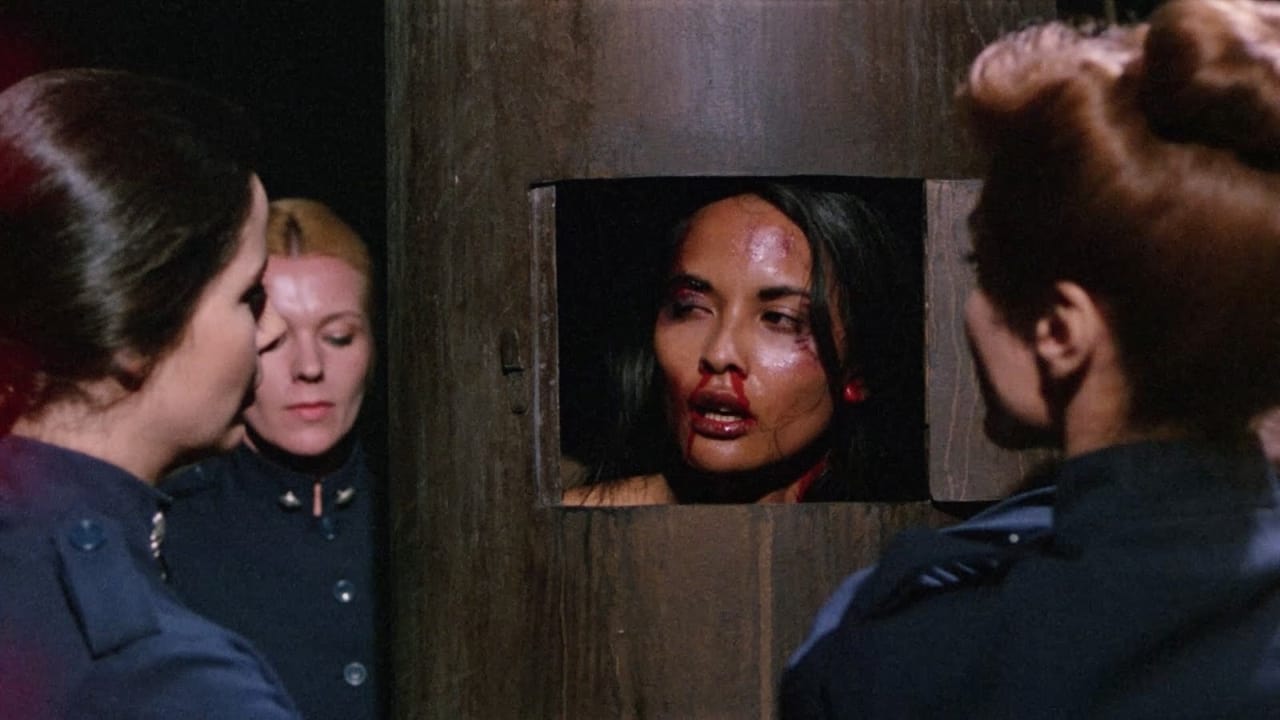
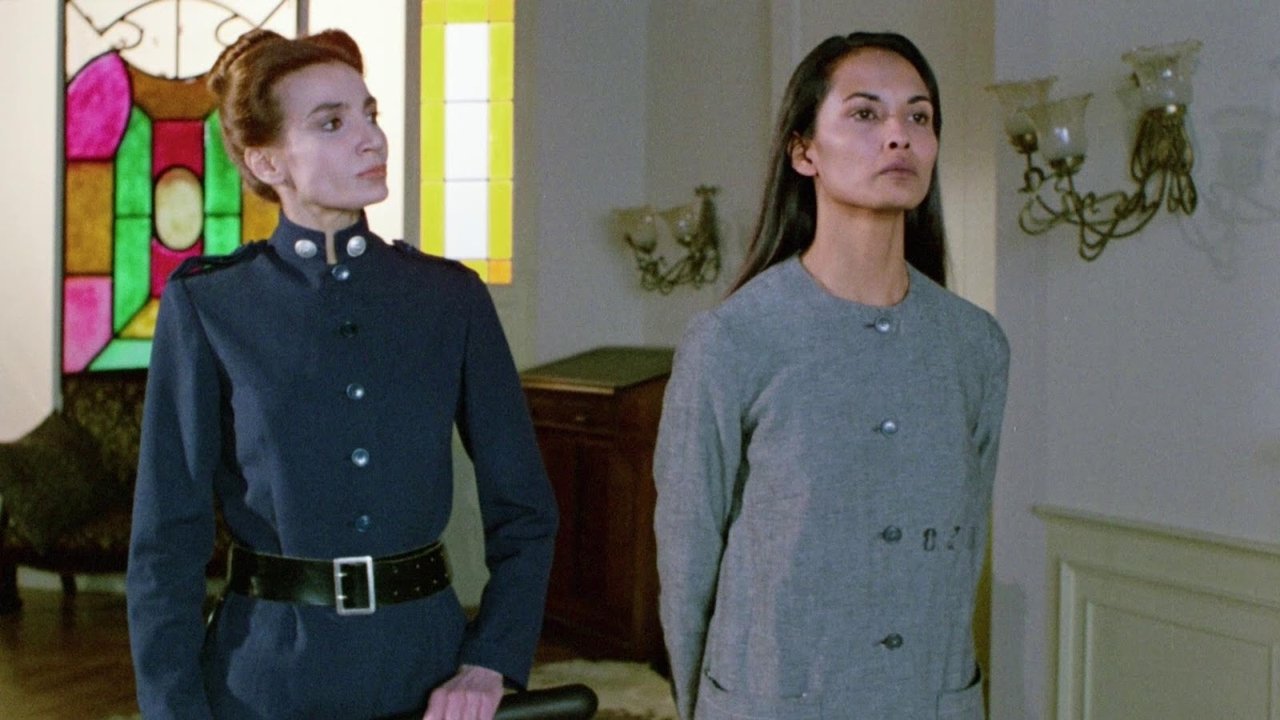
This wasn't your mainstream rental, oh no. This was the kind of tape you maybe rented with a couple of buddies, armed with cheap beer and lower expectations, ready for whatever sleaze maestro Bruno Mattei decided to throw at the screen. And throw things he did. The premise is classic Women-in-Prison (WIP) fodder: investigative journalist Emanuelle, played by the absolute queen of 70s/80s Euro-sleaze Laura Gemser, intentionally gets herself incarcerated to expose the brutal conditions and corruption within a hellish penitentiary. Cue sadistic guards, predatory inmates, flimsy plot justifications for nudity, and a general atmosphere thick with grime and desperation.
Straight Outta Cinecittà Sweatshop
Let's be honest, nobody walked into a Bruno Mattei film expecting high art. Paired here with his frequent collaborator, the legendary Claudio Fragasso (yes, the genius who later gave us the dialogue masterpiece Troll 2), Mattei delivers a film that feels simultaneously rushed, cheap, and strangely compelling in its commitment to the genre’s nastiest tropes. Mattei, sometimes working under the pseudonym Vincent Dawn, was a notorious recycler – of ideas, footage, you name it. While this film might not feature blatant stock footage theft like some of his other works (looking at you, Shocking Dark), it certainly borrows heavily from the WIP playbook established by films that came before it.
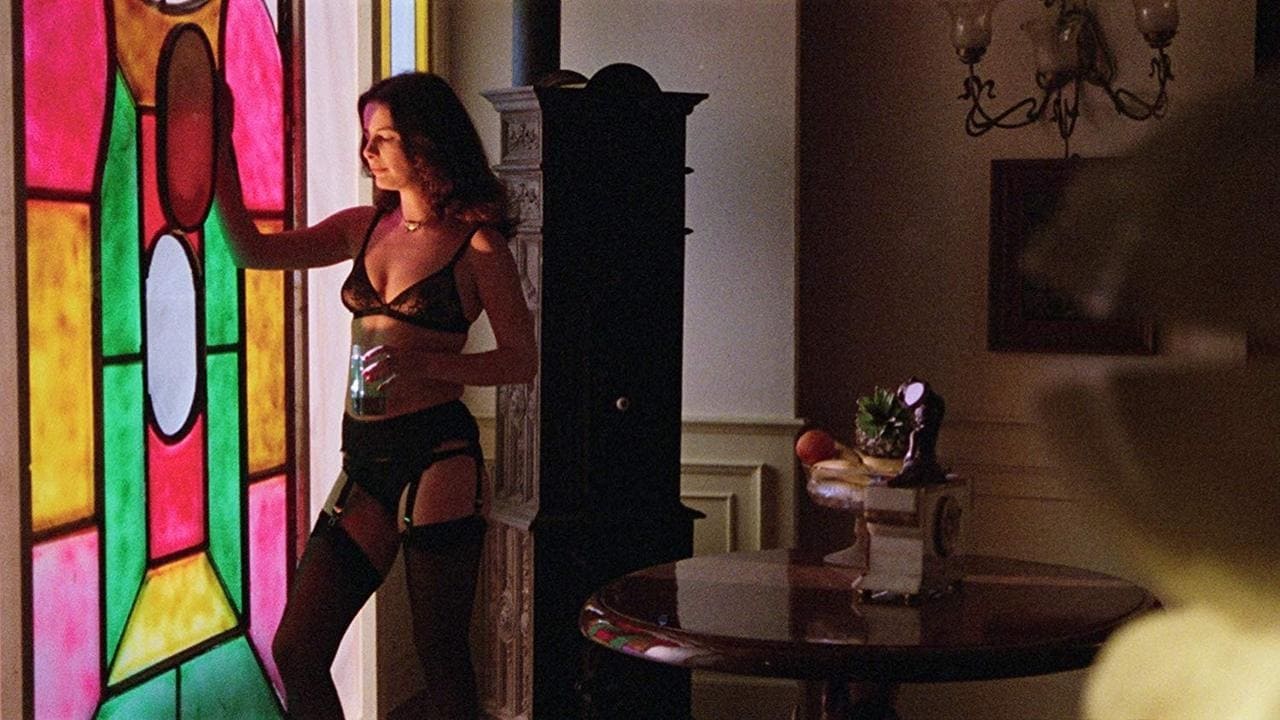
The production feels… economical. Sets are sparse, the lighting is often harsh, and the whole affair has that distinctively flat look common to low-budget Italian genre pictures of the era. Yet, there’s an undeniable authenticity to its griminess. This isn't a Hollywood sanitised prison; it feels damp, dangerous, and perpetually unpleasant. You can almost smell the stale cigarette smoke and desperation clinging to the walls.
Rough Justice, Rougher Edges
What about the "Violence" promised in the title? It’s certainly present, though perhaps not as graphically inventive as some other exploitation benchmarks. Fights are clumsy, often looking more like awkward grappling than skilled choreography, but they possess a raw, unpolished energy. When someone gets hit, it feels blunt and painful, amplified by typically over-the-top Italian sound design. Remember how those punches and slaps used to sound ridiculously loud on VHS? This film has that in spades.
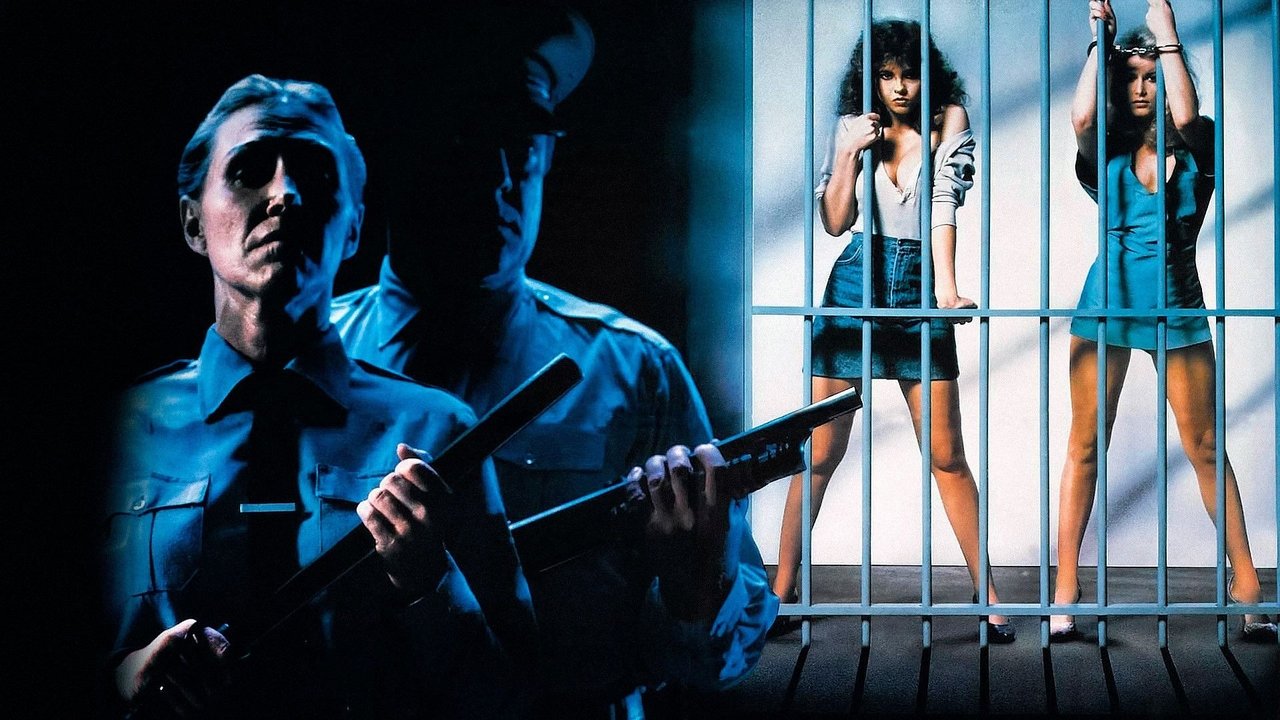
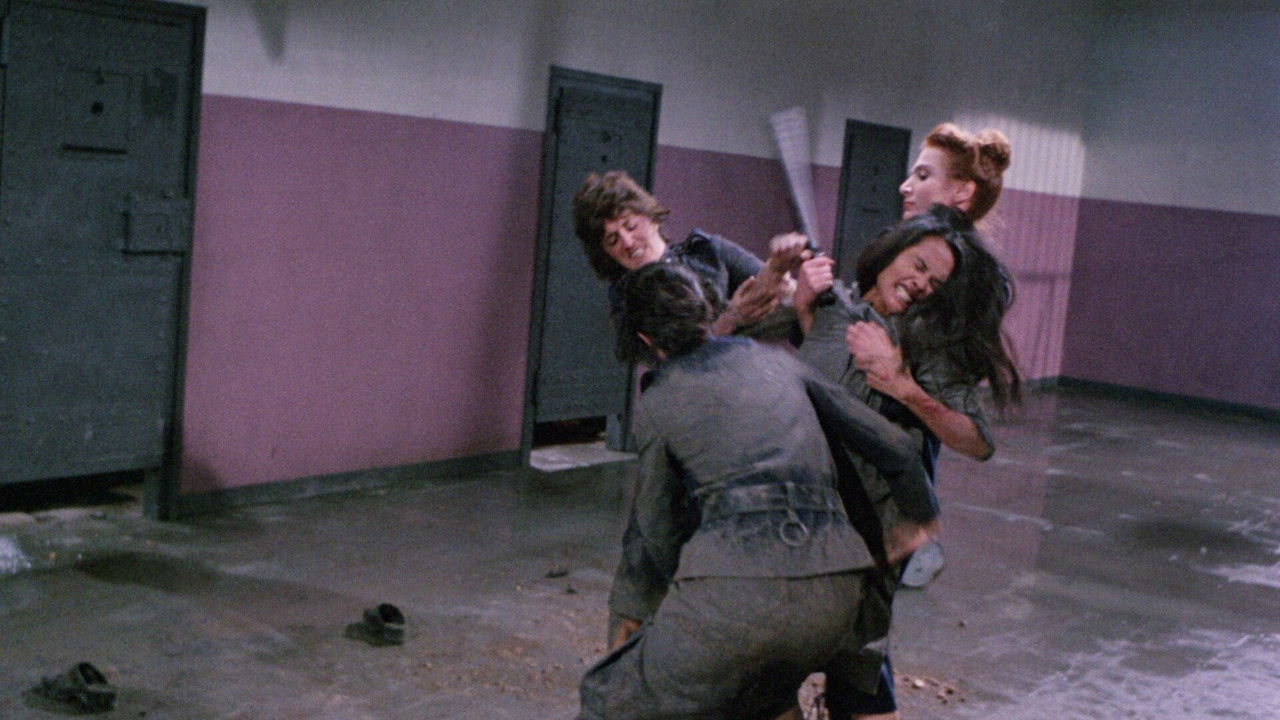
The effects are purely practical, naturally. Squibs burst with unrefined gusto, wounds look suitably messy given the budget, and there's a certain visceral quality to the mayhem that CGI often smooths over today. It’s rough, it’s ready, and it doesn’t shy away from depicting the brutality inherent in its setting, albeit filtered through Mattei and Fragasso’s exploitation lens. The mandatory prison riot scene feels chaotic and dangerous, even if you can spot the limited number of extras trying to fill the frame. The English dubbing, likely done quickly and cheaply for international markets, only adds another layer of delightful B-movie charm, rendering some of the already questionable dialogue utterly bizarre.
Gemser Holds Court
Through it all stands Laura Gemser. By 1982, she was an icon, primarily known for the globe-trotting erotic adventures of the Black Emanuelle series. Here, she’s playing a character named Emanuelle, but stripped of the glamour and thrown into the muck. Gemser brings a level of stoic presence that anchors the film. Even amidst the sleaze and chaos, she projects a certain resilience. It’s not an Oscar-worthy performance by any stretch, but within the confines of the WIP genre, she’s utterly convincing as the determined heroine enduring hell. Frequent co-star and Gemser's real-life husband, Gabriele Tinti, also appears as one of the morally compromised figures within the prison system, lending a familiar face for Euro-cult aficionados. Supporting roles are filled with faces you might recognise from other Italian genre flicks, all delivering performances dialed appropriately for the material – often broad, sometimes menacing, occasionally just plain weird.
Shelf Life and Legacy
Critically? Forget about it. Films like Violence in a Women's Prison were largely ignored or dismissed by mainstream critics upon release. But on home video? That was a different story. These films found their audience on grainy VHS tapes passed amongst fans, discussed in hushed tones, or discovered late at night on cable access channels. It’s pure exploitation, designed to shock, titillate, and provide 90 minutes of undemanding, gritty entertainment. It doesn’t transcend its genre, but it certainly delivers on its B-movie promises. While hardly a cornerstone of cinema, it remains a notable entry in both the WIP subgenre and the wonderfully wild filmographies of Bruno Mattei and Laura Gemser. It’s a snapshot of a time when Italian filmmakers churned out genre pictures with astonishing speed and often questionable taste, catering directly to a market hungry for thrills, chills, and spills.
Rating: 5/10
Justification: Let's be real. This is bottom-shelf, grimy exploitation. The acting is variable, the script is pure trope salad, and the production values scream 'cheap'. However, for fans of the genre and of Bruno Mattei's particular brand of Euro-schlock, it delivers exactly what it promises. Laura Gemser elevates it slightly, and its raw, unpolished nature is a perfect time capsule of early 80s exploitation filmmaking. It's not 'good' in the traditional sense, but it's a fascinating and sometimes grimly entertaining artifact of the VHS era.
Final Thought: It’s rough, it’s sleazy, and it probably hasn’t aged gracefully, but popping this tape in feels like unearthing a slightly dangerous relic from the wild west days of home video – proceed with caution, but genre fans know the drill.