Alright, fellow tapeheads, gather 'round. Remember that feeling? Sifting through the shelves down at 'Video Universe' or whatever your local spot was called, maybe late on a Friday night, looking for something… different. Something with a lurid cover, promising mayhem the multiplex wouldn't dare show. Sometimes you struck gold, sometimes you got sludge, but occasionally you unearthed a genuine artifact of pure, unadulterated, slightly dangerous-feeling cinema. And that, my friends, brings us to 1981's Spanish export, Mad Foxes.
### Uncorking the Euro-Sleaze
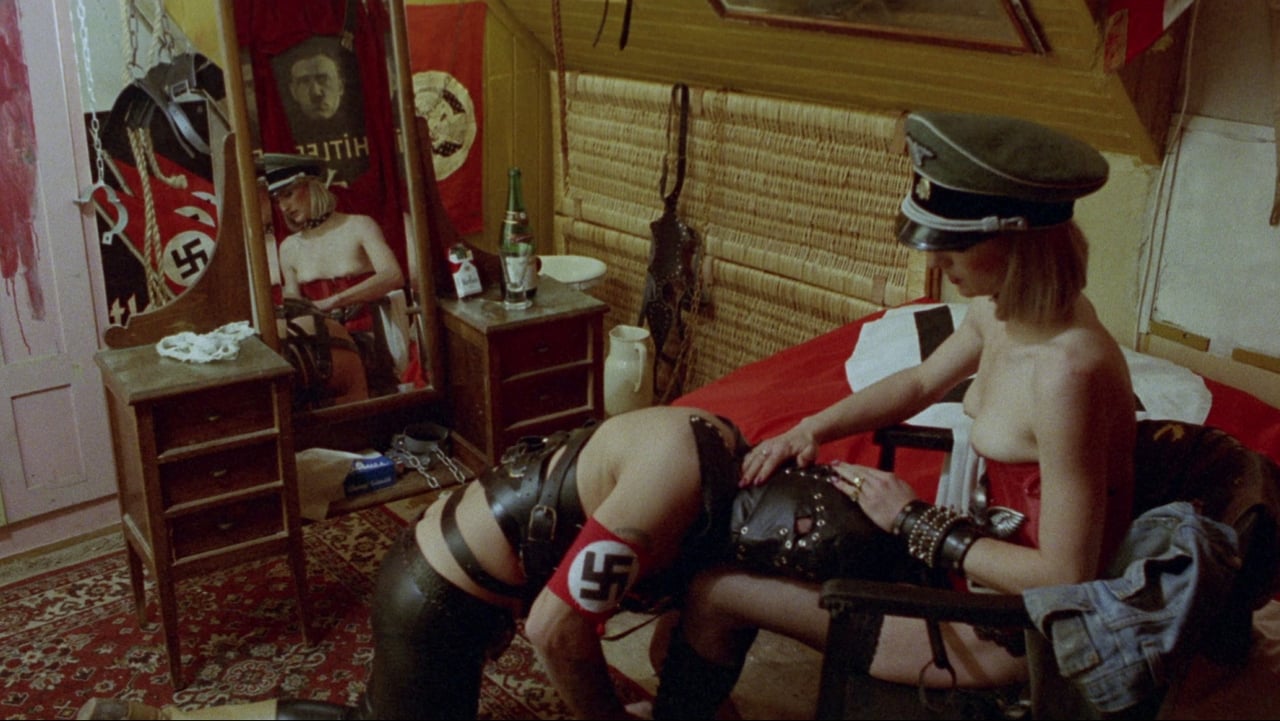
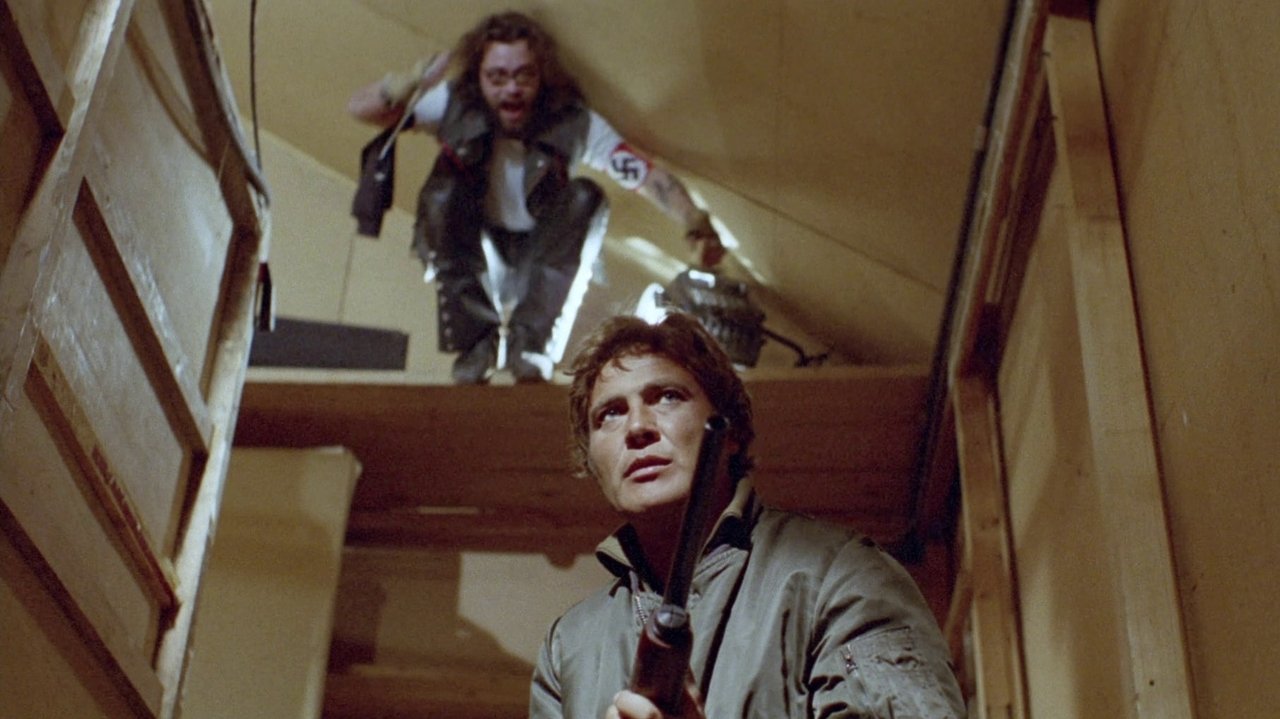
Let's be blunt: Mad Foxes (also known by its starker, original Spanish title Los Violadores) isn't subtle, it isn't sophisticated, and it sure as heck isn't politically correct by today's standards. It barrels onto the screen with the subtlety of a dropped engine block. The premise is pure exploitation grit: Hal (José Gras, sometimes credited as Robert O'Neil, a familiar face in Spanish genre flicks of the era) is out enjoying a ride with his girlfriend when they run afoul of a truly scummy neo-Nazi biker gang. What follows is brutal, ugly, and sets Hal on a path of relentless, bloody vengeance. Directed by the Swiss-born Paul Grau (often credited as Paul Gray, likely to give it a more international feel), who carved out a niche in the wild world of Spanish exploitation cinema, the film feels every bit the product of its time – raw, cheap, and shockingly mean-spirited.
### When Stunts Felt Real (Because They Were)
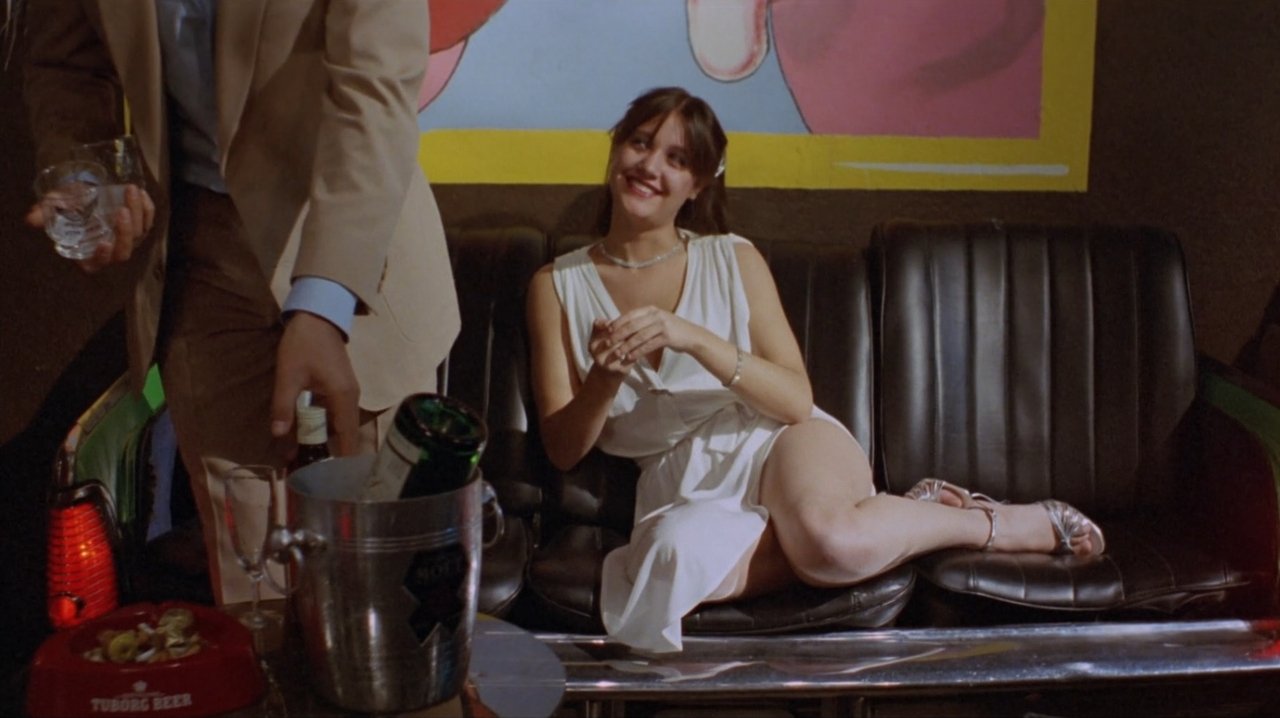
Okay, the acting can be stiff (often hampered by the necessary evil of post-sync dubbing common in these European co-productions, which adds its own layer of retro weirdness), and the script occasionally feels like it was written on the back of a beer mat between takes. But where Mad Foxes slams the accelerator is in its action. This is where the VHS-era magic truly shines. Forget polished CGI – we're talking real cars smashing into each other with palpable force, stuntmen taking falls that look genuinely painful, and pyrotechnics that feel dangerously close to the actors.
There's a car chase sequence involving Hal's souped-up yellow car (a SEAT 1200 Sport, for the gearheads out there) that, while maybe not Bullitt, has a visceral, reckless energy. You feel the low budget straining at the seams, but also the sheer commitment to putting something genuinely kinetic and destructive on screen. Remember how real those bullet hits looked back then, often achieved with squibs that sprayed theatrical blood with gusto? Mad Foxes delivers that kind of practical, tangible impact. It’s messy, it’s chaotic, and frankly, it feels more real in its clumsiness than many hyper-edited, physics-defying sequences today. It’s a testament to the kind of filmmaking where necessity (and perhaps a looser approach to safety regulations) bred a certain kind of brutal invention. Grau clearly knew his audience wanted vehicular carnage and violent showdowns, and he delivered with the resources he had, filming on location around coastal Spain, adding a touch of gritty realism to the mayhem.
### Not For the Faint of Heart
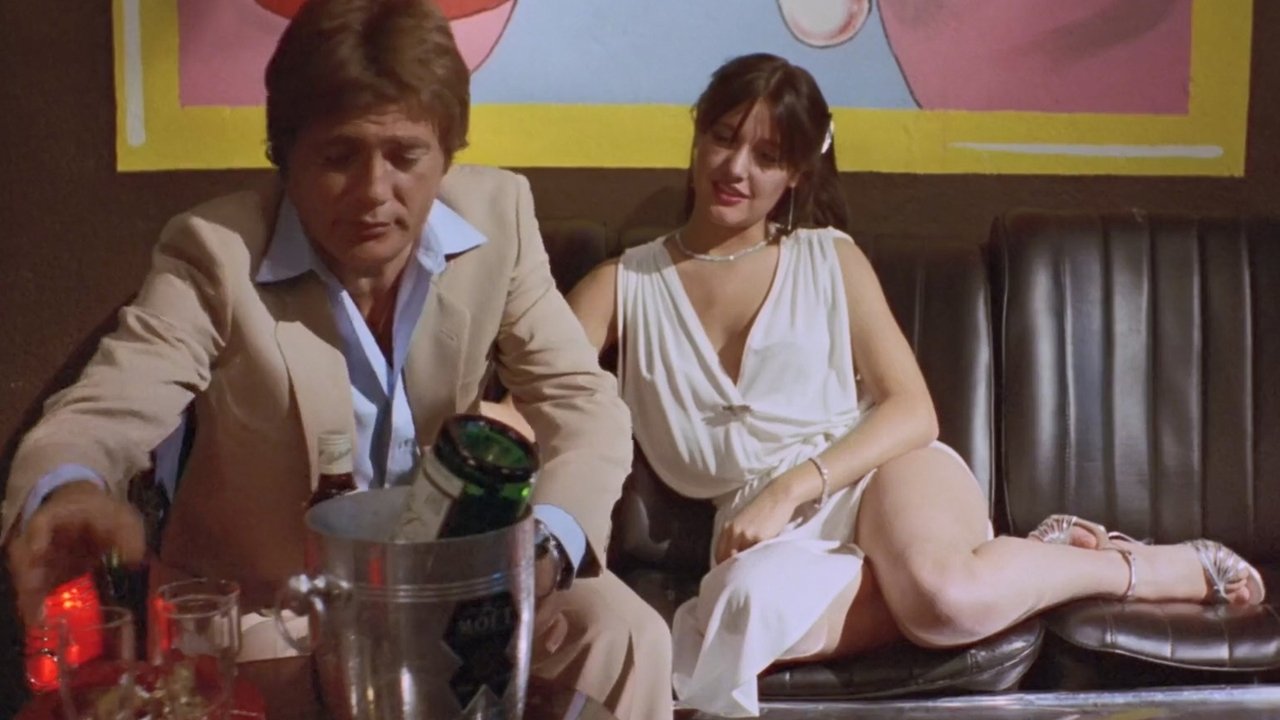
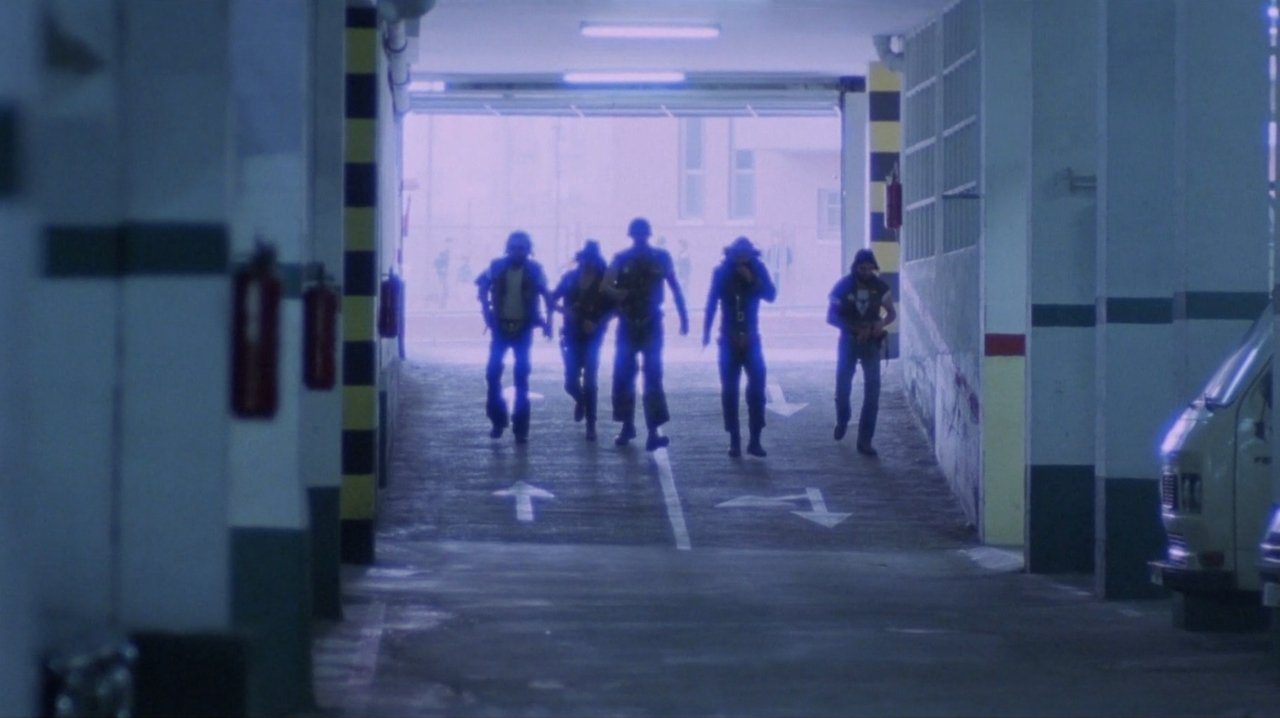
Now, we have to address the exploitation elements. The film leans heavily into the rape-revenge subgenre, and the initial assault that kicks off the plot is nasty and prolonged. It’s uncomfortable viewing, and definitely a product of a time when shock value often trumped nuance. While Laura Premica as Hal's girlfriend and Andrea Albani as another woman caught up in the violence do what they can, the female characters exist primarily to suffer and motivate the male protagonist. It’s a common, often problematic trope of the genre, and it's laid bare here.
Interestingly, while perhaps not officially prosecuted during the UK's infamous 'Video Nasty' scare in the early 80s, Mad Foxes certainly embodies the spirit of the films that sent censors into a frenzy. Its uncut presence on numerous VHS labels worldwide cemented its cult status among those seeking out the forbidden and the extreme. It’s the kind of tape you’d whisper about, maybe trade with a friend who was also into the rougher edges of cinema.
### A Relic of Raw Revenge
Mad Foxes is far from a masterpiece. Its plot is thin, its character development minimal, and its tone relentlessly grim and sleazy. Yet, viewed through the lens of VHS nostalgia and an appreciation for grindhouse filmmaking, it possesses a certain undeniable power. It’s a time capsule of early 80s European exploitation – unapologetic, excessive, and driven by a primal urge for vengeance rendered through practical, dangerous-feeling stunts. José Gras embodies the stoic, almost robotic revenge-seeker common in these films, a man driven purely by violent impulse after his world is shattered.
It’s the kind of movie that likely horrified mainstream critics (if they even bothered to review it) but found its audience in smoky drive-ins and on the shelves of video stores catering to less discerning, more thrill-seeking tastes. It's rough, it's problematic, but the sheer, unvarnished energy, especially in its action beats, is hard to dismiss entirely if you have a taste for this kind of cinematic roughage.
Rating: 5/10
Justification: This score reflects Mad Foxes purely as a cult artifact of its era. It's technically clumsy, narratively crude, and steeped in uncomfortable exploitation tropes (-4 points). However, the raw energy, the surprisingly impactful practical stunt work for its budget, and its status as an uncut slice of Euro-sleaze give it undeniable historical interest and a certain grindhouse potency for genre fans (+5 points). It's not 'good' in a conventional sense, but it's a fascinating, visceral relic.
Final Thought: Mad Foxes is like finding a rusty chainsaw in your grandad's shed – probably dangerous, definitely not refined, but undeniably effective at what it was designed to do back in the day. Handle with care, and maybe a tolerance for cinematic grime.