Alright, fellow tapeheads, dim the lights, maybe crack open a Tab if you can find one, and let’s rewind to a particularly gritty corner of the 1980s video store shelf. Remember those provocative covers that practically dared you to rent them? Sometimes hidden behind the counter? Nestled amongst the action heroes and slasher icons, there was often a film like 1984's Angel. Not quite horror, not quite straight drama, but pure, uncut 80s exploitation thriller with a surprisingly compelling hook: the straight-A high school honor student leading a double life as a Hollywood Boulevard sex worker.
### School Books and Street Smarts
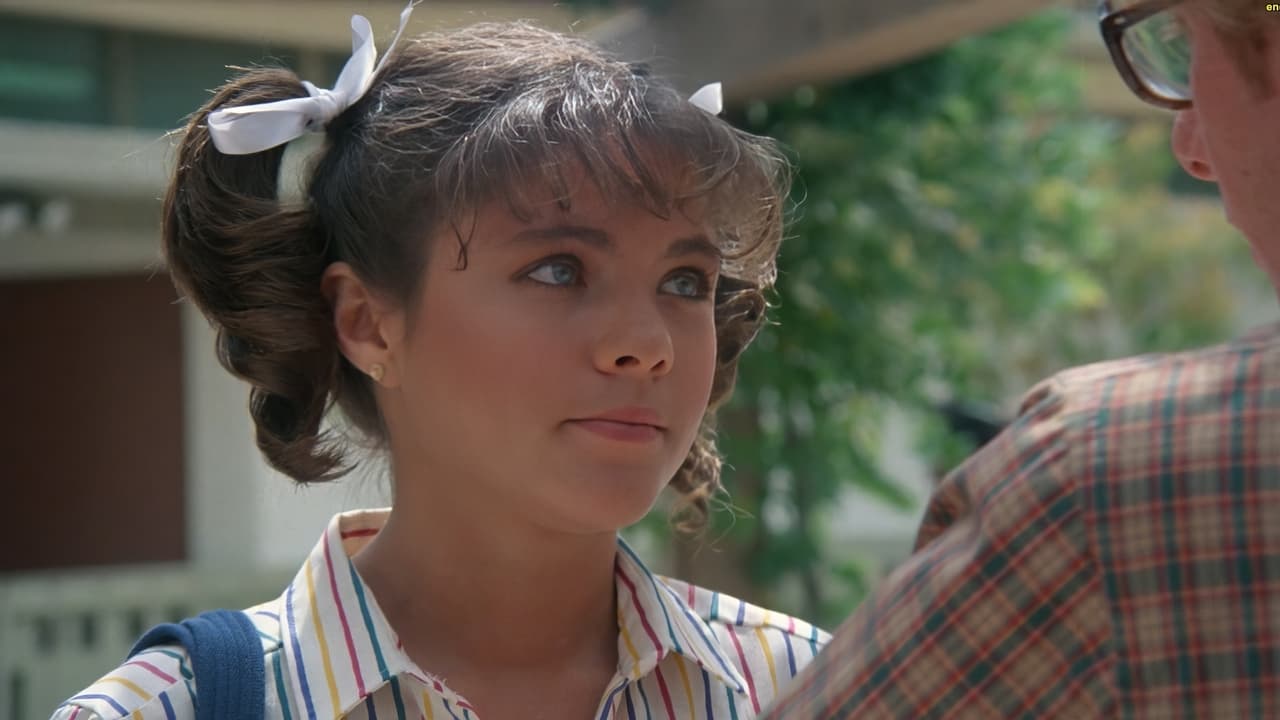
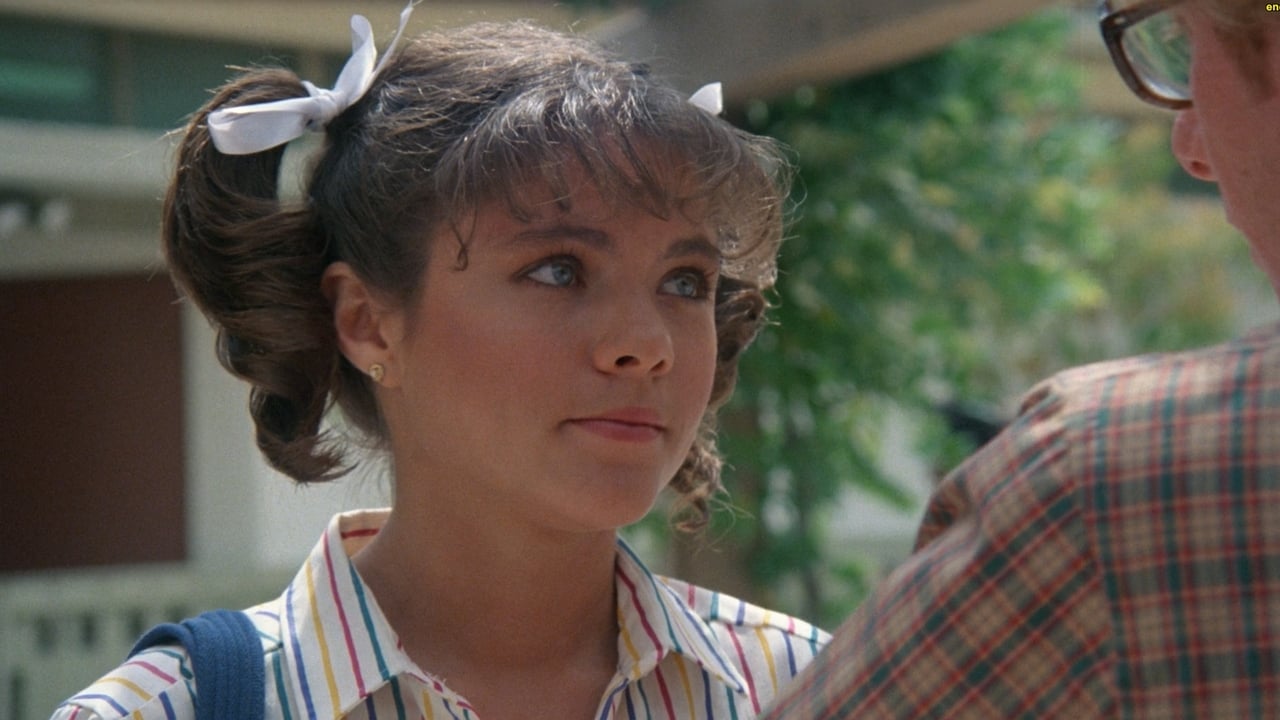
From the jump, Angel throws you into a world that feels both sensationalized and strangely authentic. We meet Molly Stewart (Donna Wilkes), who seems like the quintessential girl next door – smart, dedicated, focused on getting into college. But when night falls, she transforms into "Angel," navigating the neon-lit, dangerous sidewalks of Tinseltown, trying to survive and save money. It’s a premise that could easily veer into pure sleaze, and let's be honest, the film definitely walks that line. Yet, there’s an earnestness to Wilkes’ portrayal that keeps you invested. Fun fact: Wilkes, embodying the 15-year-old Molly with wide-eyed vulnerability, was actually 24 during filming, a detail that perhaps adds another layer to the character's convincing facade.
The film doesn’t shy away from the grim realities of Angel’s nocturnal profession, but it filters it through a distinctly 80s lens. This isn't a detached documentary; it's a stylized snapshot of a pre-gentrified Hollywood, captured with a raw energy by director Robert Vincent O'Neil, a filmmaker certainly no stranger to the exploitation circuit (he also gave us the bizarre Wonder Women back in '73). The streets themselves become a character – filmed on location, you can almost smell the exhaust fumes and stale cigarette smoke. Forget glossy sets; this feels like the real, slightly sticky pavement many of us only glimpsed in movies.

### A Cast of Sidewalk Characters
What truly elevates Angel beyond its potentially lurid premise is its cast of eccentric supporting characters who form Angel’s surrogate street family. Susan Tyrrell, in a role that feels tailor-made for her unique energy, plays Solly Mosler, the cynical, flamboyant, apartment-building landlady who paints bizarre art and offers world-weary advice. Tyrrell, an Oscar nominee for 1972's Fat City, brings such memorable weirdness to the part. Then there’s Rory Calhoun as Kit Carson, a former cowboy movie stuntman who acts as a sort of grandfatherly protector, his presence a poignant nod to Hollywood's faded glamour. And who could forget Mae, the sharp-tongued drag queen played with scene-stealing flair by Dick Shawn? These characters add warmth and humor, grounding Angel's dangerous life with moments of genuine connection. They feel like real denizens of that specific time and place.
Opposing them is the procedural element, spearheaded by Lt. Andrews (Cliff Gorman), a cop investigating a series of brutal murders targeting streetwalkers. Gorman, familiar from films like The Boys in the Band (1970) and All That Jazz (1979), brings a necessary gravitas as the weary detective closing in on Angel's world. The plot hinges on this cat-and-mouse game, with Angel potentially holding the key to identifying the killer, forcing her two lives onto a collision course.

### Gritty Thrills, No CGI Spills
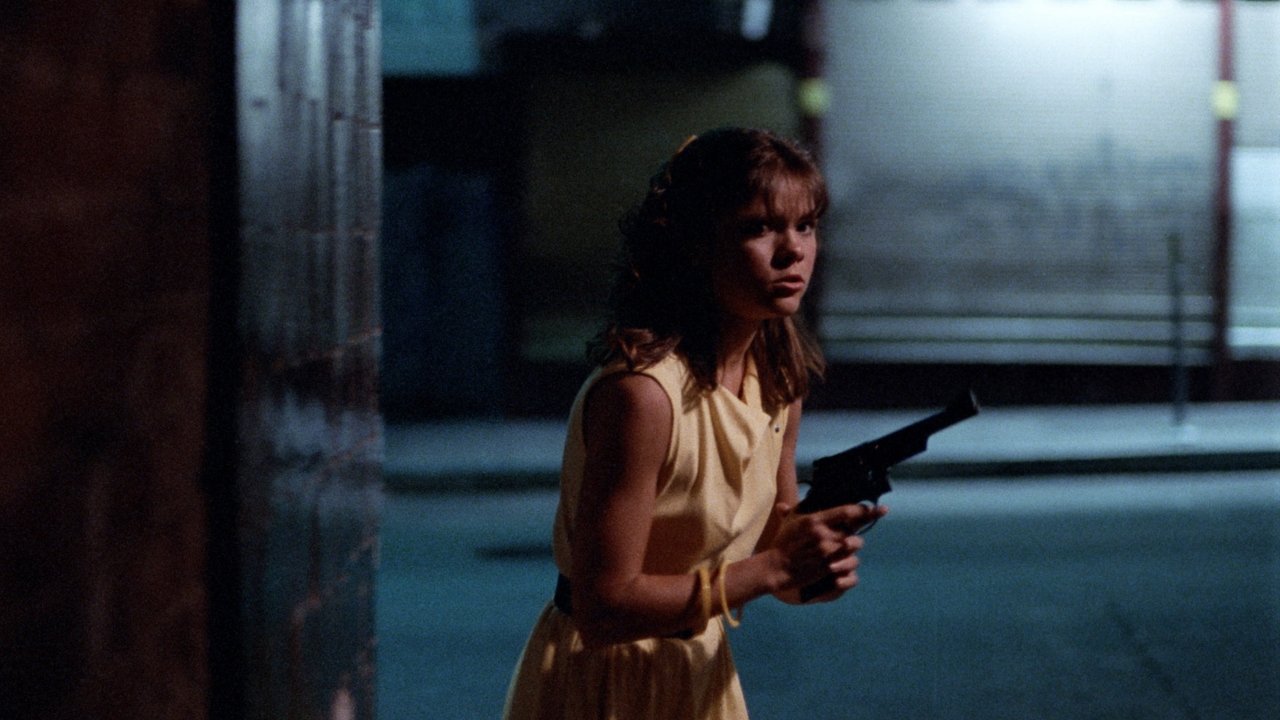
The thriller aspect unfolds with a palpable sense of low-budget tension. There are no slick, computer-generated chases here. The danger feels immediate and personal. When violence erupts, it’s sudden and impactful, relying on practical staging and a sense of real-world consequence rather than elaborate effects. Remember how jarring those moments could feel on a slightly fuzzy VHS recording late at night? Angel captures that feeling – the vulnerability of its protagonist in genuinely threatening situations. It’s a reminder of how effective suspense could be built with atmosphere, performance, and careful editing, long before digital tools smoothed everything out. The film’s score by Craig Safan, who also scored The Last Starfighter the same year, effectively underscores the shifting tones, from daytime innocence to nighttime dread.
Made for a relatively modest sum (reportedly around $2 million), Angel became a surprise hit for New World Pictures, pulling in over $17 million domestically. Its success wasn't fueled by critical acclaim – reviews were mixed, often pointing out the exploitation elements – but by audience fascination. It struck a chord, perhaps tapping into anxieties about hidden lives and the dangers lurking beneath society's surface. Its popularity was strong enough to spawn three sequels (Avenging Angel, Angel III: The Final Chapter, and Angel 4: Undercover), tracing Angel's further adventures, though none quite captured the specific gritty charm of the original.
### Finding Angel in VHS Heaven
So, revisiting Angel today is a fascinating trip. Yes, parts of it feel undeniably dated – the dialogue can be clunky, the plot mechanics sometimes creak, and its handling of sensitive themes reflects the era's often less-than-nuanced approach. But it possesses a unique energy, a blend of naivete and sleaze, danger and heart, that makes it a compelling artifact of 80s low-budget filmmaking. Donna Wilkes carries the film admirably, and the supporting cast adds unforgettable color. It captured a specific time and place – the pre-cleanup Hollywood Boulevard – with an authenticity born partly from necessity (shooting on real streets is cheaper!).
Rating: 7/10
Justification: Angel earns a solid 7 for its iconic premise, Donna Wilkes' committed lead performance, a truly memorable supporting cast (Tyrrell and Calhoun especially), and its effective capture of a gritty, bygone era of Hollywood street life. It successfully blends teen drama with a surprisingly tense thriller plot, all on a shoestring budget. While undeniably rooted in 80s exploitation tropes and occasionally rough around the edges, its surprising heart and cult status make it a standout VHS-era discovery.
Final Thought: Angel is a prime example of that uniquely 80s cinematic alchemy where exploitation grit somehow met character-driven storytelling – a flickering neon sign in the vast landscape of VHS Heaven, still worth seeking out for a taste of Hollywood after dark, the old-school way.