The air hangs heavy around Hill House, thick with dust and secrets whispered on drafts that shouldn't exist. Some houses aren't just haunted; they're born bad. That chilling sentiment, borrowed from Shirley Jackson's masterpiece novel, echoes in the cavernous halls of Jan de Bont's 1999 take on The Haunting, even if the film itself often chooses spectacle over the creeping dread of its source material. This wasn't the subtle, suggestive terror of the 1963 classic. No, this was late-90s horror flexing its considerable muscle, a blockbuster ghost story built on a foundation of booming sound design and eye-popping, sometimes bewildering, digital phantoms. Remember the sheer scale of this production hitting screens? It felt monumental.

Welcome to the Nightmare Factory
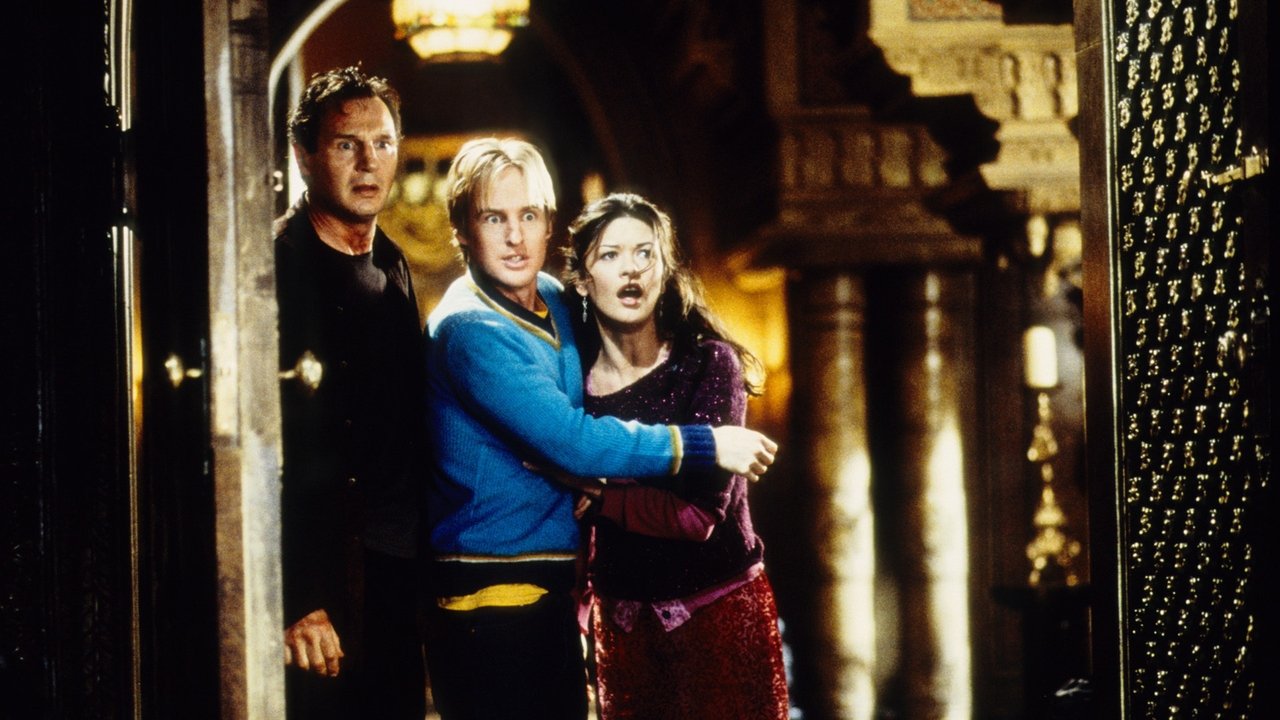
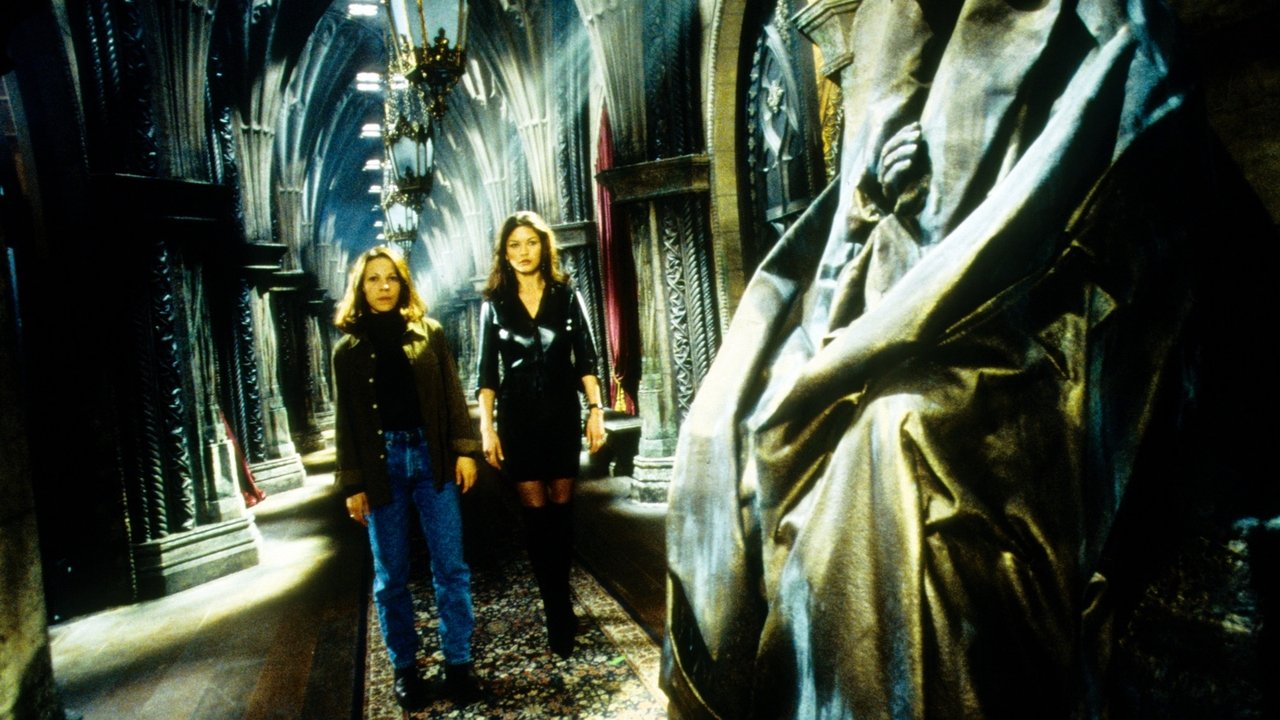
Stepping into this version of Hill House feels less like entering a haunted dwelling and more like wandering onto a gothic theme park ride designed by a particularly morbid architect. The production design is undeniably impressive, almost aggressively so. The towering sets, filmed partially at the imposing Harlaxton Manor in England for exteriors, were supplemented by colossal soundstage constructions. That Great Hall set? Reports claimed it was one of the largest interior sets built up to that point. You feel the oppressive weight of the place, its ornate carvings seeming to leer, the endless corridors promising disorientation. This visual grandeur, however, often comes at the expense of genuine chills. Director Jan de Bont, fresh off high-octane hits like Speed (1994) and Twister (1996), brought his flair for spectacle, but the delicate touch needed for psychological horror felt somewhat lost amidst the visual noise.
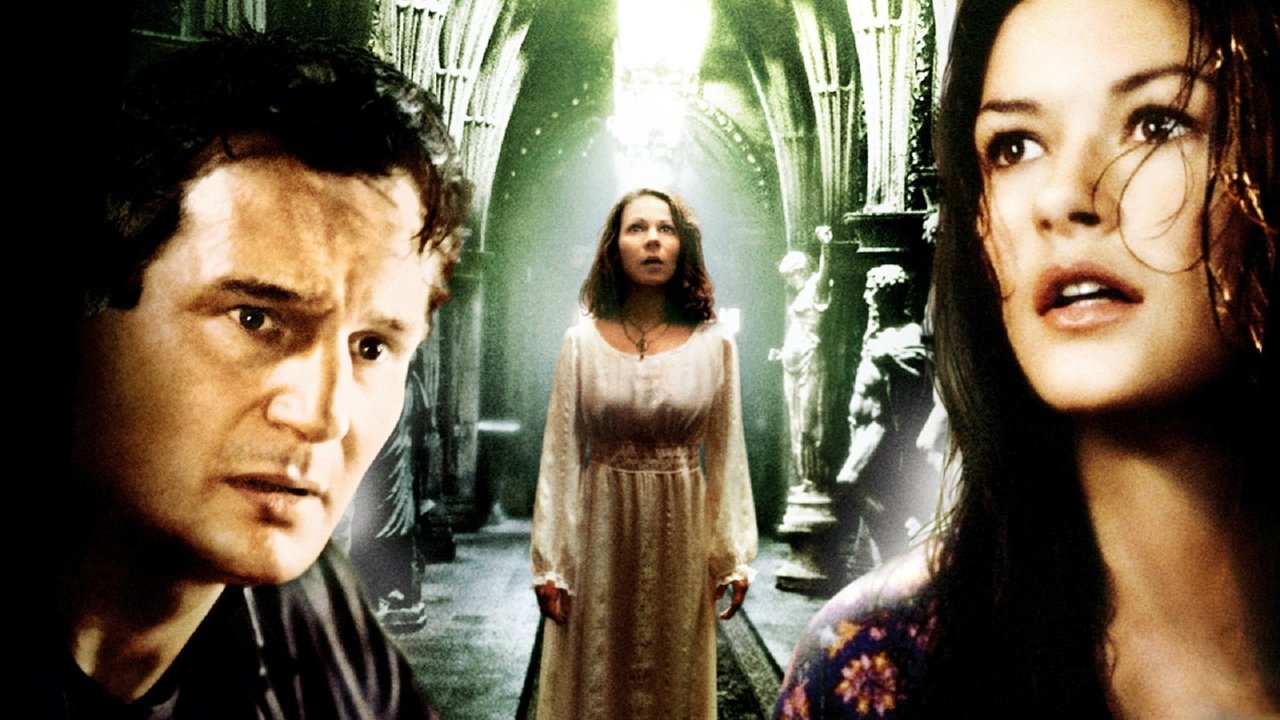
The premise remains familiar: Dr. David Marrow (Liam Neeson, bringing his reliable gravitas) lures a group of insomniacs to the isolated mansion under the guise of a sleep study. His real motive? To study fear itself. Among his subjects are the vulnerable Nell (Lili Taylor, arguably the film's emotional anchor), the worldly Theo (Catherine Zeta-Jones, radiating glamour), and the wisecracking Luke (Owen Wilson, providing much of the film's, perhaps unintentional, levity). The script, penned by David Self (who would later work on Road to Perdition), deviates significantly from Jackson's novel and the earlier film, introducing a convoluted backstory linking Nell directly to the house's cruel history and its monstrous builder, Hugh Crain. This shift turns Nell from a tragic figure seeking belonging into a more predetermined heroine, a change that dilutes some of the original story's psychological ambiguity.
Ghosts in the Machine
Where the 1963 The Haunting masterfully used suggestion – a rattling doorknob, unseen forces pounding on walls – the 1999 version throws everything at the screen. This was the dawn of increasingly sophisticated CGI, and DreamWorks SKG, with Steven Spielberg initially attached as a producer (he reportedly even considered directing before scheduling issues arose), poured a hefty $80 million budget into making the spectral tangible. Ghostly children peek from behind curtains rendered in pixels, statues writhe, and the very architecture of the house seems to morph and menace the characters. Some of these effects, particularly the intricate animation of the house itself, were groundbreaking for their time. Yet, does seeing the monster always make it scarier? Doesn't the imagination often conjure more terrifying things than even the best digital artists? The film's reliance on explicit CGI often feels like it's shouting when a whisper would have been far more effective, undermining the atmospheric dread the practical sets worked so hard to establish. There's a certain irony that Stephen King, master of literary horror, apparently wrote an early draft script that was ultimately rejected – one wonders what atmospheric chills might have been prioritized in his version.
Despite the visual overload, there are moments where the film almost captures the intended terror. Lili Taylor delivers a committed performance as Nell, conveying her fragility and eventual, perhaps misguided, sense of purpose within the house's dark embrace. The sound design, often overshadowed by the visuals, is actually quite potent, utilizing deep bass rumbles and unsettling creaks to create a genuinely unnerving soundscape – perfect for rattling the woofers on your old home theater system back in the day. And let's be honest, the sheer gothic excess of the design has a certain baroque appeal, a kind of dark fairy tale quality that’s hard to completely dismiss. Watching it now, it feels like a fascinating artifact of late-millennium Hollywood horror – big, loud, and utterly convinced of its own terrifying vision.
The Verdict on Hill House '99
The Haunting (1999) is a curious beast. It’s a visually stunning production with a top-tier cast and moments of genuine atmospheric potential, bogged down by an over-reliance on CGI scares that haven't aged gracefully and a script that fundamentally misunderstands the psychological core of its source material. It swaps chilling ambiguity for jump scares and spectral set pieces. While commercially successful upon release (grossing over $177 million worldwide), it was met with largely negative reviews and even Razzie nominations, a testament to its failure to capture the terrifying magic of the original story or film.
Yet, for those of us who remember grabbing this tape from the "New Releases" wall at Blockbuster, there's a undeniable nostalgia factor. It represents a specific moment in blockbuster filmmaking, an attempt to merge classic horror tropes with cutting-edge (for the time) technology. It might not be truly scary in the way that lingers, but as a piece of gothic spectacle? It certainly makes an impression.
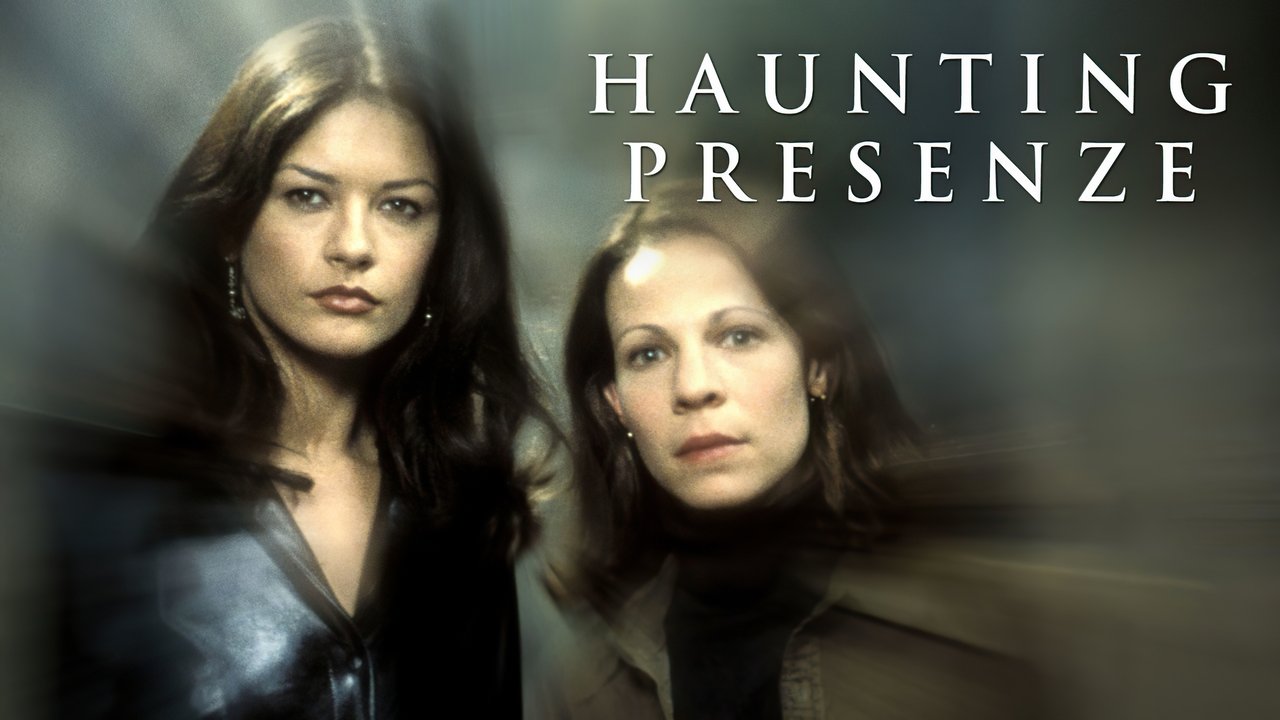
Rating: 5/10
Justification: The score reflects the film's impressive production values, committed lead performance from Lili Taylor, and moments of atmospheric potential hampered by excessive and often ineffective CGI, a weak script compared to its source, and a fundamental shift from psychological horror to spectacle. It's a visually grand but ultimately hollow echo of a true horror classic.
Final Thought: Perhaps the most haunting thing about this version is the ghost of the masterpiece it could have been, forever rattling its chains somewhere within those beautifully rendered, digitally augmented walls.