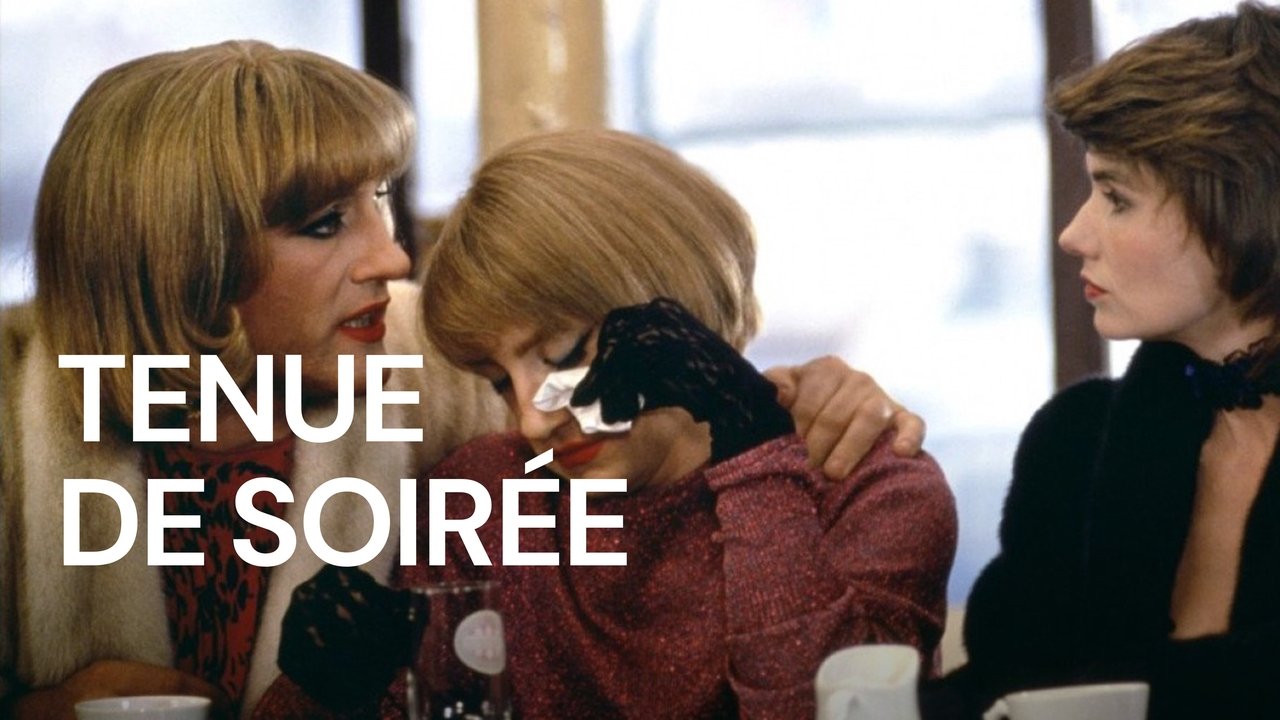
Okay, fellow travelers down the magnetic tape memory lane, let's slide a cassette into the VCR that might have raised a few eyebrows back at the rental counter. Not your typical Friday night action flick or cozy comedy, Bertrand Blier's 1986 film Ménage (or Tenue de soirée, its evocative original French title meaning "Evening Dress") arrives like a force of nature – unpredictable, often uncomfortable, and utterly unforgettable. This wasn't the kind of film you rented casually; finding it often felt like unearthing something potent, maybe even a little dangerous, tucked away in the 'Foreign Films' section.
An Unlikely Catalyst
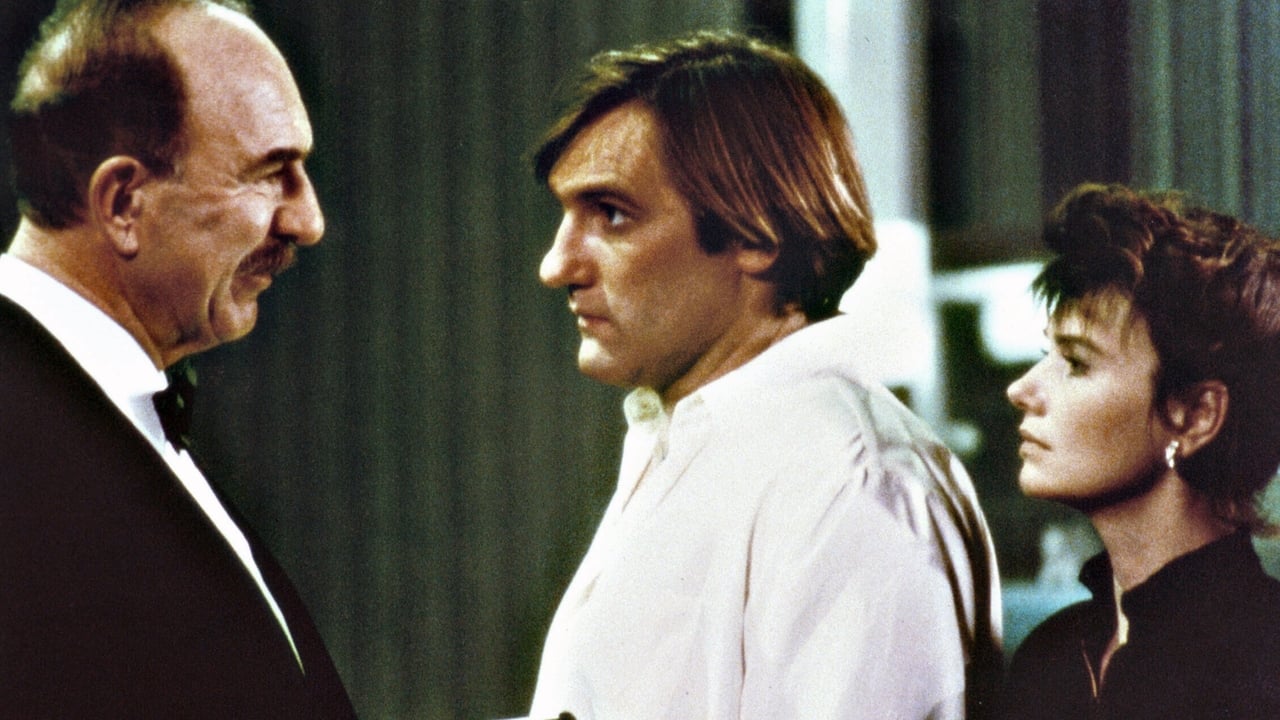
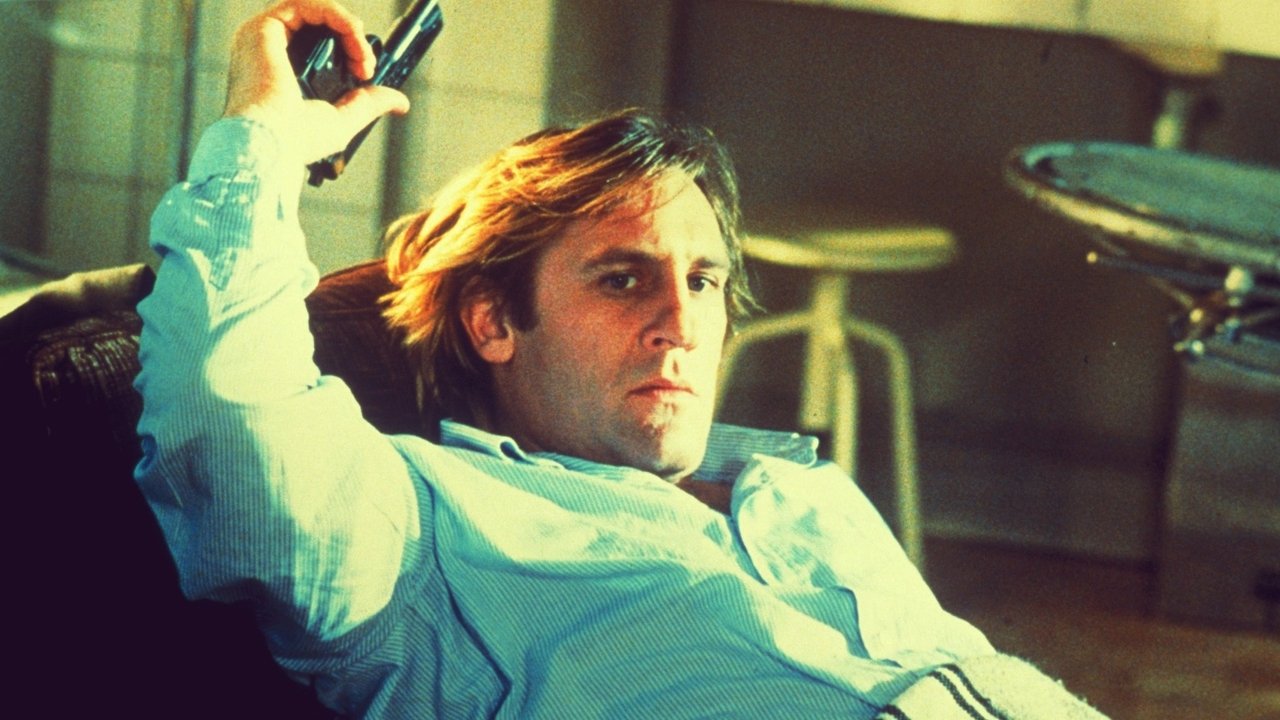
What grips you first isn't just the premise – a charismatic, hulking burglar named Bob inserting himself into the lives of a perpetually bickering, down-on-their-luck couple – but the sheer, raw energy Gérard Depardieu brings to the role. Bob isn't just a criminal; he's a whirlwind of appetites, desires, and baffling pronouncements. He finds Antoine (Michel Blanc) and Monique (Miou-Miou) mid-squabble in a drab restaurant, their poverty and mutual resentment palpable. Seeing perhaps a twisted reflection of his own loneliness or simply an opportunity for chaos, Bob takes them under his wing, initiating them into a life of breaking and entering. It's a strange liberation, fueled by stolen goods and champagne, but Blier isn't crafting a simple caper.
Shifting Sands of Desire
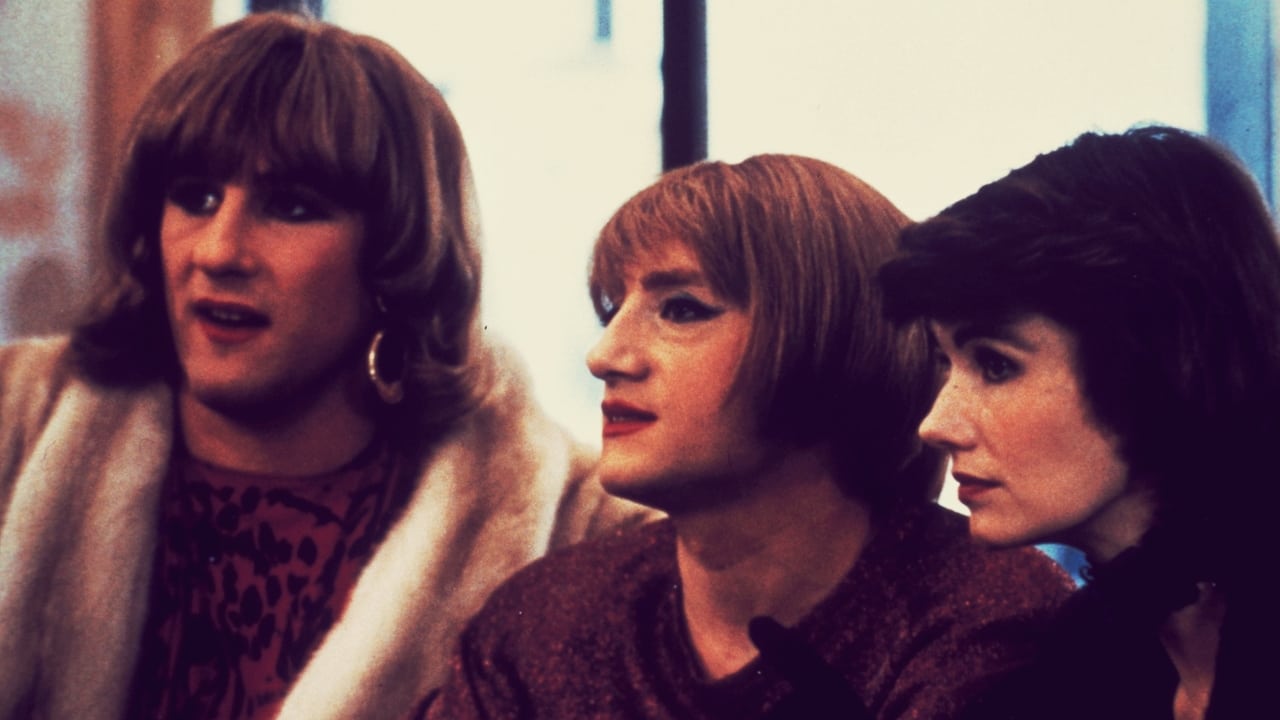
The film takes a sharp, provocative turn. Bob's interest shifts decisively towards the timid, browbeaten Antoine. His declarations of love are as forceful and unconventional as his methods of burglary. This isn't played for cheap laughs; there's a strange tenderness beneath Bob's aggressive pursuit, and Depardieu navigates this complex territory with astonishing fearlessness. He finds vulnerability within the bravado, making Bob more than just a disruptive force – he becomes a catalyst for shattering every convention the couple, and perhaps the audience, holds dear. I recall seeing the VHS box art, often featuring Depardieu somewhat ambiguously presented, hinting at the gender-bending and transgressive elements within, something quite startling for mainstream audiences in the mid-80s.
A Trio's Tense Dance
The performances are the bedrock upon which this challenging structure rests. Michel Blanc, who shared the Best Actor prize at Cannes for this role (alongside Bob Hoskins for Mona Lisa), is simply extraordinary. His Antoine begins as a nebbish, almost pathetic figure, constantly belittled by Monique. Witnessing his gradual transformation under Bob's influence – a bizarre mix of fear, fascination, and eventual acquiescence – is unsettling and deeply compelling. Why does he go along with it? Is it desperation, a latent desire, or simply the path of least resistance against an overwhelming personality? Blanc makes you believe in Antoine's complex, often contradictory, responses.
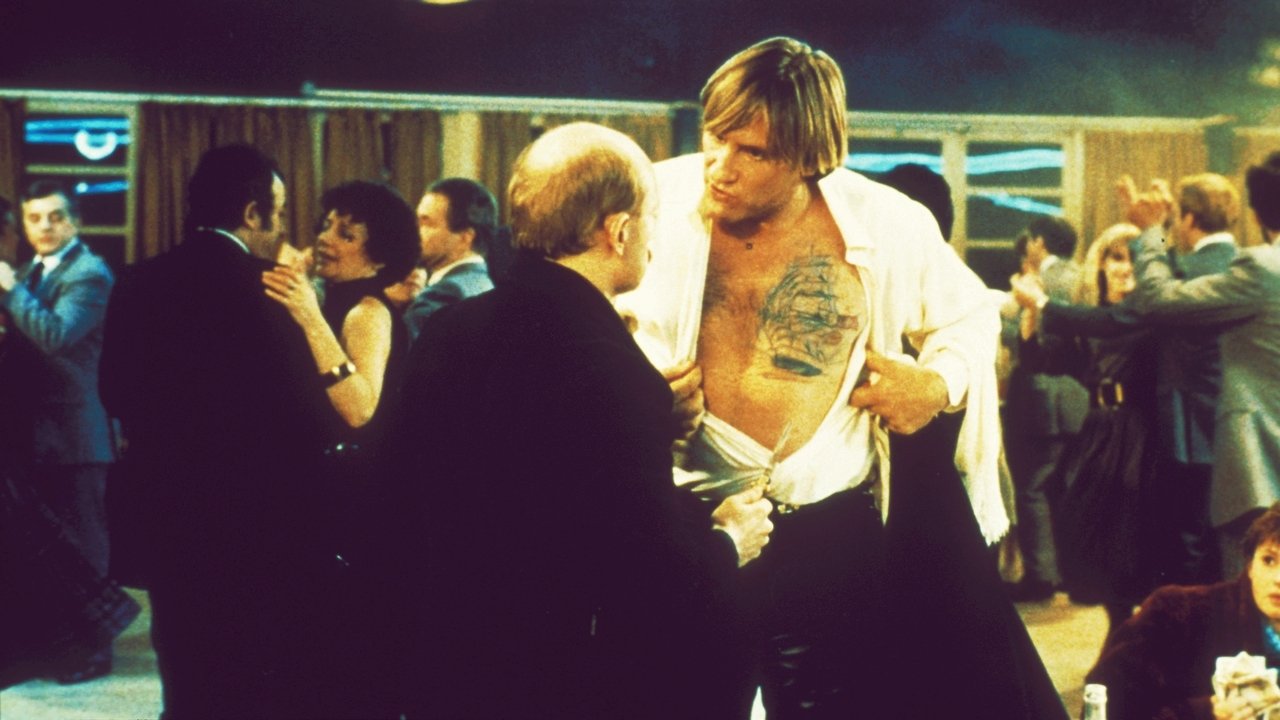
Miou-Miou, reuniting with Blier and Depardieu after their equally provocative 1974 collaboration Les Valseuses (Going Places), provides the film's weary, pragmatic heart. Monique is initially energized by the illicit thrills Bob provides, a welcome escape from her dreary existence with Antoine. But as Bob's focus shifts, her reactions – a mix of jealousy, bewilderment, and eventual adaptation – ground the increasingly surreal scenario. Her resilience feels painfully authentic; she's a survivor navigating a situation that defies easy categorization.
Blier's Provocative Vision
Bertrand Blier was never one for comfortable viewing. His films often poke at societal norms, sexuality, and the absurdity of human relationships with a confrontational, darkly comic style. Ménage is pure Blier. It refuses easy answers or moral judgments. It explores themes of alienation, the desperation bred by poverty, the fluidity of desire, and the surprising ways people adapt to extreme circumstances. The final act, which sees Bob fully embracing a female identity (hence the "Evening Dress" title), pushes the boundaries even further, forcing us to question everything we thought we understood about these characters. It’s a testament to the film's power that even decades later, its audacity feels fresh and challenging. While its $2.5 million budget seems modest, especially considering Depardieu's star power even then, the film's impact far outweighed its cost, generating considerable buzz and controversy upon release.
Lingering Questions
Does the film feel dated? Perhaps in some of its specific depictions, but its core questions about identity, power dynamics, and the lengths people will go to for connection (or escape) remain potent. It’s a film that doesn’t offer comfort, but sparks conversation. It leaves you turning over the characters' motivations, wondering about the nature of love, dependence, and transgression. What happens when the rules we live by are completely overturned?
---
Rating: 8/10
Ménage earns this score for its sheer audacity, the powerhouse performances from its central trio (especially Blanc and Depardieu), and Blier's uncompromising direction. It's challenging, sometimes abrasive, and refuses to provide easy answers. It loses a couple of points perhaps for moments where the relentless provocation can feel slightly overwhelming, potentially alienating some viewers. However, its willingness to explore taboo subjects with such dark humor and unexpected tenderness makes it a standout piece of 80s European cinema.
This is one of those VHS finds that sticks with you – a strange, unsettling, yet compelling journey into the dark corners of human desire and desperation, leaving you pondering its ambiguities long after the tape clicked off.