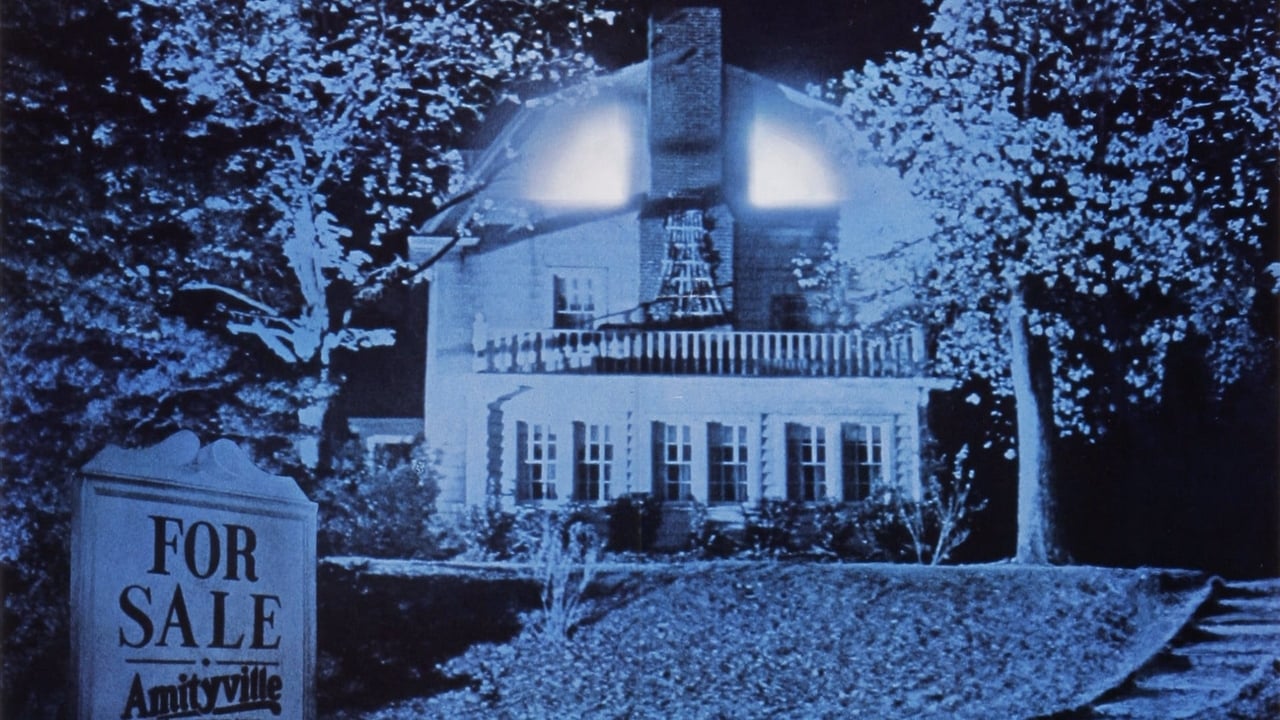
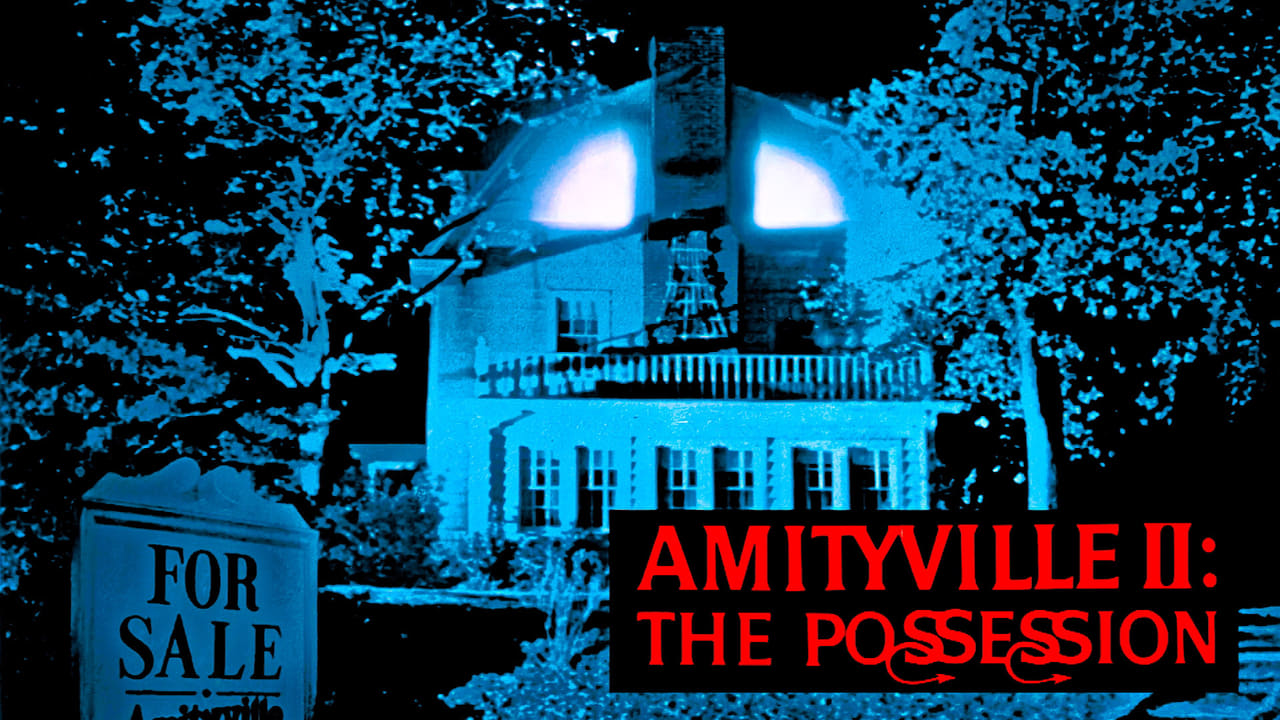
Some houses aren't just haunted; they're diseased. They fester. Forget the slow burn dread of the Lutzes’ story; 1982's Amityville II: The Possession plunges you headfirst into a waking nightmare, a story that crawls under your skin not with bumps in the night, but with the ugliness festering within a family tearing itself apart, long before the supernatural even fully takes hold. This wasn't the spooky sequel many expected after the 1979 hit; it was something far more rancid, a prequel detailing the rot that set in before the infamous haunting, and watching it again on a fuzzy tape evokes that same grimy feeling of unease it did decades ago.
Before the Flies, There Was the Fury
The Montelli family moves into the infamous Long Island house, hoping for a fresh start, but they bring their own demons with them. Forget flickering lights and disembodied voices for a moment; the initial horror here is brutally domestic. Burt Young, forever etched in our minds as Paulie from Rocky, channels a terrifying, explosive rage as Anthony Montelli, the abusive patriarch. His presence looms large, casting a pall of fear over the entire household. Rutanya Alda gives a heartbreaking performance as Dolores, the devout, suffering mother trying desperately to hold things together against impossible odds. The tension within these walls feels suffocatingly real, a pressure cooker of resentment and violence just waiting to blow. This focus on dysfunction gives Amityville II a distinctly uncomfortable, almost voyeuristic edge compared to its predecessor. It wasn't just a haunted house movie; it felt like stumbling onto something deeply wrong.
A Descent into Unspeakable Territory
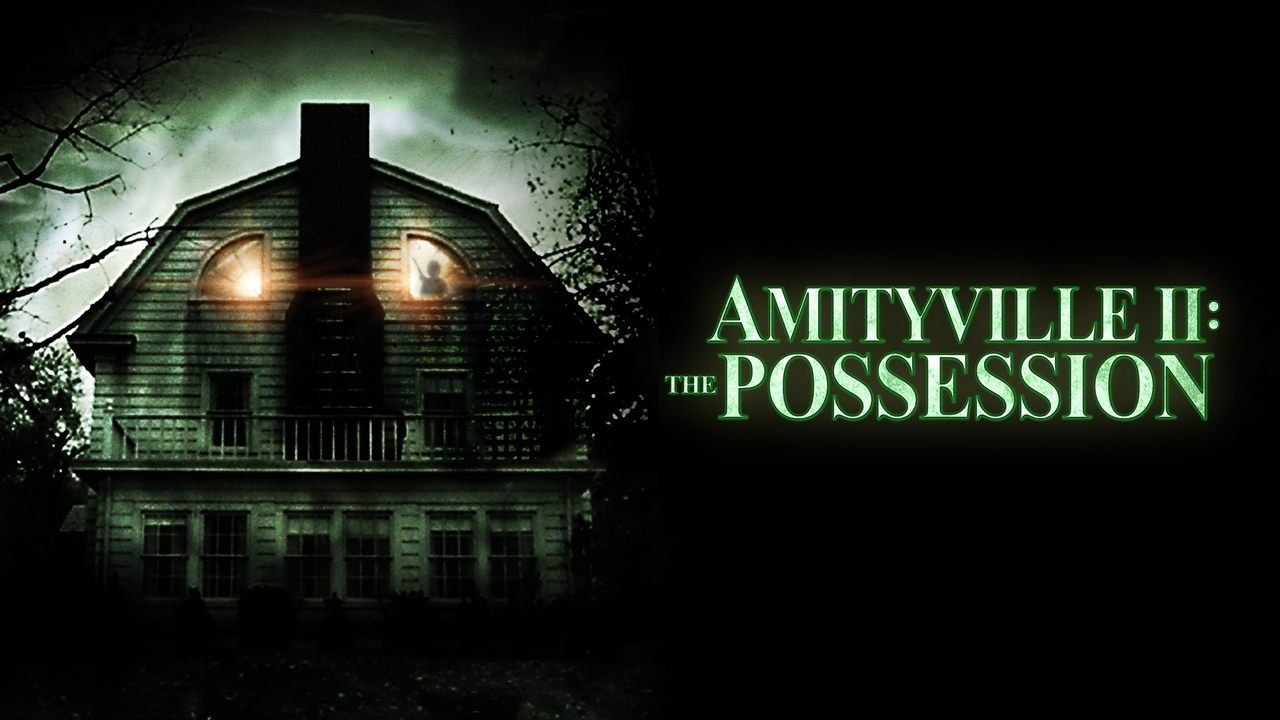
Where the film truly earns its notorious reputation, however, is in its depiction of the eldest son, Sonny (a chillingly effective Jack Magner), and his increasingly tormented state. As the house's influence – or perhaps something far older and fouler – takes root in him, the film veers into territory rarely touched by mainstream American horror at the time. The infamous, deeply unsettling incestuous undertones between Sonny and his sister Patricia (Diane Franklin, radiating vulnerability) were shocking then and remain profoundly disturbing now. Reportedly, screenwriter Tommy Lee Wallace (who would later give us the divisive but fascinating Halloween III: Season of the Witch) based the script loosely on Hans Holzer's book Murder in Amityville, focusing on the DeFeo tragedy analogues. However, producer Dino De Laurentiis pushed for this darker angle, and the resulting controversy around these themes cemented the film's grim legacy. It's a choice that makes the film hard to watch, but undeniably contributes to its raw, transgressive power. Does anyone else remember the palpable discomfort watching that scene for the first time?
Italian Style Grime and Practical Nastiness
Helming this descent was Italian director Damiano Damiani, primarily known for crime thrillers back home. His outsider perspective, likely favored by fellow Italian De Laurentiis, arguably lends the film a certain European exploitation griminess. It doesn’t feel quite like other American horror films of the era. The cinematography is often claustrophobic, the atmosphere thick with dread, and when the demonic possession fully manifests, the film doesn't flinch. The practical effects work, spearheaded by artists like John Caglione Jr. (who later snagged an Oscar for Dick Tracy), is truly something to behold for fans of the craft. Sonny's transformations are grotesque, slimy, and impressively realised for the time – the kind of visceral, physical horror that felt terrifyingly tangible on a flickering CRT screen. That final monstrous look? Still genuinely unnerving. Filming reportedly used the same Toms River, New Jersey house for exteriors as the original, grounding the nastiness in a familiar facade, while the truly disturbing events unfolded on purpose-built interior sets.
A Flawed But Viciously Memorable Prequel
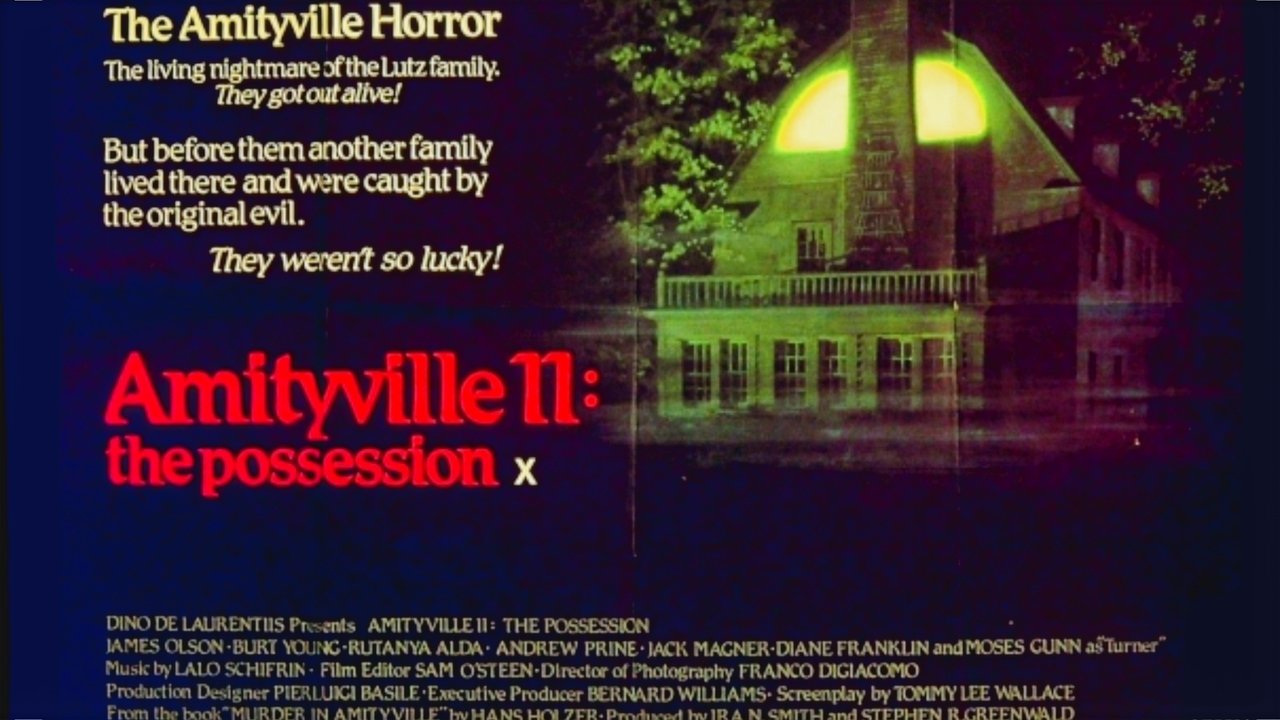
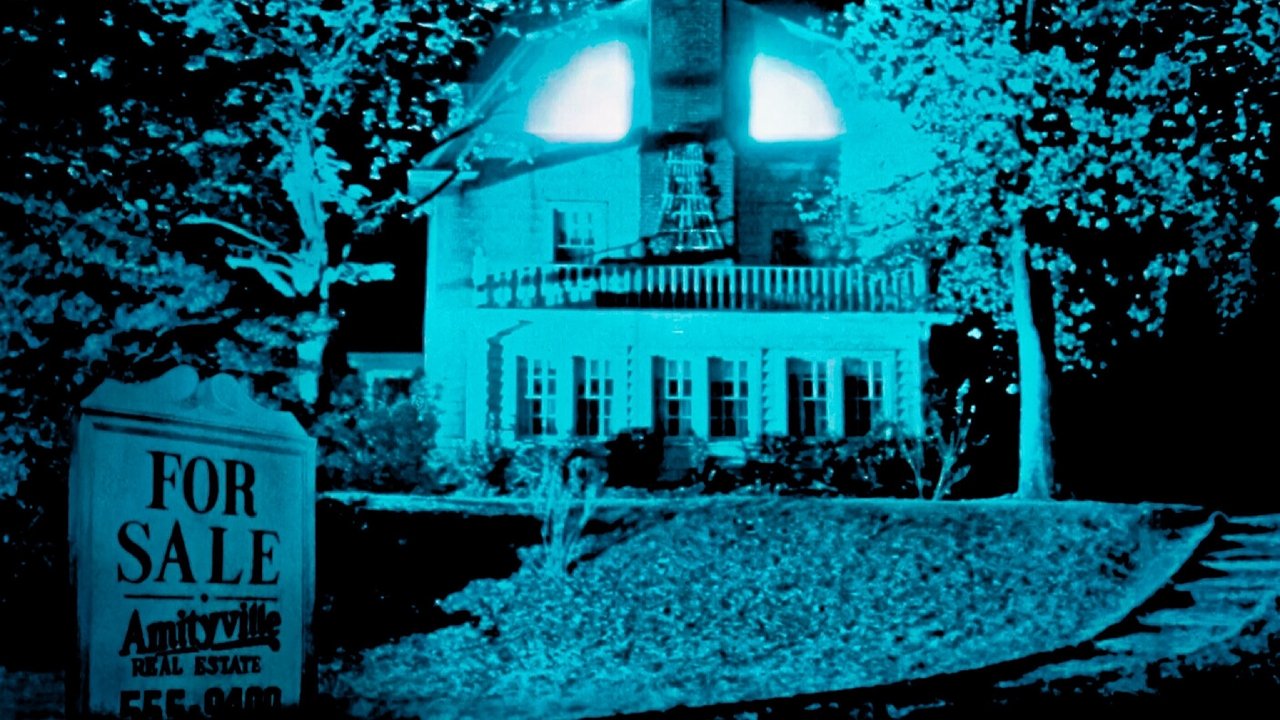
Let's be clear: Amityville II is not a perfect film. The pacing can feel uneven, lurching between intense family drama and outright supernatural horror. The final act, involving Father Adamsky (James Olson) and a frantic exorcism attempt, feels somewhat tacked on, perhaps a studio concession to deliver a more conventional horror climax after the preceding bleakness. Wallace himself later expressed some frustrations with the final direction the project took. Yet, despite its flaws and its deeply unpleasant subject matter, the film possesses a raw, vicious energy that lingers. It achieved modest success ($12.5 million domestic from an estimated $5 million budget – roughly $39 million adjusted for inflation today), finding its audience among horror fans seeking something stronger than the usual spectral chills. It remains a potent, if problematic, entry in the sprawling Amityville saga, often regarded by cult horror aficionados as superior to many of the sequels that followed due to its sheer audacity and brutality.
***
VHS Heaven Rating: 6/10
Justification: Amityville II: The Possession earns its score through sheer, unadulterated nastiness and some truly memorable practical effects work. Its focus on brutal family dysfunction creates a palpable sense of dread even before the demonic elements take over, and Burt Young is genuinely terrifying. However, its deeply controversial themes make it a difficult watch, and the pacing/third act shift feels less cohesive than the relentless build-up. It’s not subtle, and it’s certainly not pleasant, but as a piece of early 80s shock cinema delivered straight to your VCR, its power to disturb was undeniable.
Final Thought: More harrowing family breakdown than haunted house spookfest, Amityville II is that grimy, upsetting tape you might hesitate to revisit, but whose disturbing images and raw intensity are hard to completely forget. It’s a brutal reminder that sometimes the most terrifying monsters are the ones living under the same roof.