There's an unnerving stillness to an antique doll's stare, isn't there? That fixed, glassy gaze seems to follow you, hinting at secrets held within its porcelain or wooden shell. Stuart Gordon’s 1987 film Dolls taps directly into that primal unease, transforming childhood companions into instruments of chilling, almost fairytale-like retribution. Forget the slick, self-aware killers that would dominate the decade's end; Dolls invites you into a dusty, forgotten corner of horror, a place where morality is brutally enforced by tiny, unforgiving hands.
A Stormy Night's Embrace
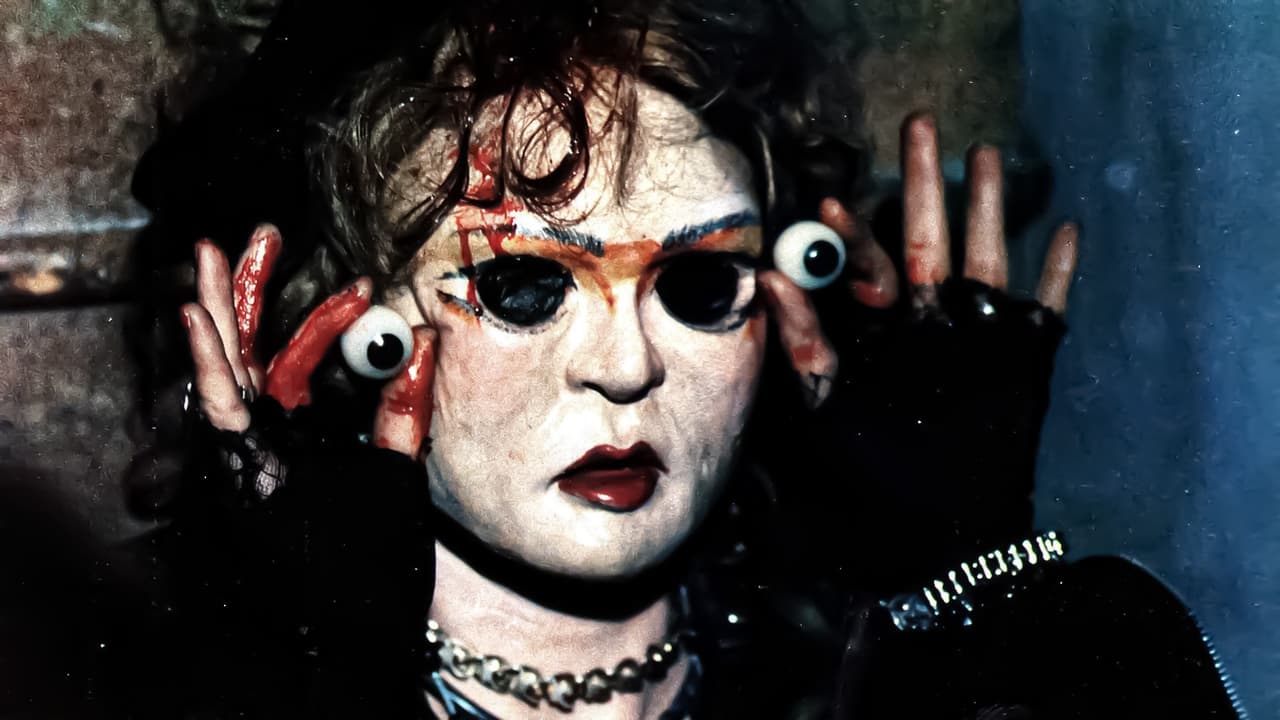
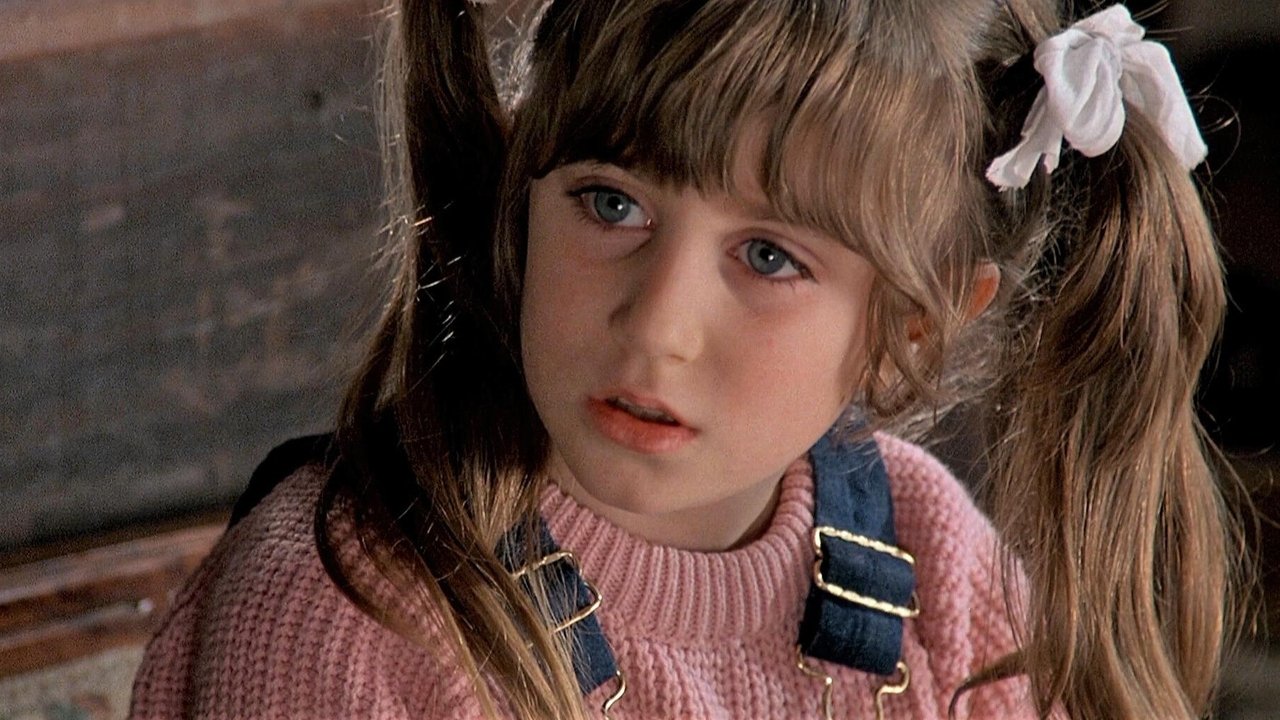
The setup is classic gothic: a ferocious thunderstorm forces disparate groups of travellers to seek refuge in a sprawling, isolated mansion owned by the elderly, eccentric Gabriel and Hilary Hartwicke (Guy Rolfe and Hilary Mason, respectively). Among the stranded are the neglectful David Bower (Ian Patrick Williams), his shrewish wife Rosemary (Carolyn Purdy-Gordon, director Gordon's wife, clearly having a ball), and their imaginative young daughter Judy (Carrie Lorraine), who clings to her beloved teddy bear. Joining them are the affable, childlike Ralph (Stephen Lee) and two hitchhiking punk rockers, Isabel (Bunty Bailey, memorable from A-ha's "Take On Me" video) and Enid (Cassie Stuart), whose brash cynicism provides a stark, almost comical contrast to the mansion's old-world menace. It’s a perfect pressure cooker, trapping flawed people in a house brimming with watchful eyes.
Where Toys Become Terrors
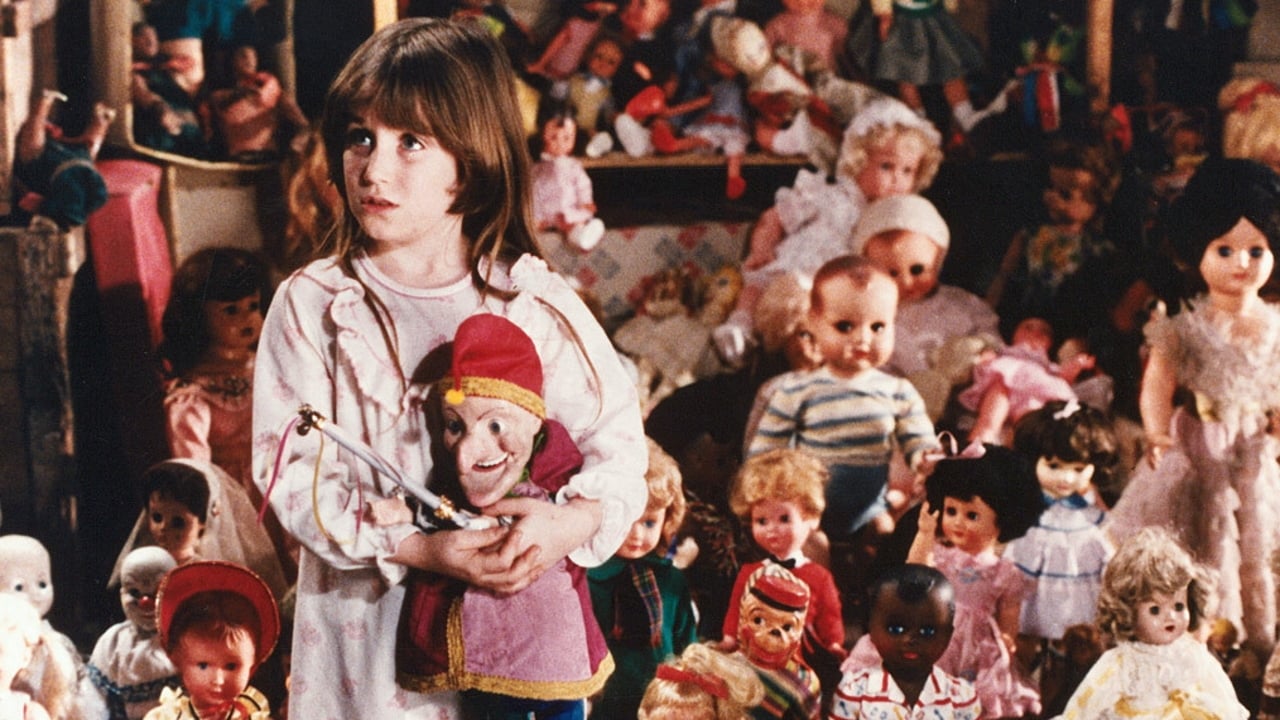
Gabriel, it turns out, is a master toymaker, and his mansion is less a home and more a repository for hundreds upon hundreds of meticulously crafted dolls. They fill every shelf, line every corridor, their painted smiles seeming to curdle in the flickering candlelight. Gordon, already known for the visceral shocks of Re-Animator (1985) – which, intriguingly, was filmed after Dolls but released before due to production schedules – here opts for a slower burn. The dread builds not through jump scares, but through the suffocating atmosphere of the house itself, captured beautifully by cinematographer Mac Ahlberg. The dark wood panelling, the cluttered rooms, the relentless rain beating against the windows – it all conspires to create a feeling of inescapable entrapment. You can almost smell the dust and decay through the screen.
The genius – and the enduring creep factor – lies in the dolls themselves. Brought to life through a combination of stop-motion animation, puppetry, and clever editing overseen by effects maestro John Carl Buechler (who would later direct Friday the 13th Part VII: The New Blood), the dolls possess a jerky, unnatural movement that’s far more unsettling than slick CGI could ever be. There's a tangible quality to their attacks, a disturbing weight as they swarm their victims. Remember that scene with Rosemary? The sheer, vicious absurdity of it, carried out by these diminutive figures, sticks with you. Apparently, young Carrie Lorraine was remarkably unfazed by her inanimate co-stars on the set, often playing with them between takes – a stark contrast to the terror they evoke on screen.
Fairytale Nightmare Fuel
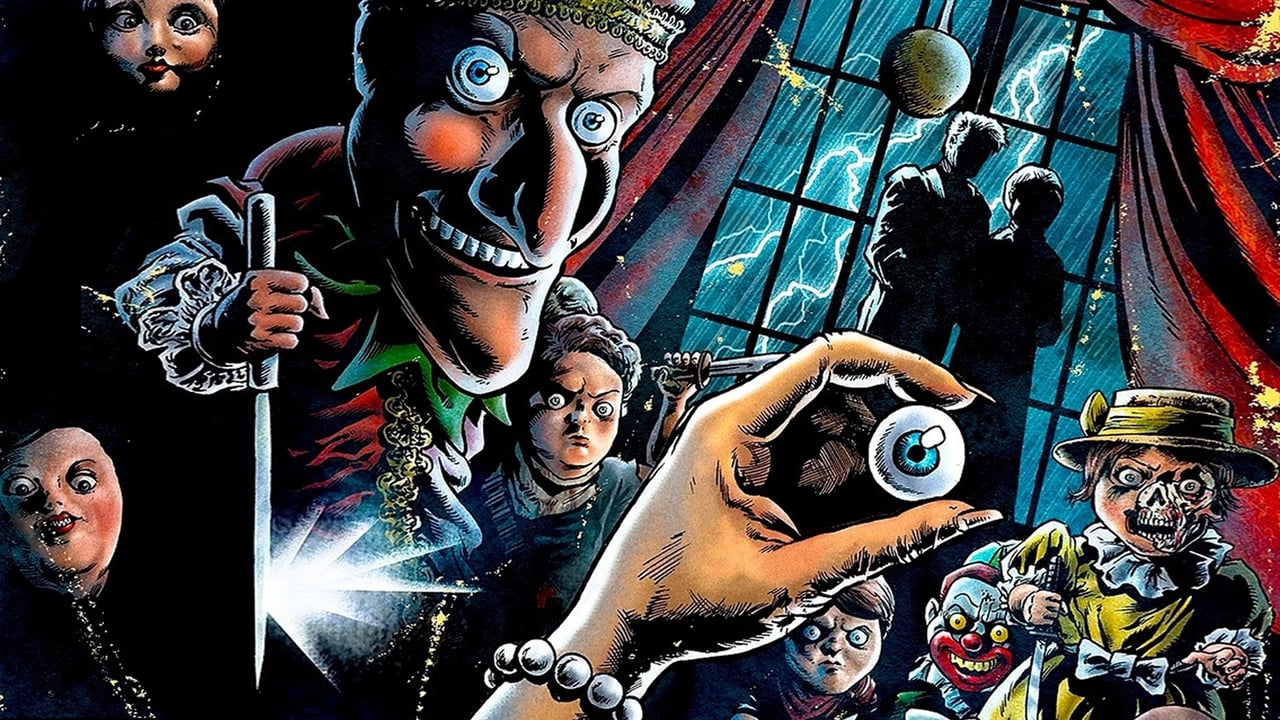
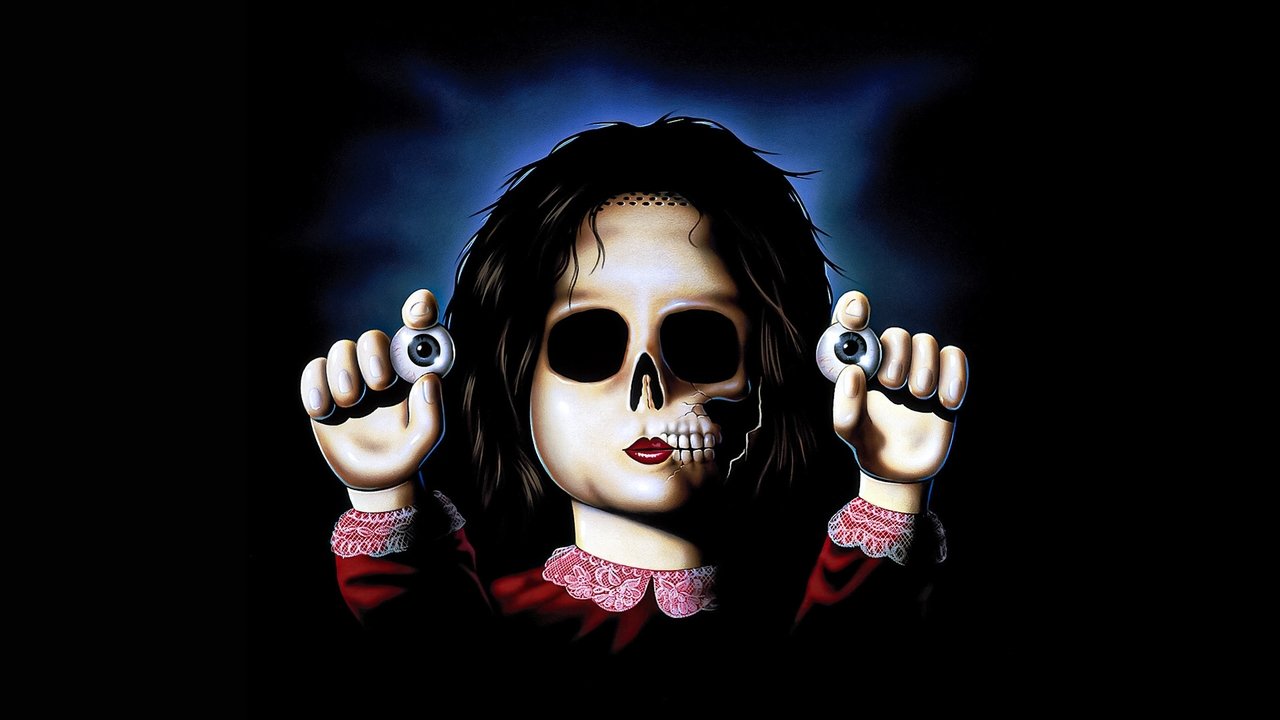
Produced by Charles Band’s Empire Pictures, known for their distinctive brand of imaginative, budget-conscious genre films, Dolls was filmed entirely on soundstages in Italy, adding to its slightly displaced, European fairytale feel. This wasn't just happenstance; Stuart Gordon specifically aimed for that tone, wanting to create something akin to a Grimm Brothers story filtered through an 80s horror lens. The script, penned by Ed Naha (who also wrote Troll), originally had even darker undertones, though the finished film retains a potent sense of twisted morality. The dolls aren't indiscriminate killers; they are judges, juries, and executioners for the cruel and impure of heart, protecting the innocent like Judy and the good-natured Ralph. This moral dimension elevates Dolls slightly above standard slasher fare, giving it a peculiar, fable-like resonance. The inclusion of the punks, reportedly added to inject some contemporary attitude (and increase the body count), feels a little dated now, but serves its purpose in highlighting the clash between cynical modernity and the house's ancient, judgmental magic.
The film operates on a wonderfully simple, potent premise: treat others kindly, cherish imagination, and perhaps don't steal from creepy old dollmakers. The performances sell the concept, particularly Guy Rolfe's gentle yet implicitly menacing Gabriel and Carolyn Purdy-Gordon’s delightfully horrid Rosemary. Her comeuppance is a standout moment of dark, practical effects-driven horror that likely had audiences cheering back in the day. My own well-worn VHS copy certainly saw plenty of rewinds on that sequence!
Legacy in Miniature
While perhaps overshadowed by Gordon's more overtly gory Lovecraft adaptations or the Child's Play franchise which launched the following year, Dolls remains a distinct and effective piece of 80s horror. It didn't set the box office alight (grossing around $3.5 million against a $2 million budget), but it found its audience on home video, becoming a cult favourite admired for its atmosphere, unique premise, and memorable effects. Doesn't that blend of gothic dread and almost whimsical menace still feel surprisingly potent? It’s a testament to practical effects and focused direction, proving you don't need excessive gore to create genuine chills.
***
Rating: 7.5/10
Dolls earns its score through sheer atmosphere, a wonderfully creepy central concept, and effectively realised (if occasionally dated) practical doll effects. Stuart Gordon crafts a dark fairytale that feels both classic and distinctively 80s. While some characterisations are thin and the pacing occasionally lags, the overwhelming sense of claustrophobic dread within the mansion, punctuated by moments of startling miniature violence, makes it a memorable entry in the killer toy subgenre. It lacks the visceral punch of Re-Animator but compensates with a unique, unsettling charm.
A chilling reminder that sometimes, the most terrifying things come in small packages, especially when they have tiny, painted-on smiles hiding murderous intent. It's a perfect slice of 80s gothic horror, best watched on a dark and stormy night... naturally.