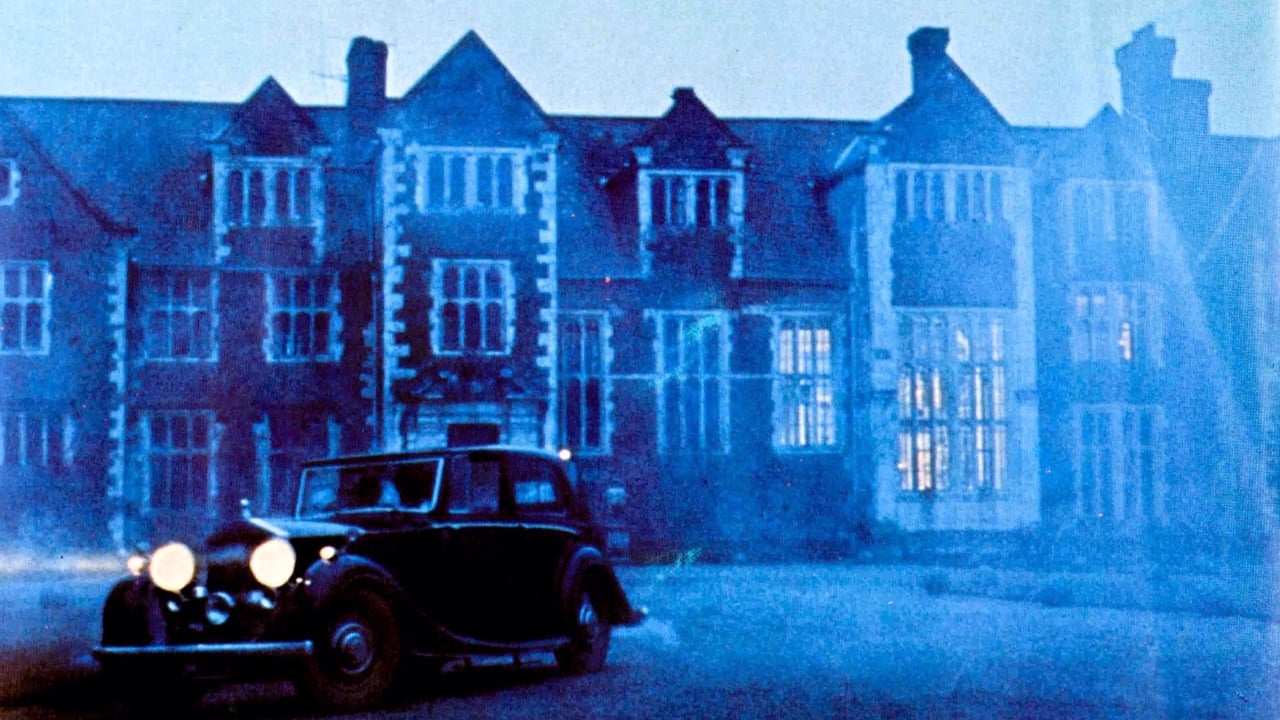
The silence of the English countryside can be deceptive. Sometimes, it holds secrets older and darker than the ancient oaks lining the winding lanes. Drop two unsuspecting Americans into the heart of it, force them off the road by an unseen malevolent force, and guide them towards the imposing gates of a sprawling, isolated estate... well, you've stumbled into the unsettling world of The Legacy. Forget quaint tea and crumpets; Ravenshurst Manor serves dread on a silver platter.
### An Invitation You Can't Refuse
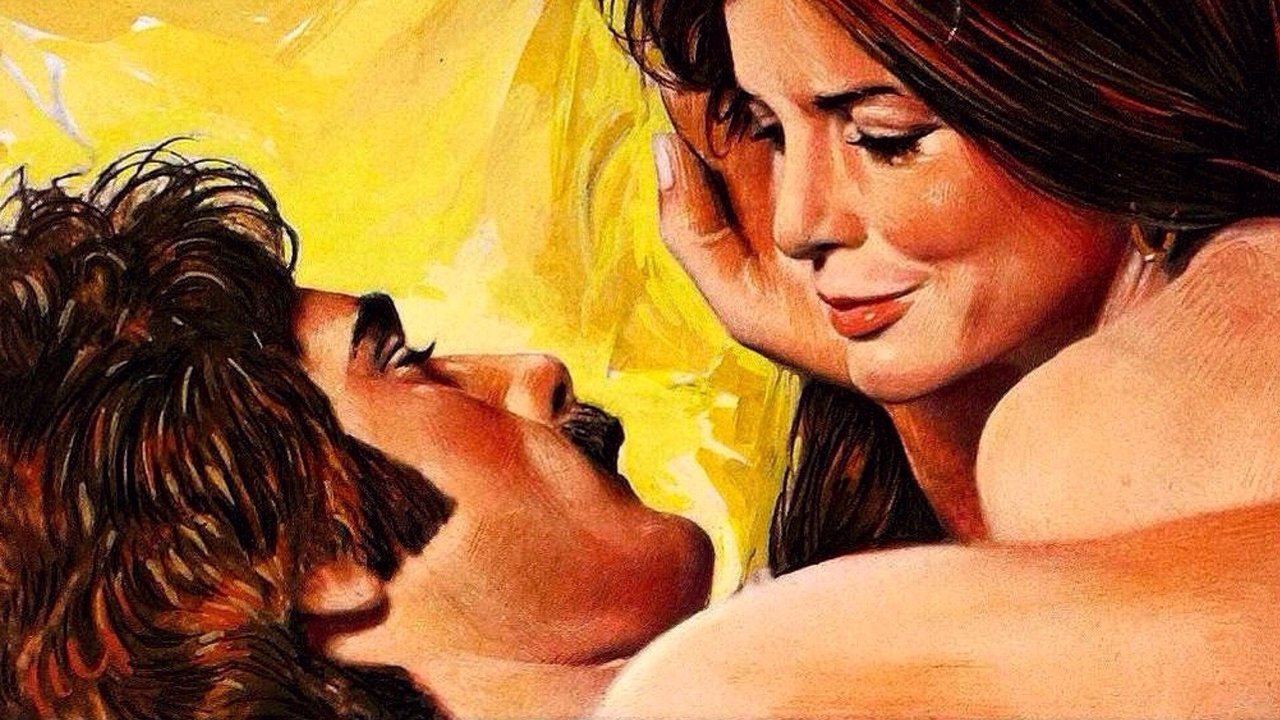
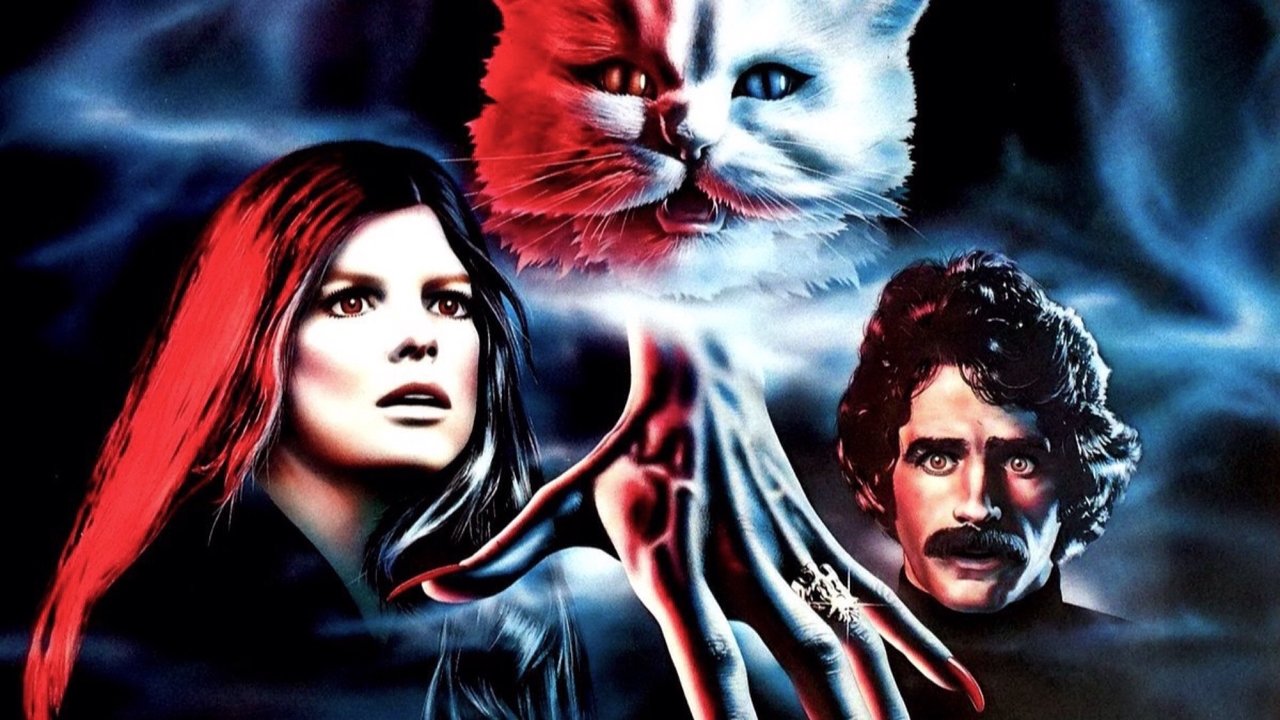
Our guides into this gothic nightmare are Maggie Walsh (Katharine Ross) and her boyfriend Pete Danner (Sam Elliott), interior designers on a working trip to the UK. Ross, known for navigating unsettling scenarios in The Stepford Wives (1975), brings a vulnerable intelligence to Maggie, while Elliott, even then radiating that signature rugged charm and moustache-power we'd see magnified in films like Road House (1989), makes Pete instantly likeable. Their chemistry isn’t just acting; the pair famously met on this set and later married in 1984, lending an undeniable authenticity to their connection amidst the rising tide of weirdness. After a near-fatal motorcycle accident orchestrated by the unseen hand of their 'host', they find themselves reluctantly accepting the hospitality of the impossibly wealthy, and clearly dying, Jason Mountolive (John Standing).
### A Gathering of Vultures
It soon becomes clear Maggie and Pete aren't the only guests. Ravenshurst is hosting a reunion of sorts, attended by five other individuals who have achieved immense success and power thanks to Mountolive's patronage. There's a sinister industrialist, a fascist political climber, a military strategist, a controversial musician (played with sneering gusto by The Who's Roger Daltrey), and a former prostitute turned philanthropist. They are, quite literally, the inheritors of Mountolive's dark pact, gathered like well-dressed vultures waiting for the old man to finally expire so one can claim his infernal power. The setup feels deliberately like an Agatha Christie mystery, but one penned by the devil himself. The script, co-written by Hammer Horror legend Jimmy Sangster (who gave us classics like The Curse of Frankenstein and Horror of Dracula), drips with his signature blend of suspense and the supernatural, albeit filtered through a more modern, late-70s lens. You can almost feel the Hammer pedigree lurking in the shadows of the grand estate.
### Accidents Will Happen
What elevates The Legacy beyond a simple spooky house tale are the elaborate and often grisly "accidents" that begin picking off the guests one by one. These aren't quick cuts or implied demises; director Richard Marquand, years before he’d take us to a galaxy far, far away with Return of the Jedi (1983), stages these sequences with a chilling deliberation that sticks with you. Remember the swimmer trapped beneath the pool cover, desperately fighting for air against an invisible force? Or the horrifyingly drawn-out choking scene at the dinner table? These moments, relying heavily on practical effects and clever staging, felt disturbingly real on grainy VHS. One particularly memorable sequence involving a shattering mirror and a shard of glass utilized breakaway glass and careful camera angles to achieve its shocking impact, a testament to the ingenuity often required in the pre-CG era. Filming took place at the very real and suitably atmospheric Loseley Park in Surrey, its imposing architecture becoming another character in the film, adding a layer of authenticity that studio sets often lack. The film reportedly cost around $2.5 million (roughly $11.7 million today) and pulled in a respectable $10 million ($46.7 million today), proving there was still an audience for this brand of atmospheric, occult-tinged dread.
### Atmosphere Over Action
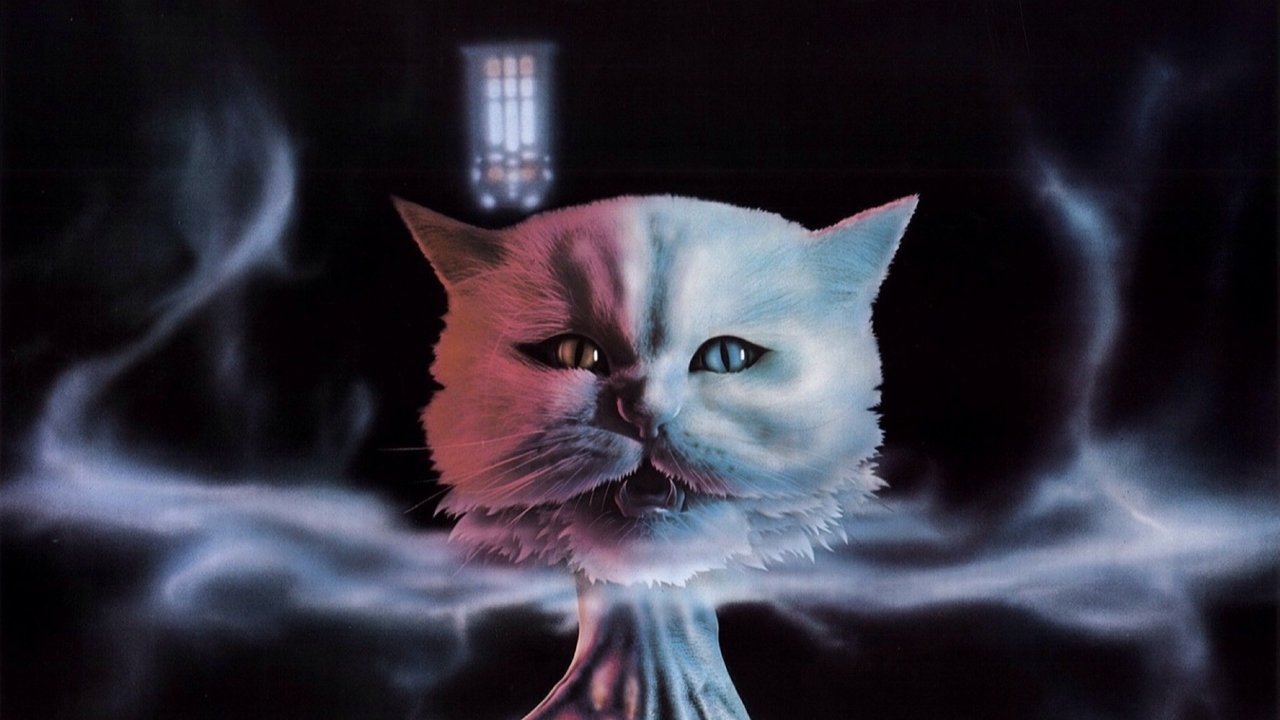
Marquand builds the tension slowly, focusing on the oppressive atmosphere of the manor and Maggie's dawning realization that she's connected to this place in ways she can't comprehend. The cinematography often isolates our leads within the vast, ornate rooms, emphasizing their vulnerability. The score, by Michael J. Lewis, alternates between lushly romantic themes for Maggie and Pete and jarring, dissonant chords that signal impending doom. While the pacing might test the patience of modern viewers accustomed to faster cuts, it’s this deliberate slow burn that allows the unease to seep under your skin. It’s the kind of film that rewards you for settling in, dimming the lights, and letting its strange, slightly off-kilter rhythm take hold – much like we did back in the days of adjusting the tracking on our VCRs. My own tape, rented countless times from the local video store, had certain scenes practically worn thin from rewinding to figure out how they pulled off those eerie effects.
### Enduring Inheritance
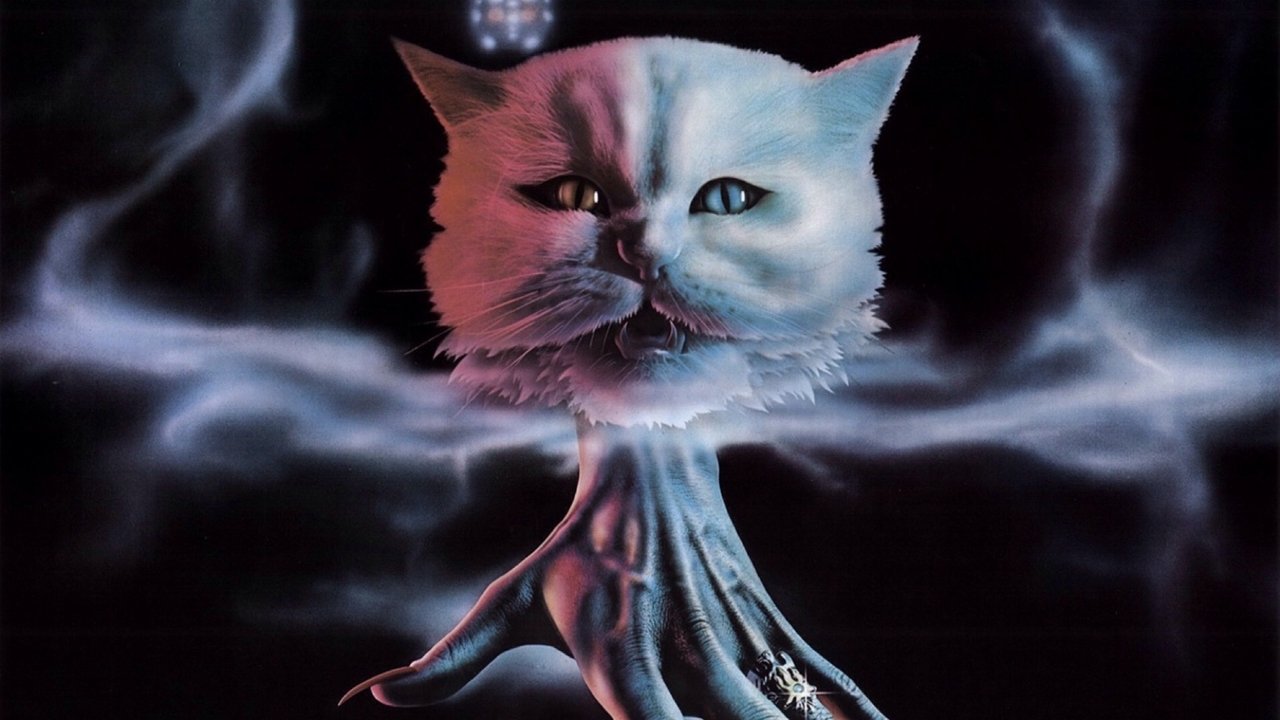
The Legacy isn't perfect. Some plot points feel a little contrived, and the supporting characters occasionally veer into caricature. Roger Daltrey, while bringing rock-star charisma, feels somewhat incongruous amongst the more classically trained actors. Yet, the film possesses a unique charm. It’s a curious hybrid – part gothic romance, part occult thriller, part 'And Then There Were None'-style whodunit (or rather, 'who's-next-init'). The genuine chemistry between Katharine Ross and Sam Elliott provides a crucial emotional anchor, making you root for them against the encroaching darkness. Its commitment to atmosphere, the memorably nasty death sequences rooted in practical effects, and its connection to genre titan Jimmy Sangster secure its place as a standout piece of late-70s supernatural horror, the kind that felt tailor-made for late-night VHS viewing. Doesn't that specific brand of chilling elegance still hold a certain power?
Rating: 7/10
Justification: The Legacy earns its score through its thick atmosphere, the undeniable chemistry of its leads (Ross and Elliott), its pedigree (Sangster, Marquand), and its genuinely unsettling and creative practical death scenes. It loses points for slightly uneven pacing and some underdeveloped secondary characters, but its strengths create a memorable and effectively creepy viewing experience that exemplifies the stylish dread of its era.
Final Thought: More than just a spooky house flick, The Legacy is a compelling slice of late-70s gothic infused with occult dread, carried by its leads and punctuated by moments of startling violence that likely haunted many a video rental night back in the day. It remains a fascinating curio, a testament to a time when atmosphere and practical ingenuity could conjure genuine chills.