The chill creeps in not just from the damp English fog that seems to cling to every frame, but from something deeper, more ancient, residing in the very stones of the village. Some places just feel cursed, don't they? Sliding Lucio Fulci's The Black Cat (1981) into the VCR back in the day often meant bracing for entrails and eye-gouging, but this one… this one felt different. It was quieter, more insidious, a slow-burn dread wrapped in a Poe-inspired shroud, even if the connection to the source material feels as ethereal as the mist itself.
An English Village Steeped in Shadow
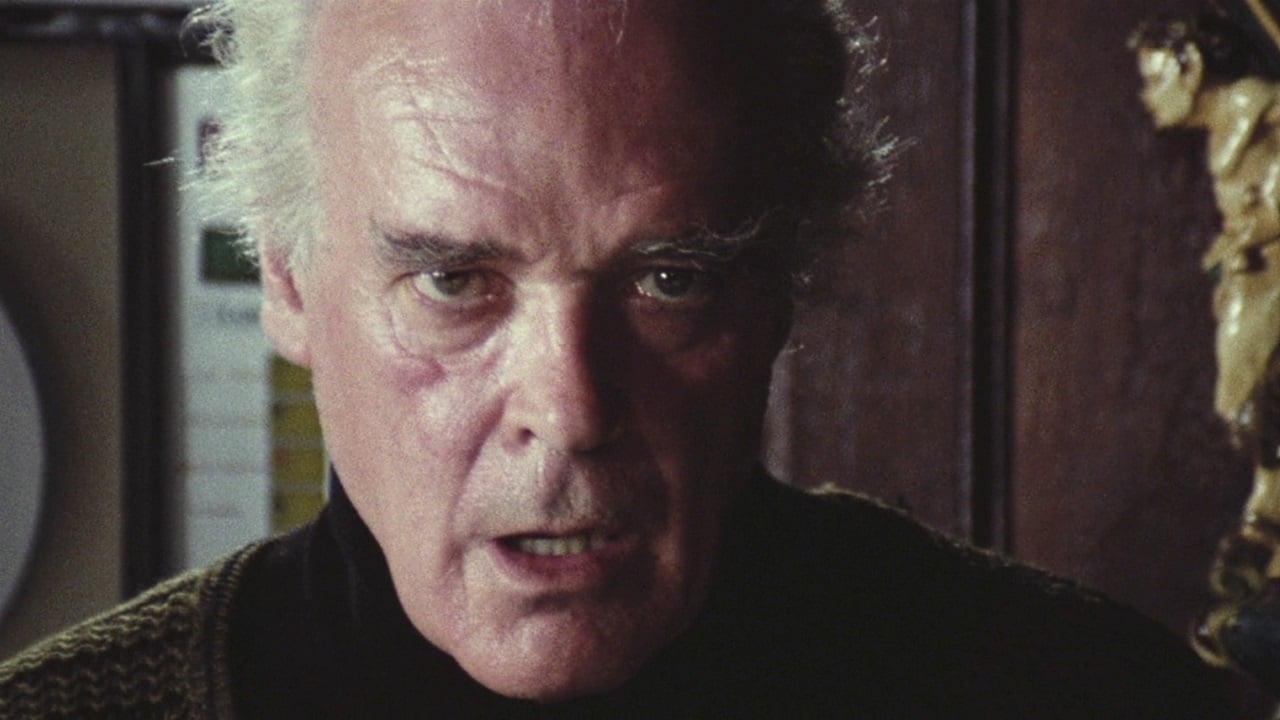
Forget the sun-baked Italian landscapes of Fulci's zombie epics. Here, the maestro of the macabre trades visceral shocks for a pervasive, creeping unease, transporting us to a quintessential English village. The choice of location – primarily West Wycombe in Buckinghamshire – was inspired. Its cobblestone streets, ancient church, and tightly packed houses become characters in themselves, fostering a sense of claustrophobia and hidden decay beneath the quaint façade. Cinematographer Sergio Salvati, a frequent Fulci collaborator, captures this beautifully, using the perpetual grey skies and swirling fog to create a world where supernatural menace feels entirely plausible. Every shadow seems a little too deep, every quiet corner potentially holds a lurking terror. This isn't just set dressing; it's the film's decaying soul.
Fulci's Measured Menace
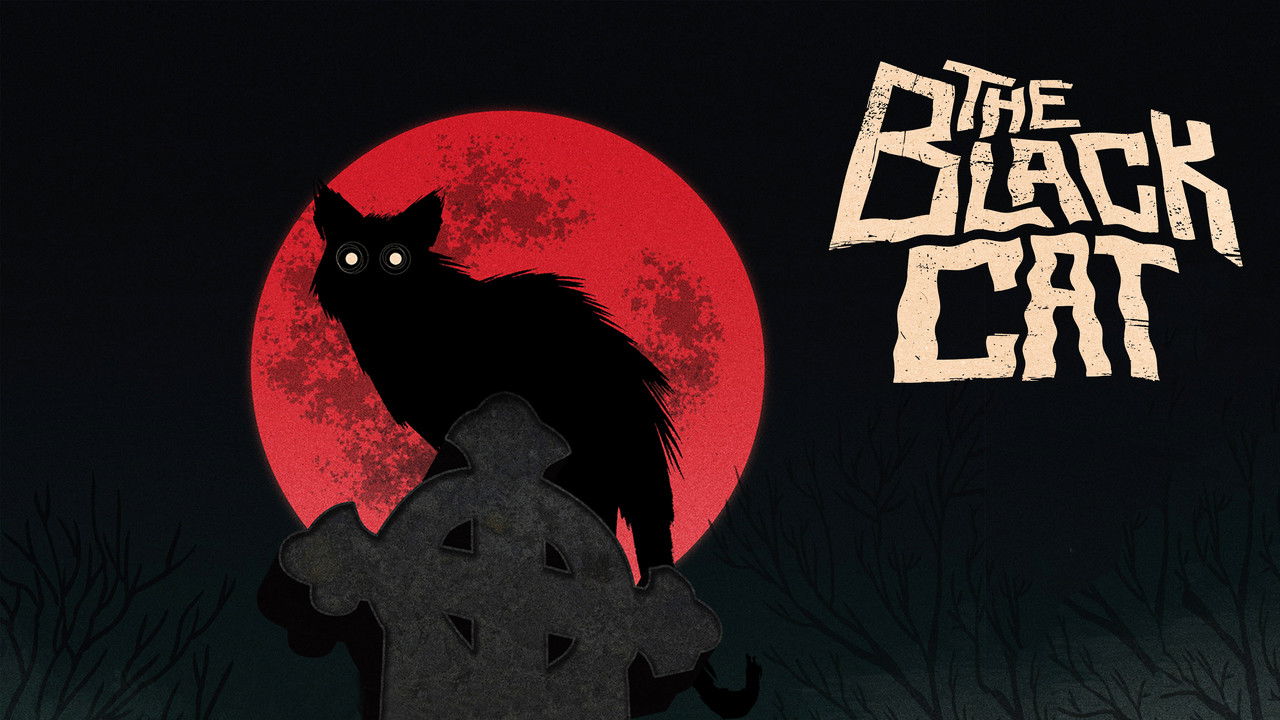
While The Black Cat certainly isn't devoid of violence – Fulci wouldn't be Fulci without some moments that make you wince – it showcases a restraint rarely seen in his more notorious works like The Beyond (also starring the reliable David Warbeck) or Zombi 2. This film prioritizes suspense and psychological chills over outright gore. It’s a deliberate pacing that allows the unsettling atmosphere to truly seep under your skin. There’s a palpable tension in the air, amplified brilliantly by Pino Donaggio's haunting score. Donaggio, who gave us the unforgettable sounds of dread in De Palma's Carrie and Dressed to Kill, crafts cues here that oscillate between melancholic beauty and jarring dissonance, perfectly mirroring the film's narrative tightrope walk between tragedy and terror. Fulci himself reportedly considered this one of his personal favorites, perhaps relishing the opportunity to craft a more classically styled chiller.
Whispers of Poe, Echoes of Doom
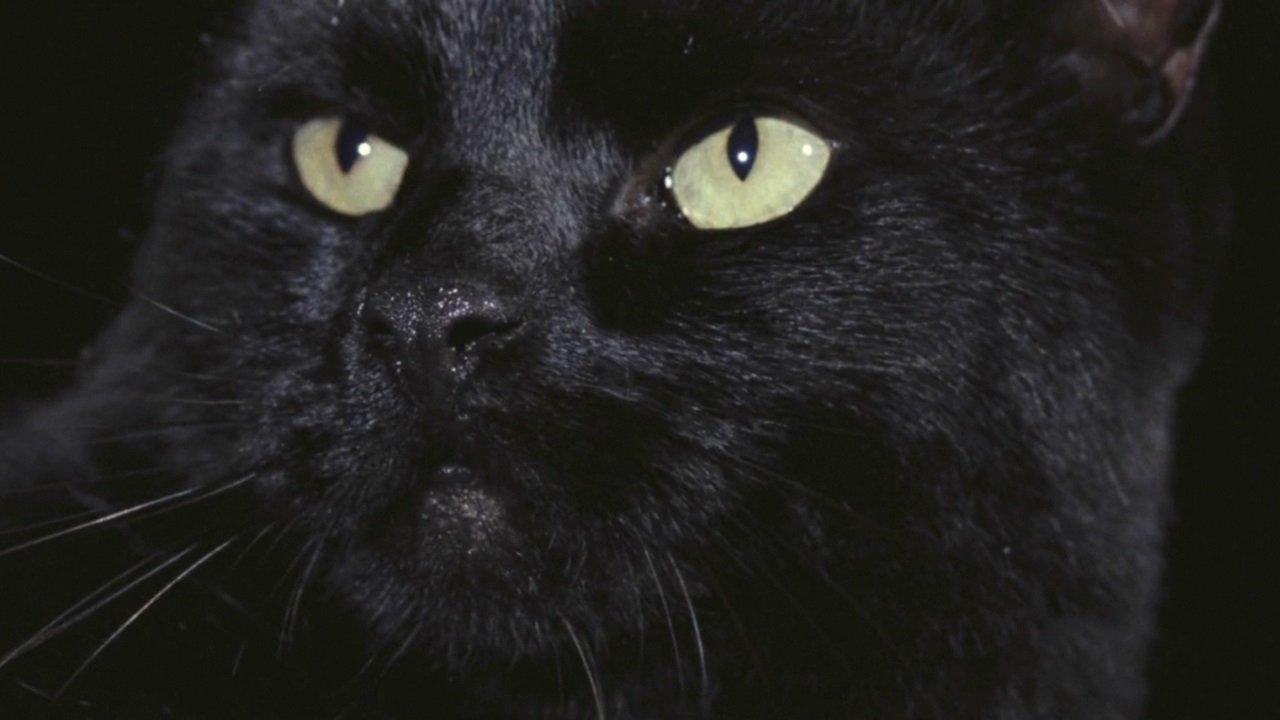
The plot nominally borrows from Edgar Allan Poe, centering around Professor Robert Miles (Patrick Magee), a gaunt and unsettling medium who communicates with the dead and shares a psychic, malevolent bond with his titular black cat. When a series of bizarre "accidents" plague the village, visiting photographer Jill Trevers (Mimsy Farmer) and Scotland Yard Inspector Gorley (David Warbeck) begin to suspect something unnatural is at play. Is the cat merely an instrument of Miles's will, or a demonic entity in its own right? The film revels in this ambiguity. The cat itself becomes an almost spectral presence, its appearances often signaled by Donaggio’s chilling score cues rather than elaborate effects – a smart move likely born from both artistic choice and the realities of a modest Italian genre film budget. Working with feline actors is notoriously difficult, and Fulci cleverly uses editing and suggestion to imbue the creature with an uncanny menace.
Magee's Magnetic Malevolence
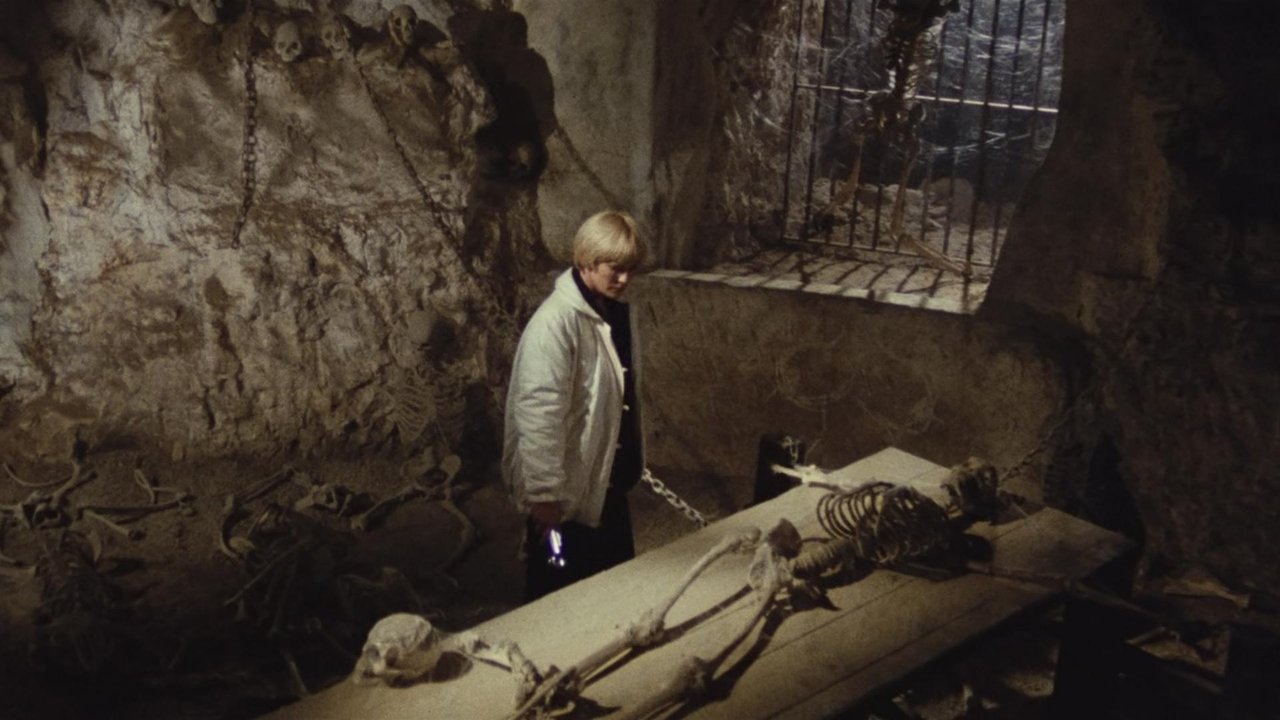
The film truly belongs to Patrick Magee. Known for his unforgettable roles in Kubrick's A Clockwork Orange and his stage work with Beckett, Magee brings an extraordinary, almost spectral gravity to Professor Miles. His unique, gravelly voice and intense stare dominate every scene he’s in. There’s a fascinating behind-the-scenes layer here; Magee was reportedly quite ill during the production, and that physical frailty translates into a performance that feels both vulnerable and deeply sinister. He embodies the film's central conflict – the decaying man tethered to an ancient evil. Mimsy Farmer, a recognizable face from gialli like Argento's Four Flies on Grey Velvet, provides a relatable anchor as the inquisitive outsider, while David Warbeck brings his usual stoic charm to the somewhat underwritten Inspector role.
Flashes of Fulci Fury
Despite the emphasis on atmosphere, Fulci can't entirely suppress his penchant for the graphic. There are moments – a horrifying death by fire, a claustrophobic sequence in a locked boat shed, a sudden, brutal car crash – that punctuate the simmering dread with sharp, shocking violence. These scenes feel like pure, uncut Fulci, reminders of the director's roots. Viewed on a flickering CRT screen via a worn VHS tape, these moments felt genuinely jarring, puncturing the moody suspense with the kind of visceral horror that cemented Fulci's reputation among gorehounds. Remember how startling that boat shed scene felt the first time? It still packs a nasty little punch.
Lingering Chill
The Black Cat might not be the first Fulci film that springs to mind, often overshadowed by his more extreme offerings. Yet, it possesses a unique and enduring power. It’s a film that understands the horror of place, the unsettling nature of unseen forces, and the terrifying potential of a bond between man and animal twisted into something malevolent. It captures that specific feel of late 70s / early 80s Euro-horror – atmospheric, slightly melancholic, punctuated by moments of startling brutality. It's imperfect, sure; the plot can feel a little meandering, and some effects haven't aged gracefully. But the mood? The mood is timeless.

Rating: 7/10
Justification: The score earns points for its potent atmosphere, Patrick Magee's phenomenal central performance, Pino Donaggio's excellent score, and Fulci's surprisingly effective shift towards suspense. It loses points for occasional pacing issues, a somewhat underdeveloped supporting cast, and a plot that feels less coherent than its Poe inspiration might suggest. Still, its strengths create a genuinely unnerving experience.
Final Thought: While not as viscerally immediate as Fulci's gore masterpieces, The Black Cat lingers like a damp chill, a testament to the power of atmosphere and a truly unsettling central performance that gets under your skin and stays there. It's a perfect slice of moody, gothic Euro-horror from the VHS shelves of yesteryear.