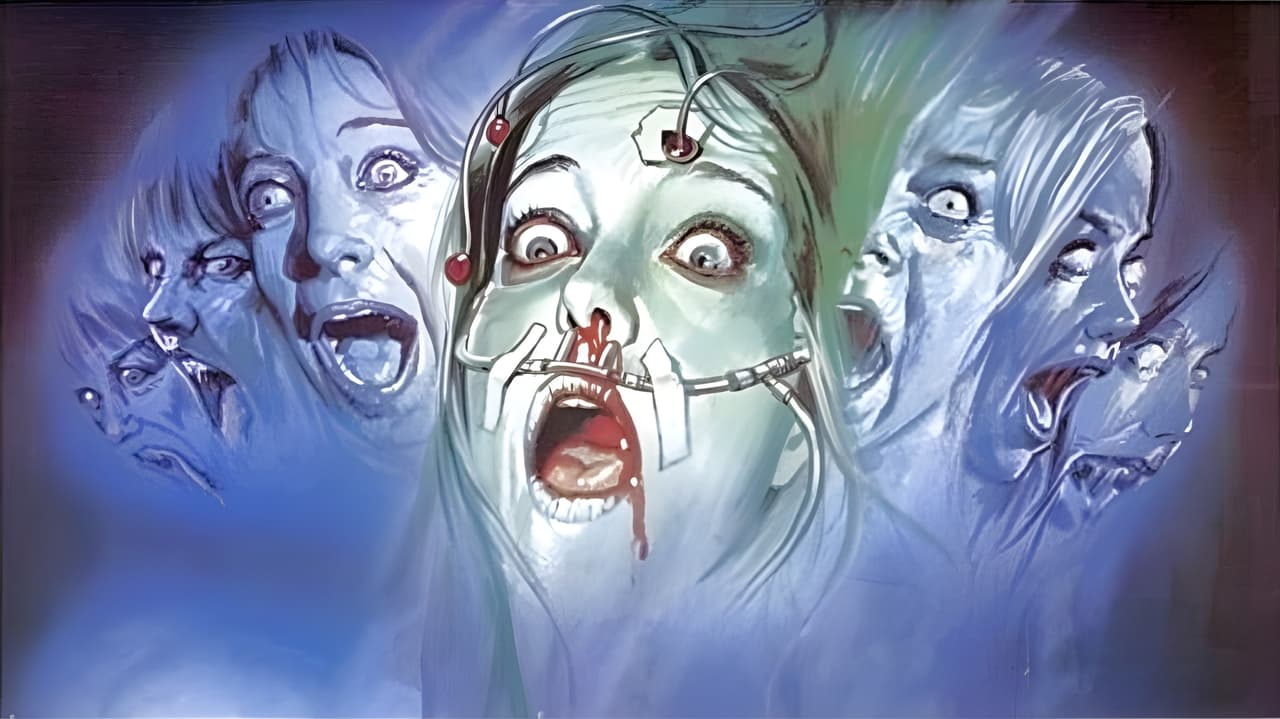
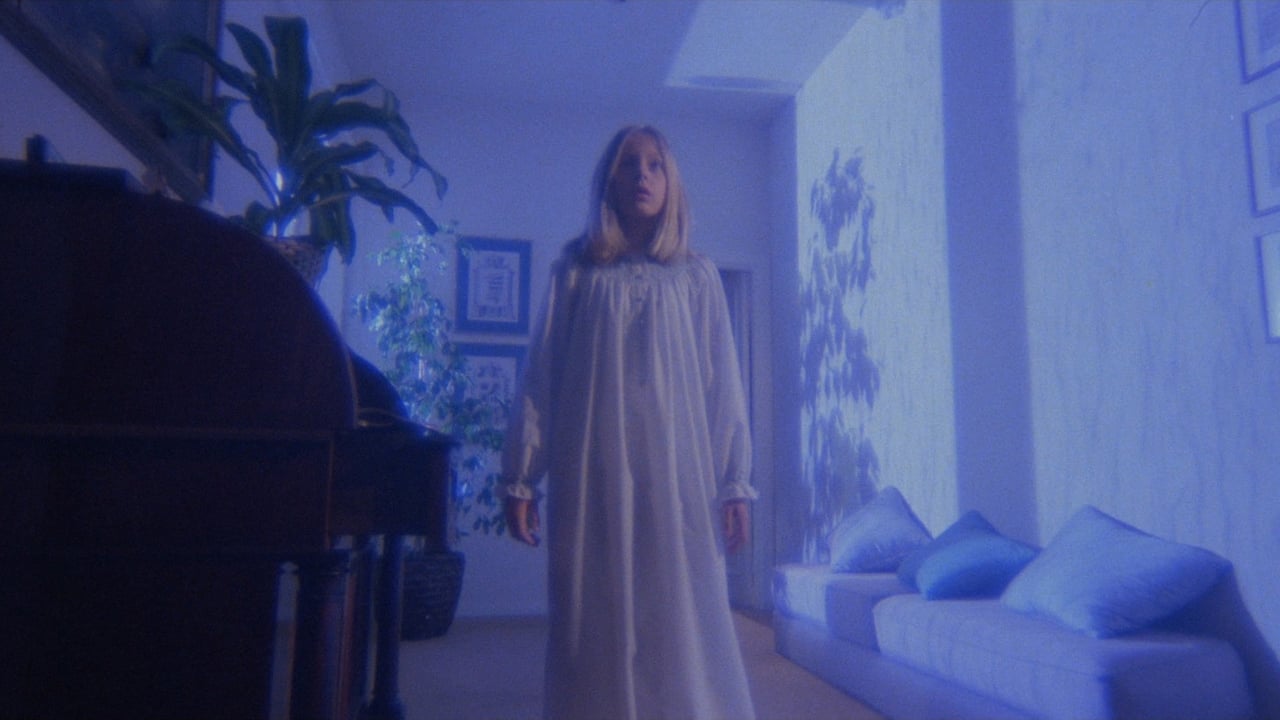
That relentless blue glow, pulsing from the amulet clutched in a child’s hand. It’s an image that lingers, less a source of outright terror and more a symbol of the insidious, creeping dread that permeates Lucio Fulci’s Manhattan Baby (1982). Released in the wake of his gut-wrenching "Gates of Hell" trilogy, this film felt… different. The maestro of mayhem seemed somewhat restrained, swapping geysers of gore for a more psychological, almost dreamlike descent into ancient curses unleashed upon a sterile, modern New York apartment. It's a film that whispers its horrors more often than it screams them, leaving a distinct chill that feels uniquely unsettling, even now.
A Curse Comes Home
The setup is classic pulp horror: Archaeologist George Hacker (Christopher Connelly) disturbs an Egyptian tomb, ignoring the warnings of a blind woman about the malevolent deity buried within. His young daughter, Susie (Brigitta Boccoli), receives a sinister amulet as a 'gift' from this mysterious figure, becoming the unwitting vessel for an ancient evil she carries back to their Manhattan high-rise. Soon, strange occurrences plague the family and their circle – phantom winds, teleporting objects, and unsettling visions give way to sudden, inexplicable deaths. The apartment becomes a nexus point where the dusty curses of the Pharaohs clash violently with the perceived safety of 80s urban life. There's a potent atmosphere here, a sense of displacement and wrongness, even if the narrative sometimes stumbles in connecting the dots.
Fulci Unchained… Or Not?
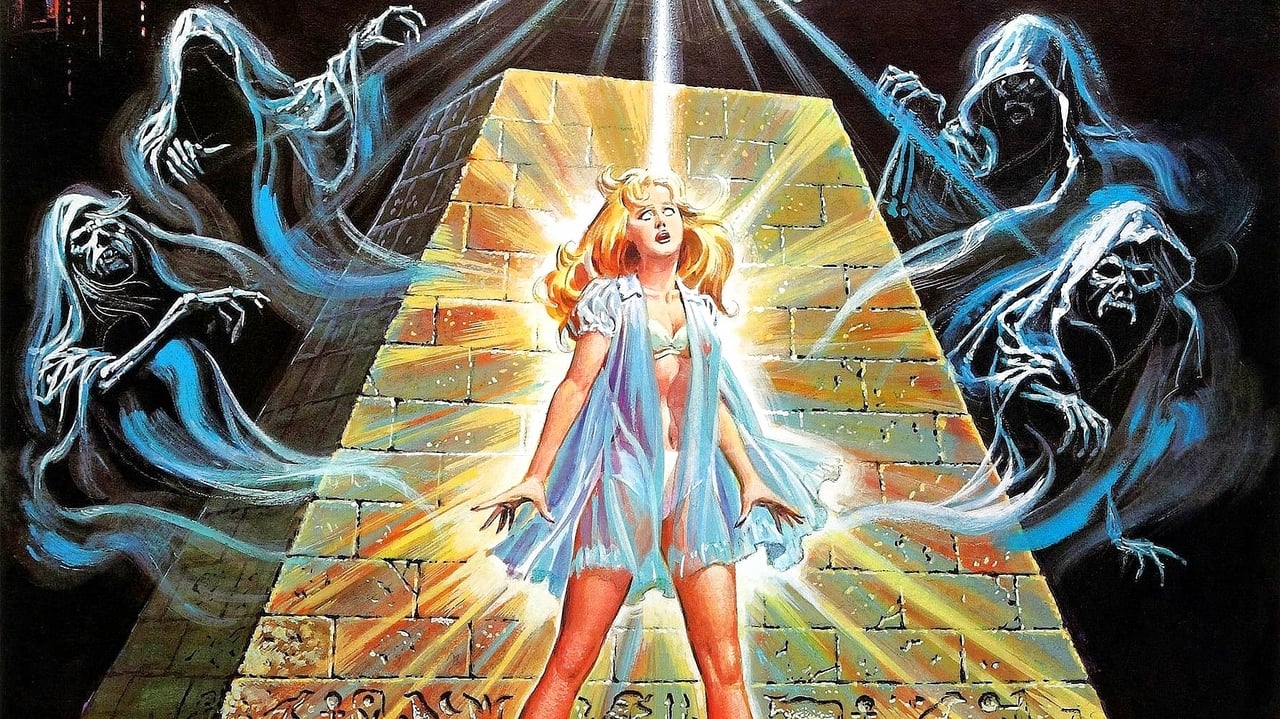
Coming off the visceral triumphs of City of the Living Dead (1980), The Beyond (1981), and The House by the Cemetery (1981), Manhattan Baby marks a noticeable shift. The explicit gore is dialed way back, replaced by suggestion and suspense. Rumors have persisted for years that Fulci himself was unhappy with the final product, hampered by a significantly lower budget ($500,000, a fraction of what major American horrors commanded) and perhaps pressure to deliver something less reliant on visceral shocks. You can almost feel that constraint on screen. Frequent collaborators Dardano Sacchetti and Elisa Briganti penned the script, and while it bears Fulci's thematic fingerprints – particularly the intrusion of the supernatural into the mundane and the vulnerability of children – it lacks the nightmarish logic and relentless momentum of his best work. Was it a conscious change of pace, or a compromise born of necessity? The answer likely lies somewhere in between, resulting in a film that feels undeniably Fulci, yet somehow… muted.
Atmosphere Over Atrocity
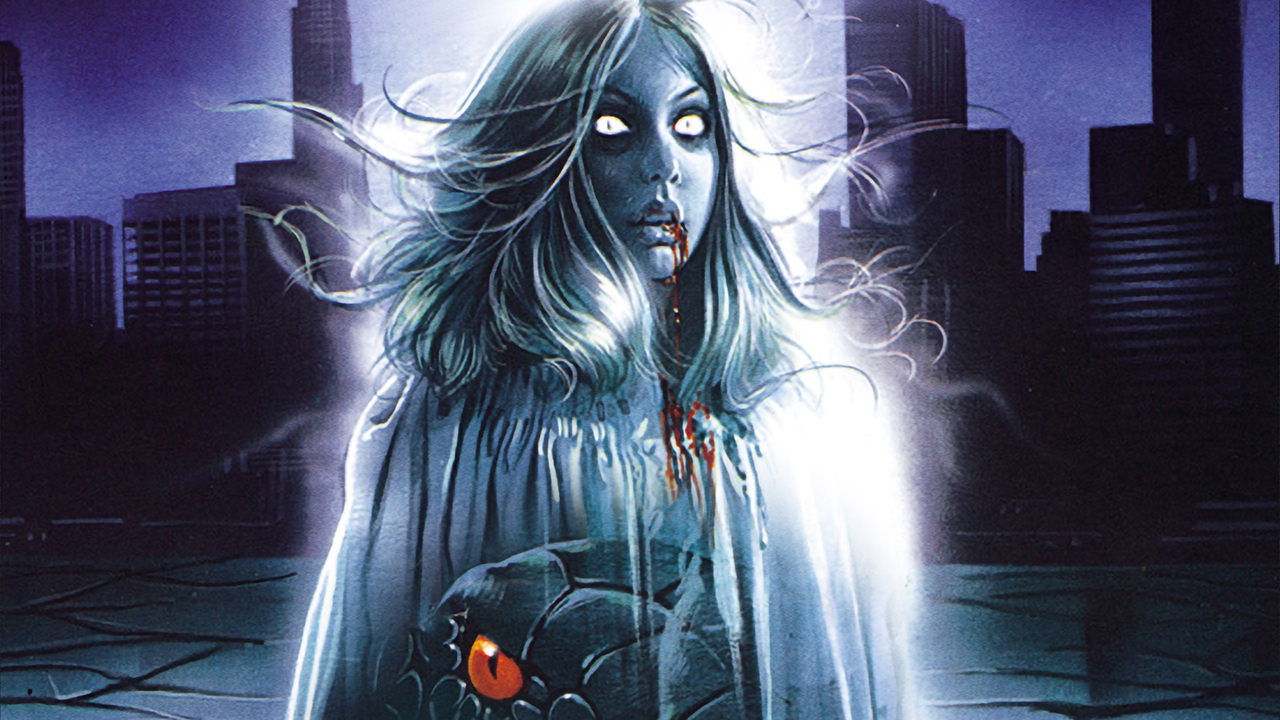
Where Manhattan Baby often succeeds is in its mood. Fulci’s signature visual style is still present, albeit serving a different master. Those slow, deliberate zooms pushing in on objects or faces, trying to extract menace from the inanimate; the stark lighting contrasts; the disorienting cuts – they all contribute to a pervasive sense of unease. The practical effects, though hampered by the budget, have a certain grimy charm. The bird attack scene, while perhaps not as terrifying as intended, has a chaotic energy typical of Italian horror of the era. The cobra manifestation is brief but effective, playing on primal fears. That eerie blue light emanating from the amulet is simple but incredibly potent, becoming the film’s most iconic visual motif. And we absolutely cannot discuss Fulci without mentioning the score. Fabio Frizzi delivers another haunting soundtrack, filled with melancholic synth melodies and jarring electronic stabs that perfectly underscore the film's dreamlike, almost funereal, atmosphere. It elevates scenes that might otherwise fall flat, proving once again that Frizzi was Fulci's secret weapon.
Cracks in the Facade
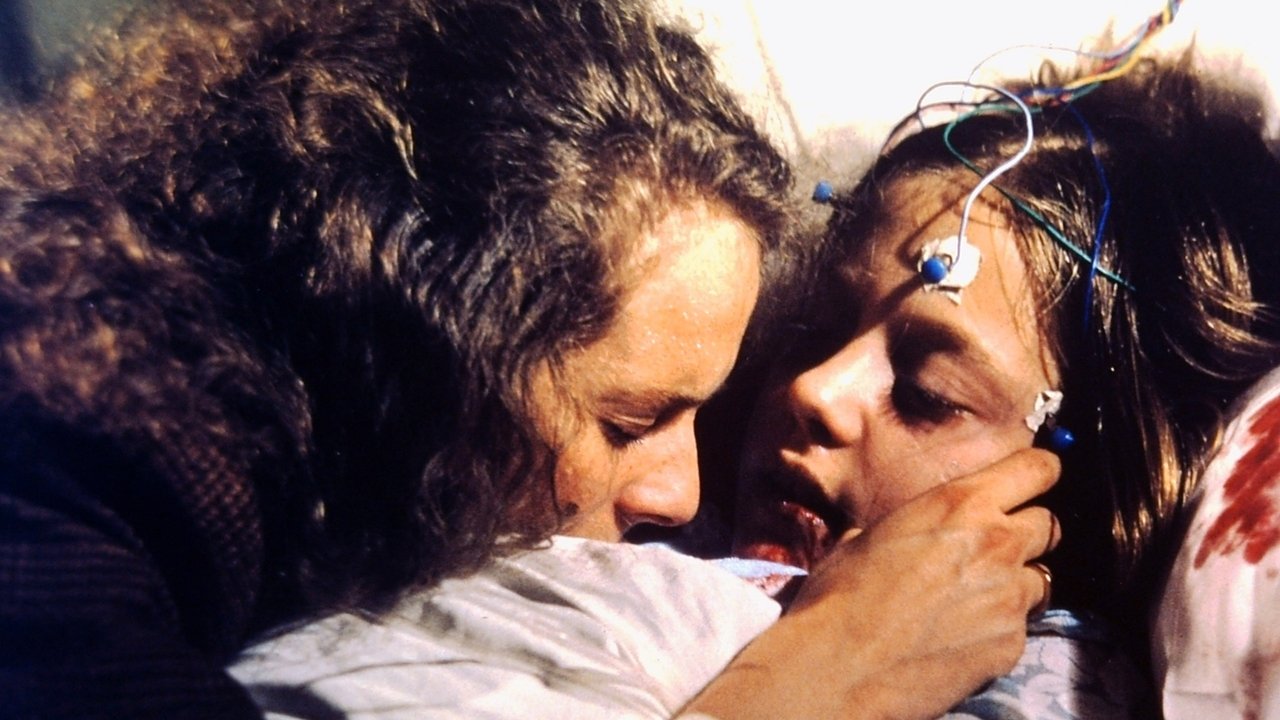
Despite its atmospheric strengths, Manhattan Baby isn't without its flaws. The pacing can be notoriously sluggish, lingering perhaps too long in quiet moments before delivering its intermittent shocks. The plot feels disjointed, with certain characters and subplots appearing and disappearing somewhat abruptly (the psychic, the nanny's fate). Christopher Connelly, a familiar face from American TV and films like 1990: The Bronx Warriors (1982), brings a necessary grounded weariness to George, but the supporting cast is uneven. Young Brigitta Boccoli delivers the required wide-eyed innocence and occasional creepiness, but some line readings betray her inexperience. And then there are moments that dip into unintentional absurdity, like the infamous scene involving the possessed antique dealer, Adrian Mercato (played by Cosimo Cinieri), which feels like it belongs in a slightly different, perhaps more overtly campy, movie. Does anyone else remember watching that scene on a grainy VHS and just thinking... what exactly is happening here?
VHS Oddity, Fulci Footnote
Finding Manhattan Baby nestled on the horror shelf back in the day often led to a specific kind of rental experience. If you grabbed it expecting another The Beyond, you were likely bewildered, maybe even disappointed. Yet, there's an undeniable hypnotic quality to its strangeness. It arrived the same year as Poltergeist, leading to the inevitable (and largely unfounded) comparisons and accusations of imitation that often followed Fulci. But Manhattan Baby feels distinctly European, steeped in older traditions of curse narratives filtered through Fulci's unique, sometimes baffling, lens. It lacks the coherence and power of his masterpieces, but it retains a peculiar power to unsettle. It’s a curiosity, a film whose atmosphere arguably outweighs its narrative logic, making it a fascinating, if flawed, artifact of the era.
***
VHS Heaven Rating: 6/10
Justification: Manhattan Baby earns points for its pervasive atmosphere, Fabio Frizzi's excellent score, and flashes of Lucio Fulci's distinct visual style. The central premise is intriguing, and Christopher Connelly provides a solid anchor. However, it's undeniably hampered by sluggish pacing, a sometimes confusing plot, uneven performances, and a noticeable lack of the visceral horror Fulci was known for, likely due to budget constraints. It’s more unsettling mood piece than outright shocker.
Final Thought: While often overshadowed by Fulci's gorier epics, Manhattan Baby remains a strangely compelling slice of early 80s Italian horror – a dreamlike, blue-tinged nightmare that, despite its flaws, still manages to cast a minor, unsettling spell.