Okay, settle in. Remember those nights browsing the aisles of the local video store? Sometimes you'd grab the explosive action flick right off the new release wall, other times you’d drift towards the slightly dustier shelves, maybe intrigued by a plain cover or a half-remembered recommendation. And sometimes, you stumbled onto something utterly unexpected. Something like My Dinner with Andre. Popping this tape in back then, nestled perhaps between viewings of Raiders of the Lost Ark or Blade Runner, was an experience in stark, almost defiant contrast. Here was a film from 1981 built entirely around... conversation. Just two men, talking over dinner. Yet, decades later, the echoes of that talk still resonate with surprising clarity.
An Unlikely Proposition
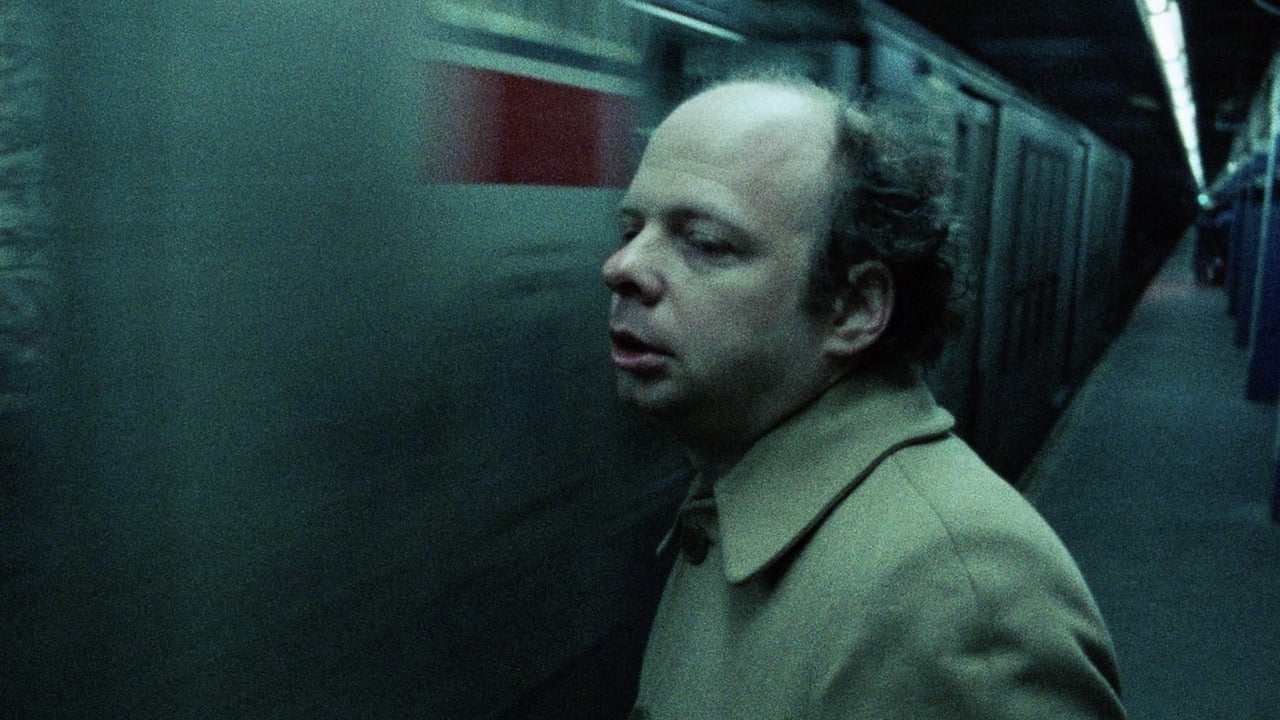
Let's be honest, the premise sounds almost anti-cinematic. Wallace Shawn, playing a version of himself – a pragmatic, slightly struggling New York playwright preoccupied with everyday anxieties – reluctantly agrees to have dinner with his old acquaintance, Andre Gregory. Gregory, also playing a heightened version of himself, is a flamboyant, avant-garde theatre director recently returned from years of globe-trotting, pursuing esoteric and sometimes harrowing spiritual experiences. They sit. They order. They talk. For nearly two hours. That's it. No car chases, no explosions, no romantic subplot in the conventional sense. The entire drama unfolds within the confines of their dialogue and the space between their clashing worldviews. Directed by the great French filmmaker Louis Malle (a fascinating choice, given his diverse filmography ranging from the controversial Pretty Baby (1978) to the poignant Au Revoir les Enfants (1987)), the film dares you to simply listen.
The Substance of Talk
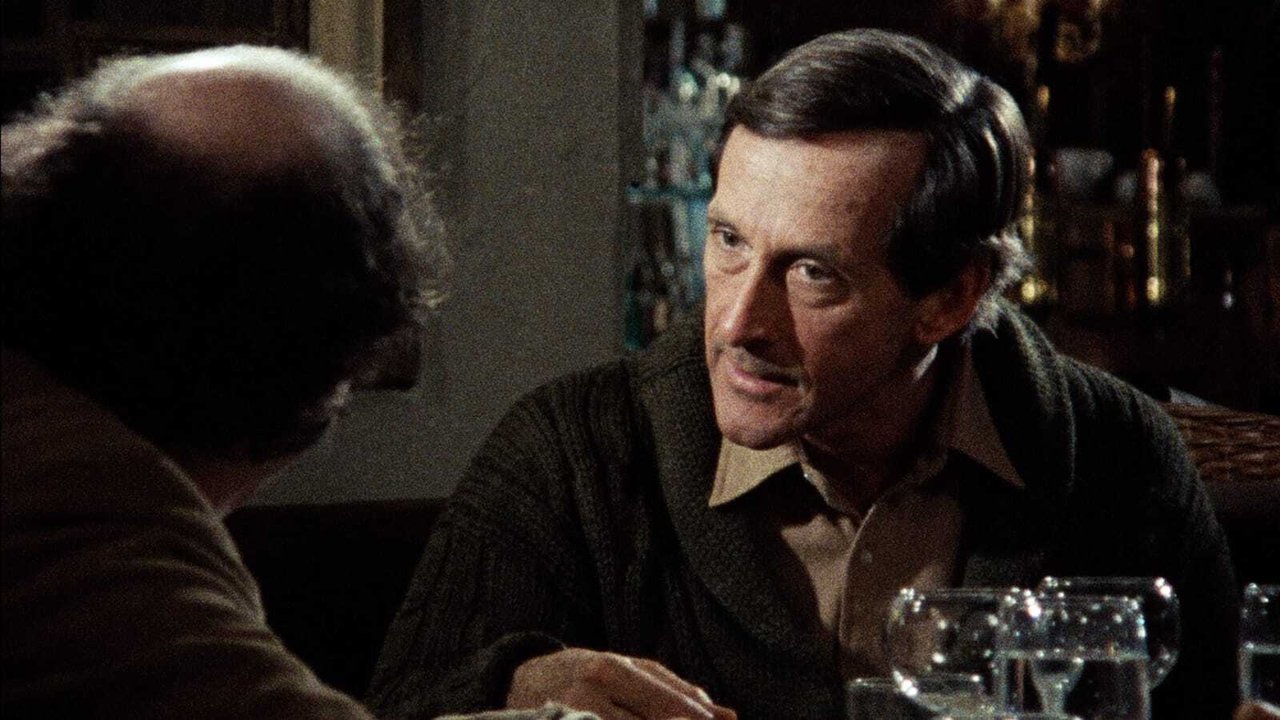
And what talk it is. Gregory dominates the early conversation, recounting tales that feel simultaneously incredible and deeply personal: performing The Little Prince in the Sahara Desert, participating in experimental workshops in a Polish forest led by Jerzy Grotowski, searching for meaning in Findhorn, Scotland. His stories are filled with synchronicity, transcendence, and a desperate flight from what he sees as the soul-deadening conformity of modern life, particularly in New York. He speaks of dismantling one's own personality, of seeking authentic experience even if it means flirting with madness or danger.
Listening, initially with skepticism, then fascination, and finally a quiet concern, is Shawn. He represents the counterpoint: the comfort of routine, the grounding reality of paying bills, the simple pleasure of an electric blanket. Is Andre’s pursuit of the extraordinary profound, or is it a privileged escape from responsibility? Is Wally’s pragmatism sensible, or is it a fearful retreat into mundane insulation? The film doesn't offer easy answers. Instead, it presents these two perspectives with remarkable balance, allowing the viewer to oscillate between them. You find yourself nodding along with Andre's passionate critiques of societal numbness one moment, and then feeling deep sympathy for Wally’s defense of ordinary life the next.
More Than Just Words
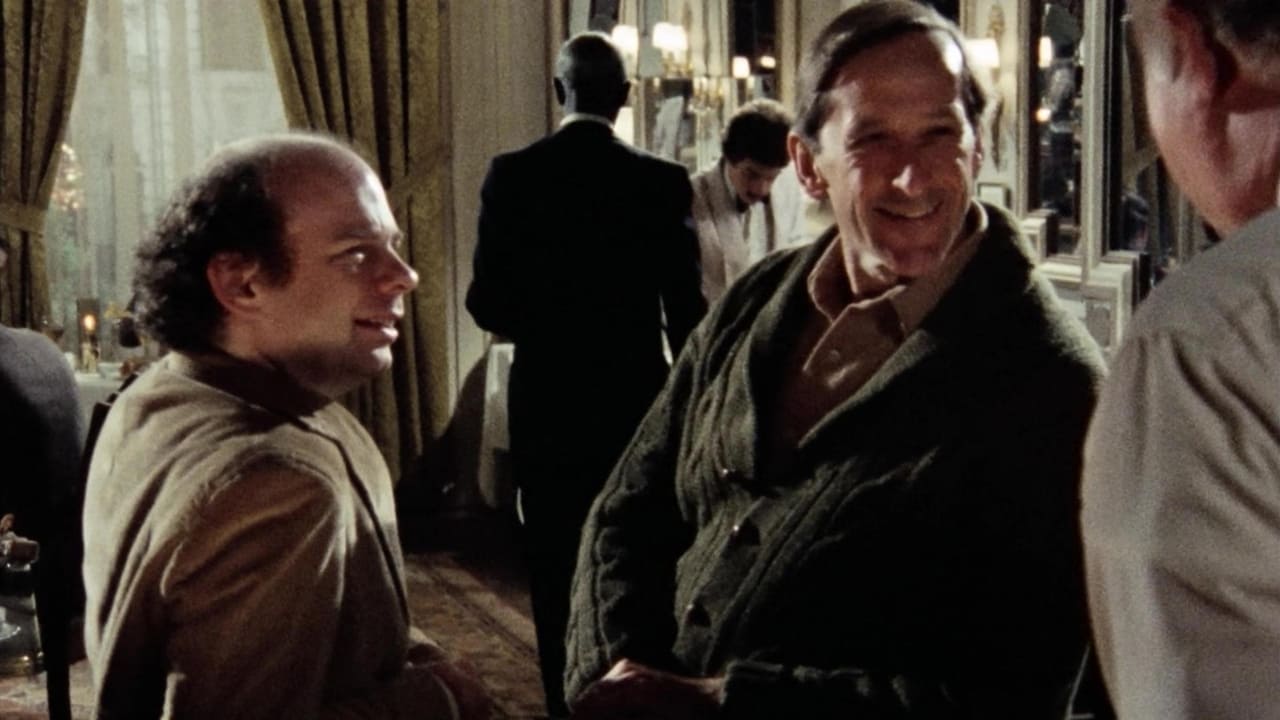
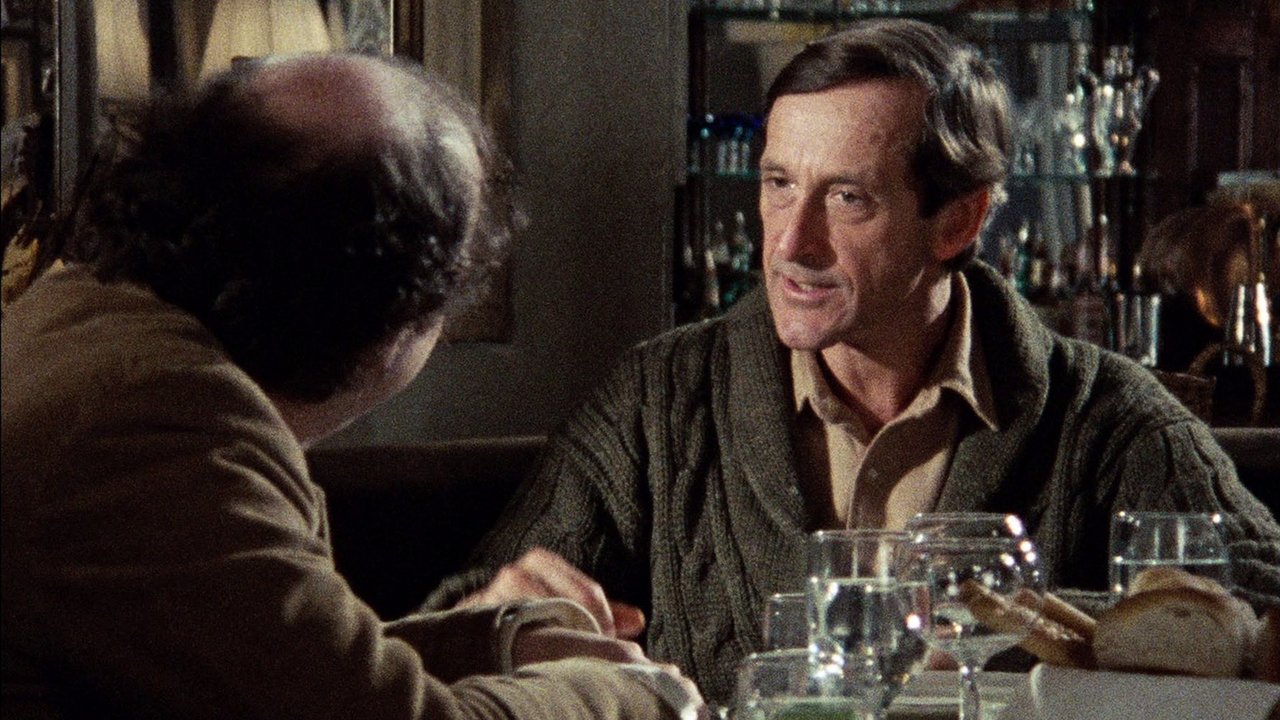
It’s a testament to Wallace Shawn and Andre Gregory's script (reportedly distilled from hours upon hours of their actual conversations) and their utterly captivating performances that this simple setup becomes so engrossing. Shawn’s expressive face registers every nuance of doubt, empathy, and intellectual engagement. His anxieties feel palpable, relatable. Gregory, meanwhile, possesses a magnetic charisma; even his most outlandish stories are delivered with a conviction that makes you lean in, wanting to believe, or at least understand. Their connection, the history hinted at between them, feels authentic. There's a genuine affection beneath the intellectual sparring.
Louis Malle’s direction is masterful in its subtlety. He doesn't resort to flashy techniques. Instead, he uses patient close-ups and intuitive editing to draw us into the intimacy of the conversation. The camera lingers on their faces, capturing micro-expressions, the pauses, the moments of connection or disconnect. It makes the act of listening feel active, cinematic. Interestingly, despite the upscale New York restaurant setting depicted, the film was actually shot primarily in the then-unoccupied Jefferson Hotel in Richmond, Virginia, adding a layer of theatrical artifice that somehow enhances the reality of the dialogue. It cost a mere $450,000 to make – pocket change even then – but grossed over $5 million, proving there was an audience hungry for something different.
Retro Fun Facts & Lingering Thoughts
The film’s genesis, rooted in real friendship and philosophical divergence, gives it a unique weight. Shawn and Gregory weren't just actors reciting lines; they were articulating deeply held beliefs shaped by their own lives. This authenticity bleeds through the screen. Its influence, surprisingly, has been significant, becoming a cultural touchstone often parodied (The Simpsons famously did a spot-on riff) but also genuinely admired for its intellectual bravery. It reminds us that cinema can be about ideas, about the simple power of human connection and communication, without needing conventional narrative crutches. Renting this back in the day often felt like discovering a secret – a quiet, thoughtful film thriving amidst the neon and noise of the 80s. It was proof that sometimes, the most compelling journey is the one taken sitting perfectly still, just listening.
What does it mean to live a meaningful life? Is it found in chasing extraordinary experiences, or in appreciating the fabric of the everyday? My Dinner with Andre doesn’t preach; it invites you to ponder these questions alongside its protagonists. It’s a film that trusts its audience, respects intelligence, and offers the rare pleasure of sustained, thought-provoking conversation.
Rating: 9/10
This near-perfect score reflects the film's audacious premise, the hypnotic power of the dialogue, the brilliant, lived-in performances by Shawn and Gregory, and Malle's understated directorial confidence. It achieves exactly what it sets out to do with intelligence and grace, creating a unique and enduring cinematic experience purely through conversation. It loses a single point only because its inherent nature—two hours of dense talk—might understandably test the patience of some viewers expecting more conventional pacing or action, even brilliant talk like this.
Final Take: A captivating, intelligent, and surprisingly intimate film that proves the most profound adventures can sometimes unfold over a simple meal. A true gem from the VHS era that reminds you how compelling just listening can be.