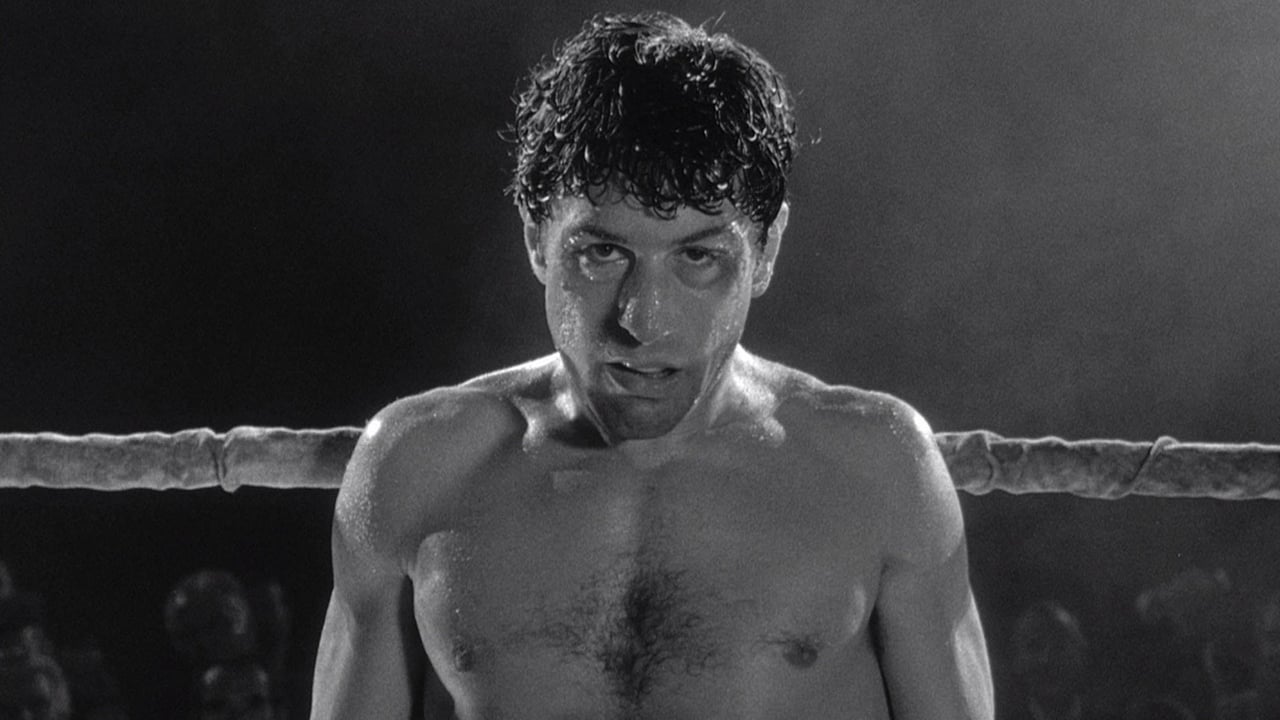
It arrives not with a triumphant fanfare, but with the haunting strains of the Cavalleria Rusticana intermezzo, overlaying slow-motion images of a lone boxer shadowboxing within the confines of the ring. That opening to Martin Scorsese's 1980 masterpiece, Raging Bull, sets the stage immediately. This isn't going to be Rocky. This is something else entirely – an opera of self-destruction, a bruising poem etched in stark black and white. Watching it again, all these years after first encountering its raw power on a flickering CRT screen rented from the corner store, the film feels less like a sports biopic and more like an intimate, harrowing confession.
### A Portrait in Monochrome Brutality
At its heart is Robert De Niro's towering, transformative performance as Jake LaMotta, the middleweight champion whose greatest opponent was never in the ring, but staring back from the mirror. It’s a portrayal that goes far beyond mimicry. De Niro becomes LaMotta, embodying not just the physical prowess – the relentless, charging style in the ring – but the gnawing paranoia, the volcanic jealousy, and the profound insecurity that fueled his rage. We all remember the stories, don't we? The legendary weight gain – reportedly around 60 pounds – De Niro undertook to portray the older, bloated LaMotta working drab nightclubs. It was a feat of dedication that stunned audiences back then, a commitment that felt almost dangerous. But focusing solely on the physical misses the depth of the internal transformation. De Niro shows us the tangled mess of impulses driving LaMotta, a man incapable of understanding love, trust, or peace, translating every complex emotion into violence or suspicion. It remains one of the benchmarks against which screen acting is measured, a performance of startling, uncomfortable truth.
### The Collateral Damage
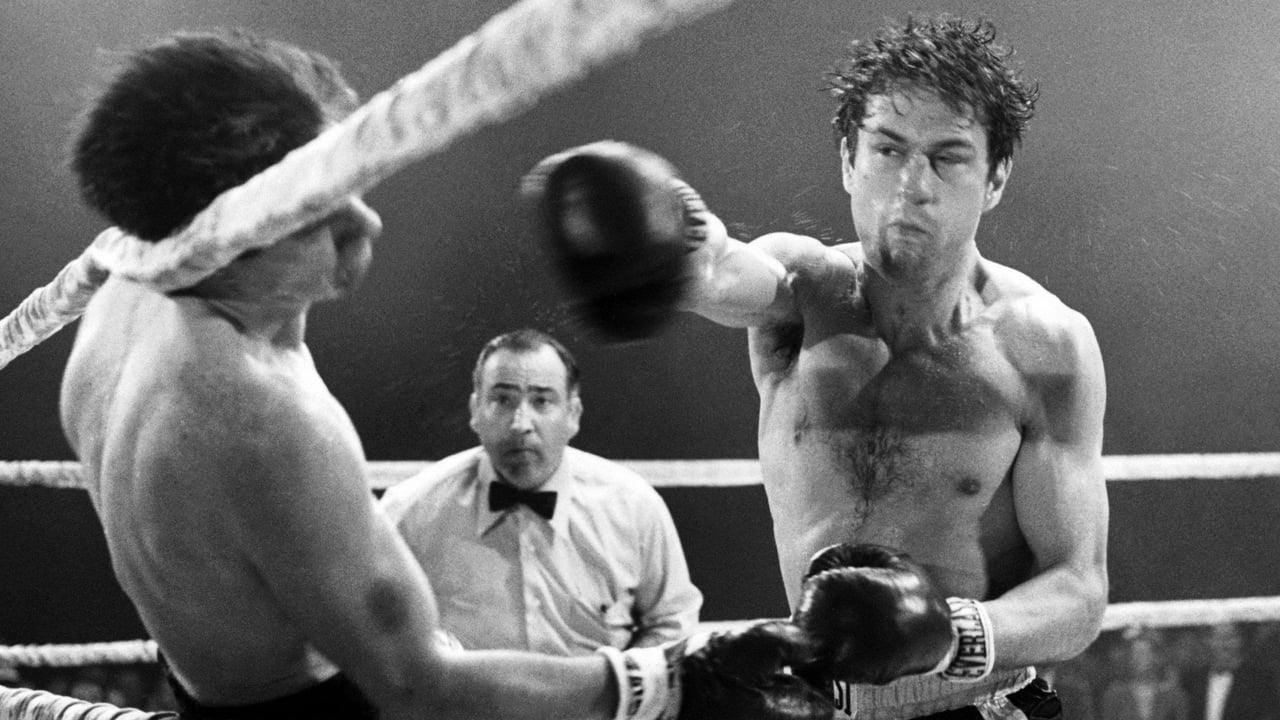
Raging Bull understands that LaMotta's destructive orbit pulled others into its vortex. Joe Pesci, in a career-defining role as Jake's brother and manager Joey, is phenomenal. Before he became known for explosive gangsters (often for Scorsese himself, like in Goodfellas), Pesci here is the weary, loyal, yet ultimately compromised caretaker. Their scenes together crackle with authentic brotherly shorthand – the arguments, the reliance, the eventual, devastating betrayals. You feel the history, the frustration, the suffocating bond. And then there's Cathy Moriarty, making an astonishing debut as Vickie, Jake's second wife. She brings a quiet resilience and a bruised sensuality to a character who becomes the primary target of Jake's unfounded jealousy. Moriarty navigates Vickie's journey from alluring teenager to wary survivor with incredible nuance, her observant eyes conveying volumes even when silent. Her presence underscores the tragedy – the lives warped and damaged by proximity to Jake's imploding psyche.
### Scorsese's Ringside Seat
This film famously almost didn't happen. De Niro was the driving force, relentlessly pushing a reluctant Scorsese, who was battling personal demons and felt little connection to boxing. Yet, it became arguably Scorsese's most personal and artistically pure statement. The decision to shoot primarily in black and white wasn't just an aesthetic whim; urged by cinematographer Michael Chapman, it served multiple purposes. It distanced the film from contemporary boxing movies, evoked the feel of 1940s/50s newsreels and classic noir, and, perhaps most profoundly, allowed for a stark visual language that mirrors LaMotta's polarized worldview. Blood (famously rumored to be Hershey's chocolate syrup, though sometimes less viscous stage blood was also used) appears almost black, giving the violence a visceral, yet strangely abstracted quality.
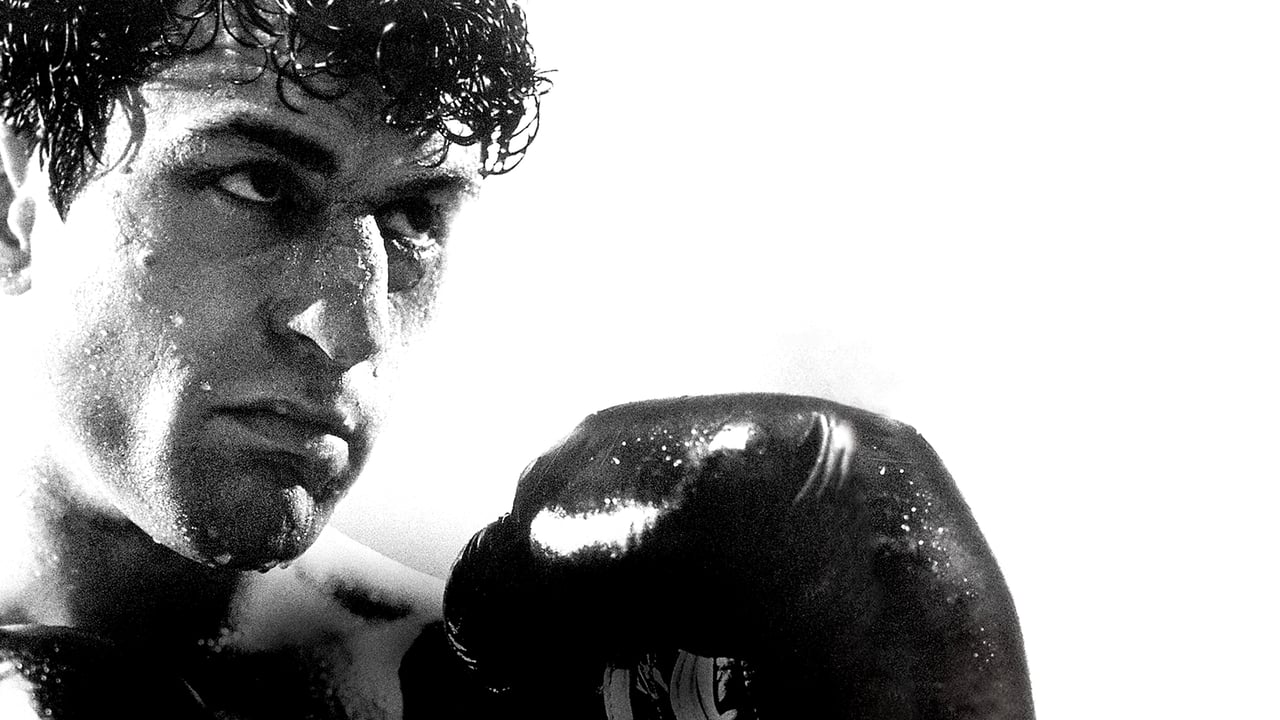

Scorsese, alongside his legendary editor Thelma Schoonmaker, crafts fight sequences unlike any seen before. They aren't just about who wins; they're subjective experiences, plunging us inside Jake's head. The sound design is revolutionary – distorted roars, animalistic screams, flashbulbs like gunshots, moments of eerie silence. Each punch resonates not just physically, but emotionally. The brief, almost dreamlike color home movie sequences offer a jarring glimpse of the life Jake could have had, making his descent even more tragic. The screenplay, hammered out by Paul Schrader (who penned Taxi Driver) and Mardik Martin, provides the unflinching structure for this character study, refusing easy answers or sentimentality.
### Echoes in the Static
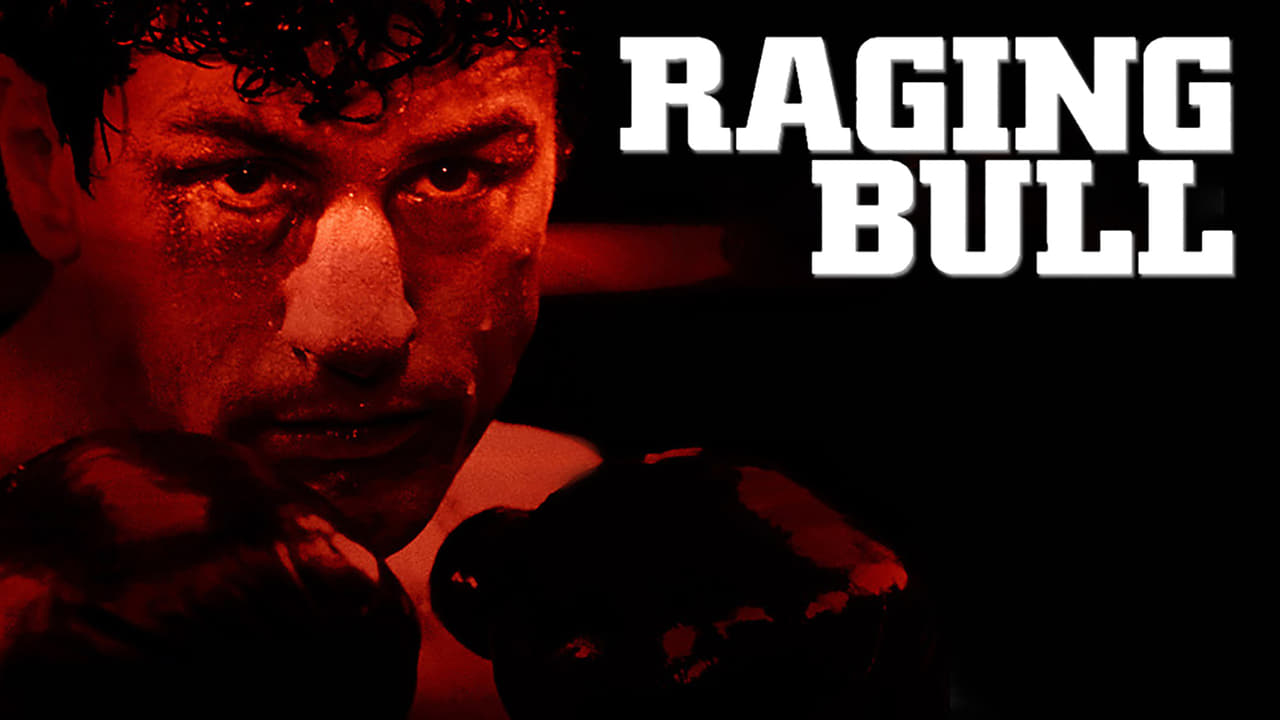
Seeing Raging Bull on VHS back in the day was an event. It wasn't casual viewing. It demanded attention, provoked discussion. It felt important, dangerous, artistic in a way that cut through the usual blockbuster fare. Its initial reception wasn't universally ecstatic – some critics found it relentlessly bleak – but its reputation grew steadily, cemented by its technical brilliance and the sheer force of De Niro's commitment. It’s a film that doesn't offer catharsis in the traditional sense. LaMotta's final monologue, reciting Brando from On the Waterfront, isn't redemption; it’s a performance, another mask for a man who perhaps never truly knew himself. Doesn't that final image, LaMotta alone in his dressing room, shadowboxing once more, say everything about his perpetual, internal conflict?
Rating: 10/10
Raging Bull isn't just a great boxing movie; it's barely a boxing movie at all. It's a masterpiece of character study, a technically brilliant exploration of violence, jealousy, and the bruising search for grace in a fallen world. The performances are legendary, Scorsese's direction is visionary, and its stark beauty is unforgettable. It earns its perfect score by being uncompromising, deeply resonant, and flawlessly crafted – a film that hits as hard today as it did flickering on those old tube TVs. What lingers most isn't the violence in the ring, but the quiet devastation outside it, leaving you contemplating the cages we build for ourselves.