It begins not with a bang, but with the vast, quiet emptiness of a landscape that seems forgotten by time itself. Some films grab you by the collar; Francesco Rosi's Christ Stopped at Eboli (original Italian title: Cristo si è fermato a Eboli) invites you to sit, to watch, and to contemplate the slow, deep rhythms of a life far removed from the frantic pace we often recall from the 80s video store shelves. Released in 1979, just on the cusp of our beloved decade, this wasn't your typical Friday night rental fodder, but finding it tucked away in the drama or foreign film section felt like uncovering a hidden passage to another world – a profoundly human one.
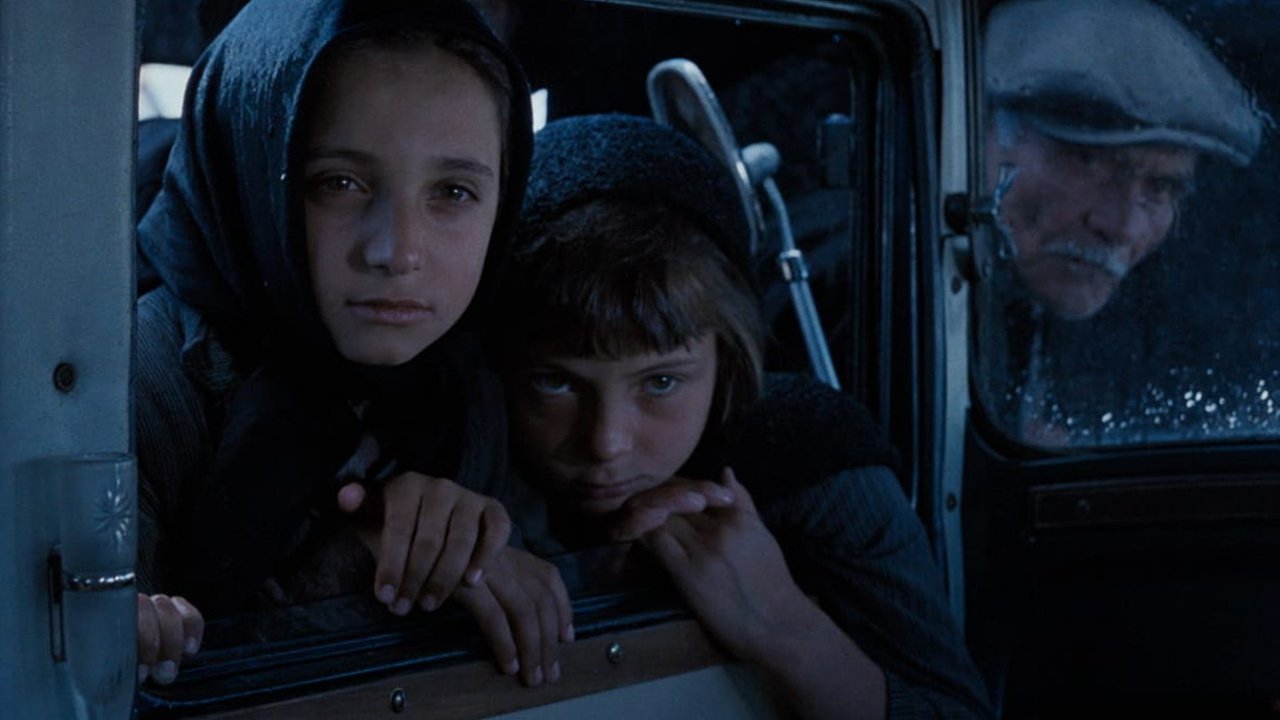
Based on Carlo Levi's autobiographical novel, the film follows Levi himself, portrayed with extraordinary depth by the legendary Gian Maria Volontè, as he endures political exile under Mussolini's Fascist regime in the mid-1930s. A doctor, painter, and intellectual from Turin, Levi is banished to the remote, impoverished village of Gagliano (filmed primarily in Craco and Aliano in the Basilicata region, the actual locations of Levi’s exile) in Southern Italy. The title itself, a local saying, speaks volumes: Christ, representing civilization, progress, and the state, never made it this far south. Here, life is governed by ancient customs, deep-seated superstitions, and the harsh realities of poverty and isolation.
An Exile Observed
What unfolds isn't a story driven by plot twists or dramatic confrontations in the conventional sense. Instead, Rosi, a master filmmaker known for his politically charged works like Salvatore Giuliano and Hands Over the City, adopts an almost ethnographic approach. We experience Levi’s gradual immersion into this alien world through his observant eyes. Gian Maria Volontè, often remembered for his intense, sometimes explosive roles in Leone's Westerns or Petri's thrillers (Investigation of a Citizen Above Suspicion), delivers a performance of remarkable restraint and quiet empathy here. His Levi is a listener, a watcher, his face a canvas reflecting curiosity, compassion, and occasionally, a profound sense of melancholy solitude. He doesn't impose; he absorbs. It’s a portrayal that feels utterly authentic, capturing the intellectual’s struggle to connect across a vast cultural divide, while also finding unexpected kinship.
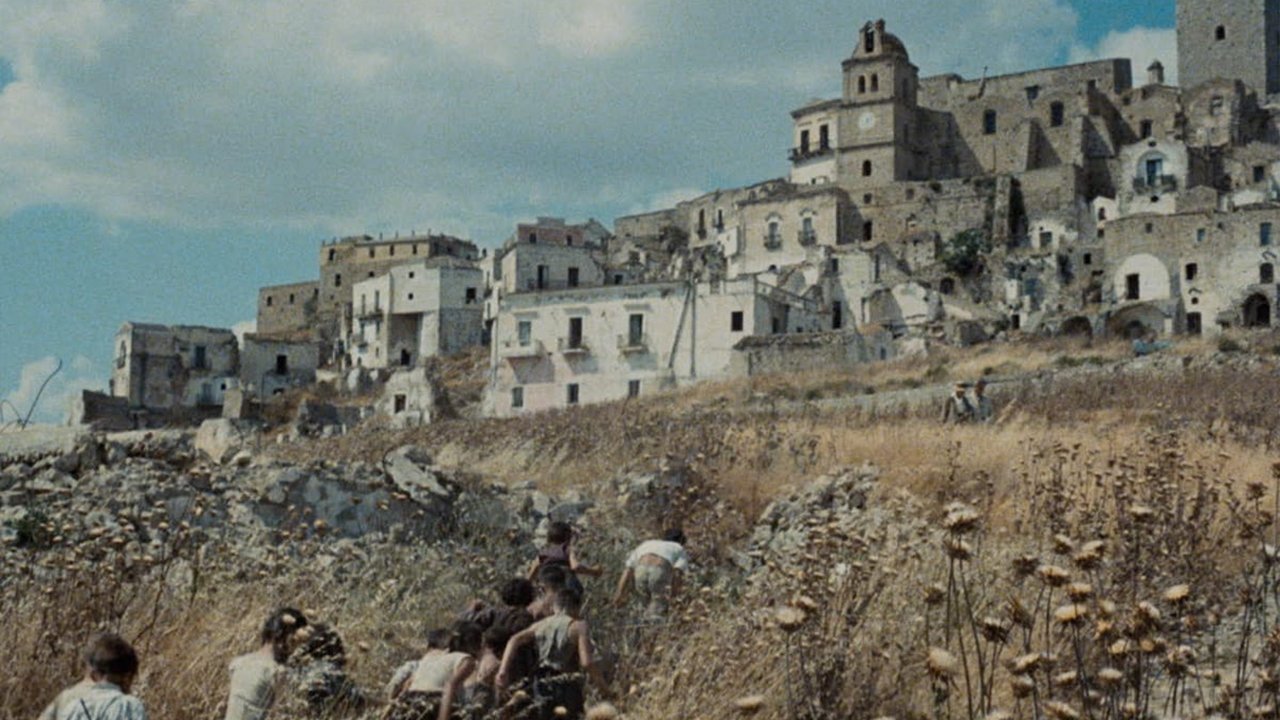
The film masterfully captures the texture of this isolated existence. We see the stark, sun-baked landscapes stretching to the horizon, the crumbling stone houses, the faces of the peasants etched with hardship. Rosi, drawing from Italian neorealism, made the inspired choice to cast many local non-professional actors alongside veterans like Paolo Bonacelli (familiar perhaps from Salò, or the 120 Days of Sodom) and the distinguished Alain Cuny. This blending lends an incredible documentary feel; these aren't just characters, they feel like people rooted in this very soil, their rhythms and rituals presented without judgment or romanticization.
Beyond the Surface
Christ Stopped at Eboli delves into profound themes that resonate far beyond its specific historical context. It's a meditation on exile, not just political banishment, but the internal exile of feeling adrift from one's own culture and the universal human search for connection. It explores the complex relationship between tradition and modernity, the persistence of pre-Christian beliefs ("magic") existing alongside a Catholicism that feels distant and institutional, represented by the often-absent priests or the pragmatic, earth-bound concerns of the villagers. Levi, the man of science and reason, finds himself humbled by the resilience and quiet dignity of people the outside world has deemed backward.

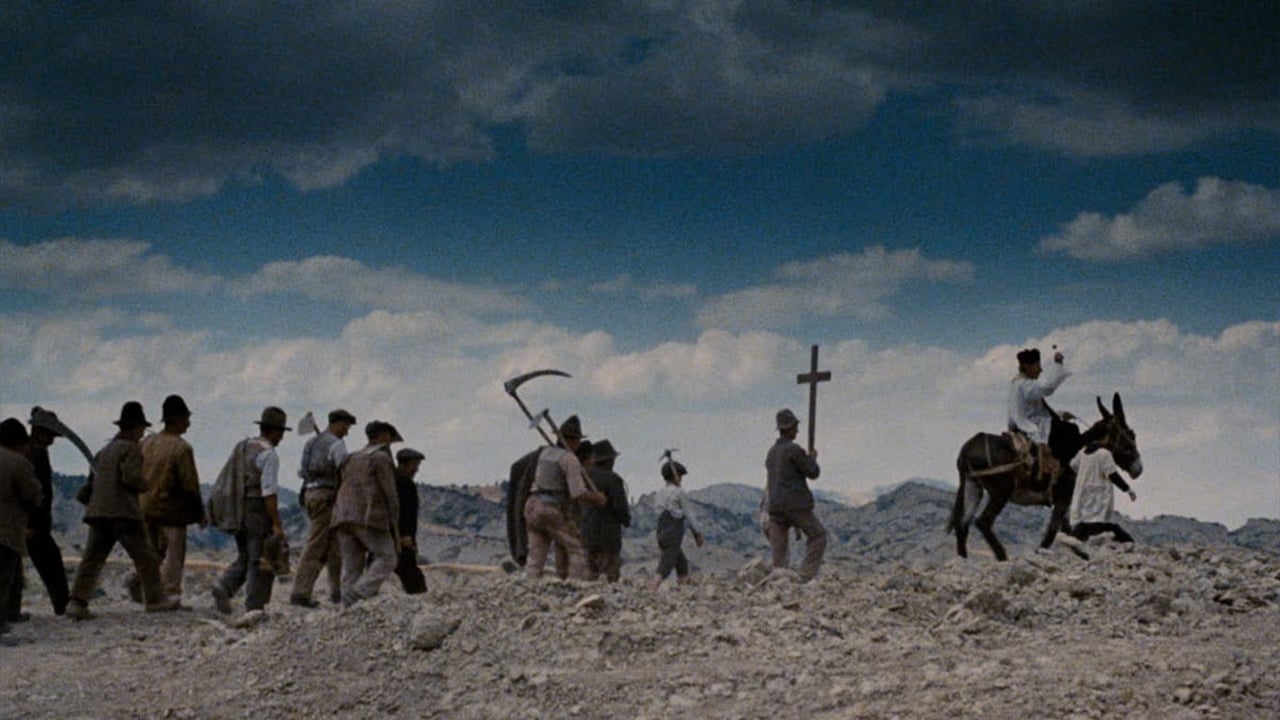
Doesn't this subtle clash between urban intellectualism and rural wisdom still echo today? The film asks us to consider what constitutes "civilization" and who gets to define it. Levi's journey becomes less about his confinement and more about his discovery of a different kind of humanity, one stripped bare of pretensions yet rich in its own complex social fabric.
Behind the Frames: A Miniseries Reborn
One fascinating aspect often missed is that Christ Stopped at Eboli was initially conceived and broadcast as a four-part television miniseries for Italy's RAI network. The version most often seen internationally is a significantly condensed theatrical cut (around 150 minutes compared to the original 220+). Knowing this adds another layer; the film's deliberate pacing and episodic feel make perfect sense in its original format. It wasn't designed for rapid consumption but for gradual immersion, much like Levi's own experience. Imagine settling in for that over a weekend rental back in the day!
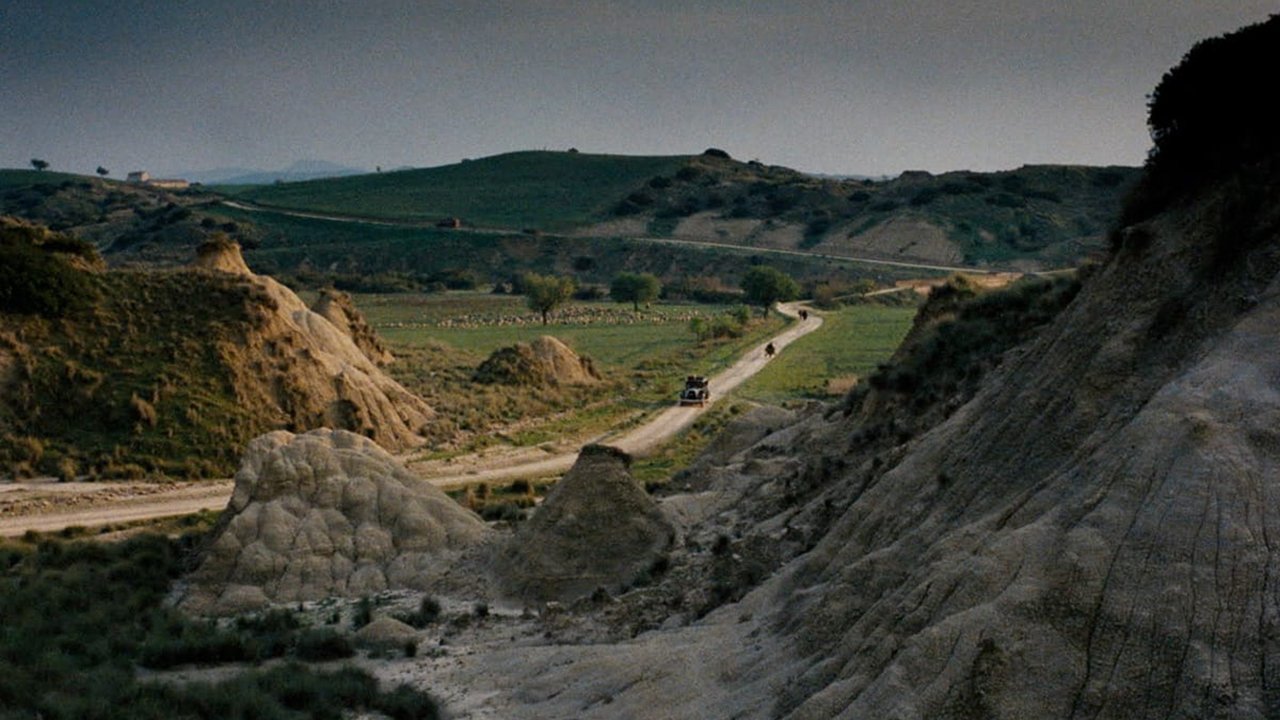
Furthermore, the filming locations themselves add a poignant layer. Craco, one of the primary villages used, is now famously a ghost town, abandoned due to landslides. Watching the film today, knowing the fate of this location, adds an unintentional, haunting dimension to its themes of time, memory, and forgotten places. Rosi’s meticulous direction, aided by Pasqualino De Santis's stunning cinematography (he also shot Visconti's Death in Venice and Coppola's Apocalypse Now), captures both the beauty and the brutal harshness of this land.
The Enduring Echo
Christ Stopped at Eboli isn't a film that shouts its message; it whispers truths about resilience, empathy, and the enduring power of the human spirit in the face of adversity and neglect. It reminds us that history is often written from the centers of power, overlooking the quiet, profound stories unfolding in the margins. Gian Maria Volontè's performance remains a career highlight, a testament to his versatility and deep understanding of character.
Rating: 9/10
This near-masterpiece earns its high score through its profound humanism, stunningly authentic performances (led by a quietly brilliant Volontè), masterful direction, and evocative portrayal of a forgotten world. Its deliberate pace might test viewers accustomed to faster narratives, but the reward is a deeply moving and thought-provoking cinematic experience that lingers long after the credits roll. It’s a powerful reminder of the artistic heights Italian cinema could reach and the kind of challenging, enriching film that the best video stores offered alongside the blockbusters.
What stays with you most is the quiet dignity captured on screen – a testament to lives lived far from the centers of power, yet filled with their own undeniable weight and meaning.