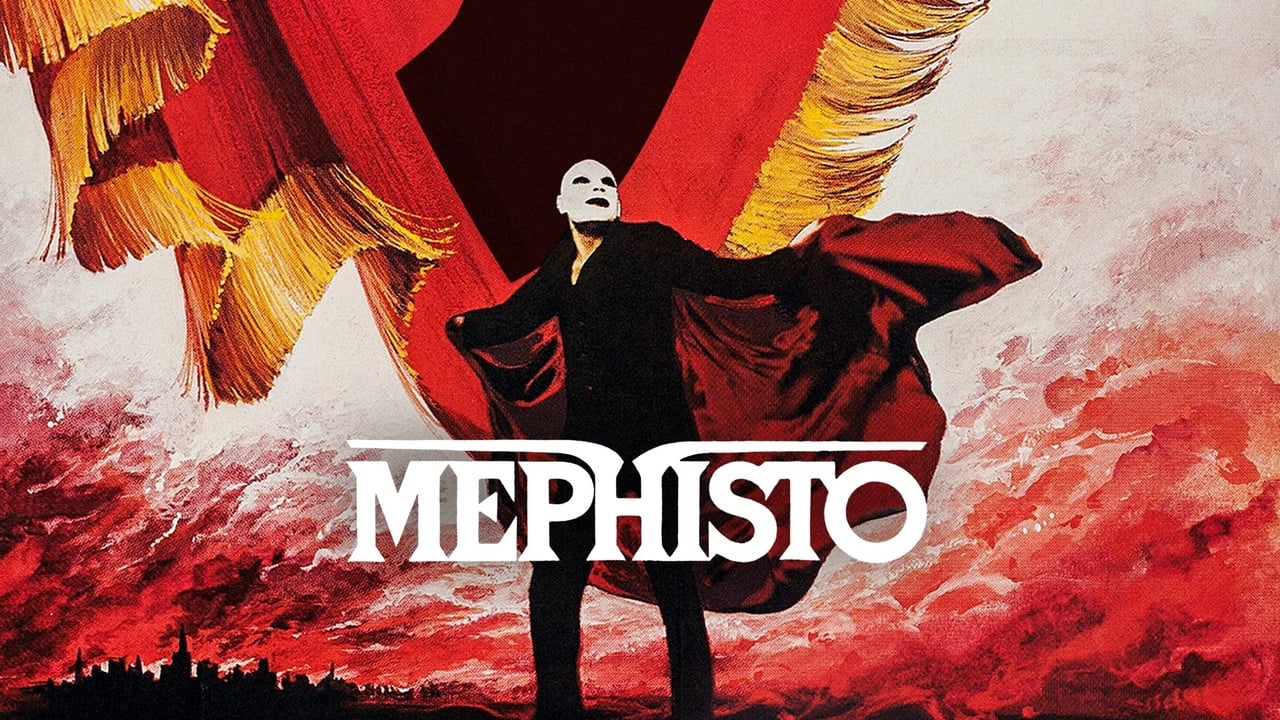
Remember navigating those towering shelves at the video rental store? Past the explosive action covers and the goofy comedy posters, sometimes tucked away in the ‘Foreign’ or ‘Drama’ section, you’d find a VHS box that promised something weightier, something that might linger long after the VCR whirred to a stop. István Szabó's Mephisto (1981) was often one such discovery – a film whose stark cover art hinted at the profound moral drama within, a far cry from the escapism dominating the main aisles. Watching it again now, its power hasn't dimmed; if anything, the questions it poses about ambition, art, and complicity feel startlingly relevant.
### The Seductive Spotlight
At its heart, Mephisto is a chilling character study, loosely based on the life of German actor Gustaf Gründgens (though fictionalized in Klaus Mann's novel, upon which the film is based). We follow Hendrik Höfgen, portrayed with electrifying, almost terrifying charisma by Klaus Maria Brandauer in a performance that rightly catapulted him to international fame. Höfgen is an actor consumed by ambition, initially performing in provincial German theatres in the late 1920s. He craves recognition, the adoration of the crowd, the lead roles. His politics are vaguely leftist, his associations bohemian, but his true north is the stage, the applause, the light.
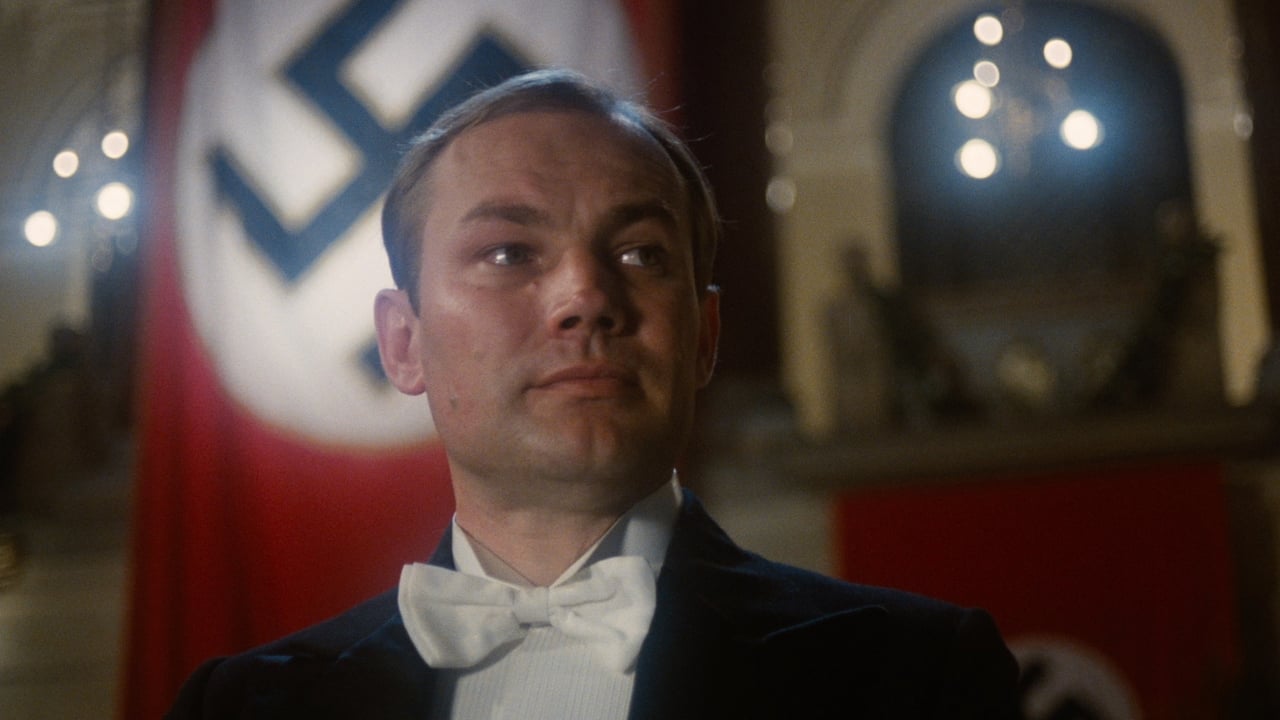
As the political tides shift ominously with the rise of the Nazi party, Höfgen faces a choice. His peers, including his wife Barbara (Krystyna Janda) and his sharp-witted mistress Juliette (Karin Boyd), see the writing on the wall and urge him to leave Germany. But an offer arrives – a chance to star at the prestigious State Theatre in Berlin, under the new regime. The lure is irresistible. Höfgen stays, convincing himself he can remain apolitical, that his art exists in a vacuum separate from the brutal reality closing in around him.
### A Bargain Struck in Greasepaint
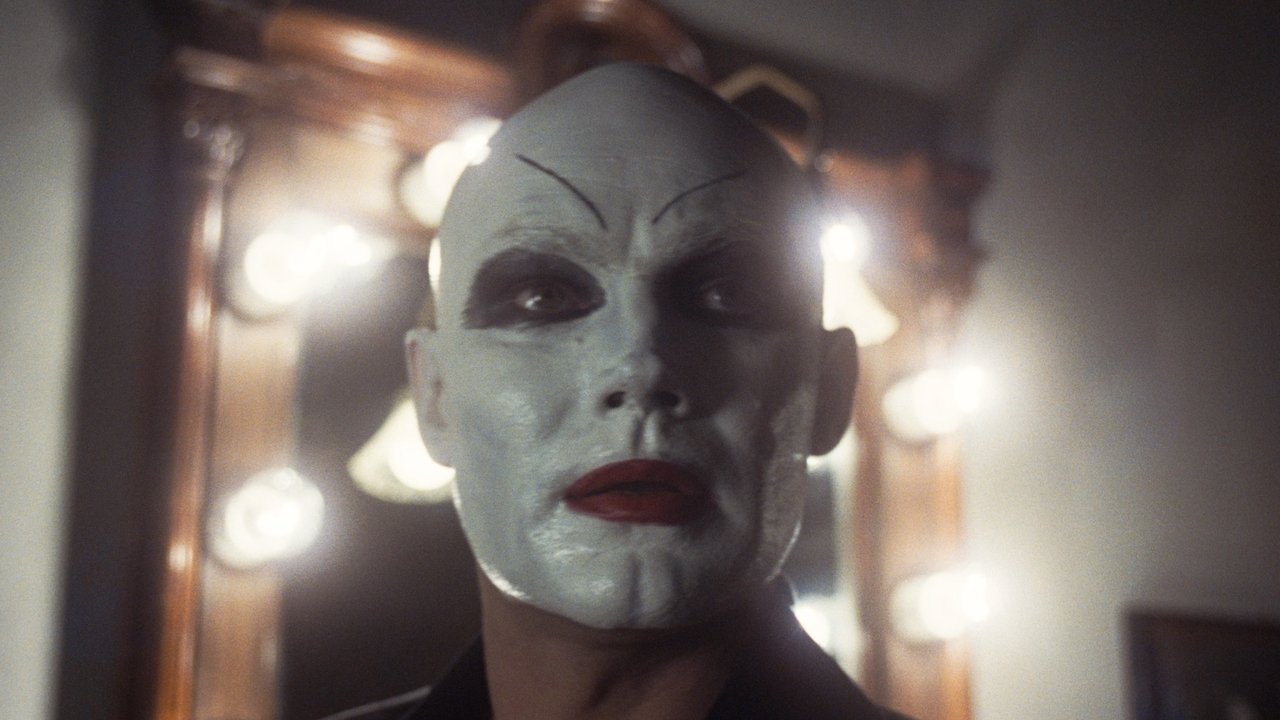
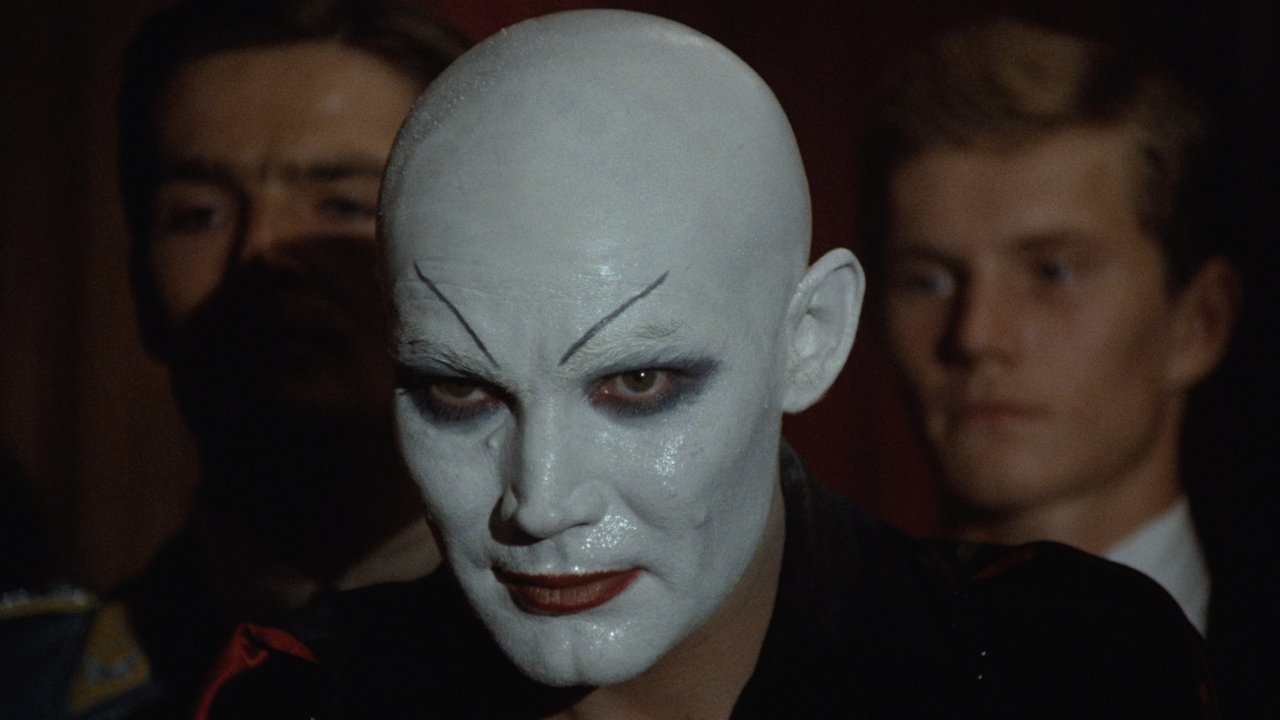
What follows is a masterclass in depicting the insidious nature of compromise. Szabó doesn't paint Höfgen as purely evil, but as tragically weak, self-absorbed, and fatally skilled at self-deception. He rationalizes every step closer to the Nazi elite, particularly a powerful General (based on Hermann Göring). He leverages his fame to help some friends, fleetingly assuaging his conscience, while turning a blind eye to the larger horrors. His signature role becomes Mephistopheles in Goethe's Faust – a mirroring irony so profound it almost feels like a cosmic joke. He plays the devil's servant on stage while becoming the regime's pawn in real life.
Brandauer is simply astonishing. He embodies Höfgen's theatricality – the grand gestures, the booming voice – but crucially, allows us glimpses of the gnawing fear and insecurity beneath the mask. Watch his eyes dart nervously even as he basks in the adulation of Nazi officials. It’s a performance built on layers: the actor playing an actor who is constantly performing, both on and off stage. We see the charm that seduces audiences and patrons alike, but also the hollowness growing within him. It’s a study in how the pursuit of personal glory can eclipse moral responsibility, one small concession at a time. Doesn't this gradual erosion of principle feel unnervingly familiar, even outside the extreme context of Nazi Germany?
### The Weight of History, The Art of Cinema
Szabó, working with screenwriter Péter Dobai, crafts a narrative that feels both epic and intimate. The changing atmosphere of Germany is palpable – from the vibrant, decadent cabaret scenes of the Weimar era to the chillingly sterile, banner-draped aesthetic of the Third Reich. The cinematography by Lajos Koltai (who would later shoot Malèna and work frequently with Szabó) captures this shift brilliantly, moving from fluid energy to a more rigid, imposing visual style.
It’s worth noting that Mephisto was a Hungarian production, made during the Cold War era. Winning the Academy Award for Best Foreign Language Film in 1982 was a significant cultural moment, bringing this powerful story of political compromise from behind the Iron Curtain to a global audience. It's a reminder that potent critiques of power and conformity can emerge from unexpected places. It wasn't your typical popcorn flick discovered on VHS; renting Mephisto often felt like an event, a commitment to a serious piece of filmmaking that demanded attention and reflection.
The supporting cast is excellent, particularly Janda as the principled wife who sees Höfgen's path clearly and Ildikó Bánsági as Nicoletta von Niebuhr, another actress navigating the treacherous landscape, embodying a different kind of survival instinct. Their interactions with Höfgen highlight his isolation, even when surrounded by admirers.
### The Final, Blinding Glare
Mephisto doesn't offer easy answers. Höfgen isn't a monster, but a man whose desire for fame becomes a fatal flaw in monstrous times. The film forces us to consider the responsibility of the artist, the seductive power of acceptance by the powerful, and the terrifying ease with which one can justify looking away. The final scene, where Höfgen stands bewildered and exposed under inescapable, stadium-bright lights, stripped of his theatrical illusions, is haunting. He cries out, "What do they want from me? I am only an actor." But the film leaves us pondering: is that ever all anyone is?
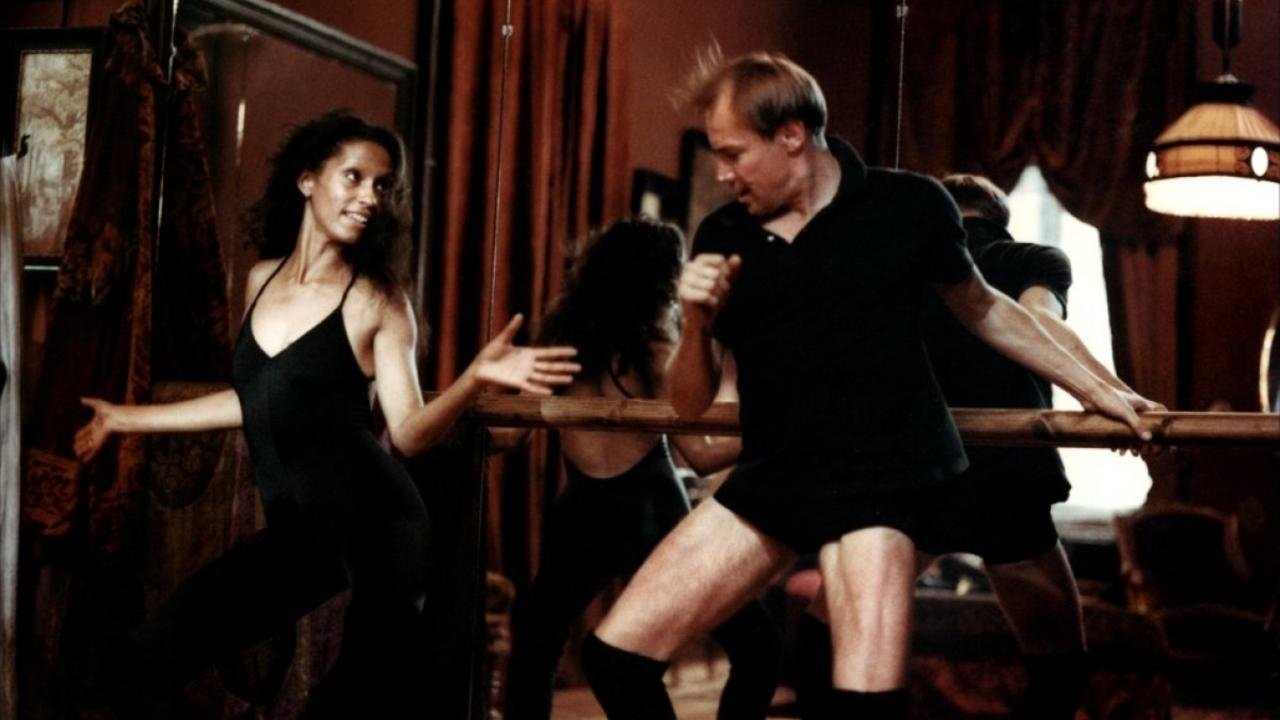
Rating: 9/10
Justification: Mephisto is a towering achievement, anchored by one of the great screen performances from Klaus Maria Brandauer. Its exploration of moral compromise under totalitarianism is profound, chilling, and masterfully directed by István Szabó. While its deliberate pace and weighty themes demand viewer engagement, the cinematic craft and enduring relevance make it essential viewing. The slight deduction acknowledges its potentially challenging nature for casual viewing, but its impact is undeniable.
Final Thought: A film that peels back the greasepaint to reveal the stark, uncomfortable choices faced when personal ambition collides with political darkness – a cautionary tale that resonates long after the credits roll and the tape ejects.