Some films just feel wrong. Not inept, not cheap (though perhaps low-budget), but fundamentally unsettling on a level that bypasses jump scares and burrows straight under your skin, leaving a residue of unease long after the VCR whirs to a stop. David Schmoeller's Tourist Trap (1979) is emphatically one such film, a dusty, sun-bleached nightmare lurking just off the forgotten highways of American horror. Watching it again feels like unearthing a forbidden tape from the back shelf of a long-gone video store, its strangely G-rated-looking cover art betraying the deeply disturbing experience within.
The Uncanny Valley of the Roadside
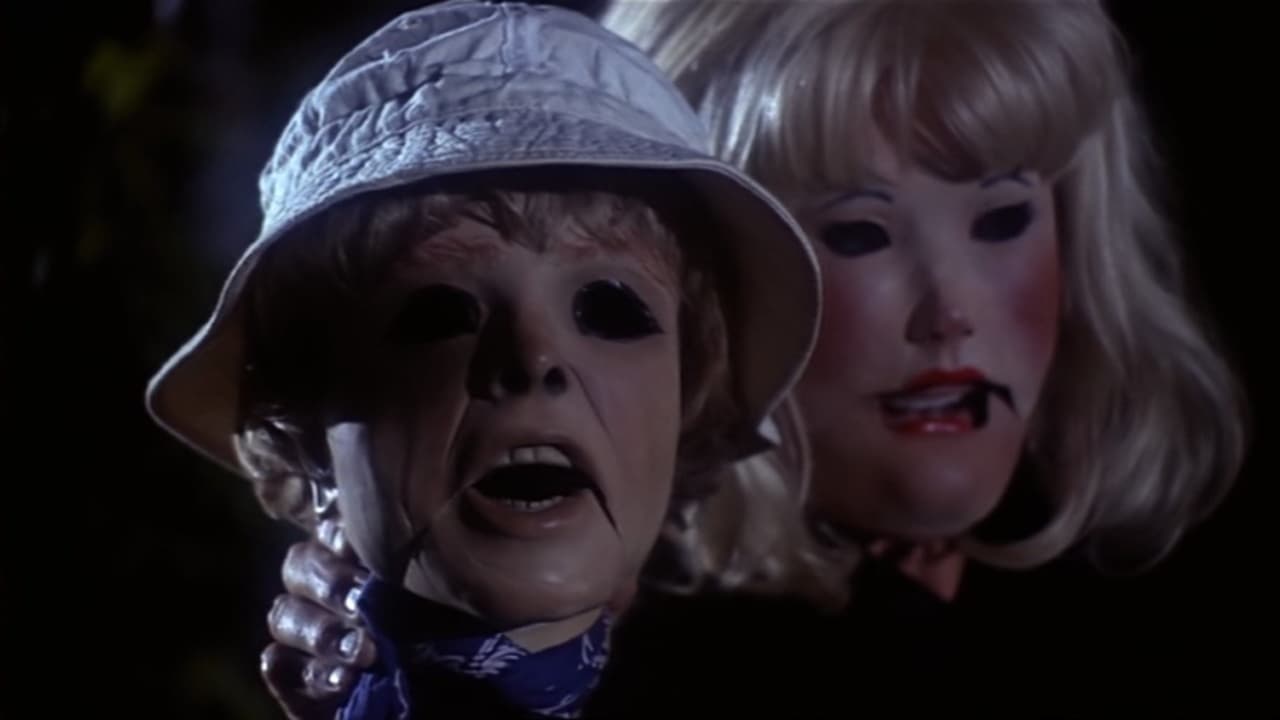
The setup feels familiar, almost deceptively simple: a car full of attractive young people breaks down in the middle of nowhere. They stumble upon Slausen's Lost Oasis, a dilapidated roadside museum run by the seemingly kindly Mr. Slausen (Chuck Connors). But the museum isn't filled with dusty relics; it's populated by mannequins. Lifelike, eerie mannequins that seem to watch with vacant eyes. From this simple premise, Tourist Trap spins a web of psychological dread and bizarre supernatural menace that feels utterly unique, even today. Forget slashers merely hiding behind masks; here, the threat feels embedded in the very fabric of the place, animated by a force both psychic and deeply psychotic.
The film’s power lies heavily in its atmosphere. Shot largely at a genuinely creepy, defunct roadside attraction, the production design feels authentically decayed and isolated. The California sun beats down, offering no comfort, only highlighting the dust motes dancing in the air and the peeling paint on Slausen’s unsettling creations. This isn't gothic gloom; it's the horror of the mundane twisted into the grotesque. And then there’s the score by the legendary Pino Donaggio (known for scoring Brian De Palma’s Carrie and Dressed to Kill). His work here is phenomenal, a swirling mix of childlike melodies warped into something sinister, punctuated by jarring electronic stings and mournful strings. It elevates the film beyond its B-movie trappings, adding layers of psychological tension that the visuals alone might not achieve.
A Rifleman Gone Wrong
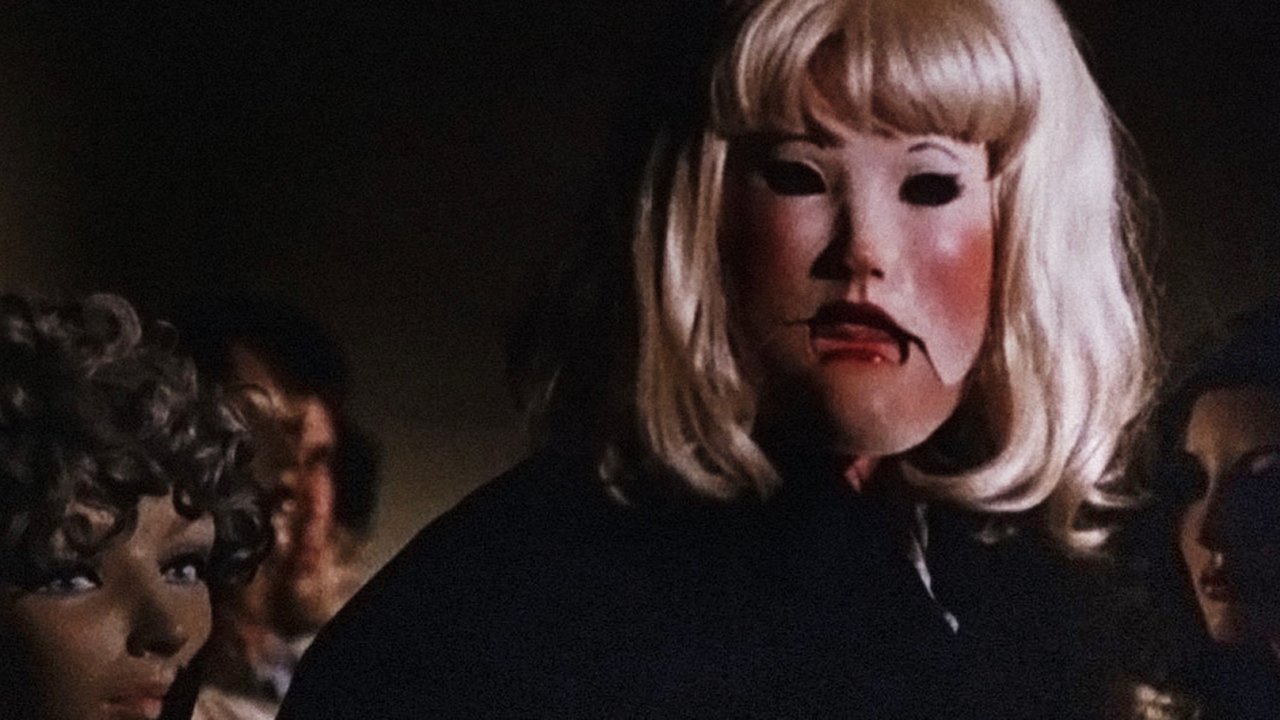
Central to the film's unsettling power is the casting of Chuck Connors. Known to millions as the heroic Lucas McCain in TV's The Rifleman, seeing him here as the soft-spoken, bib-overalled Mr. Slausen is instantly disorienting. Connors plays him with a folksy charm that slowly, terrifyingly curdles into menace. There's a loneliness about Slausen, a desperate need for company that twists into possessive madness. It’s a brave performance, playing so dramatically against type, and Connors commits fully. Apparently, Connors genuinely frightened actress Jocelyn Jones (who plays the resourceful final girl, Molly) during some of the more intense scenes, lending an extra layer of verisimilitude to her terror. His descent isn't just a plot point; it feels like watching a beloved icon shatter. Doesn't that kind of against-type casting often create the most memorable villains?
Things That Shouldn't Move
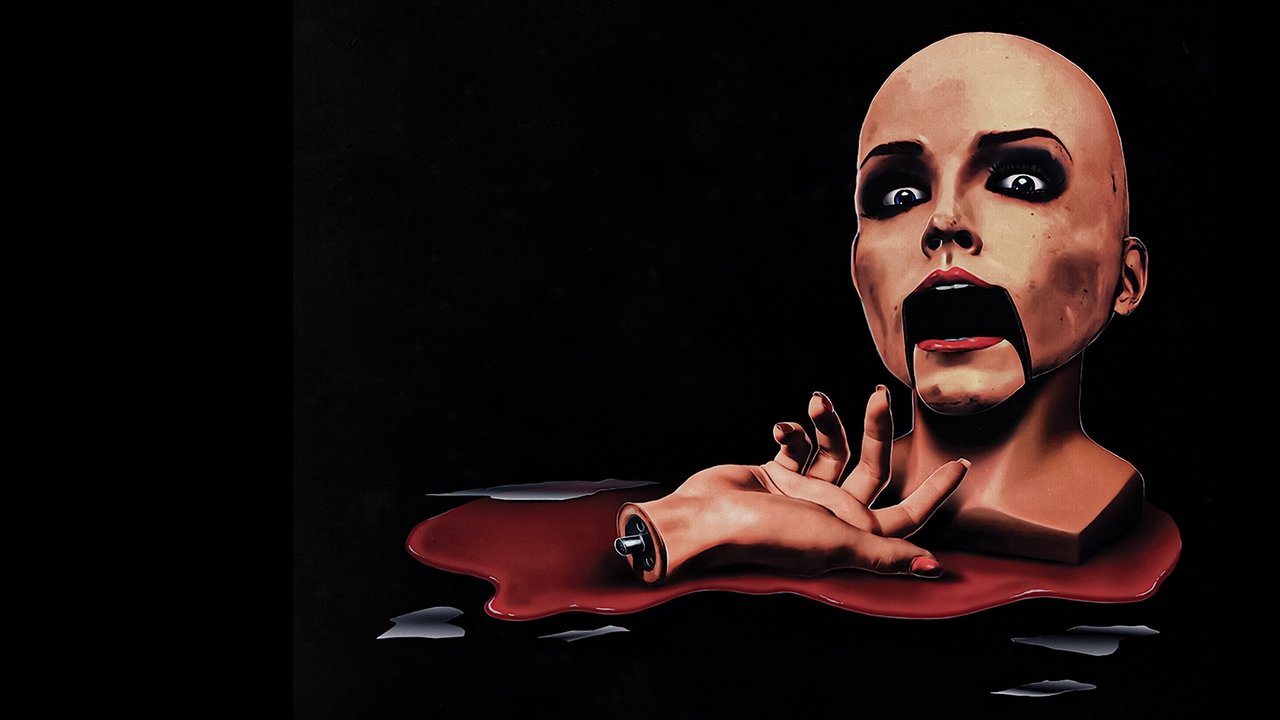
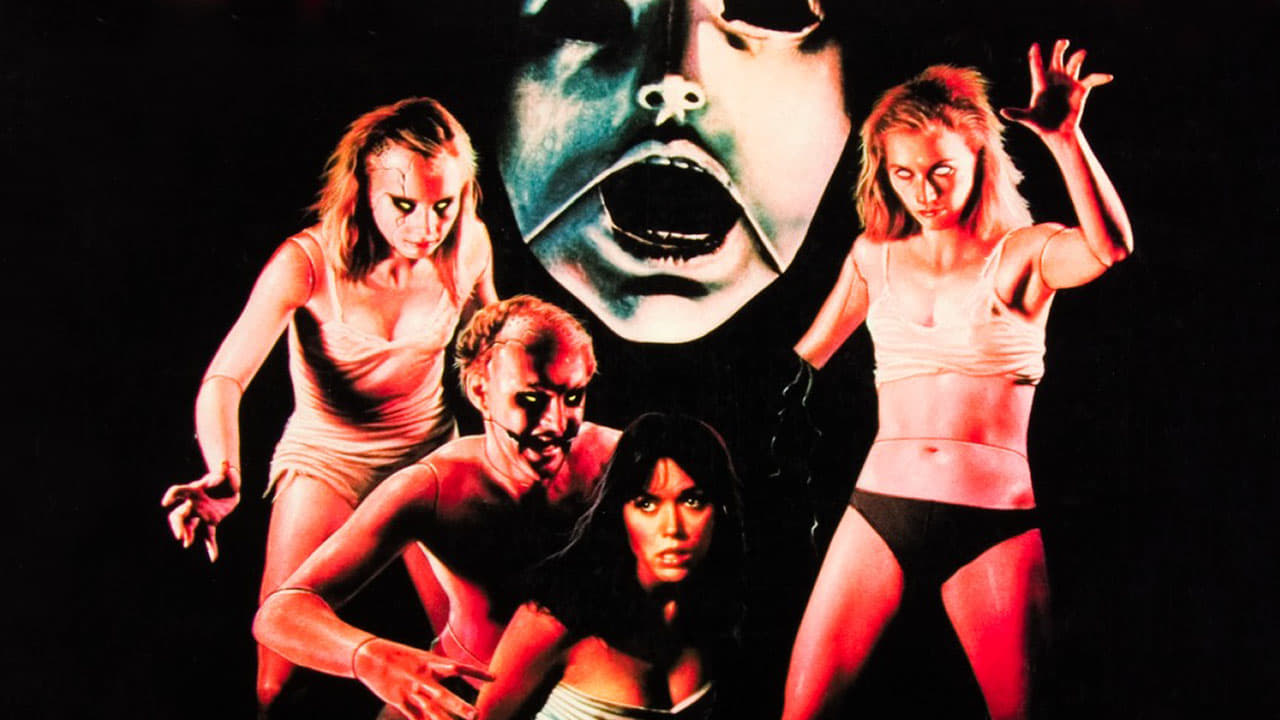
But let's talk about the mannequins. Oh, the mannequins. Tourist Trap leverages the inherent creepiness of these inanimate figures like few films before or since. Schmoeller uses stop-motion, puppetry, and clever editing to suggest movement, but it’s the implication that’s truly terrifying. The jerky, unnatural twitches, the heads that seem to follow the characters, the infamous scene involving plaster and a screaming victim – these moments tap into primal fears of the uncanny. The practical effects, born from a modest budget (reportedly around $350,000), feel tangible and disturbing in a way CGI rarely achieves. There's a grimy, handcrafted quality to the horror that feels intensely personal. You can almost smell the dust and decay. It's telling that Stephen King himself is reportedly a fan, citing it as an overlooked horror gem – perhaps he recognized that raw, unsettling quality that transcends budget. The film even throws in telekinesis, handled with a bizarre, almost casual integration that just adds to the overall strangeness rather than feeling like a desperate gimmick.
Interestingly, despite the intensity and genuinely disturbing imagery (that screaming mannequin face!), Schmoeller apparently fought hard with the MPAA. The film secured an R rating, but it’s surprisingly low on explicit gore, relying instead on atmosphere, suggestion, and psychological violation. There were rumours Schmoeller even initially aimed for a PG, which seems utterly unthinkable given the final product – a testament perhaps to how subjective perceived intensity was back then, especially when dealing with psychological horror over explicit violence.
A Relic Worth Revisiting?
Tourist Trap isn't perfect. Some pacing lulls exist, and the supporting characters are largely fodder, defined more by their 70s fashion than deep personalities. Yet, its strengths are potent and enduring. It blends the nascent slasher genre with elements of the supernatural and psychological horror in a way that feels distinctively weird. It doesn't just want to scare you; it wants to make your skin crawl, to leave you questioning the stillness of inanimate objects in the dead of night. Finding this oddity on VHS felt like discovering a secret transmission from horror's twilight zone.

Rating: 7/10
Justification: While hampered slightly by its budget and some conventional plot mechanics, Tourist Trap earns its points through sheer, unadulterated atmospheric dread, Pino Donaggio's superb score, Chuck Connors' chilling against-type performance, and its masterful, skin-crawling use of mannequins. It's a prime example of effective, low-budget horror filmmaking that prioritizes genuine unease over cheap shocks.
Final Thought: Decades later, Tourist Trap remains a uniquely disturbing experience. It's a relic from a time when horror could be truly strange, relying on atmosphere and psychological discomfort to linger far longer than any jump scare. It’s one of those rentals you might have picked up on a whim, only to find it occupying a creepy corner of your memory ever since.