The faint hum of the VCR, the static snow flickering across the CRT screen before the tracking lines settled... sometimes, the prelude was almost as unsettling as the feature presentation. And then, those stark white credits against black, punctuated by that deceptively simple, relentlessly chilling piano melody. You knew, even before the first suburban frame appeared, that you were in for something different. Something that crawled under your skin and stayed there.
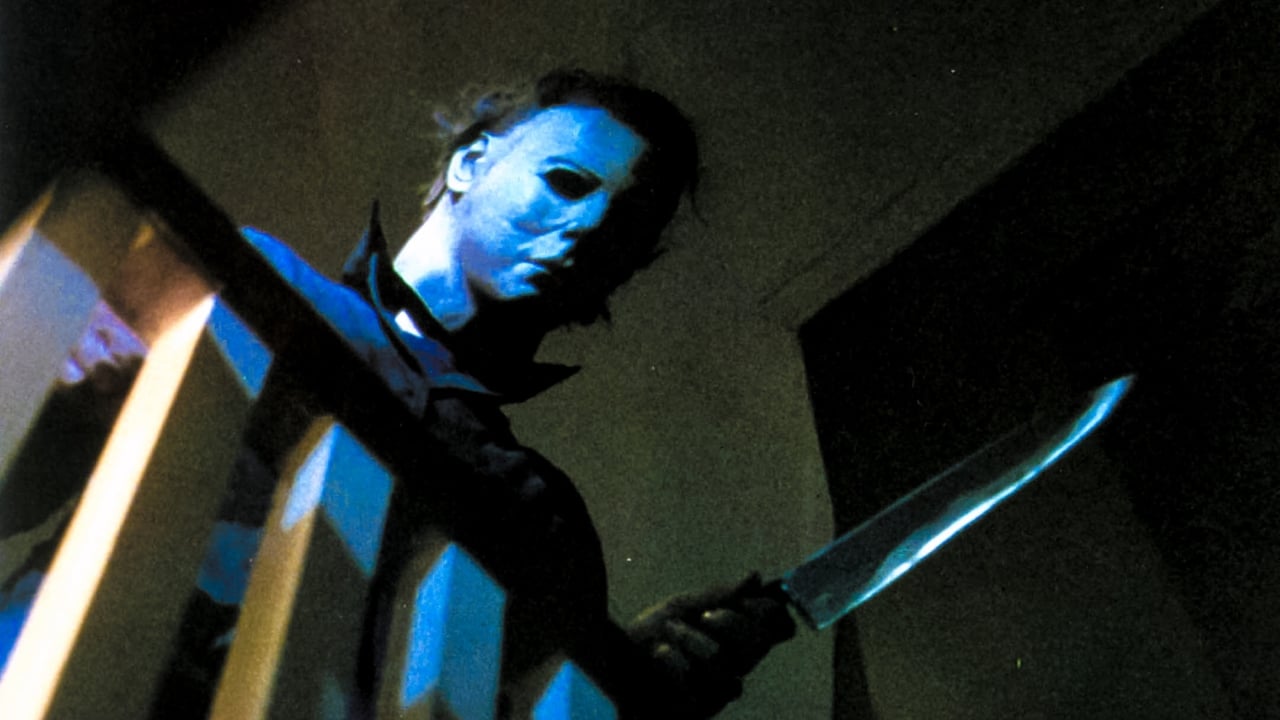
The Night He Came Home
Halloween, John Carpenter's 1978 masterclass in minimalist terror, wasn't just a movie; it was an event. It felt like something dredged from a primal nightmare, stripped bare of complex motives or elaborate gore (at least by later standards). Its power lies in its purity, its absolute confidence in suggestion and atmosphere over explicit shock. Forget intricate backstories; Michael Myers is the Boogeyman, an implacable force of nature disguised in stained coveralls and a hauntingly blank white mask. Remember seeing that mask for the first time? A repurposed William Shatner mask, painted ghostly white, its features vaguely human yet utterly devoid of emotion – a chillingly effective choice born partly from the film’s notoriously tight budget (reportedly around $300,000). Necessity, it seems, is the mother of nightmare fuel.
Shadows in Suburbia
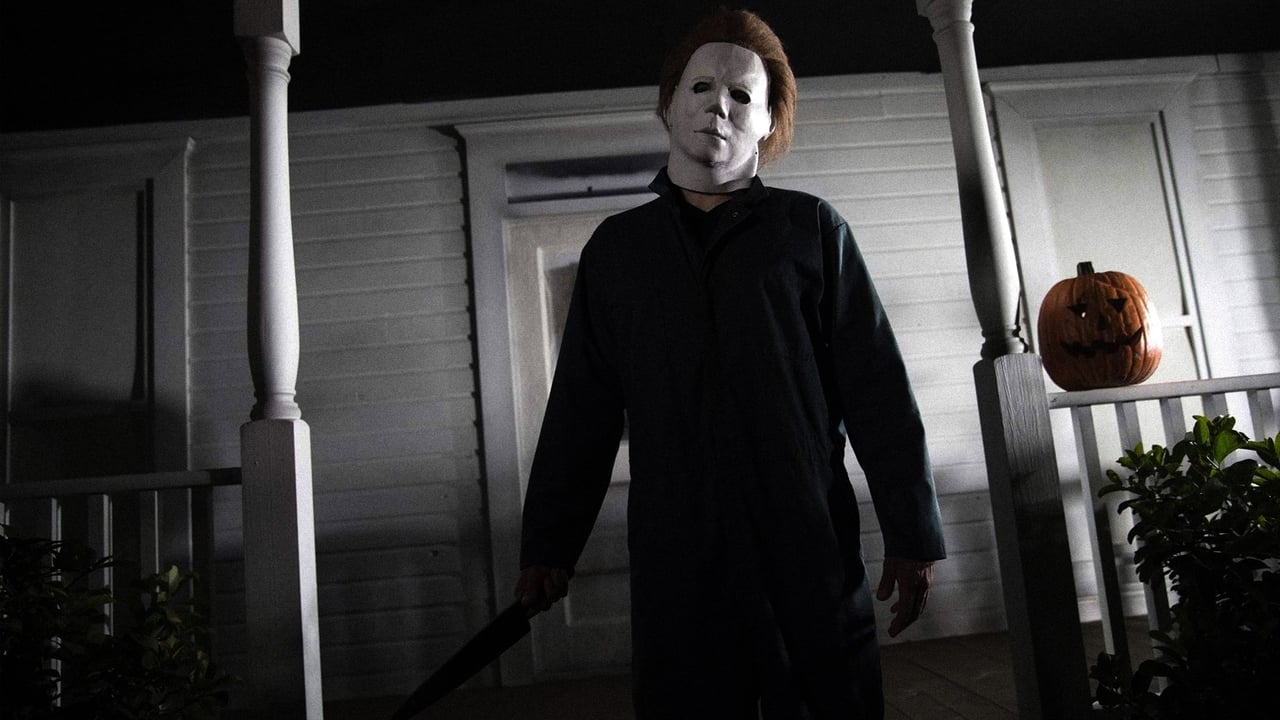
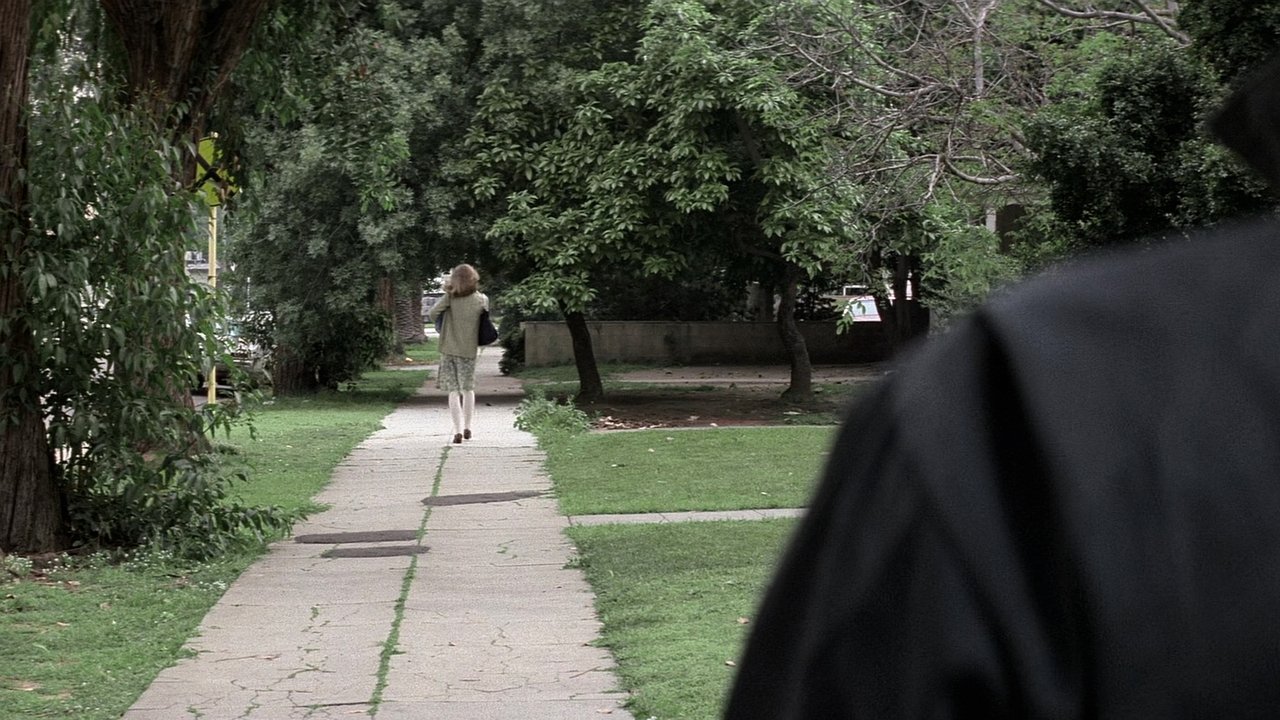
What Carpenter and his co-writer/producer, the late, great Debra Hill, understood so profoundly was the terror lurking beneath the mundane. Haddonfield, Illinois, feels achingly familiar – the quiet streets, the falling leaves (painstakingly gathered or even painted, as they shot in sunny California springtime!), the teenage rituals of school, babysitting, and stolen moments. Carpenter, pulling double duty as composer, crafts a synth score that's inseparable from the film's identity. Those pulsing, repetitive themes aren't just music; they're Michael's heartbeat, the relentless rhythm of approaching doom. His use of the Panavision widescreen format is masterful, often placing Myers as a peripheral threat, a shape half-hidden in the background, turning everyday locations into landscapes of potential dread. He doesn't need jump scares every two minutes; the sustained tension comes from knowing Myers is out there, watching, waiting. Doesn't that steady, stalking camera still feel unnerving?
The Archetypal Survivor and the Harbinger
In Jamie Lee Curtis, Halloween found its iconic "final girl." As Laurie Strode, she’s not just a victim-in-waiting; she’s intelligent, resourceful, and relatable. Her terror feels authentic, grounding the film even as the nightmare unfolds. Curtis, daughter of Psycho star Janet Leigh, brought both vulnerability and strength to the role, establishing a benchmark for the genre. Contrast her grounded performance with the carefree (and perhaps slightly doomed) energy of her friends, like the memorably vibrant P.J. Soles as Lynda.
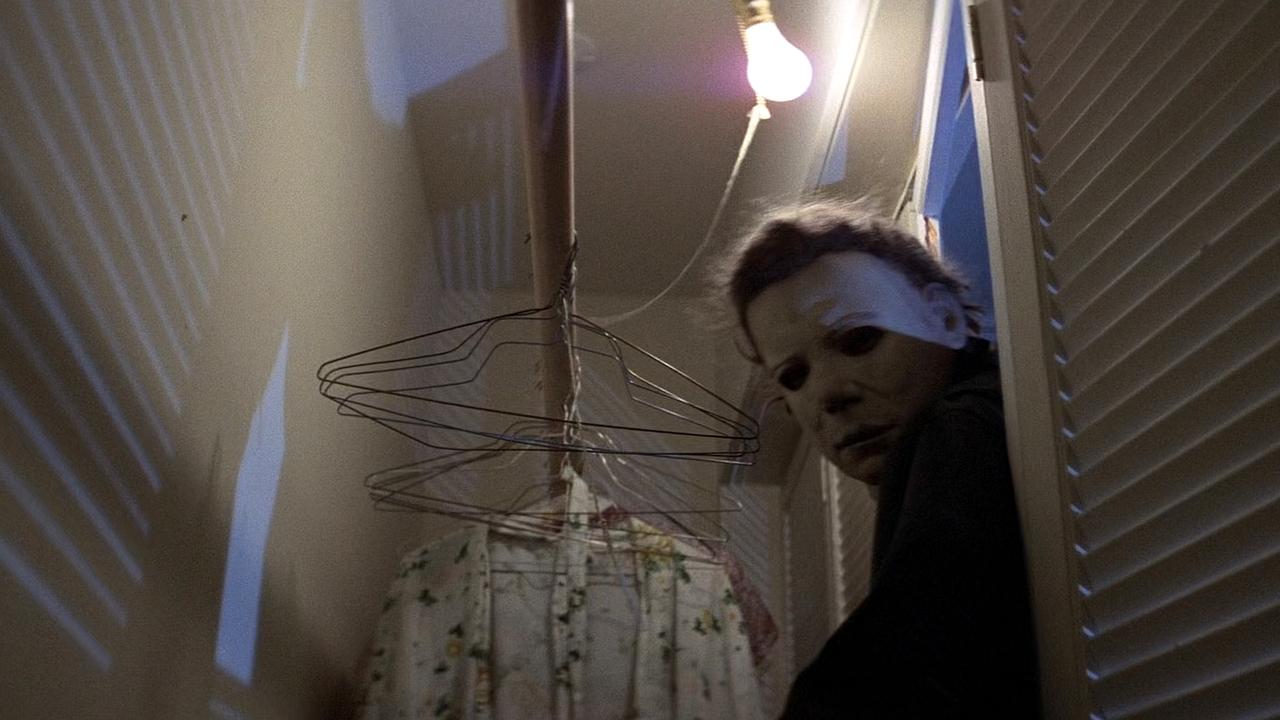
And then there's Donald Pleasence as Dr. Sam Loomis. Chewing scenery? Perhaps. But his feverish intensity is crucial. Loomis isn't just a psychiatrist; he's Van Helsing to Myers' Dracula, the Cassandra figure desperately trying to warn a disbelieving town about the pure evil he believes he encountered years ago. His stark pronouncements ("I spent eight years trying to reach him, and then another seven trying to keep him locked up because I realized that what was living behind that boy's eyes was purely and simply... evil") lend Myers a terrifying mythic quality. Reportedly, Carpenter initially wanted Peter Cushing or Christopher Lee, but Pleasence, secured for a modest sum, delivered a performance that became inextricably linked with the franchise.
Less is More: The Low-Budget Miracle
The constraints of Halloween's budget became its strengths. The lack of elaborate effects forced Carpenter to rely on suspense, shadow, and implication. The minimal gore makes the moments of violence that do occur hit harder. The simplicity of the plot – an escaped killer returns to his hometown to stalk babysitters – allows the focus to remain squarely on mood and tension. It’s a testament to focused vision and raw talent, proving that ingenuity can be far more terrifying than a massive budget. Shot in roughly 20 days, it became one of the most profitable independent films ever made, a true sleeper hit that tapped into a deep vein of suburban anxiety.
The Shape of Horror to Come
Its influence is undeniable. Halloween didn't invent the slasher, but it codified its rules, providing the blueprint for the legion of masked killers who would stalk multiplexes and video stores throughout the 80s. Yet, few managed to capture its elegant dread, its patient build-up, or its primal simplicity. It remains a film that feels unsettlingly timeless, proof that pure, atmospheric horror, expertly crafted, never truly fades. Watching it again on worn-out VHS, the slightly degraded image quality almost enhancing the grainy, autumnal chill, you remember why it burrowed so deep.
***
Rating: 10/10
Justification: Halloween is horror filmmaking distilled to its purest essence. Its masterful direction, unforgettable score, iconic villain, career-defining performances from Curtis and Pleasence, and near-perfect pacing create an atmosphere of sustained dread that few films, before or since, have matched. Its low-budget ingenuity became its greatest asset, and its monumental influence on the genre is undeniable. It's not just a great slasher film; it's a benchmark of cinematic terror.
Final Thought: Decades later, long after the slasher boom it ignited has faded and been reborn multiple times, John Carpenter's original Halloween still stands tall, a chilling testament to the power of shadow, suggestion, and that hauntingly vacant mask. He truly was The Shape of Fear.