The world outside Kate Davis’s secluded farmhouse is bathed in an eerie, unnatural blue light. It’s not moonlight. It’s the sterile glow of capture, the prelude to an abduction that swaps gothic castles for gleaming, modern facilities and ancient curses for chillingly organised conspiracy. Thirst (1979) doesn't just bite; it infiltrates, brainwashes, and processes its victims with the cold efficiency of a dairy farm, only the commodity here is human blood. This is vampirism reimagined for the clinical anxieties of the late 20th century, a far cry from Lugosi's charm or Lee's menace.

Welcome to the Farm
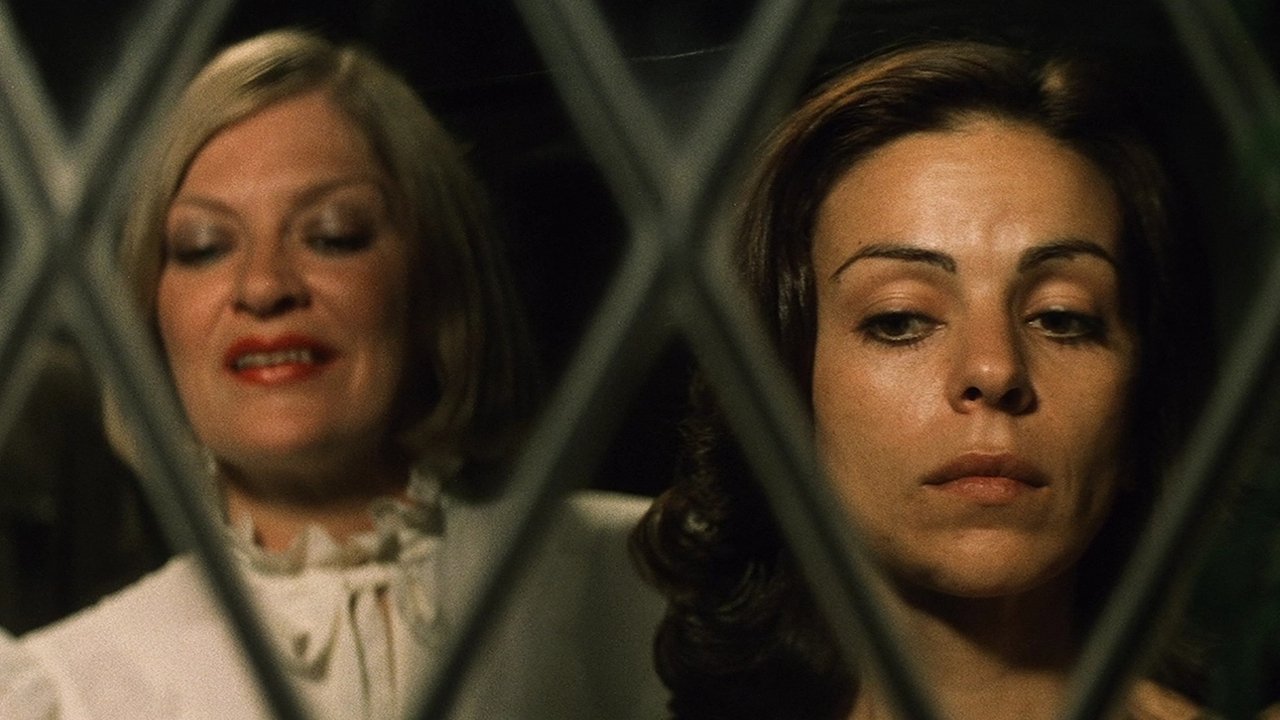
Forget the romantic notions of the undead. Director Rod Hardy, navigating the fertile ground of the Australian New Wave (or Ozploitation, as the more lurid marketing might label it), presents a secret society known as 'The Brotherhood'. They aren’t cloaked figures lurking in crypts; they are doctors, politicians, influential figures operating a high-tech facility – the Hyma Clinic – disguised as a health farm. Their "guests" are drugged, conditioned, and systematically drained, kept alive merely as docile livestock. Kate Davis (Chantal Contouri), a descendant of the infamous Countess Báthory, is not just a target for sustenance, but for recruitment into their elite ranks. The film wastes little time plunging her – and us – into this waking nightmare.
Contouri delivers a performance steeped in disorientation and rising panic. Her journey through the facility, from drugged confusion to horrified understanding, anchors the film's creeping dread. We see the "farm" through her eyes: the passive "blood cows" watching television, the gleaming centrifuges, the terrifyingly casual attitude of the staff, led by the unnervingly calm Dr. Fraser (Max Phipps). Phipps embodies the film's unique horror – intellectual, persuasive, and utterly monstrous beneath a veneer of detached civility. His attempts to break Kate psychologically are as chilling as any physical threat.
Clinical Chills and Aussie Atmosphere
What makes Thirst burrow under the skin, even decades later on a worn VHS tape, is its atmosphere. The production design turns the sterile, modern architecture of the Hyma Clinic into a prison of terrifying orderliness. This isn't the comforting decay of Hammer Horror; it's the impersonal dread of institutional control, a place where humanity is reduced to fluid ounces and vital signs. The score by Brian May (the prolific Australian composer, not the Queen guitarist, famous for scoring Mad Max and Patrick) is a masterclass in tension, pulsing with synthesized paranoia and discordant strings that perfectly complement the film's cold, calculated unease.
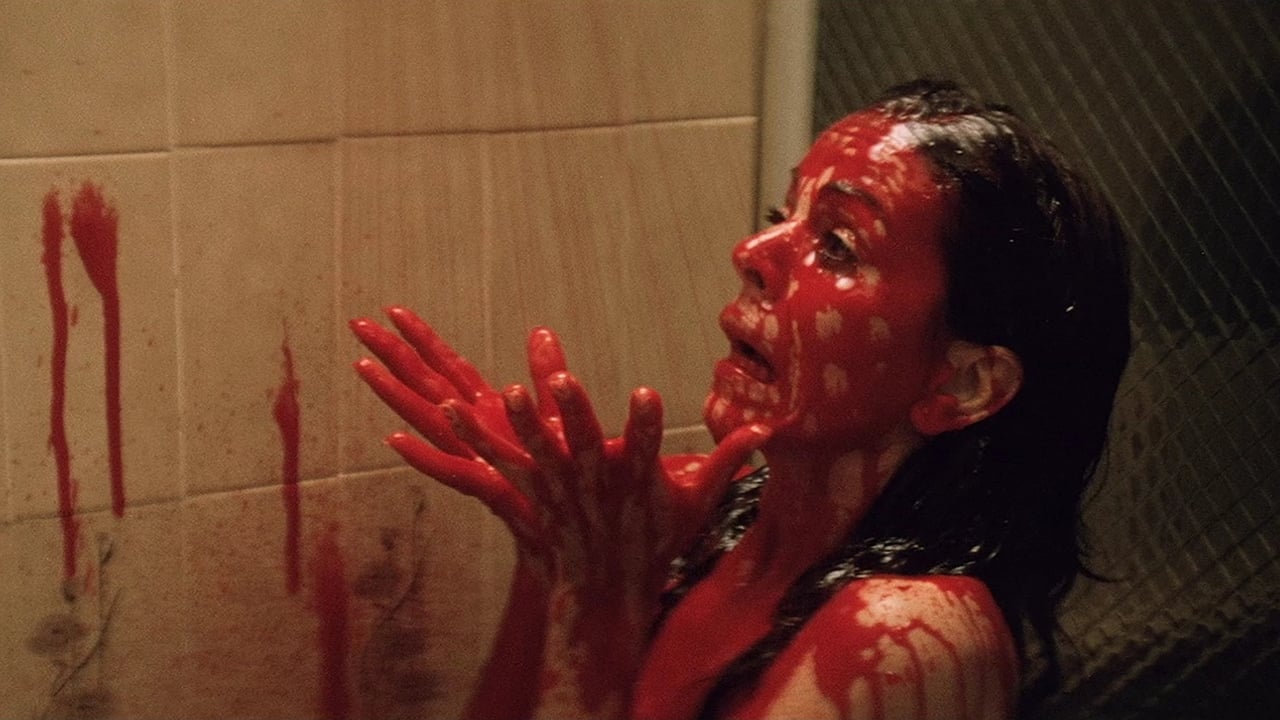
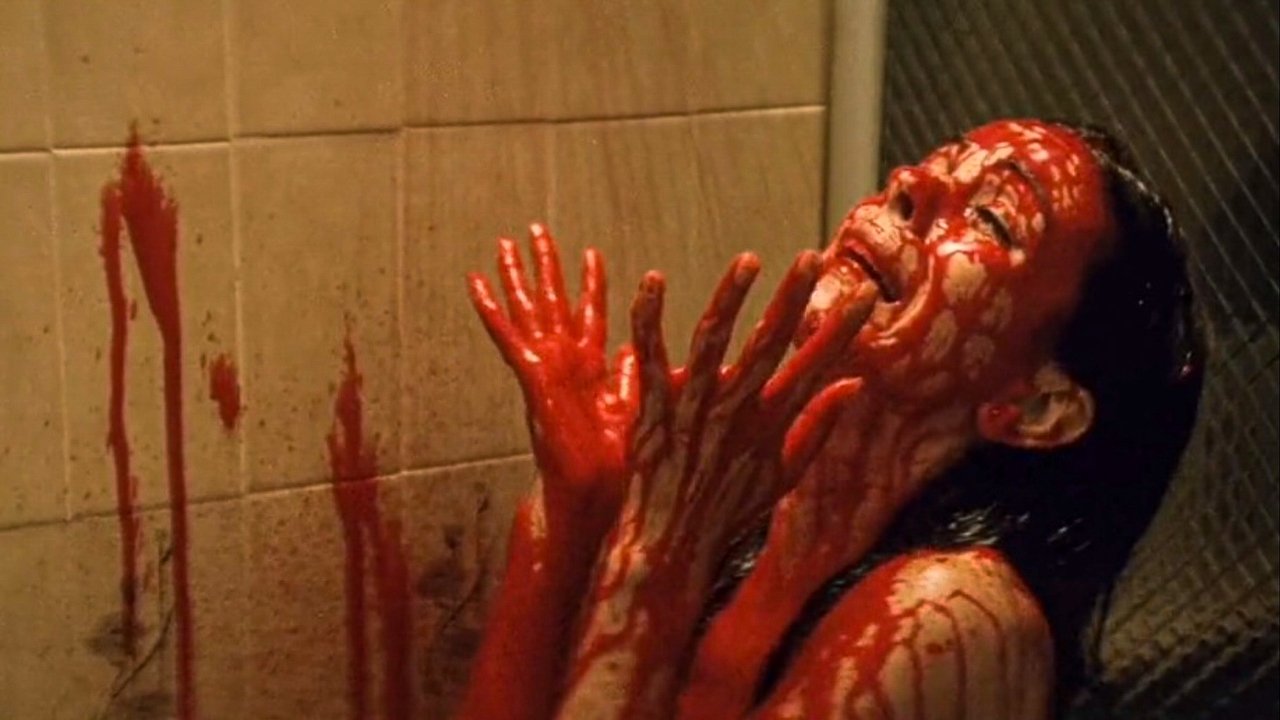
Remember watching those Ozploitation flicks back in the day? They had a certain raw energy, didn't they? Thirst feels distinctly Australian, not just in its setting but in its willingness to blend genres – part sci-fi thriller, part paranoid conspiracy, part body horror. The practical effects, particularly the scenes depicting the "milking" process and the infamous blood shower sequence, retain a visceral, uncomfortable power. There was a rumour, perhaps fuelled by the film's own marketing, that the concept was inspired by whispers of a real secretive organisation, adding a layer of 'what if?' dread to the proceedings. While likely just effective promotion, it certainly taps into that late-70s paranoia about hidden powers and loss of individual agency.

A Different Breed of Vampire
The film cleverly subverts vampire lore. Sunlight isn't fatal, merely inconvenient. Crosses and garlic are useless psychological ploys. The horror here stems not from supernatural weakness, but from the systematic, almost corporate structure of the predation. The Brotherhood sees themselves as evolved, superior, managing their "resource" responsibly. This detached, quasi-scientific approach feels disturbingly prescient, anticipating themes explored later in films dealing with genetic manipulation and societal control. Doesn't that organised, bureaucratic evil feel somehow more unsettling than a lone creature of the night?
Sure, some elements might feel dated now – the pacing can be deliberate, and some of the psychological conditioning scenes rely heavily on flashing lights and suggestive imagery that was very much of its time. But the core concept remains potent. I distinctly remember renting this from a dusty corner shelf at the local video store, drawn in by the stark cover art, expecting maybe a traditional vampire tale. What I got was something far stranger, colder, and ultimately, more thought-provoking. It lingered long after the VCR clicked off.
Final Rating & Lasting Impression
Thirst isn't your typical vampire flick; it's a chilling, intelligent slice of Ozploitation that swaps gothic tropes for corporate horror and psychological dread. Its unique premise, strong performances from Contouri and Phipps, and unnerving atmosphere make it a standout from the era. While perhaps a touch slow for some modern tastes, its clinical approach to vampirism is remarkably effective and disturbingly plausible within its own world. It feels less like a monster movie and more like a paranoid thriller where the conspiracy happens to involve blood consumption.
Rating: 7.5/10
Justified by its unique and unsettling concept, the effectively cold atmosphere, strong central performances, and its distinct place within Australian genre cinema. Points are slightly deducted for pacing that might test some viewers and certain dated visual elements.
For fans of unconventional horror and the stranger corners of the VHS era, Thirst remains a compelling and deeply unsettling watch – a reminder that sometimes the most terrifying monsters wear lab coats and manage their horrors with chilling efficiency. It’s a transfusion of dread that still circulates effectively.