There's a chill that lingers long after the credits roll on John Badham's 1979 vision of Dracula, but it’s less the bite of outright terror and more the cold ache of doomed romance. This isn't your father's Count, nor the snarling beast of later interpretations. No, this Dracula, brought to life with hypnotic intensity by Frank Langella, is something else entirely – a figure of dark allure, moving through crumbling manors and mist-shrouded coastlines like a phantom caught between worlds. Seeing it again on a worn tape, the slightly desaturated colours bleeding into the CRT static, reminds you just how different this gothic nightmare felt.

A Different Kind of Darkness
Forget the fangs and the feral growls. Langella, reprising the role that made him a star on Broadway just a couple of years prior, famously refused them. He understood that this Count’s power wasn't brute force, but seduction. His Dracula is suave, commanding, almost tragically lonely. He moves with a dancer's grace, his eyes holding an ancient weariness mixed with predatory focus. Remember that scene where he scales the asylum wall? It’s less a monstrous feat and more an act of spectral elegance, a practical effect achieved with clever rigging and Langella’s own physicality that felt utterly mesmerizing back in the day. It sets the tone: this is horror rooted in atmosphere, in the magnetic pull of the forbidden. Langella’s performance is the pulsing, dark heart of the film, a portrayal so potent it redefined the character for a generation weary of capes and clichés.
Whispers in Stone and Mist
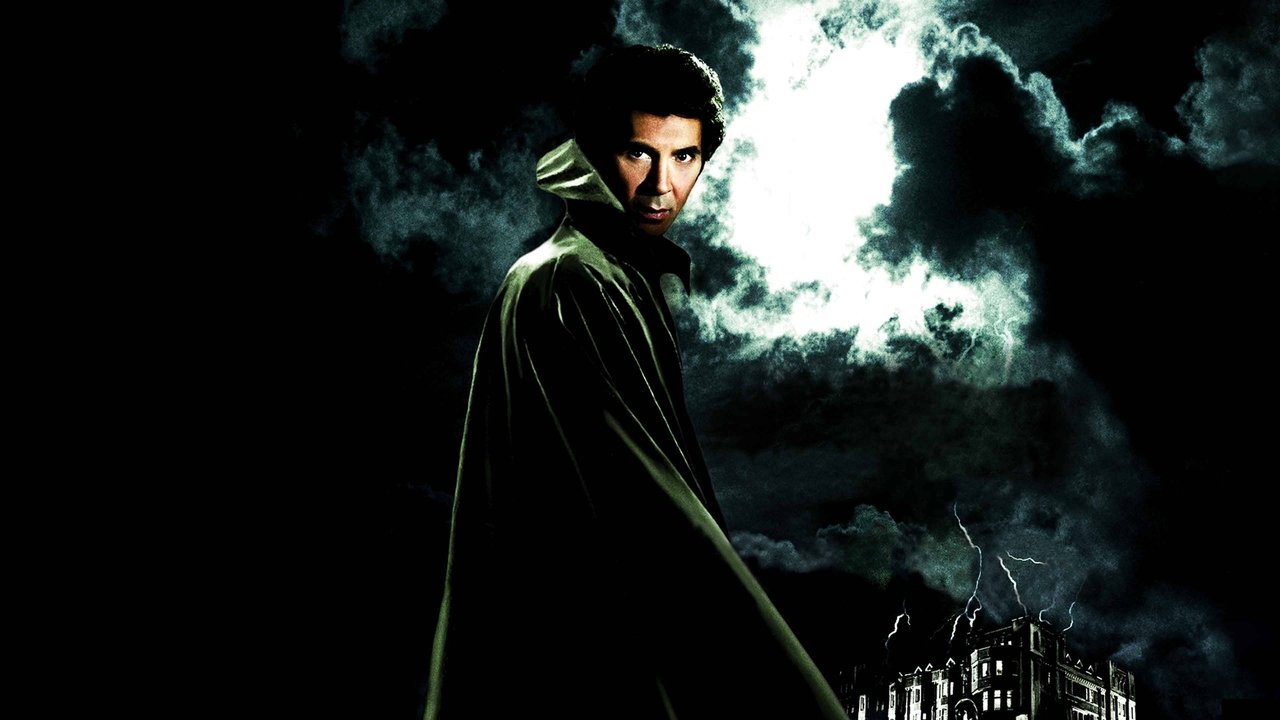
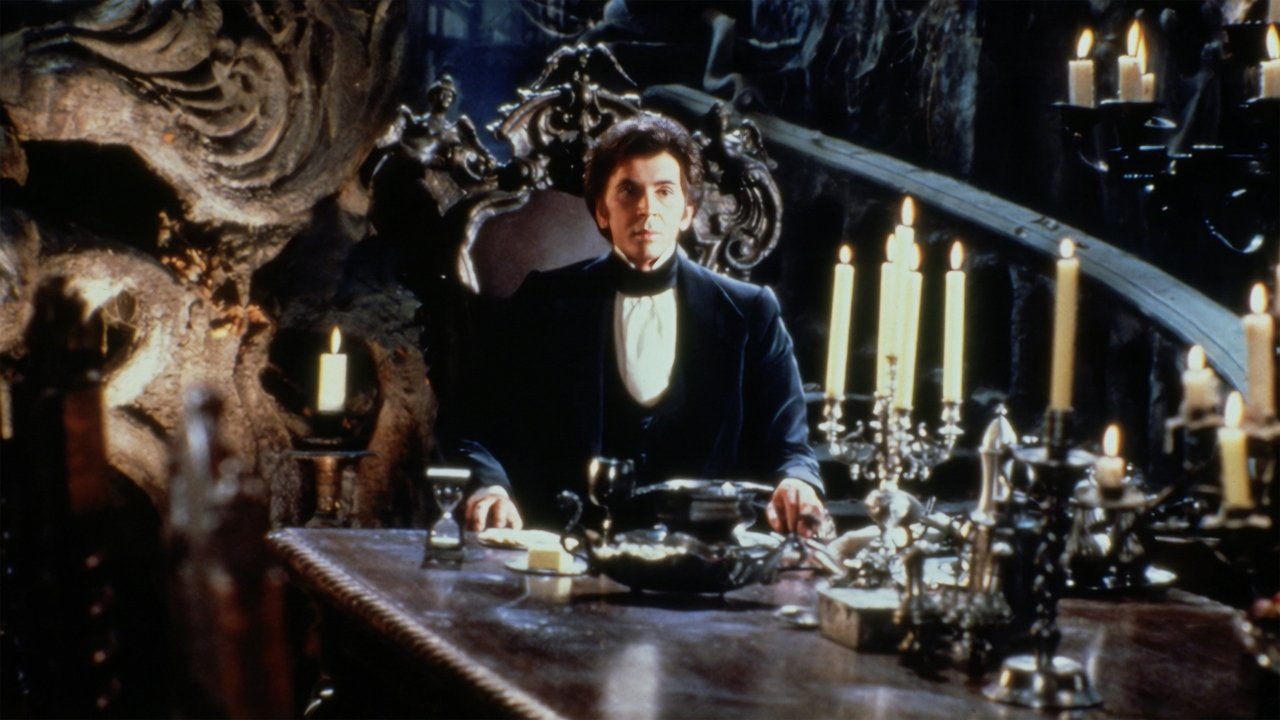
Director John Badham, fresh off the disco inferno of Saturday Night Fever, might have seemed an odd choice, but he leaned heavily into creating an oppressive, yet strangely beautiful, mood. Working with cinematographer Gilbert Taylor, Badham originally envisioned the film in black and white, a nod to the classic Universal horrors. When the studio balked, they settled on a heavily muted, almost monochromatic colour palette. While some later home video releases controversially boosted the saturation, the intended look – often best preserved on those old VHS copies – gives the film a unique, dreamlike quality. Everything feels damp, decayed, shrouded in perpetual twilight. Peter Murton's production design is magnificent; Carfax Abbey is a character in itself, a crumbling gothic nightmare perched precariously on the Cornish cliffs (Cornwall, England providing the perfect windswept, desolate locations). Dr. Seward's asylum feels genuinely unsettling, a place of echoing whispers and creeping dread. It all coalesces into a potent visual brew, perfectly scored by John Williams with one of his most underrated works – lush, romantic, but underscored with a constant, tragic menace.
Titans and Victims
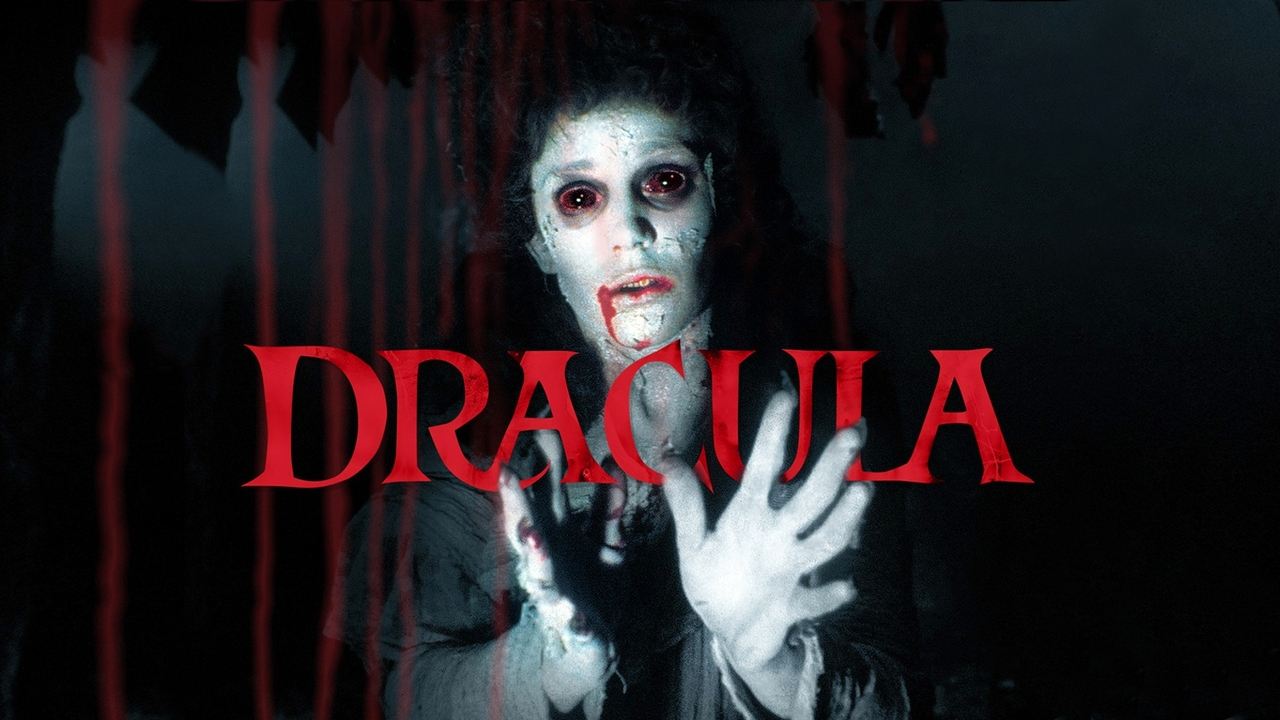
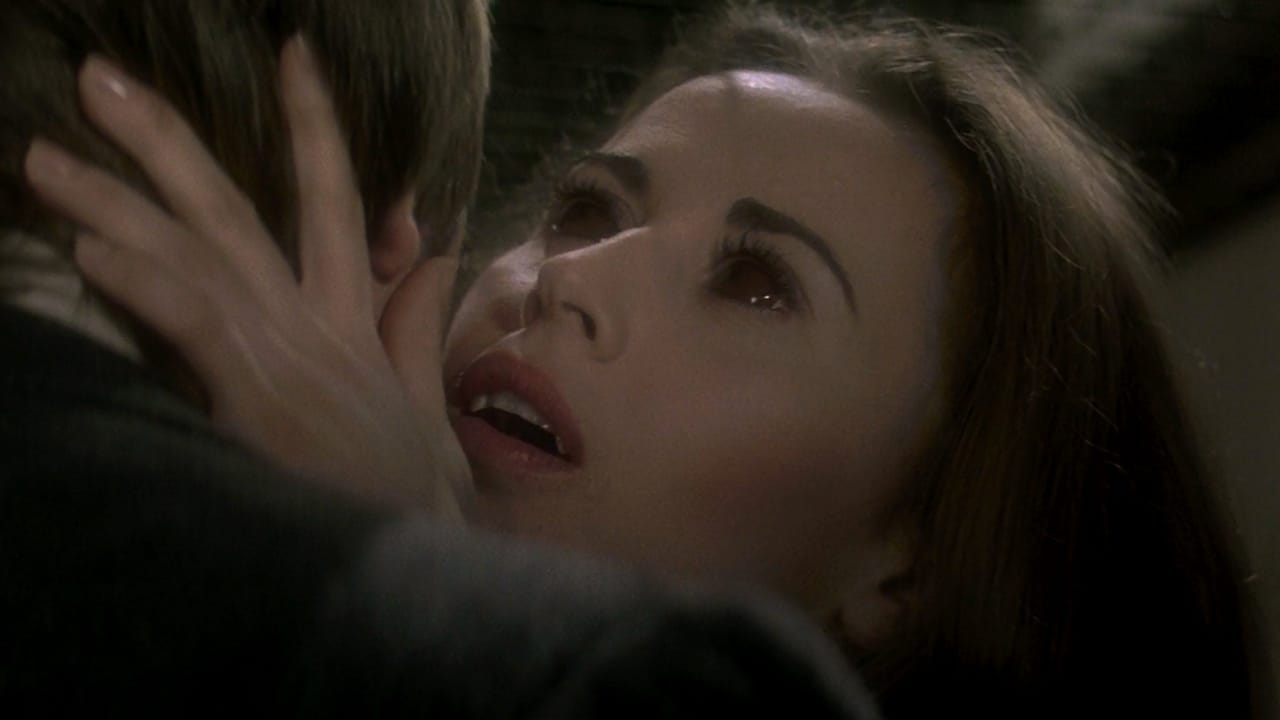
Against Langella’s magnetic Count stands a truly formidable opponent: Laurence Olivier as Professor Van Helsing. It's a fascinating performance. Olivier was reportedly battling illness during the shoot, and you can almost feel that frailty informing his portrayal. His Van Helsing isn't the robust action hero; he's a man driven by intellectual conviction and a deep, weary understanding of the darkness he faces, his determination etched onto his aging face. It creates a compelling dynamic – the ancient, vital evil versus the frail, resolute good. Donald Pleasence, a genre stalwart (Halloween), brings his usual twitchy intensity to Dr. Seward, the asylum administrator whose daughter Lucy (Kate Nelligan) becomes the focus of Dracula’s deadly affection. Nelligan herself embodies the modern woman drawn into an ancient web, portraying Lucy's transformation from fascinated captive to tormented soul with haunting conviction.
Retro Fun Facts: Crafting the Count
Adapting the Deane/Balderston stage play (itself a huge departure from Stoker's novel), W.D. Richter’s script prioritizes this romantic angle. The film’s budget, around $12 million (roughly $50 million today), was substantial for a horror film at the time, allowing for the impressive sets and location work. While it pulled in a respectable $31 million ($128 million adjusted), it wasn't the blockbuster some expected, perhaps because its slow-burn, atmospheric approach and lack of overt gore confused audiences anticipating something more akin to the Hammer productions. Still, its influence is undeniable. You can see echoes of Langella’s suave predator in later vampire interpretations that emphasized allure over monstrosity. And that iconic poster image of Langella, cloak billowing, remains instantly recognizable. Trivia buffs might also know that the striking visual of Dracula transforming into a wolf during the final confrontation was a late addition, achieved through some impressive (for the time) practical transformation effects.
Does the Seduction Still Hold?
Watching Badham’s Dracula today is like stepping into a gothic romance novel brought vividly, somberly to life. Its pacing might feel deliberate compared to modern horror, relying on mood and performance over jump scares. Yet, its power remains. Langella’s central performance is timeless, a magnetic portrayal of supernatural obsession. The production design and score create an immersive world that feels both grand and suffocating. It might lack the visceral horror of Coppola’s later adaptation or the camp charm of earlier versions, but it possesses a unique, melancholic beauty all its own. Doesn't that chilling final shot still linger, a perfect encapsulation of its romantic despair?
VHS Heaven Rating: 8/10
This rating reflects the film's stunning atmosphere, Langella's definitive romantic interpretation, Williams' gorgeous score, and its overall success in crafting a unique, stylish gothic horror experience. While its deliberate pace might not grip every modern viewer accustomed to faster cuts, its artistry and moody intensity are undeniable. It earns its place as a standout adaptation.
Final Thought: Badham’s Dracula isn't just a vampire movie; it's a mood piece, a darkly sensual fever dream that prioritized hypnotic dread over cheap thrills. It remains a fascinating, beautifully crafted outlier in the Dracula cinematic legacy, a testament to the enduring power of atmosphere and a truly captivating central performance. A must-watch for fans who appreciate their horror with a touch of doomed elegance.