There's a certain kind of heat that clings, isn't there? Not just the oppressive humidity of a summer night, but the feverish intensity of forbidden desire, the slow burn of guilt that follows a terrible act. Few films capture that suffocating atmosphere quite like Nagisa Oshima's 1978 spectral masterpiece, Empire of Passion (Ai no Bōrei). While perhaps initially sought out by VHS explorers expecting a direct thematic sequel to Oshima's infamous In the Realm of the Senses (1976), what they discovered was something altogether different – less graphically explicit, perhaps, but arguably more haunting, a film where transgression bleeds into the chilling territory of the supernatural.
### A Pact Sealed in Shadow
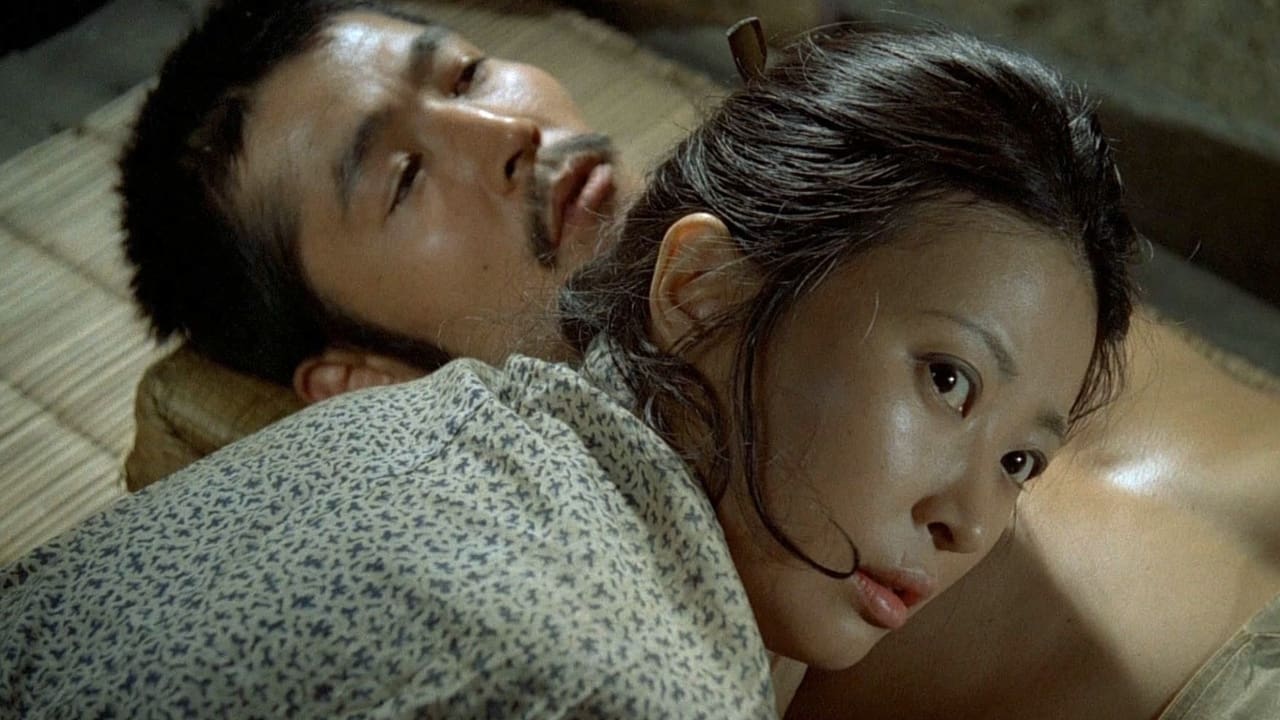
Set in a remote Japanese village in 1895, the story feels almost primal. Seki (Kazuko Yoshiyuki), the older wife of a poor rickshaw driver, Gisaburo (Takahiro Tamura), finds herself drawn into a consuming affair with a younger former soldier, Toyoji (Katsuo Nakamura). Their passion isn't depicted with the ecstatic abandon of Oshima’s previous work; instead, it’s fraught with desperation, a frantic coupling in the shadows, driven as much by circumstance as genuine affection. The pivotal decision they make – to murder Gisaburo and dispose of his body down a well – isn't a moment of liberation, but the forging of an inescapable chain. It’s this act, born of whispered plans and grim determination, that sets the stage for a uniquely chilling exploration of consequence.
Oshima, ever the provocateur but also a master craftsman, builds the tension not through shock value, but through meticulous detail and oppressive atmosphere. You feel the weight of the humid air, the isolation of the village, the constant fear of discovery simmering beneath the surface of everyday life. The murder itself is brutal, clumsy, and deeply unsettling, devoid of any glamour. It’s the mundane horror of it all that sticks with you.
### The Ghost in Broad Daylight
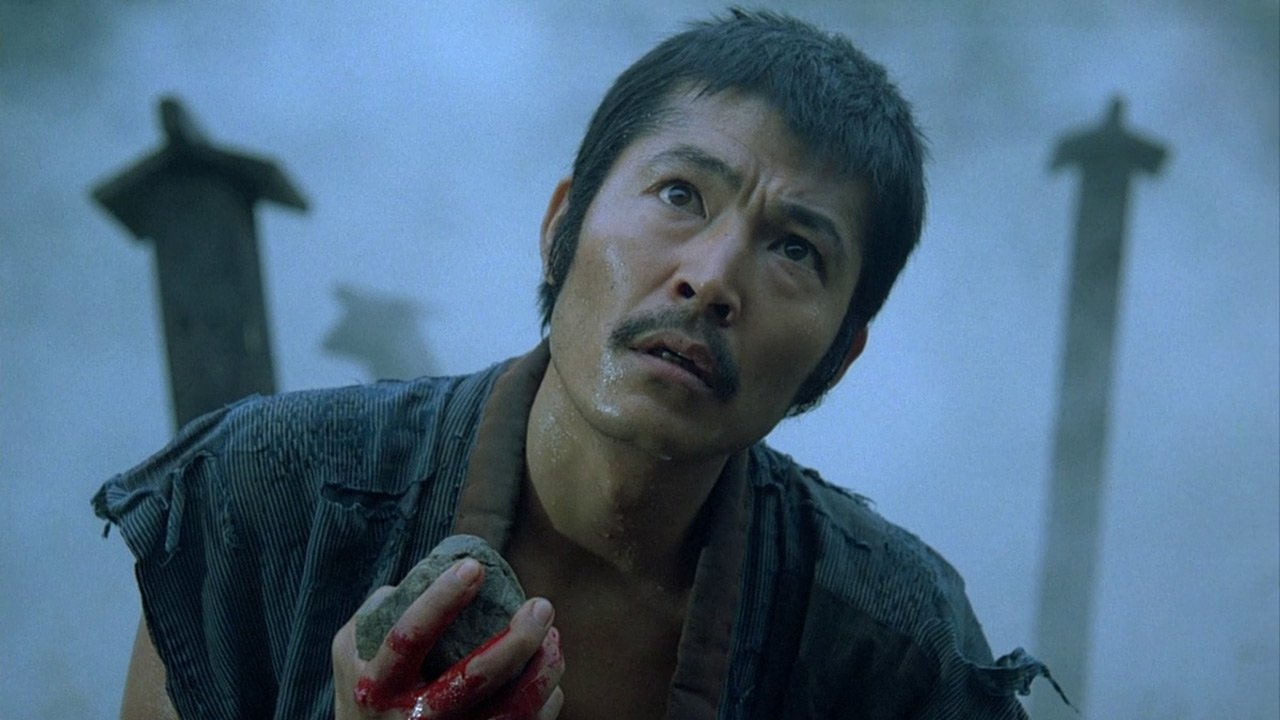
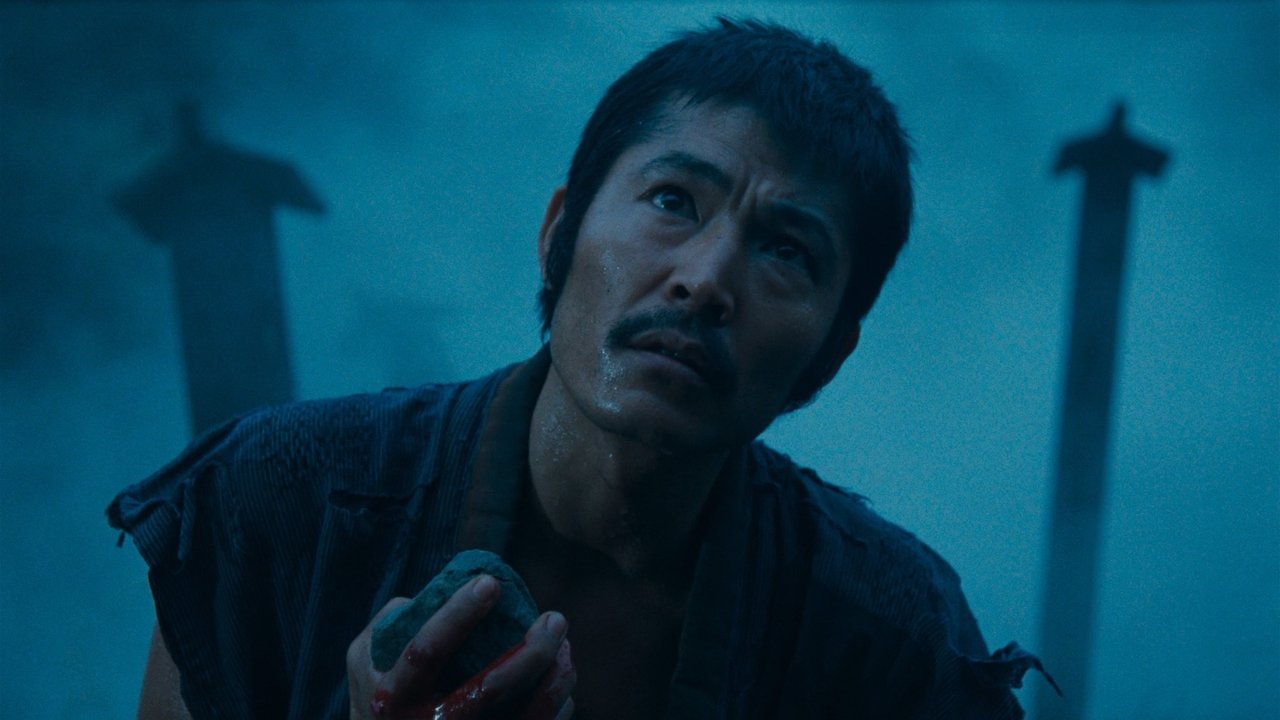
What truly distinguishes Empire of Passion is its seamless integration of the ghost story, the kaidan, into this narrative of crime and punishment. Three years after the murder, Gisaburo’s spectral form begins to appear, not just as a fleeting nighttime apparition, but often in the harsh light of day, interacting, questioning, silently tormenting Seki and Toyoji. He isn't necessarily seeking vengeance in the traditional sense; his presence feels more like a physical manifestation of their festering guilt, an unwelcome observer to the crumbling façade of their lives. Takahiro Tamura portrays the ghost with a quiet dignity that makes him all the more unnerving – he’s a constant, unavoidable reminder of their sin.
This choice elevates the film beyond a simple crime drama. Is the ghost real, or a shared delusion born of paranoia and guilt? Oshima leaves it ambiguous, suggesting perhaps that the psychological weight of their actions has torn a hole in reality itself. The supernatural elements feel earned, growing organically from the characters' internal turmoil rather than being imposed for cheap scares.
### Performances Forged in Fire
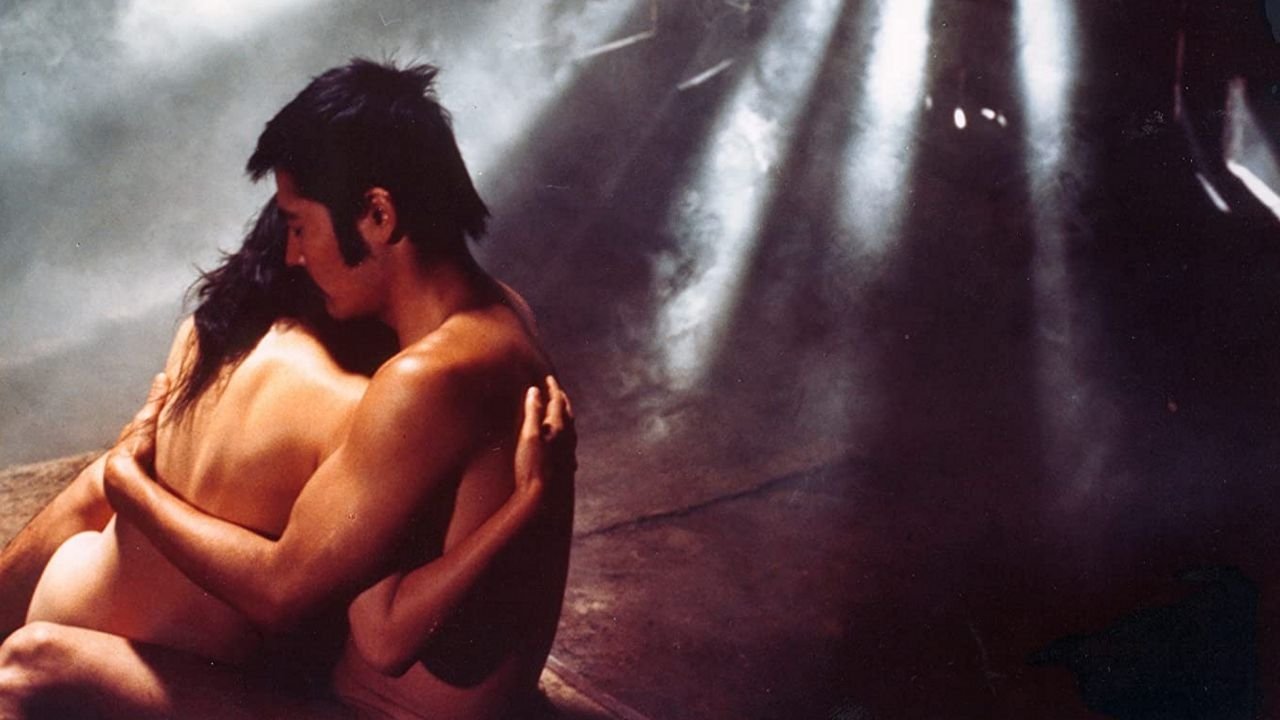
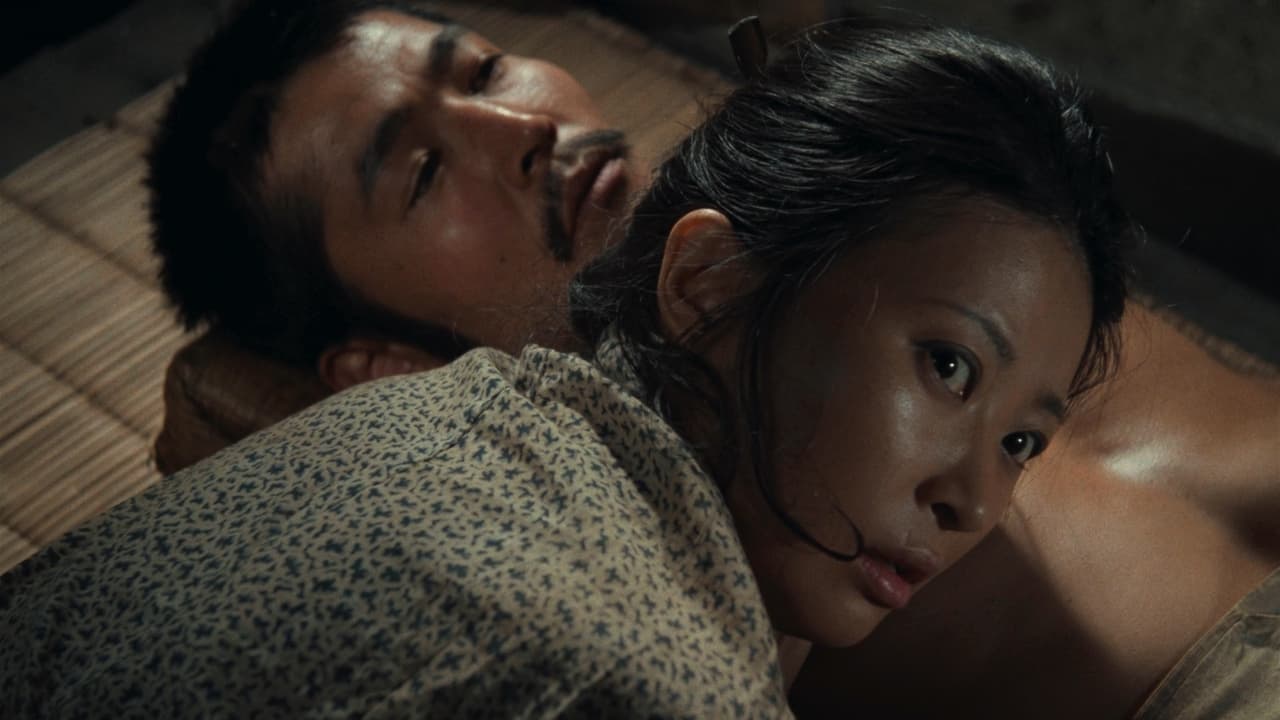
The film rests heavily on the shoulders of its central trio, and they deliver performances of raw, unvarnished power. Kazuko Yoshiyuki is devastating as Seki. Her face becomes a landscape of conflicting emotions – desire warring with fear, maternal duty clashing with desperate longing, and finally, the soul-crushing weight of her inescapable guilt. There’s a scene where she simply breaks down weeping, not out of remorse, perhaps, but sheer exhaustion from the burden she carries, and it's utterly heartbreaking.
Katsuo Nakamura as Toyoji embodies a different kind of torment. His initial confidence curdles into paranoia and resentment. He’s trapped not only by his crime but by the older woman he conspired with, their shared secret becoming a cage. The dynamic between Yoshiyuki and Nakamura is electric, capturing the way passion can sour into toxic dependency when rooted in such darkness.
### Oshima's Vision and Legacy
It's fascinating to note that Empire of Passion, like In the Realm of the Senses, was produced with French financing, allowing Oshima freedoms he might not have had within the stricter confines of the Japanese studio system at the time. This independence is palpable in the film’s uncompromising vision. While based on a novel by Itoko Nakamura which itself drew from a real-life incident, Oshima shapes the material into a powerful statement about the destructive nature of unchecked desire when bound by societal constraints, and the inescapable nature of guilt.
His masterful direction earned him the Best Director award at the 1978 Cannes Film Festival (an honour he shared with Jerzy Skolimowski for The Shout), a testament to the film's artistic merit beyond its controversial subject matter. The cinematography by Yoshio Miyajima deserves special mention, capturing both the lush, suffocating beauty of the rural landscape and the stark, claustrophobic interiors where secrets fester.
For those of us digging through the shelves of our local video stores in the 80s and 90s, finding a film like Empire of Passion felt like unearthing something potent and forbidden. It wasn't the easily digestible Hollywood fare; it was challenging, unsettling, and lingered long after the tape rewound. It demanded attention and contemplation, a stark contrast to its more explicit predecessor, proving Oshima's versatility and depth as a filmmaker.
Rating: 9/10
Empire of Passion fully earns this high score through its masterful blend of genres, the hauntingly authentic performances, Nagisa Oshima's assured and atmospheric direction, and its profound exploration of guilt's corrosive power. It avoids the potential sensationalism of its premise, opting instead for a deeply unsettling psychological and supernatural slow burn. It’s a film that seeps under your skin, less concerned with shocking the senses than with chilling the soul.
What lingers most, perhaps, isn't the crime or even the ghost, but the crushing weight of consequence, beautifully, terrifyingly rendered. A true gem of world cinema, and a powerful reminder of Oshima's unique, unflinching gaze.