The rubble remembers. Before the gentrified condos and artisanal coffee shops, parts of New York City felt like forgotten ruins, monuments to neglect. And in those shadows, something watched. That's the chilling bedrock of Michael Wadleigh's 1981 urban nightmare, Wolfen. Forget cozy late-night creature features; this film sinks its teeth into a primal, unsettling dread that lingers long after the VCR whirs to a stop. It wasn't just another monster movie flickered onto the Magnavox – it felt disturbingly plausible, rooted in the decay we saw on the nightly news.
### Predators in Plain Sight
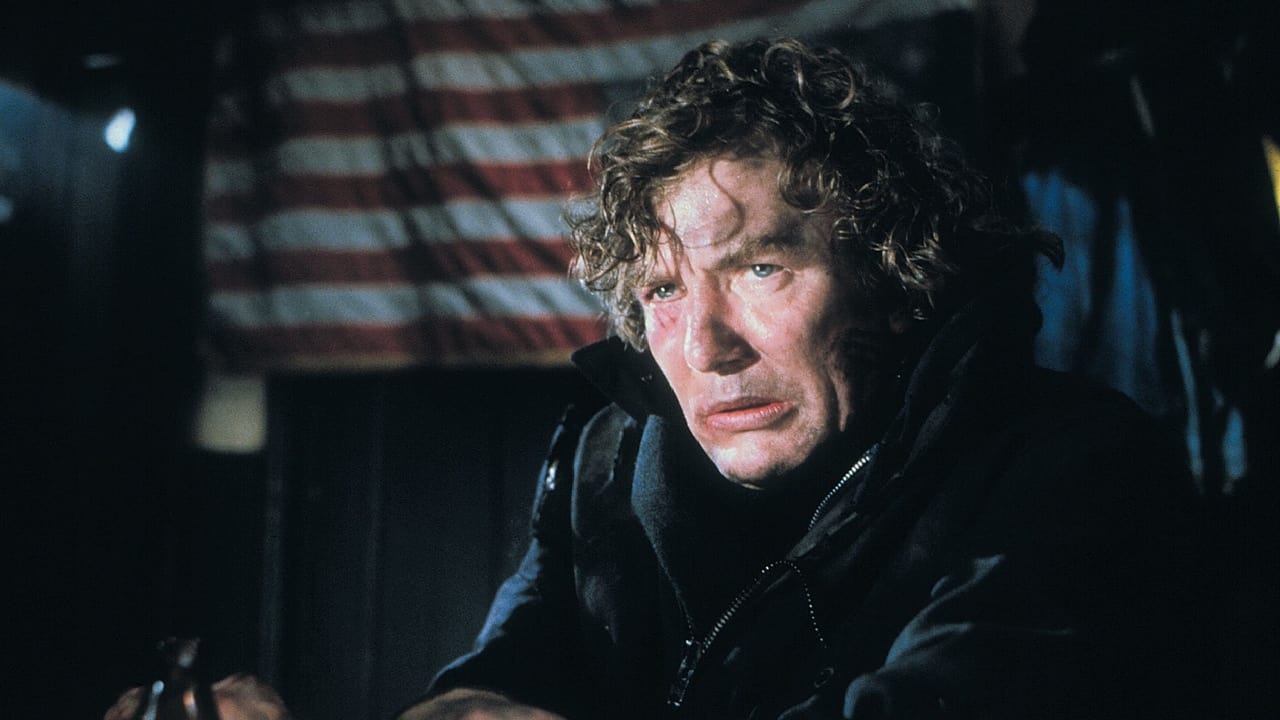
The film drops us into the weary shoes of Dewey Wilson (Albert Finney), a former NYPD hotshot brought back to investigate a series of bizarre, savage murders tearing through the city's elite and its forgotten underbelly alike. Partnered with the sharp criminal psychologist Rebecca Neff (Diane Venora), Wilson finds himself confronting deaths so brutal they defy conventional explanation. These aren't random acts of violence; they're calculated, impossibly swift, leaving behind victims shredded with surgical, non-metallic precision. Finney, who reportedly stepped in after Dustin Hoffman departed the project, brings a wonderfully grizzled cynicism to Wilson. He’s a man who’s seen the worst of humanity, but this… this is something else entirely.
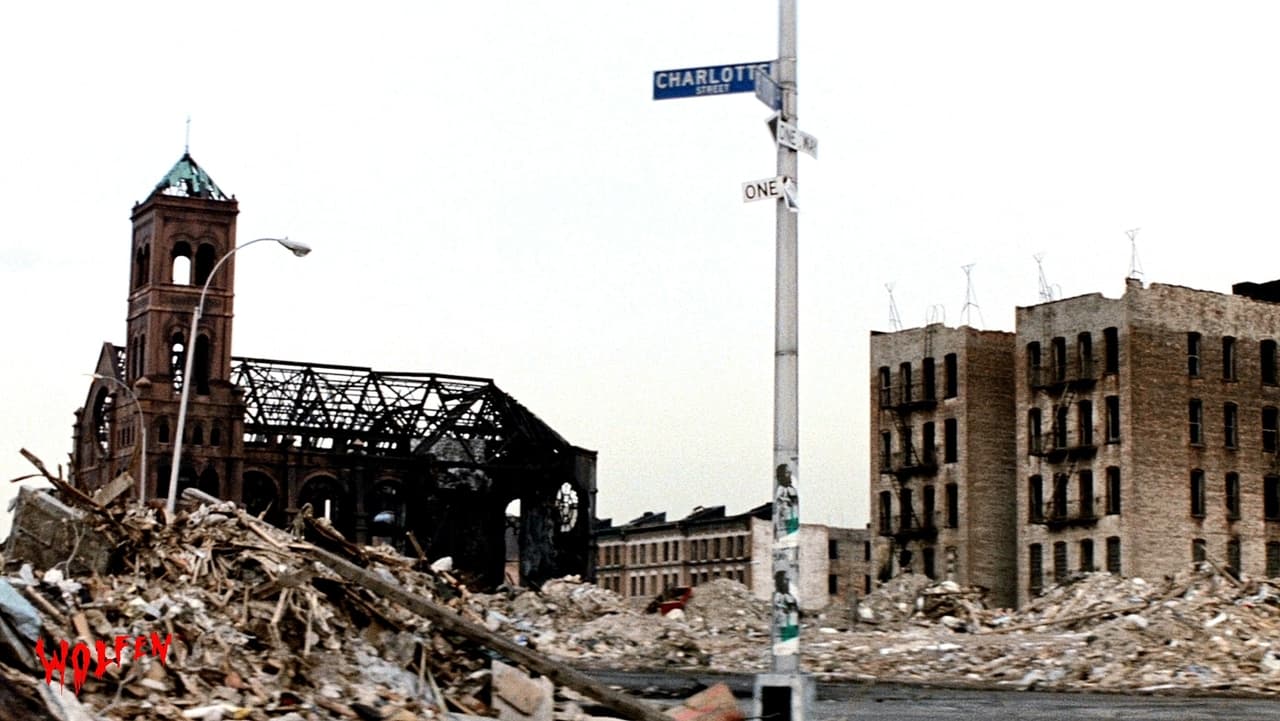
Wadleigh, perhaps surprisingly best known for directing the seminal concert documentary Woodstock, crafts an atmosphere thick with paranoia and urban decay. The cinematography captures a New York teetering on the edge – the bombed-out landscapes of the South Bronx juxtaposed with the sterile luxury of Manhattan high-rises. It's a city ripe for predators, and the film masterfully uses its locations, particularly the haunting shell of a derelict church, to amplify the sense of ancient forces reclaiming forgotten territory. There's a patient, deliberate build-up of tension here, relying less on jump scares and more on an encroaching sense of wrongness.

### Through Alien Eyes
What truly set Wolfen apart, and likely burned itself into your memory if you caught it back in the day, was its groundbreaking use of thermographic point-of-view shots. Dubbed the "Alien Vision" effect, this technique, achieved with complex Steadicam rigs and optical processing, allowed us to see the world through the hunters' eyes – a pulsing, heat-sensitive landscape where unsuspecting humans glow like beacons in the dark. Didn't those sequences feel genuinely revolutionary on a flickering CRT? They transformed the familiar urban environment into an alien hunting ground, instantly conveying the intelligence and otherness of the threat without resorting to showing a monster suit prematurely. It’s a visual signature that remains incredibly effective, creating a palpable sense of vulnerability for the human characters.
The nature of the 'Wolfen' themselves is intentionally kept ambiguous for much of the runtime. Based on Whitley Strieber's novel, these aren't werewolves in the traditional sense, but something far older, perhaps hyper-intelligent evolved canids or even something more supernatural, deeply connected to Native American lore. This angle is personified by the intense, almost feral performance of Edward James Olmos as Eddie Holt, a Native American activist who seems to know far more than he’s letting on. Olmos’s rooftop confrontation with Wilson, where he speaks of predators adapting and reclaiming their hunting grounds from humanity's concrete sprawl, is a standout scene, adding a layer of ecological and spiritual commentary that elevates Wolfen beyond simple genre fare. The production reportedly faced challenges achieving the desired look for the actual creatures, relying more on suggestion, sound design, and those terrifying POV shots for maximum impact – a testament to how sometimes less is more in horror.

### A Different Breed of Horror
Wolfen occupies a unique space – part gritty police procedural, part ecological horror, part supernatural thriller. It’s a film more interested in atmosphere and ideas than relentless action, though the attack sequences, when they come, are genuinely savage and unsettling. The score by James Horner, in one of his earlier efforts, contributes significantly to the mood, oscillating between mournful themes and jarring, percussive bursts that underscore the predatory strikes. It’s a thinking person’s creature feature, asking uncomfortable questions about humanity's place in the natural order and the consequences of unchecked urban expansion.
Some might find the pacing deliberately slow compared to modern thrillers, and the central mystery takes its time unfolding. The $17 million budget, substantial for its time, didn't translate into massive box office success (grossing around $10.6 million), suggesting it might have been too unconventional for mainstream audiences expecting a straightforward monster mash. Yet, its influence can be felt in later films that explored similar themes of urban predation and unique creature perspectives. My own well-worn VHS copy, rented countless times from the local video store, always felt like discovering a hidden gem – darker, smarter, and more atmospheric than much of its B-movie shelf-mates.
---

VHS Heaven Rating: 8/10
Wolfen earns its high marks for its suffocating atmosphere, Finney's compelling lead performance, its genuinely innovative visual approach (those POV shots!), and its ambitious blend of genres. It avoids easy answers and cheap scares, opting for a creeping dread and thematic depth that resonates. While the pacing might test some viewers and the creature reveals are perhaps less impactful than the build-up, the film's intelligence and unique vision shine through.
It remains a potent piece of early 80s paranoia, a chilling reminder that even in the heart of civilization, ancient hungers can persist, watching from the shadows we created. A truly distinctive slice of eco-horror that still feels unsettlingly relevant today.