The screen flickers, the tracking lines waver for a moment, and then the familiar, slightly worn visuals of an early 80s chiller settle in. But there's nothing comforting about Incubus. From its opening frames depicting an idyllic small town shattered by inexplicable violence, there's a palpable sense of wrongness, a chill that goes deeper than mere jump scares. This isn't haunted house fun; it’s a grimy, uncomfortable descent into something primal and violating.
Small Town Nightmare
Directed by John Hough, a filmmaker who certainly knew his way around suspense after giving us the genuinely unnerving The Legend of Hell House (1973), Incubus plunges us into the seemingly peaceful community of Galen. But peace is the last thing on anyone’s mind. A series of brutal sexual assaults grips the town, leaving victims traumatized and describing an assailant of impossible strength and terrifying appearance. Dr. Sam Cordell, played with weary gravitas by the legendary John Cassavetes, finds himself drawn into the heart of the darkness, suspecting the attacker might be something far older and more monstrous than human.
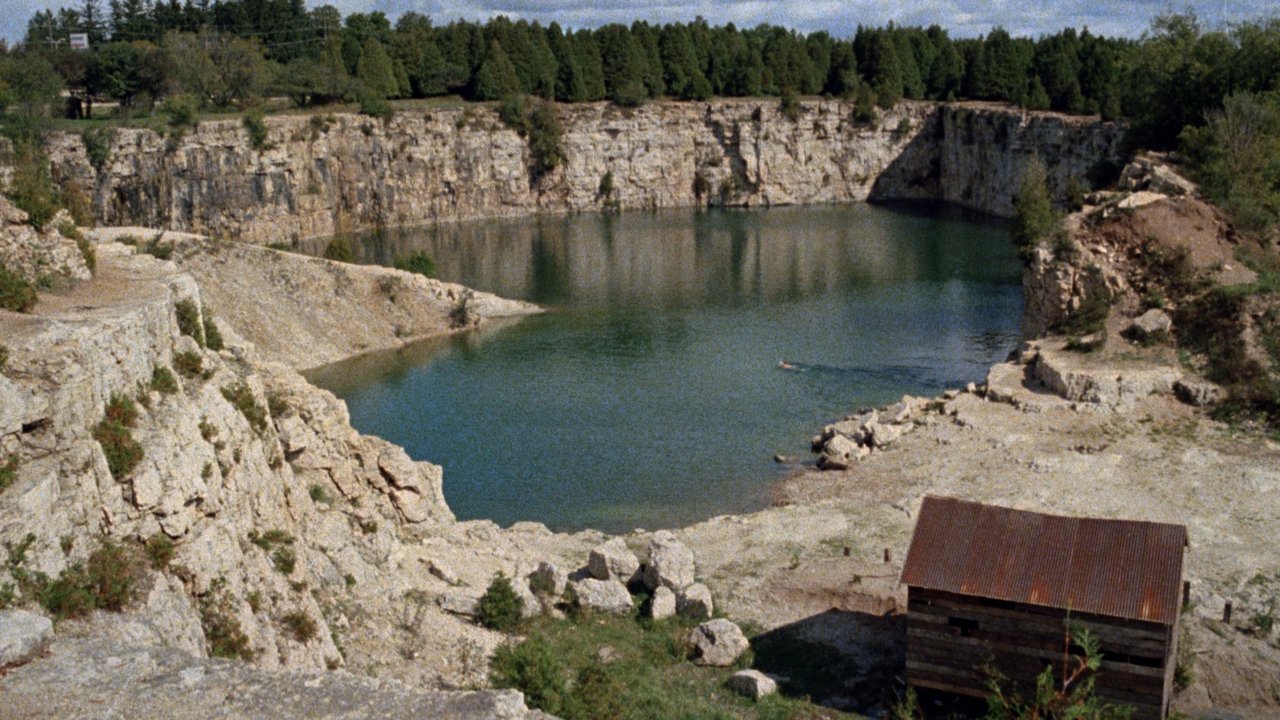
The atmosphere Hough crafts is thick with dread. Shot on location in Ontario, Canada (using towns like Kleinburg and Unionville), the film uses its setting effectively – the quaint streets and isolated houses feel vulnerable, exposed. There’s a damp, overcast quality to the cinematography that mirrors the bleakness of the events unfolding. Stanley Myers' score, while perhaps not as iconic as his work on The Deer Hunter (1978), effectively underscores the mounting tension and the moments of visceral horror, often opting for unnerving drones over traditional stingers.
An Unexpected Presence
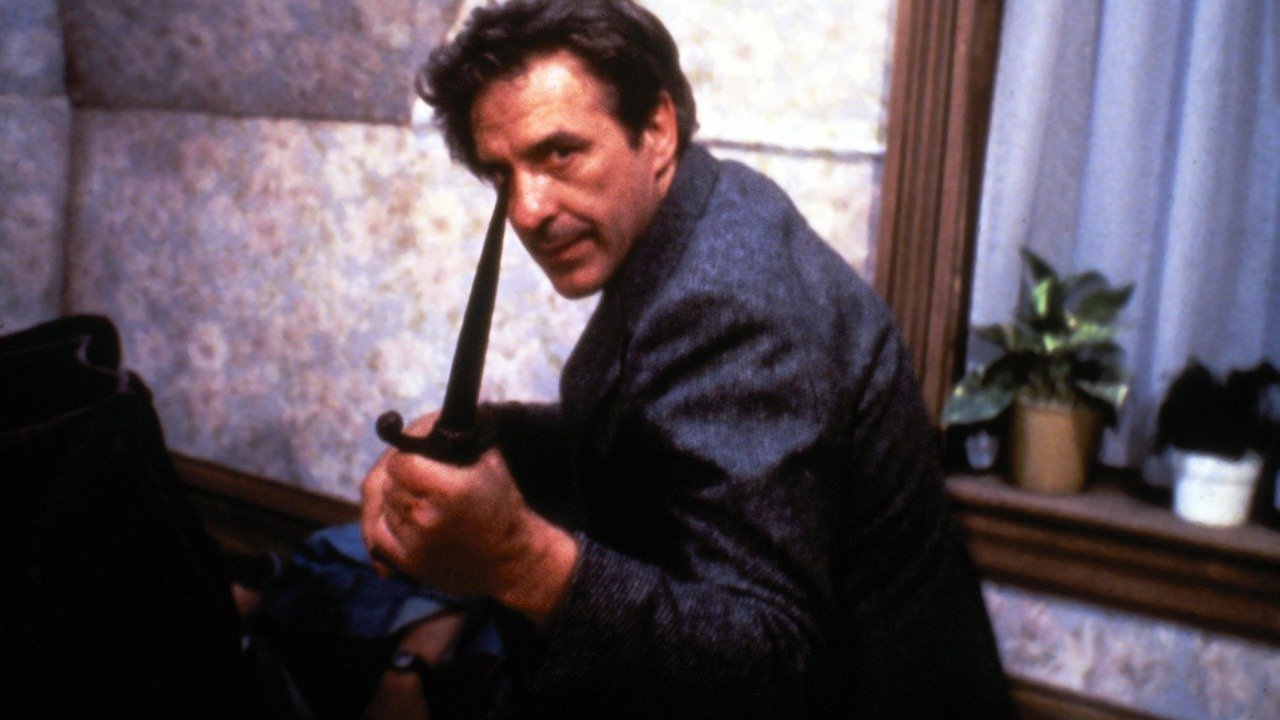
Let's talk about the elephant in the room: John Cassavetes. Seeing the pioneering force behind raw, improvisational masterpieces like A Woman Under the Influence (1974) and Opening Night (1977) anchoring a Canadian supernatural horror film about a sex demon is… jarring. And fascinating. Reports vary on why he took the role – some say it was simply a paycheck to fund his fiercely independent personal projects, others suggest he found something compelling in the weary, intellectual doctor confronting primal evil. Whatever the reason, his presence lends the film a weight it might otherwise lack. Cassavetes doesn't phone it in; he brings his trademark intensity and thoughtful melancholy to Cordell, making the doctor's investigation feel grounded even as the circumstances become increasingly bizarre. He’s ably supported by veteran actor John Ireland as the skeptical sheriff and Kerrie Keane as the town newspaper editor (and Cordell's former flame), who finds herself dangerously close to the truth.
The Unspeakable Attacker
Incubus doesn't shy away from the horrific nature of the assaults. This is where the film treads difficult, often uncomfortable ground. The attacks are depicted with a brutality that was shocking then and remains deeply disturbing now. It’s a key part of the film’s grim power, but also the aspect most likely to alienate viewers. There’s a deliberate, unsettling focus on the violation that borders on exploitation, a common trait in genre films of the era grappling with darker themes. Did that scene where the creature attacks in the high school library leave you feeling cold? It certainly wasn't aiming for subtlety.
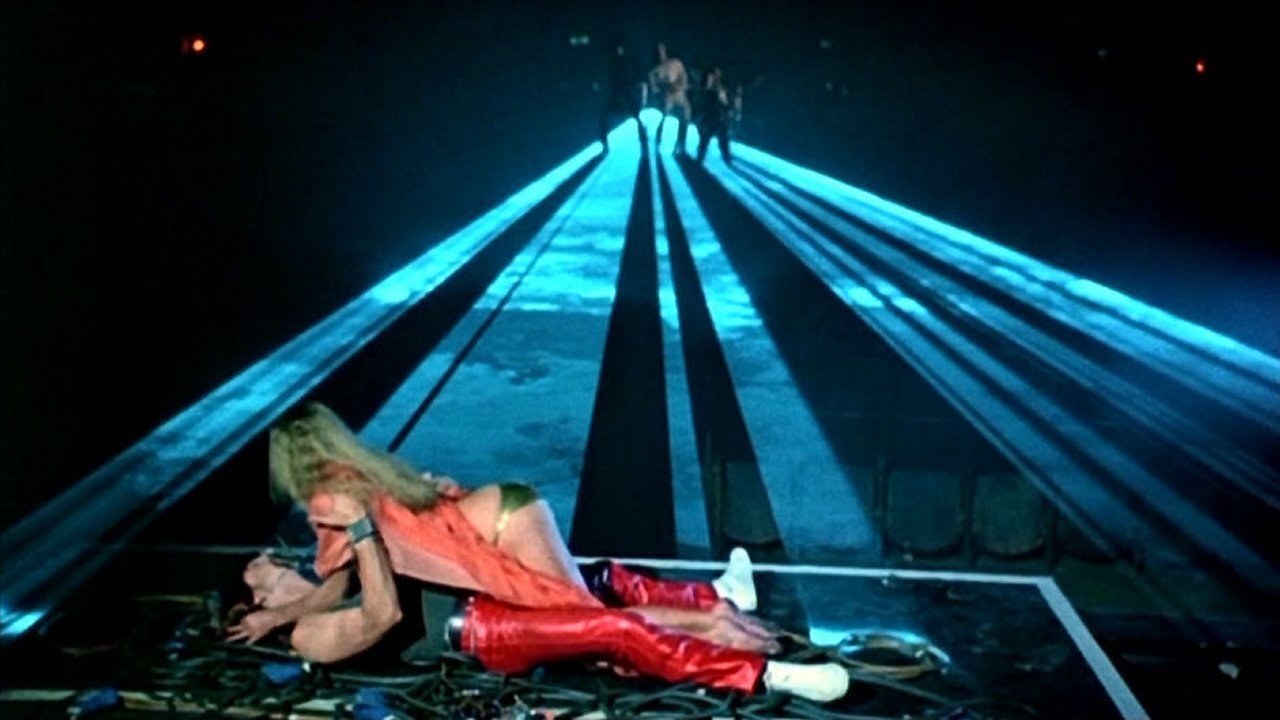
The creature itself, when finally glimpsed more clearly, is a product of its time. The practical effects lean heavily on prosthetics and makeup, aiming for a demonic, reptilian look. Watching it now on worn VHS, it might lack the seamless polish of modern CGI, but there's a tangible, grotesque quality to it that still unnerves. Remember how tangible those monster suits felt back then? There was a disturbing physicality that digital effects often struggle to replicate. George Franklin's script, adapted from Ray Russell's 1976 novel, keeps the audience guessing about the creature's true nature and motivations for much of the runtime, adding layers to the mystery beyond simple monster mayhem.
A Troubled Legacy
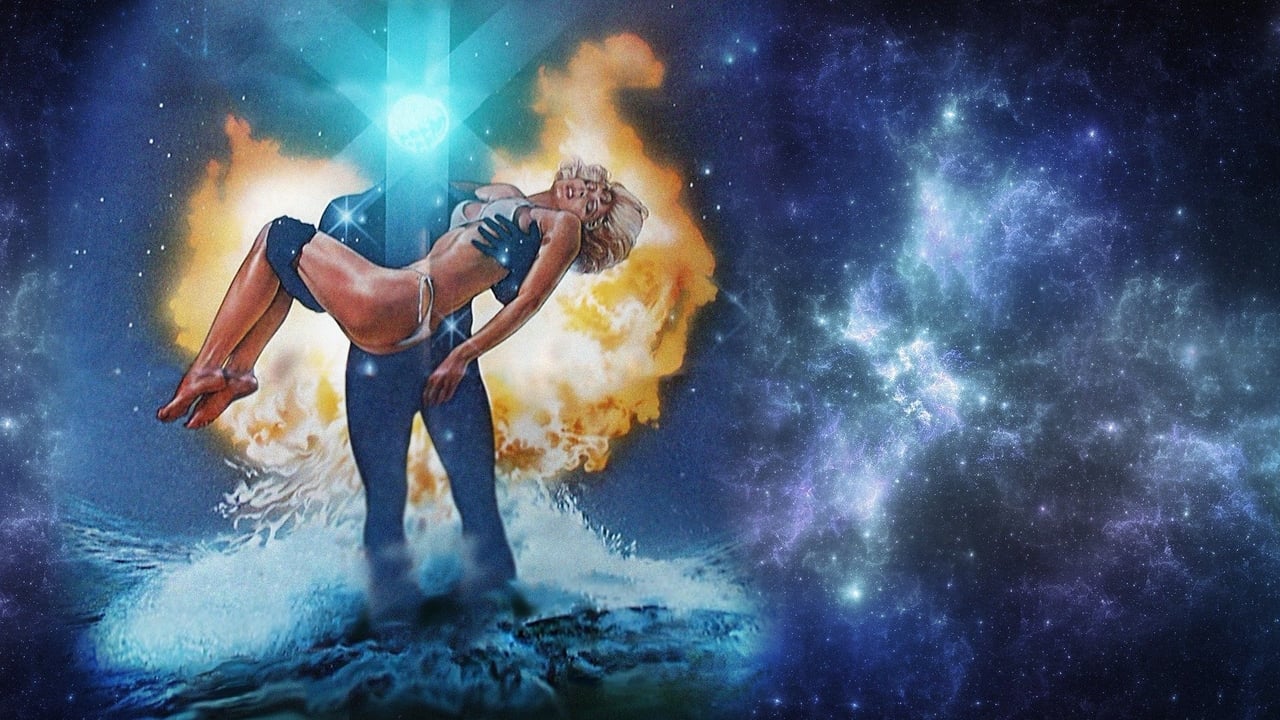
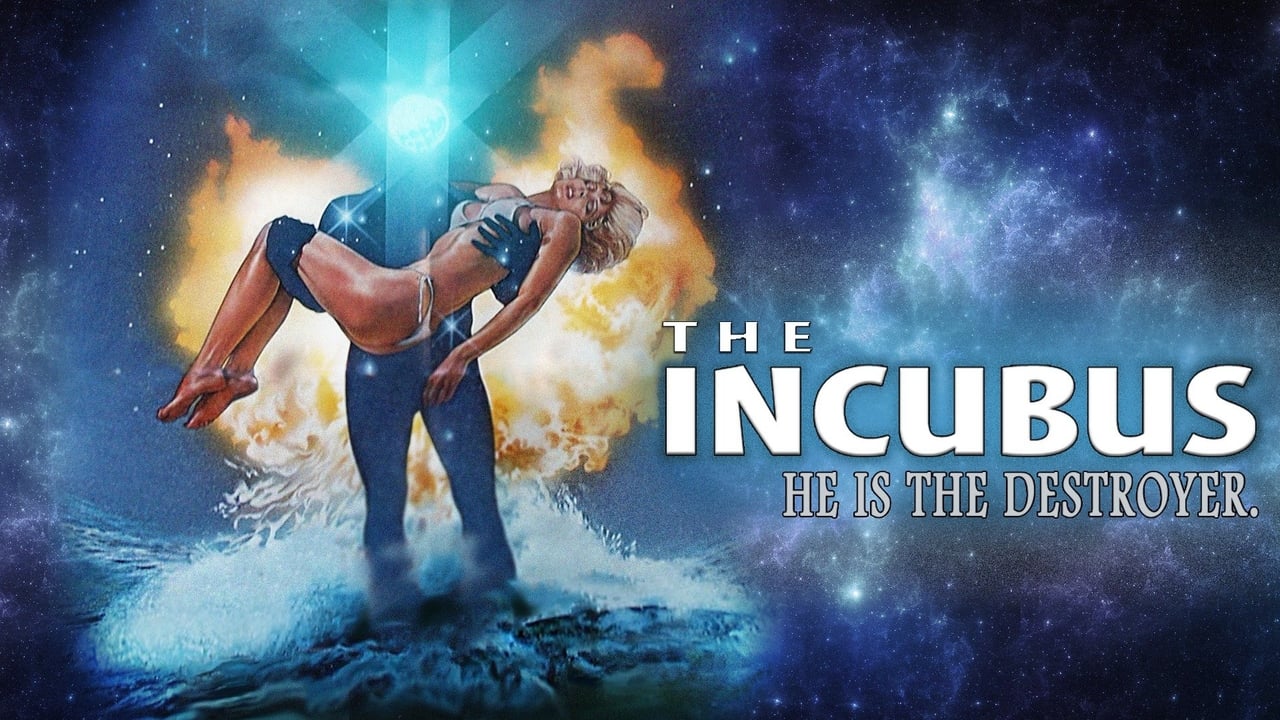
Produced for around CAD $5.2 million, Incubus wasn't a major hit and faced criticism for its graphic content and troubling themes. It never achieved the mainstream recognition of some of its contemporaries, finding instead a quieter, more uneasy place in the annals of 80s horror. It feels like one of those tapes you might have rented on a whim, drawn in by the lurid cover art or the unexpected presence of Cassavetes, only to be left feeling profoundly unsettled afterwards. There are no sequels, no expansive franchise here – just this one bleak, standalone nightmare.
It’s certainly not a feel-good film, nor is it trying to be. It’s a raw, often ugly exploration of violence, fear, and the darkness that can hide beneath a placid surface. The pacing can feel deliberate, even slow at times, focusing more on mood and investigation than relentless action.
***
VHS Heaven Rating: 6/10
Justification: Incubus earns points for its potent, dread-soaked atmosphere, John Hough's capable direction, and the undeniable gravitas John Cassavetes brings to an unexpected role. The core mystery is compelling, and the film doesn't flinch from its dark premise. However, it loses points for its deeply uncomfortable and potentially exploitative handling of sexual violence, its sometimes sluggish pacing, and practical effects that, while tangible, haven't aged perfectly. It's a challenging watch, more disturbing than outright scary.
Final Thought: Incubus remains a fascinating, if deeply flawed, artifact – a grim reminder of how dark mainstream horror could get in the early 80s, and a truly bizarre footnote in the legendary career of John Cassavetes. It’s the kind of film that lingers, not because it's pleasant, but because it dares to stare into an abyss most would rather ignore.