There's a certain kind of hazy, sun-drenched melancholy that Sofia Coppola captured in her directorial debut, The Virgin Suicides (2000), a film that feels less like a straightforward narrative and more like a half-remembered dream, tinged with inexplicable sadness. It arrived just as the VHS era was beginning its slow fade, yet it possesses that tangible, almost tactile quality many of us associate with discoveries made wandering the aisles of the local video store – a cover that promised something beautiful, mysterious, and perhaps a little unsettling. Based on the acclaimed novel by Jeffrey Eugenides, the film doesn't just tell a story; it evokes a feeling, a specific suburban ennui wrapped in the gauzy light of late-70s Michigan.
An Ethereal Gaze
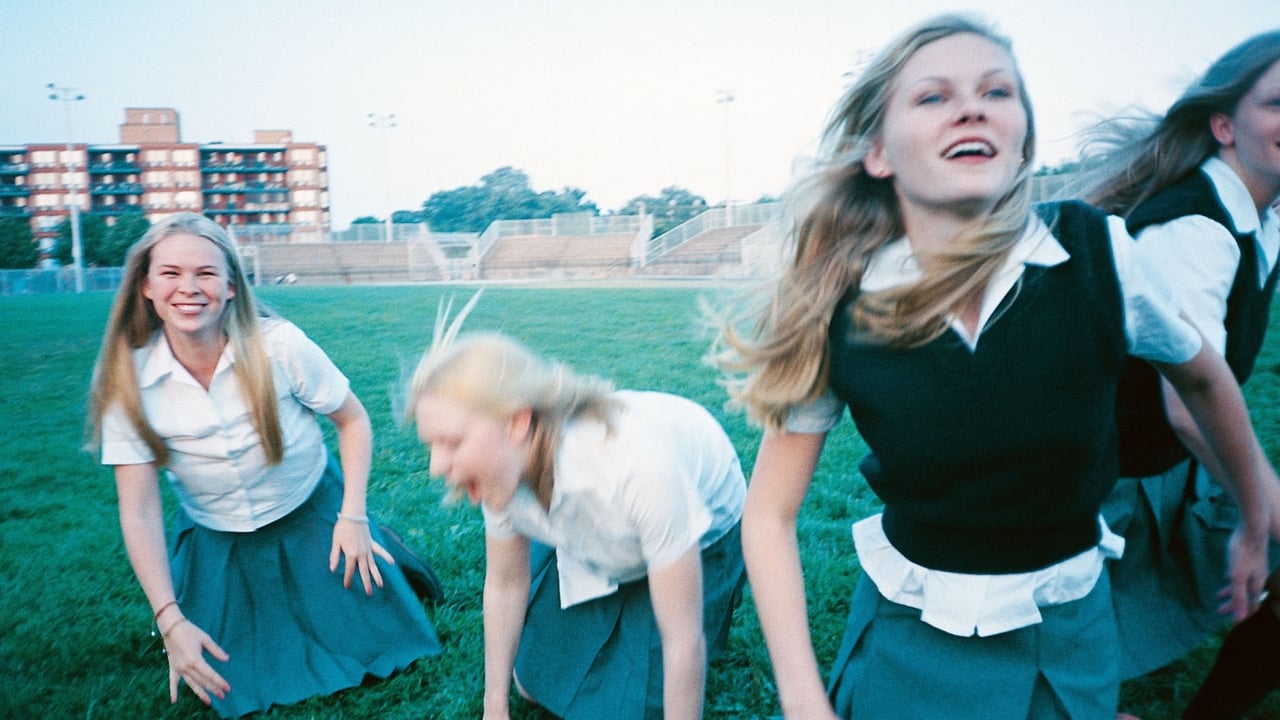
The film is narrated collectively by a group of neighborhood boys, now men, still piecing together the fragments of memory surrounding the five enigmatic Lisbon sisters – Cecilia, Lux, Bonnie, Mary, and Therese. Their perspective shapes the entire experience; we, like them, are perpetually on the outside looking in, observing the girls through binoculars, collecting discarded trinkets like sacred relics, trying desperately to understand the suffocating quietude of the Lisbon household ruled by their devoutly Catholic mother (a stern, almost brittle Kathleen Turner) and passively bewildered father (a perfectly cast James Woods, his usual intensity turned inward to baffled acquiescence). This narrative choice is key – it preserves the mystery, emphasizing the impossibility of truly knowing another person, especially across the chasm of adolescence and gender. We never fully grasp why the tragedy unfolds, only witness its haunting progression through the boys' eternally adolescent, longing gaze.
Atmosphere as Substance
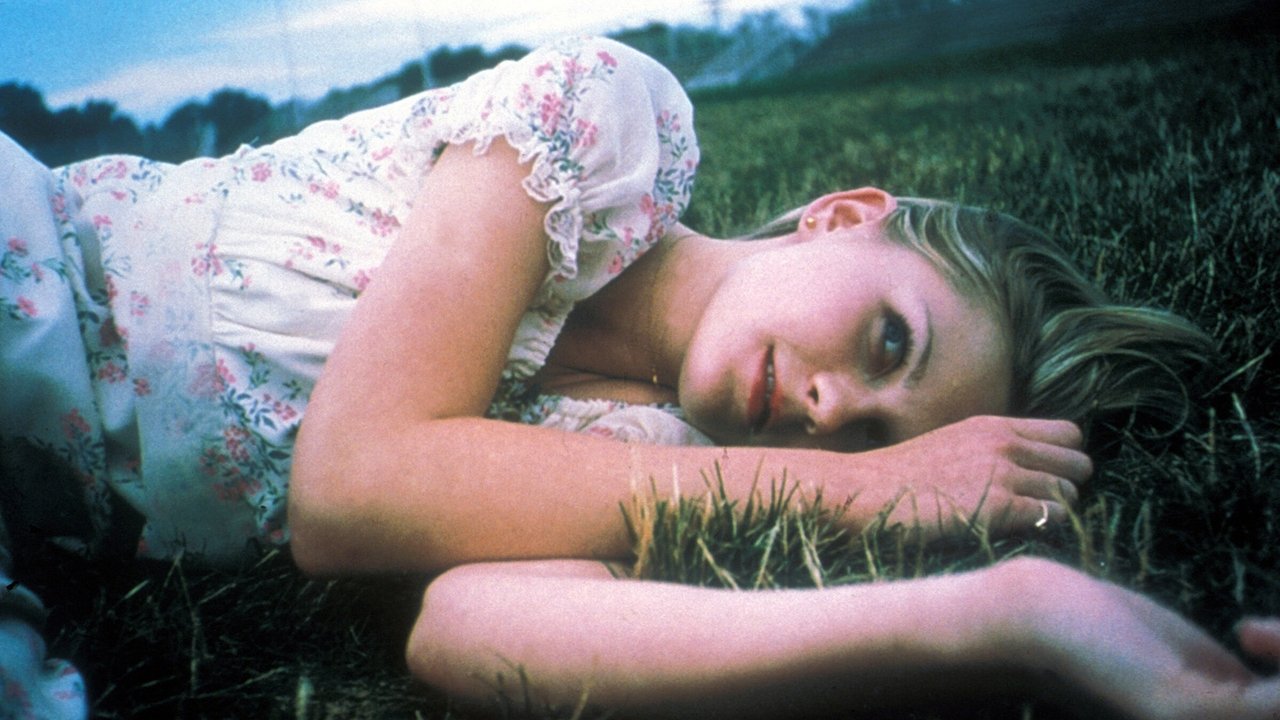
More than plot, The Virgin Suicides thrives on atmosphere. Coppola, aided by Edward Lachman's dreamlike cinematography, crafts a world saturated with soft light, lens flares, and a palette of faded pastels and muted tones. It’s a visual representation of memory itself – beautiful, imperfect, and slightly unreal. The suburban setting, often a symbol of safety and conformity, becomes a gilded cage, its manicured lawns and quiet streets masking a deep well of unspoken despair. The Lisbon house, particularly, transforms from a typical family home into a kind of fortress, then a mausoleum, its interiors growing dimmer and more isolated as the story progresses. This visual storytelling is masterful, conveying the girls' increasing confinement and the stifling nature of their parents' protective grip far more effectively than dialogue ever could. I recall finding the film on the rental shelf, the artwork itself hinting at this blend of innocence and foreboding, a promise of something aesthetically rich but emotionally complex.
The ethereal electronic score by French duo Air is inseparable from the film's identity. It's not just background music; it's the film's heartbeat, pulsing with a cool, melancholic shimmer that perfectly complements the visuals and enhances the sense of detached observation and wistful yearning. It’s one of those soundtracks that instantly transports you back to the film's specific mood, a masterstroke of auditory world-building that felt incredibly fresh at the turn of the millennium.
Whispers of Performance


Kirsten Dunst, as the alluring and rebellious Lux, becomes the focal point for the boys' obsession and the audience's curiosity. She embodies the burgeoning sensuality and simmering frustration of teenage girlhood trapped under oppressive circumstances. It's a star-making performance, capturing both vulnerability and a defiant spark that makes the inevitable all the more poignant. James Woods and Kathleen Turner are also compelling, playing against their often more flamboyant screen personas. Turner finds the humanity beneath the mother's rigid piety, hinting at fear as the root of her control, while Woods portrays the father's helplessness with a quiet resignation that is deeply sad. The ensemble of young actresses playing the sisters create a believable, almost mystical sororal bond, their shared glances and whispered secrets forming a world impenetrable to outsiders.
A Lingering Question
The Virgin Suicides isn't a film that offers easy answers. It doesn't psychoanalyze the girls or definitively explain their actions. Instead, it explores the profound mystery of adolescence, the suffocating weight of expectation, the bewildering nature of depression, and the way memory shapes, and sometimes distorts, our understanding of the past. What does it mean to desire understanding but be perpetually denied it? How do communities process tragedy, especially when its causes remain elusive? The film forces us to sit with these uncomfortable questions, lingering long after the credits roll, much like the boys remain haunted by the girls they could only observe from afar. Coppola, showing remarkable confidence for a first-time feature director (though perhaps unsurprising, given her lineage as the daughter of Francis Ford Coppola, director of classics like The Godfather (1972) and Apocalypse Now (1979)), chose ambiguity over explanation, trusting the audience to feel the weight of the story rather than dissect it clinically.

Rating: 9/10
This near-perfect score reflects the film's masterful control of tone, its stunning visual and auditory atmosphere, and its courage to embrace ambiguity. The performances are resonant, and Coppola's direction announces a singular, confident new voice in cinema. While its deliberately paced, observational style and heavy subject matter might not resonate with everyone, its power lies in its unique ability to capture a specific, melancholic beauty and the enduring ache of unanswered questions. It’s a film that feels less watched and more experienced, a haunting reverie that perfectly encapsulates the ephemeral, often painful, mystery of youth.
The Virgin Suicides remains a poignant, beautifully crafted film that stays with you, a bittersweet memory piece discovered perhaps on a late-era VHS or early DVD, forever reminding us of the profound, sometimes tragic, unknowability of others.