It starts with whispers and secrets, doesn't it? That strange, intense world of early adolescence, captured here not in the saturated colours we often associate with the 90s, but in stark, revealing black and white. Sofia Coppola's 1998 short film, Lick the Star, doesn't feel like a faded memory from the video store shelf – it wasn't exactly a common rental – but more like something glimpsed late at night on IFC, taped onto a blank Maxell, a raw, intriguing curio that hinted at the distinct voice to come. It drops us right into the hormonal cauldron of seventh grade, where alliances shift like sand and cruelty can wear a disturbingly casual face.
A Poison Plot Brews in Suburbia
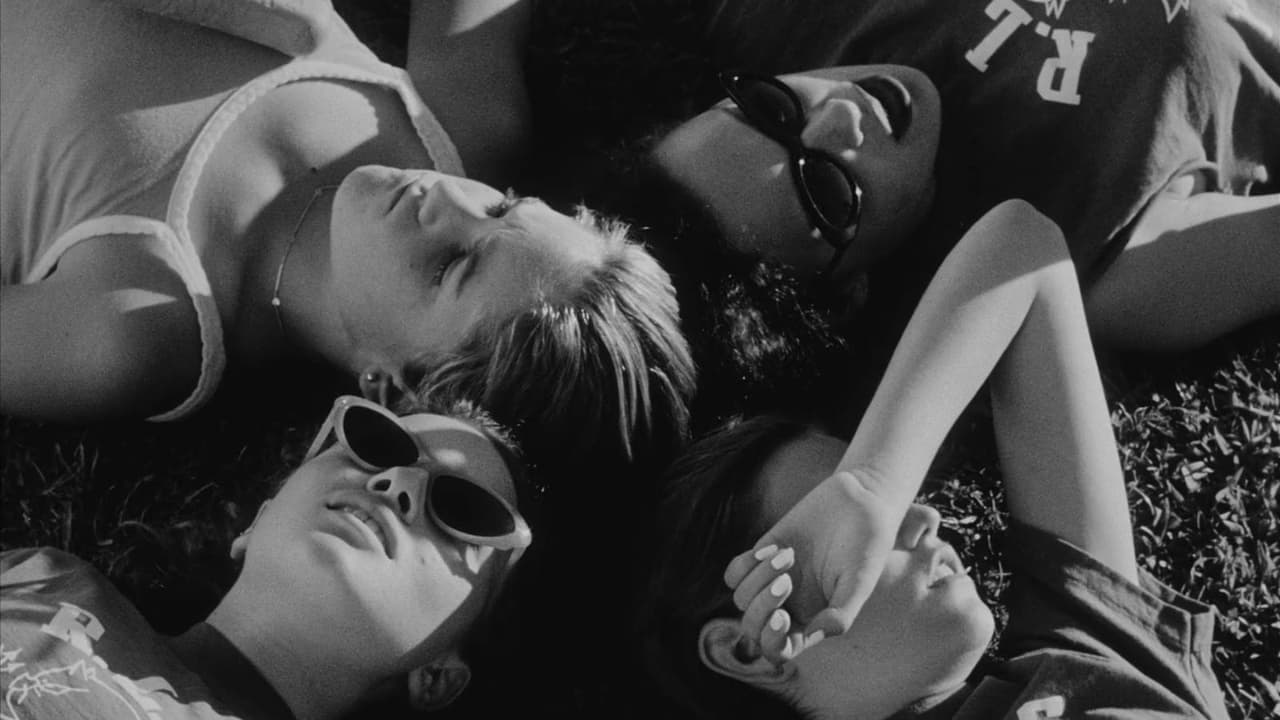
The premise itself is unsettlingly simple, yet speaks volumes about the confusing signals young minds grapple with. Kate (Audrey Heaven), sidelined by a broken ankle, returns to school to find her clique, led by the casually domineering Chloe (Christina Turley), has hatched a plan inspired by a bizarrely potent cocktail: V.C. Andrews' gothic potboiler Flowers in the Attic and, more disturbingly, a misinterpretation of Anne Frank's diary. Their whispered mantra becomes "Kill the boys," and their chosen method involves arsenic, symbolized by stars licked onto their hands. It’s a plot born of boredom, insecurity, and the strange alchemy of misunderstood literature filtered through the lens of adolescent angst. Coppola, even in this early work, shows a fascination with the inner lives of young women, the unspoken tensions, and the environments that shape them – themes she would explore more fully just a year later in her feature debut, The Virgin Suicides (1999).
Grainy Truths in Black and White
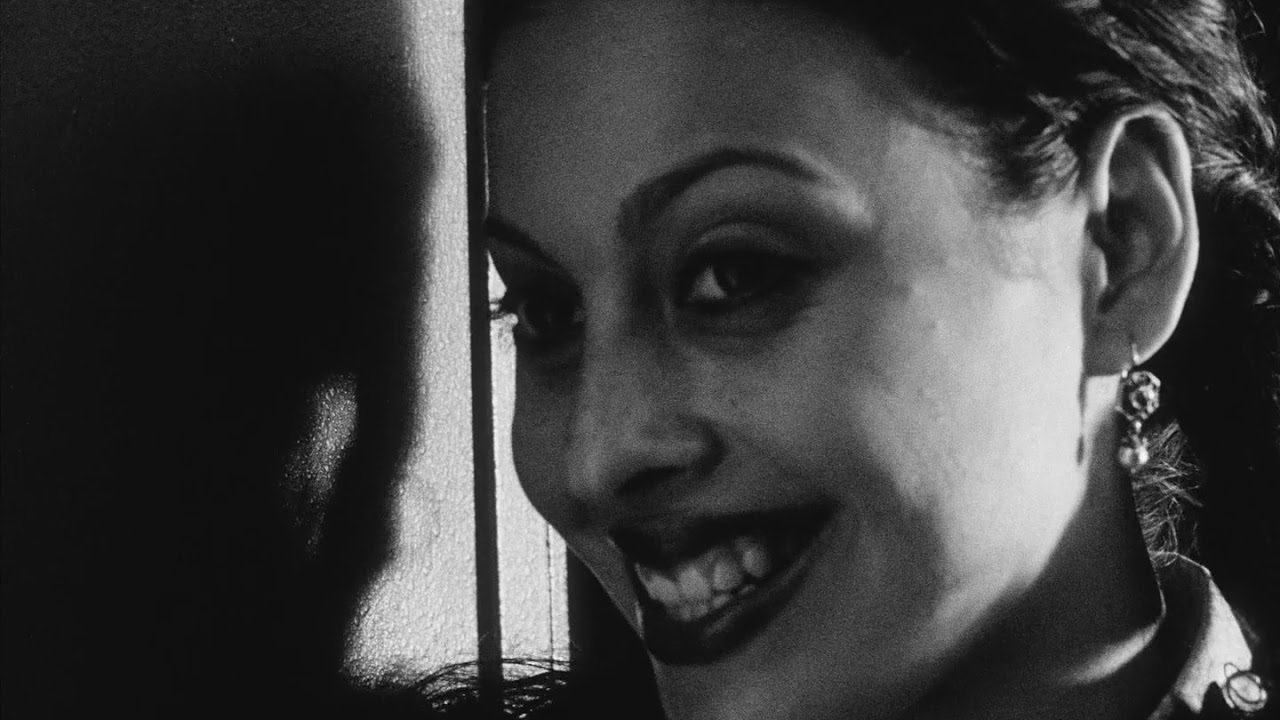
Shot on 16mm film by Lance Acord – who would become a key collaborator on future Coppola projects like Lost in Translation (2003) – the film possesses a lo-fi, almost documentary-like immediacy. The black and white isn't just an aesthetic choice; it strips away distractions, focusing our attention on the shifting expressions, the furtive glances, the raw emotions simmering beneath the surface. It feels authentic to the period, less about polished nostalgia and more about capturing a specific, often uncomfortable, truth about growing up. The soundtrack, featuring quintessential 90s indie sounds from bands like Free Kitten and The Amps (featuring Kim Deal of Pixies and The Breeders fame), further grounds it in that specific late-decade moment. It wasn’t aiming for broad appeal; it felt personal, observational.
Seeds of a Style
Watching Lick the Star now feels like finding an early sketch by a master painter. The preoccupations are already there: the focus on female camaraderie and cruelty, the atmospheric drift, the interest in how environment reflects internal states. The performances from the young, largely unknown cast feel remarkably unforced. Christina Turley embodies Chloe's casual tyranny with unnerving accuracy – she’s not a moustache-twirling villain, but a recognizably insecure girl wielding power clumsily and cruelly. Audrey Heaven as Kate perfectly captures the feeling of being on the outside, trying to regain footing in a social landscape that’s shifted beneath her. There’s even a fun bit of trivia for cinephiles: the school principal trying to manage the fallout is played by none other than legendary director Peter Bogdanovich (The Last Picture Show, Paper Moon). Coppola actually filmed this at Tamalpais High School in Mill Valley, California – her own alma mater, adding another layer of personal connection. Reportedly made for a mere $20,000, it’s a testament to making something resonant with limited resources.
More Than Just Teen Angst
What lingers after the brief 14-minute runtime isn't just the shock of the girls' plan, but the chilling accuracy with which Coppola depicts the mechanics of rumour, social exclusion, and the swift, brutal way popularity can curdle. The "Lick the Star" plot dissolves, not through moral awakening, but through gossip and betrayal. The power shifts, the targets change, but the underlying currents of insecurity and the desperate need for belonging remain. It’s a microcosm of social dynamics that, frankly, doesn't entirely disappear after middle school, does it? The film doesn’t offer easy answers or neat resolutions; it simply presents a snapshot, potent and slightly poisonous, of a specific time and place in young lives. It forces us to confront the casual unkindness that often flourishes in seemingly innocuous settings.
Rating: 7/10
This score reflects Lick the Star's effectiveness as a short film and its significance as an early work from a major directorial talent. It’s raw, insightful, and captures a specific adolescent mood with unsettling precision. The low-budget, grainy aesthetic works entirely in its favour, and the performances feel authentic. It's not polished, nor is it meant to be; its power lies in its directness and thematic resonance. While perhaps not a staple of the average VHS collection, its existence on the fringes of late-90s indie film culture makes it a fascinating find for Coppola admirers and fans of nuanced explorations of youth.
It leaves you with a slightly uncomfortable feeling, a reminder of the sharp edges hidden within the seemingly smooth surfaces of childhood friendships, and a clear signpost towards the rich, atmospheric filmmaking Sofia Coppola would soon master.