There's a certain heavy, humid atmosphere hanging over Inventing the Abbotts, like the air before a summer thunderstorm. It's 1957 in small-town Haley, Illinois, a place where picket fences delineate more than just property lines; they mark the deep chasm between the working-class Holt brothers and the impossibly glamorous, wealthy Abbott sisters. Released in 1997, this wasn't your typical high-gloss teen flick. Watching it back then, maybe rented from Blockbuster on a whim, felt like stumbling onto something quieter, more melancholic, and decidedly more adult in its exploration of tangled desires and buried family secrets.
Small Town, Big Divides
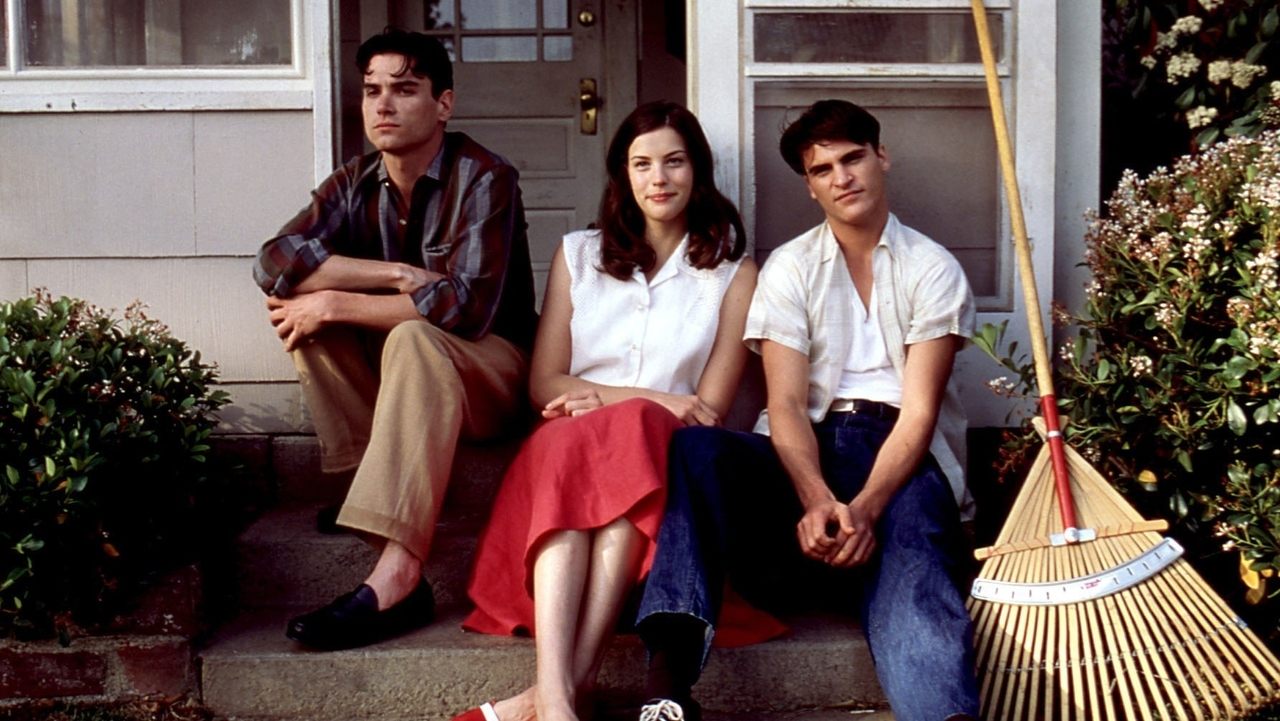
At the heart of the story are Doug and Jacey Holt, portrayed with compelling intensity by Joaquin Phoenix and Billy Crudup. Jacey, the elder brother, is driven by a potent mix of ambition and resentment towards the Abbotts, particularly the patriarch Lloyd (a coolly authoritative Will Patton). Jacey believes Lloyd cheated their late father out of a patent, fueling a desire to possess not just the Abbotts' status, but their daughters as well. Doug, sensitive and observant, watches his brother's machinations with growing unease, navigating his own complex feelings, especially his burgeoning, tender love for the youngest Abbott daughter, Pamela (Liv Tyler). The tension between the brothers – Crudup's coiled charisma versus Phoenix's soulful vulnerability – forms the film's volatile core.
The Allure of the Abbotts
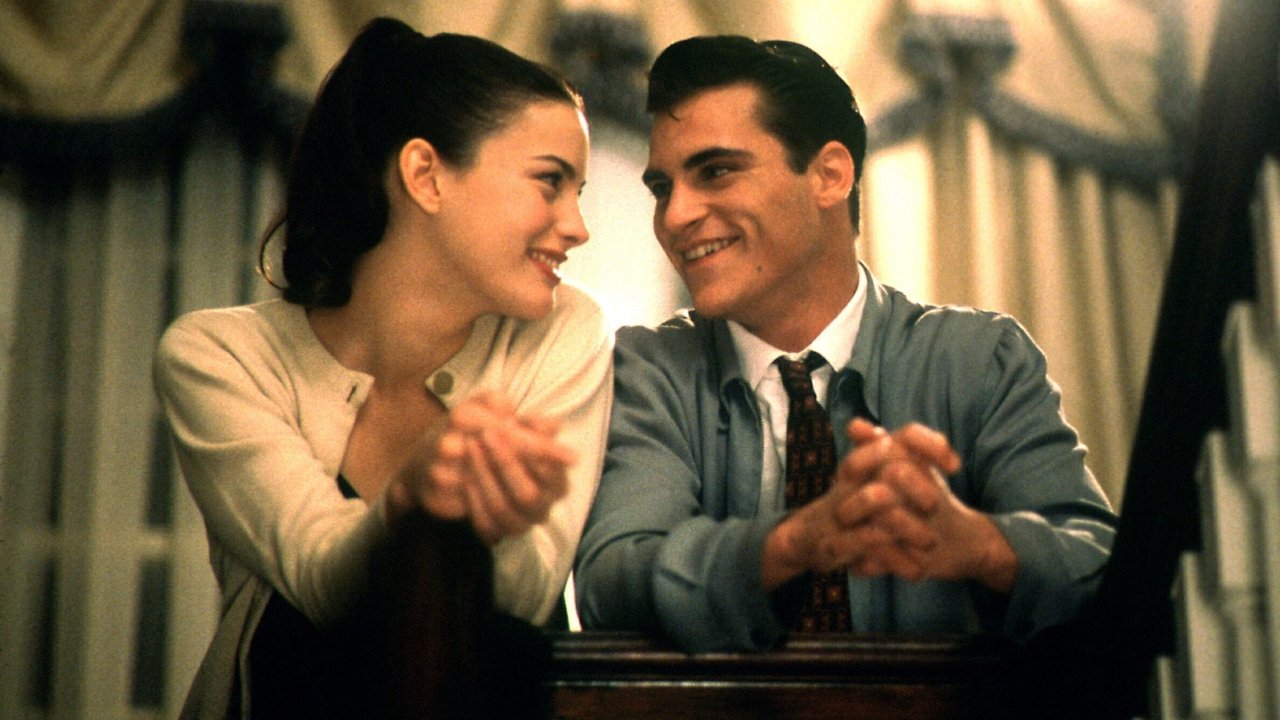
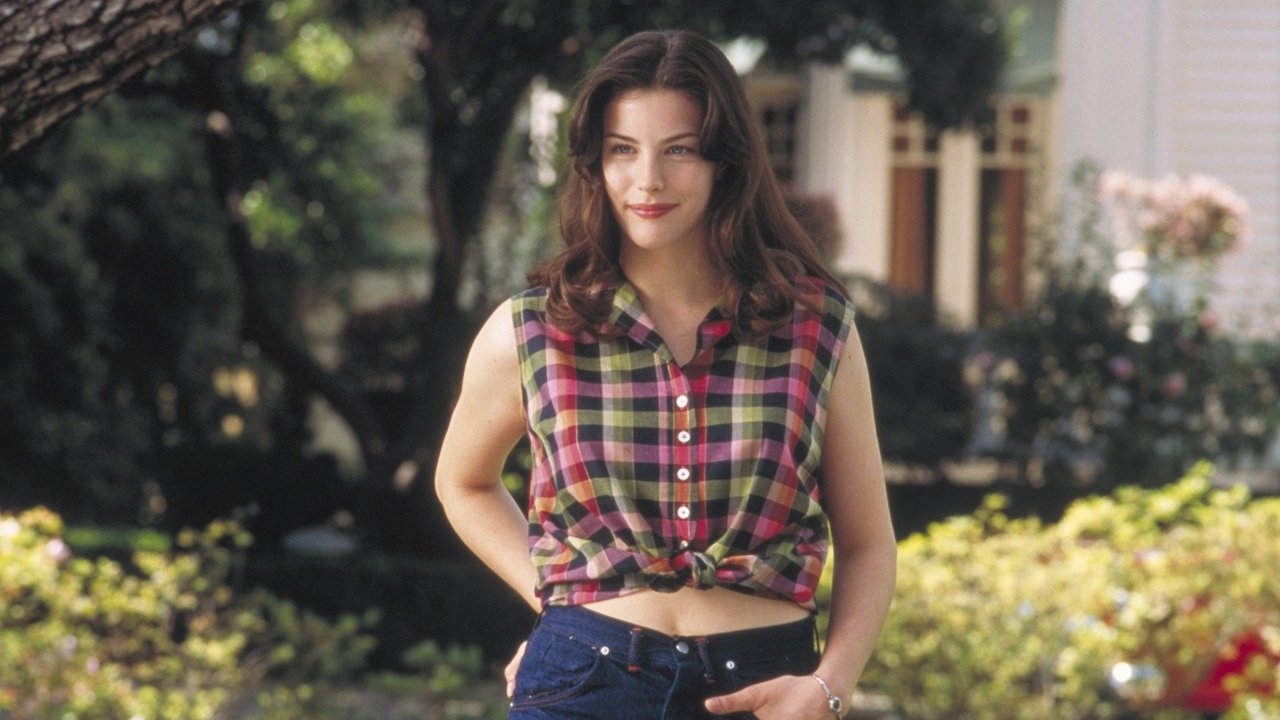
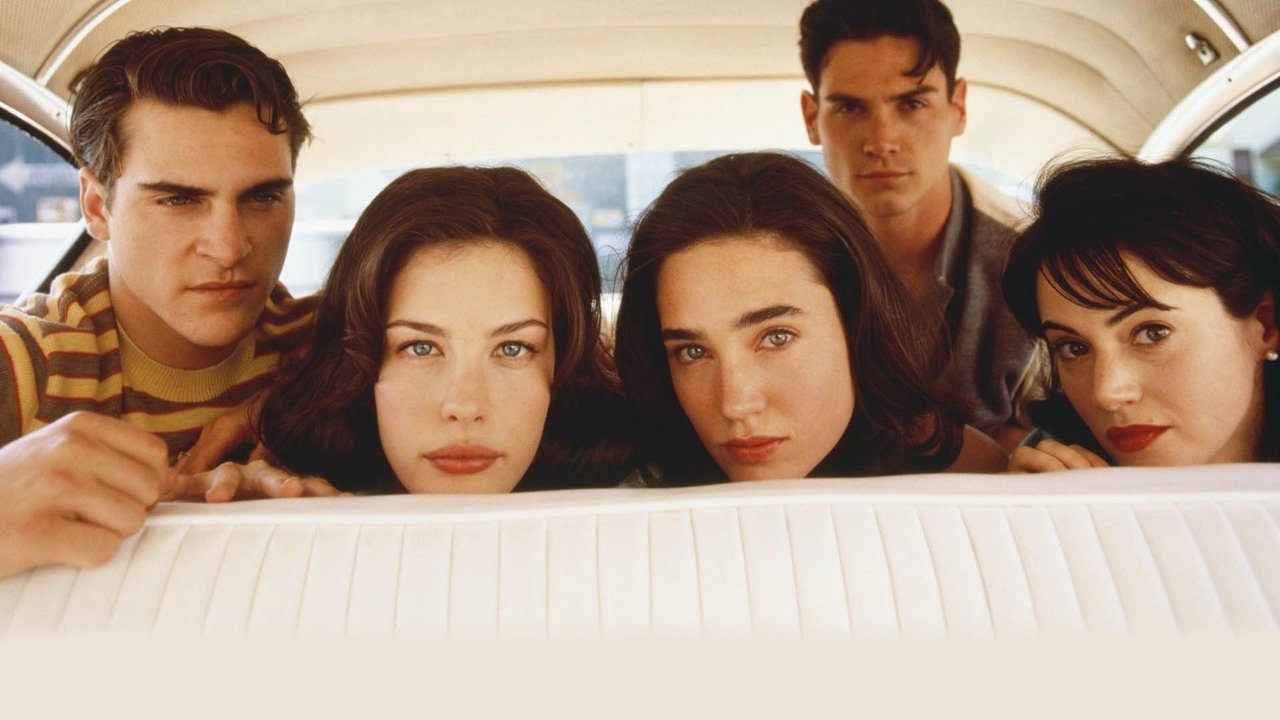
And then there are the Abbott sisters, each representing a different facet of idealized, yet troubled, femininity. Jennifer Connelly smolders as Eleanor, the rebellious "bad girl" who sees through the town's hypocrisy and engages in a fiery, destructive dance with Jacey. Joanna Going plays Alice, the eldest, seemingly serene but carrying her own burdens and past entanglements with Jacey. And Liv Tyler, in one of her most iconic early roles, embodies Pamela's gentle spirit and quiet strength. She’s the perceived innocent, yet possesses an awareness that belies her youth. Watching them navigate their gilded cage, constrained by expectations and their parents' complicated history with the Holts, adds layers of poignant drama. Director Pat O'Connor, who previously helmed the charming Irish romance Circle of Friends (1995), crafts a distinct mood here – less charm, more simmering heat and unspoken longing.
Truth in Performance
What truly elevates Inventing the Abbotts beyond a standard period drama are the performances. This film caught several future stars on the ascent, and their raw talent is palpable. Billy Crudup is magnetic as Jacey, making his sometimes cruel actions understandable, if not excusable, driven by a deep-seated sense of injustice. Joaquin Phoenix, even then, possessed that incredible ability to convey oceans of feeling with just a glance; his Doug is the film's moral compass, his quiet heartbreak resonating deeply. And the chemistry between Phoenix and Liv Tyler? It’s undeniable. It’s little wonder, really – the two famously began dating during the production, a behind-the-scenes spark that translates into a beautifully tentative and believable onscreen romance. Their scenes together have a fragile authenticity that anchors the film's emotional weight. Jennifer Connelly also commands attention, bringing a fierce intelligence and wounded quality to Eleanor.
Inventing the Past: Trivia and Themes
The film, penned by Ken Hixon based on short stories by Sue Miller, delves into the slippery nature of memory and how families construct their own histories – how stories get "invented" to fit a desired narrative. Was Lloyd Abbott truly a villain who stole from the Holts' father, or is that Jacey's self-serving interpretation? The ambiguity lingers, suggesting that truth is often shaded by perspective, resentment, and loss. Interestingly, despite the powerhouse young cast and its thoughtful themes, the film wasn't a major box office success upon release (grossing just under $6 million against a $12 million budget). Perhaps its more measured pace and complex emotional landscape didn't quite align with the mainstream tastes of the late 90s, making it feel like something of a hidden gem now, especially for those of us browsing the drama aisle of the video store back then. It tackles sexuality with a frankness that felt mature for its time, exploring the confusion, consequences, and power dynamics inherent in adolescent relationships without resorting to cheap titillation.
The production design perfectly captures the idyllic facade of the 50s, all pastel colours and chrome, but O'Connor often frames shots through windows or doorways, hinting at the secrets lurking just beneath the surface. It’s a film that understands that nostalgia often papers over uncomfortable truths.
Lasting Impressions
Does Inventing the Abbotts feel a bit familiar in its coming-of-age tropes? Perhaps. The class struggle, the forbidden romance, the loss of innocence – these are well-trod paths. Yet, the execution, particularly the nuanced performances and the pervasive sense of melancholy, makes it stick with you. It doesn't offer easy answers or neat resolutions. Instead, it leaves you contemplating the messy, often painful process of growing up, the legacies families pass down (both wanted and unwanted), and the potent brew of love, envy, and resentment that can define our formative years. It’s a snapshot of a specific time and place, yet its emotional core feels timeless.

Rating: 7.5/10
This score reflects the film's strengths – particularly the outstanding performances from its young cast and its evocative, melancholic atmosphere. It successfully explores complex themes of class, memory, and sexuality with sensitivity. While the narrative occasionally leans on familiar coming-of-age conventions and perhaps could have benefited from slightly tighter pacing in places, its emotional honesty and the sheer talent on display make it a compelling and worthwhile watch, especially for fans of character-driven 90s drama.
It’s a film that reminds us that the dividing lines we draw – between families, between classes, between past and present – are often far more permeable, and far more painful, than they first appear.