Okay, fellow travelers down the magnetic tape memory lane, let's dim the lights, settle into that comfy spot on the couch (the one permanently indented from countless movie marathons), and slide a tape into the VCR. Tonight, we're revisiting a film that might not have screamed from the "New Releases" wall but likely found its way into the hands of discerning renters browsing the drama section, perhaps drawn by its evocative cover or the promise of something real. I'm talking about Alex Sichel's 1997 indie drama, All Over Me.
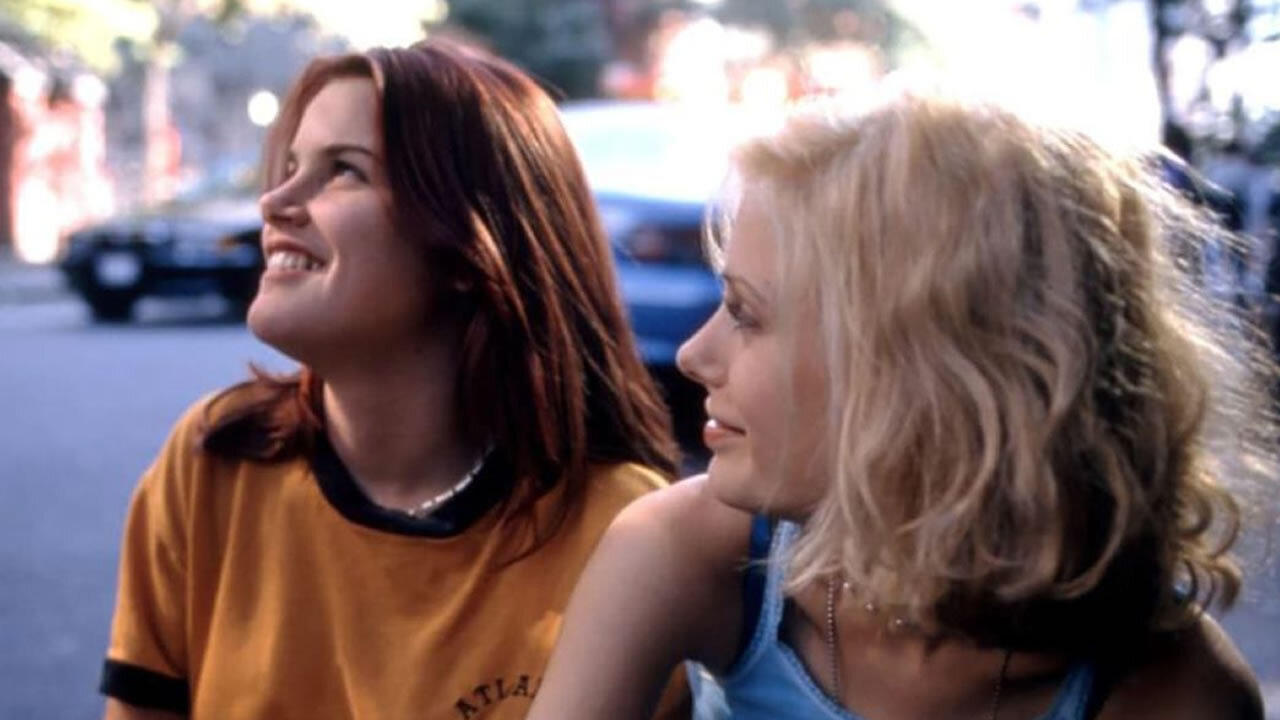
This isn't a film that bursts onto the screen; it sort of seeps in, much like the humid summer haze hanging over its Hell's Kitchen setting. What strikes you immediately, even now, isn't flashy camerawork or explosive action, but the almost suffocating intimacy between its two central characters, Claude and Ellen. It throws you right back into that potent, often confusing, intensity of teenage friendships – the kind where boundaries blur, secrets fester, and the entire world seems to shrink down to the space between you and that one other person. Remember that feeling? All Over Me captures it with a quiet, sometimes painful, authenticity.
Sounds of a Searching Soul
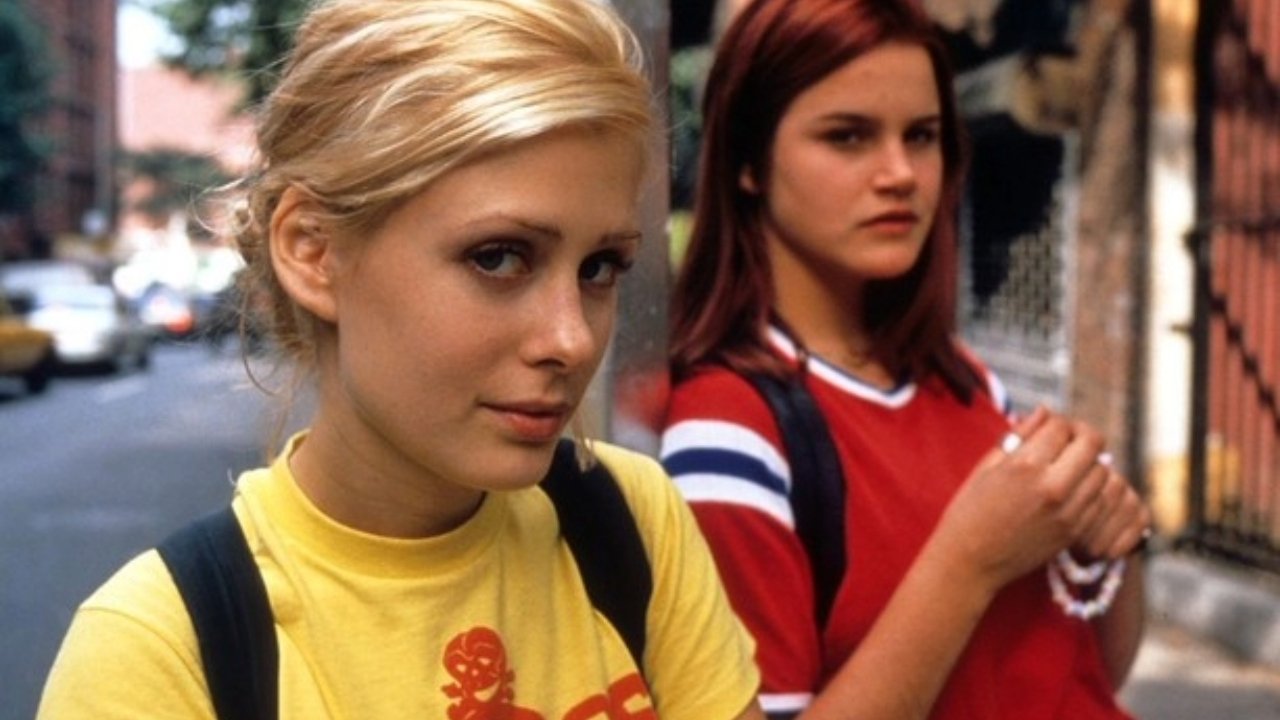
Music isn't just background noise here; it’s practically a character in itself. Claude, played with remarkable interiority by Alison Folland, lives and breathes the sounds of mid-90s alternative and riot grrrl rock. Her headphones are both a shield and a window to her soul, blasting bands like Babes in Toyland, Sleater-Kinney, and Helium. This wasn't just a trendy soundtrack choice; it felt deeply embedded in the film's DNA, reflecting Claude’s burgeoning identity, her simmering frustrations, and her unspoken desires. I recall hearing that securing the rights for such an indie-heavy soundtrack on their modest budget (estimated around $500,000 – pocket change even then!) was a testament to the filmmakers' passion and the resonance the project had within that music scene. It pays off, creating an atmosphere thick with the specific angst and yearning of that era.
A Friendship Under Pressure
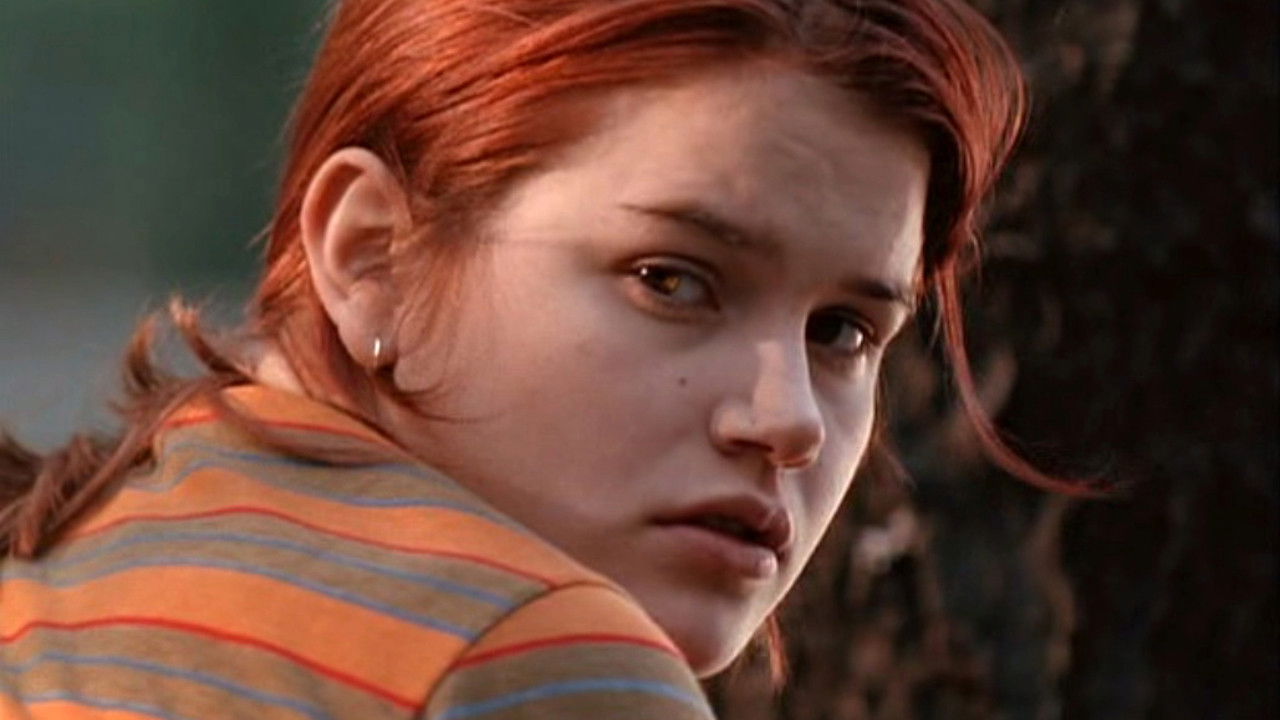
At its core, All Over Me is the story of Claude's painful awakening. She's navigating the treacherous landscape of first love, realizing her feelings for her best friend, Ellen (Tara Subkoff), are deeper and more complex than Ellen is willing, or perhaps able, to reciprocate. Folland’s performance is the anchor. She conveys so much with quiet observation – a lingering glance, a hesitant touch, the way she retreats into her music. It's a performance built on subtlety, making Claude’s eventual steps towards self-assertion feel earned and deeply resonant. You feel her claustrophobia, trapped by Ellen's escalating self-destructiveness and the magnetic pull of their shared history.
Subkoff, often playing characters with a certain edge in the 90s, leans into Ellen’s volatility. She’s charismatic but careless, drawing Claude in while simultaneously pushing her away, increasingly entangled with the genuinely menacing Mark, played with chilling effectiveness by a young Cole Hauser. Their dynamic is the dark heart of the film – a toxic relationship that threatens to engulf everyone around it. And let's not forget Wilson Cruz (many will remember him from My So-Called Life) as Jesse, offering Claude a glimpse of a different, potentially more accepting connection outside the suffocating orbit of Ellen.

Grit Over Gloss
What set All Over Me apart, and perhaps why it stuck with some of us who stumbled upon it back in the video store days, was its unvarnished realism. Directed by Alex Sichel and penned by her sister, Sylvia Sichel, the film doesn't shy away from the uglier aspects of its characters' lives – the casual homophobia they encounter, the simmering threat of violence in their neighborhood, the lure of drugs and dangerous relationships. Shot on location in a pre-gentrified Hell's Kitchen, the city itself feels like a tangible presence, gritty and indifferent. This wasn't the glossy, sanitized version of teen life often served up by Hollywood. It felt grounded, sometimes uncomfortably so.
Its debut at the Sundance Film Festival, where it picked up an Honorable Mention, signaled its indie cred. This wasn't a film designed for mass appeal, but for viewers willing to sit with difficult emotions and complex characters. It’s interesting to think how different this story might look filmed today – would the omnipresence of smartphones and social media change the dynamic of Claude’s isolation and discovery? There's a certain power to seeing her navigate these feelings armed only with a Discman, a payphone, and her own tentative courage.
Finding Your Frequency
All Over Me explores themes that remain potent: the pain of unrequited love, the struggle for self-identity, the difficult necessity of breaking away from toxic bonds, and the search for belonging, particularly within the LGBTQ+ experience. It captures that specific mid-90s moment, steeped in a particular sound and sensibility, yet its emotional core feels timeless. Does Claude find easy answers? No. But she finds her voice, slowly, tentatively, amidst the noise. Isn't that often how it really happens?
Rating: 8/10
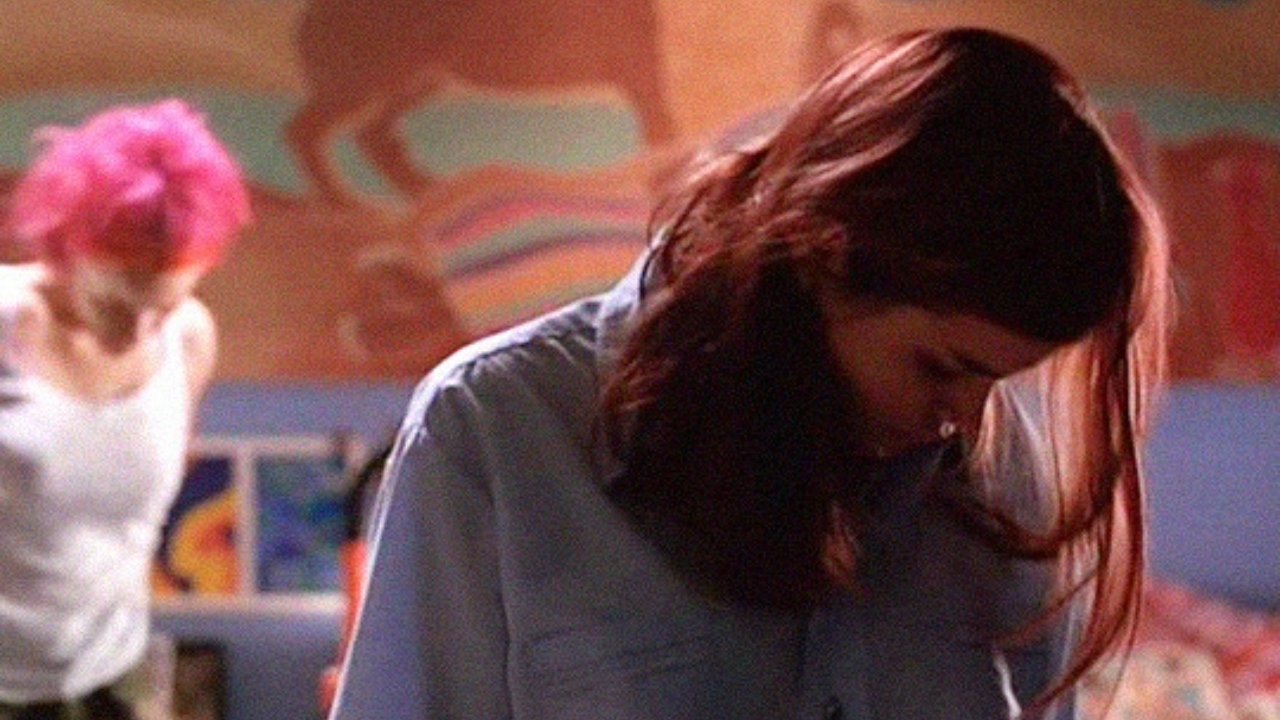
This score reflects the film's powerful authenticity, Alison Folland's quietly devastating lead performance, and its effective use of atmosphere and music to tell a deeply personal story. It avoids melodrama, opting for a raw, intimate portrayal of teenage life that feels earned. While its pacing might feel deliberate to some accustomed to faster narratives, its emotional honesty and specific sense of time and place make it a standout indie gem from the era.
All Over Me might just be the film you reach for when you want a reminder of the quiet power of independent cinema from the 90s – a poignant, sometimes painful, but ultimately resonant echo from the shelves of VHS Heaven.