There's a certain heat haze shimmer that clings to memories of Hideous Kinky. Not just the literal heat of its sun-baked Moroccan setting, but the feverish idealism of its central character, Julia, searching for something intangible under the North African sky. Released in 1998, this wasn't your typical late-90s multiplex fare; finding it on the video store shelf felt like uncovering something a little more personal, a departure from the noise, offering instead a sun-drenched, often troubled, drift through another time and place. It’s a film that settles in the mind slowly, like dust motes dancing in a ray of light through a riad window.
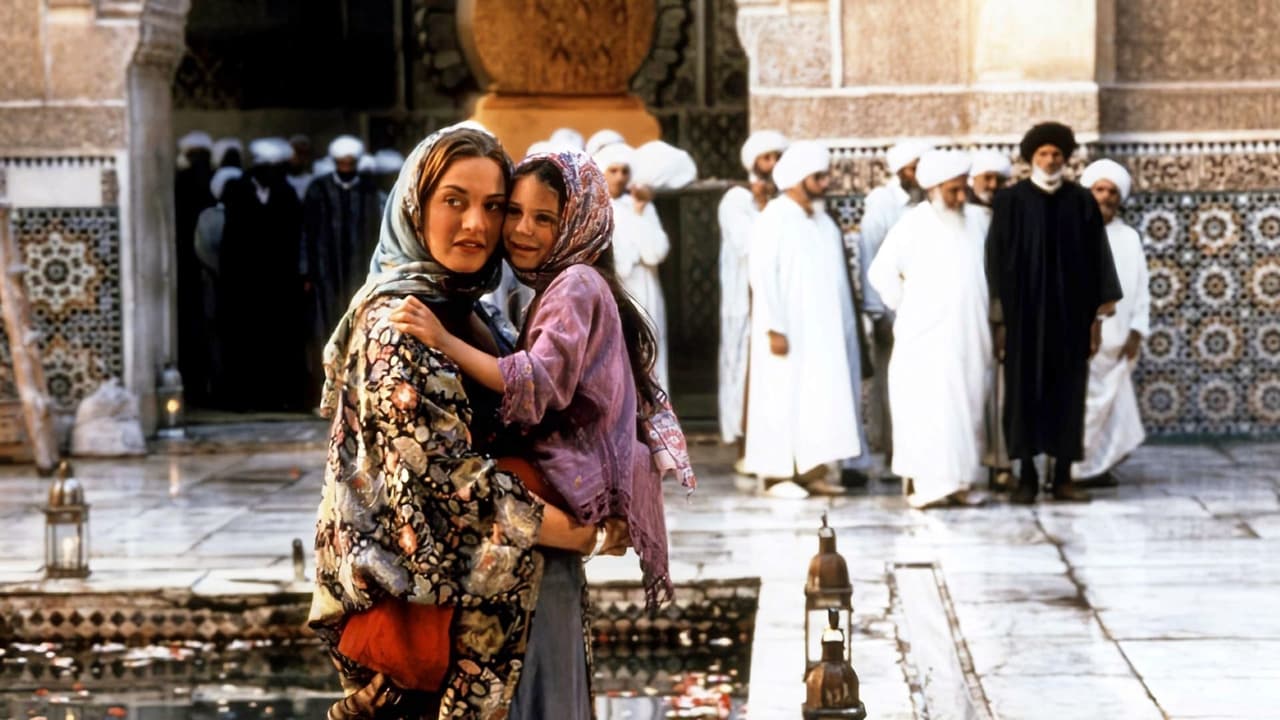
Chasing Sufism in Marrakech
The film, directed by Gillies MacKinnon (who gave us the poignant WWI drama Regeneration just a year prior), transports us to Marrakech in 1972. Here we find Julia (Kate Winslet), a young English mother, who has fled the grey conformity of London with her two young daughters, eight-year-old Bea (Bella Riza) and six-year-old Lucy (Carrie Mullan). Seeking spiritual enlightenment and a life less ordinary, Julia immerses them in a world of vibrant chaos, Sufi philosophy, and precarious finances, far removed from any semblance of conventional stability. It's based on the semi-autobiographical novel by Esther Freud – yes, that Freud lineage, she’s Sigmund's great-granddaughter – lending the narrative a layer of lived-in authenticity, even amidst its more dreamlike qualities.
Winslet, Post-Titanic
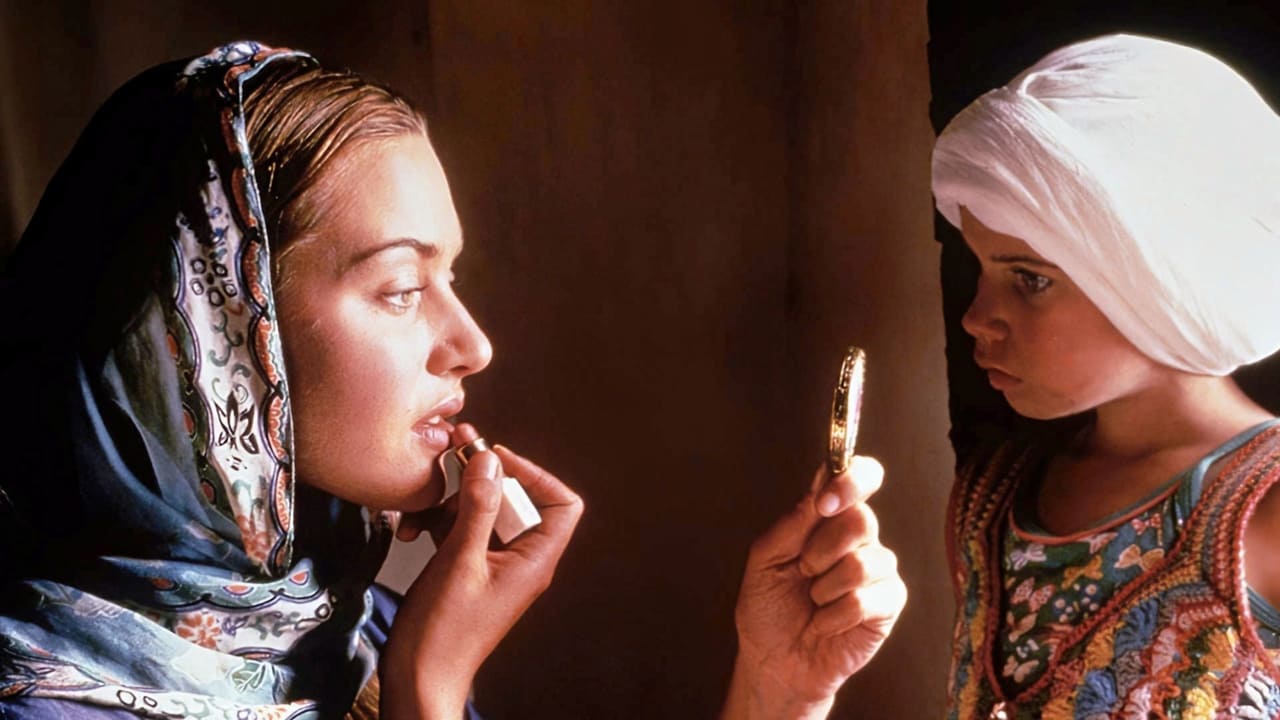
What strikes you immediately, especially remembering the context of 1998, is seeing Kate Winslet in this role. Fresh off the global phenomenon that was Titanic (1997), she chose this intimate, decidedly unglamorous project. It was a fascinating pivot. Winslet disappears into Julia, a woman fuelled by a restless spirit and a yearning for transcendence, yet often deeply naive and, frankly, irresponsible as a parent. She captures Julia’s contradictions beautifully – the fierce love for her daughters warring with her own desires, the moments of joy and connection punctuated by desperation and poor choices. It’s a performance devoid of vanity, raw and truthful. Her chemistry with Saïd Taghmaoui (who had already made a mark in the searing French film La Haine (1995)) as Bilal, a charming local acrobat and Julia's lover, is palpable. Bilal represents both potential stability and another form of escape, and Taghmaoui imbues him with an easy charisma that never fully masks the complexities beneath. But perhaps the film's quiet soul lies with the young actresses, Bella Riza and Carrie Mullan, who portray the daughters' perspectives with remarkable naturalism. We see this bewildering adult world largely through their watchful eyes – the longing for simple things like school or regular meals contrasting sharply with their mother's spiritual quest.
The Sensory Overload of Place
Hideous Kinky excels in immersing the viewer in its setting. MacKinnon and cinematographer John de Borman conjure early 70s Marrakech not just as a backdrop, but as a living entity. The crowded Djemaa el-Fna square, the maze-like alleyways, the colours, the textures, the sounds – it all feels immediate and tangible. This wasn't faked on a backlot; the production filmed extensively in Morocco, lending it an essential verisimilitude. The era is further cemented by a fantastic soundtrack pulsating with the sounds of the time – Jefferson Airplane, Richie Havens, Canned Heat – perfectly capturing the counter-culture spirit Julia is chasing. It’s a film you almost smell and feel, a sensory experience that lingers long after the credits. Reportedly, Winslet even learned rudimentary Arabic and spent time absorbing the local culture to prepare, adding another layer to the film's lived-in feel.

Freedom's Double Edge
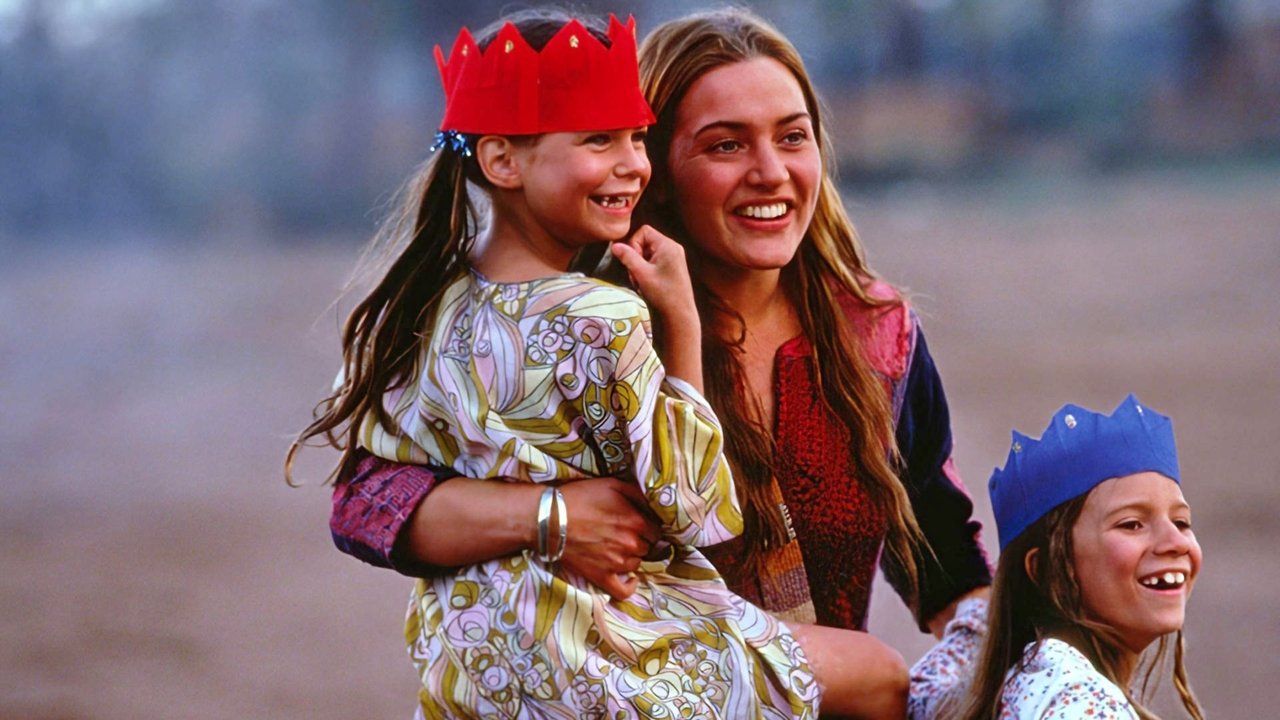
Beyond the intoxicating atmosphere, the film asks poignant questions. What is the true cost of pursuing personal freedom, especially when children are involved? Julia’s search for enlightenment often comes at the expense of her daughters' basic needs and security. The film doesn't outright condemn her, but it doesn't shy away from the consequences of her choices, showing the vulnerability of these two young girls caught in the whirlwind of their mother's ideals. Is Julia selfish, brave, or simply lost? The film allows for ambiguity, inviting reflection rather than easy judgment. It explores the allure of escaping Western materialism, yet subtly critiques the potential solipsism within that escape. This isn't a simple "finding yourself" travelogue; it's a more complex look at cultural encounter, responsibility, and the sometimes harsh reality check that follows idealism.
A Quiet Gem from the End of the VHS Era
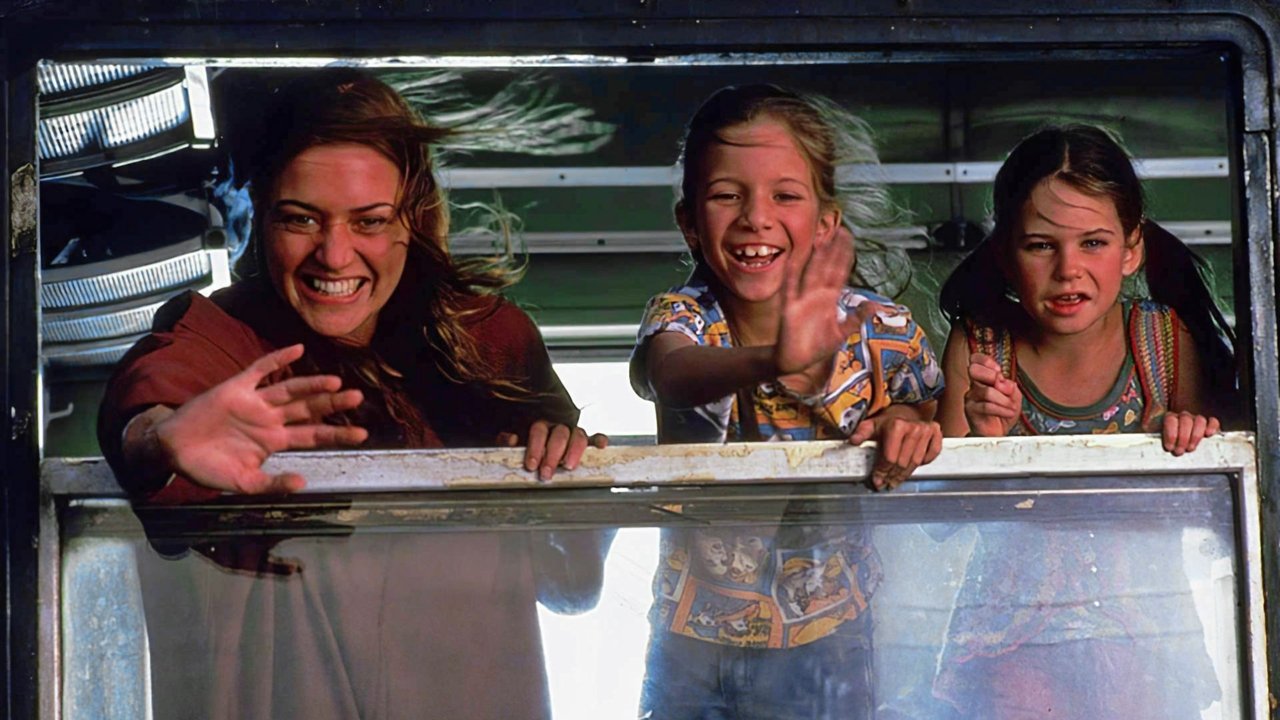
Hideous Kinky wasn't a box office smash – earning around $1.3 million in the US against its modest budget – but its value isn't measured in blockbuster numbers. It represents the kind of thoughtful, character-driven filmmaking that often found its audience through word-of-mouth and the discovery aisles of video stores. It’s a film that trusts its audience, content to observe rather than dictate, letting the emotional weight build through atmosphere and performance.
Rating: 8/10
This score reflects the film's evocative power, its stunning sense of place, and the strength of the central performances, particularly Winslet's brave turn and the remarkable naturalism of the child actors. It successfully transports the viewer and raises compelling questions about freedom and responsibility. While its deliberately meandering pace might test some viewers, it feels integral to the film's immersive, dreamlike quality. Hideous Kinky remains a potent reminder of a certain kind of late-90s independent spirit – a film less concerned with plot mechanics than with capturing a feeling, a time, and the messy beauty of a search for meaning, even when the path is uncertain. It leaves you pondering the weight of choices, carried on a warm Moroccan breeze.