### The Quiet Courage of Authenticity
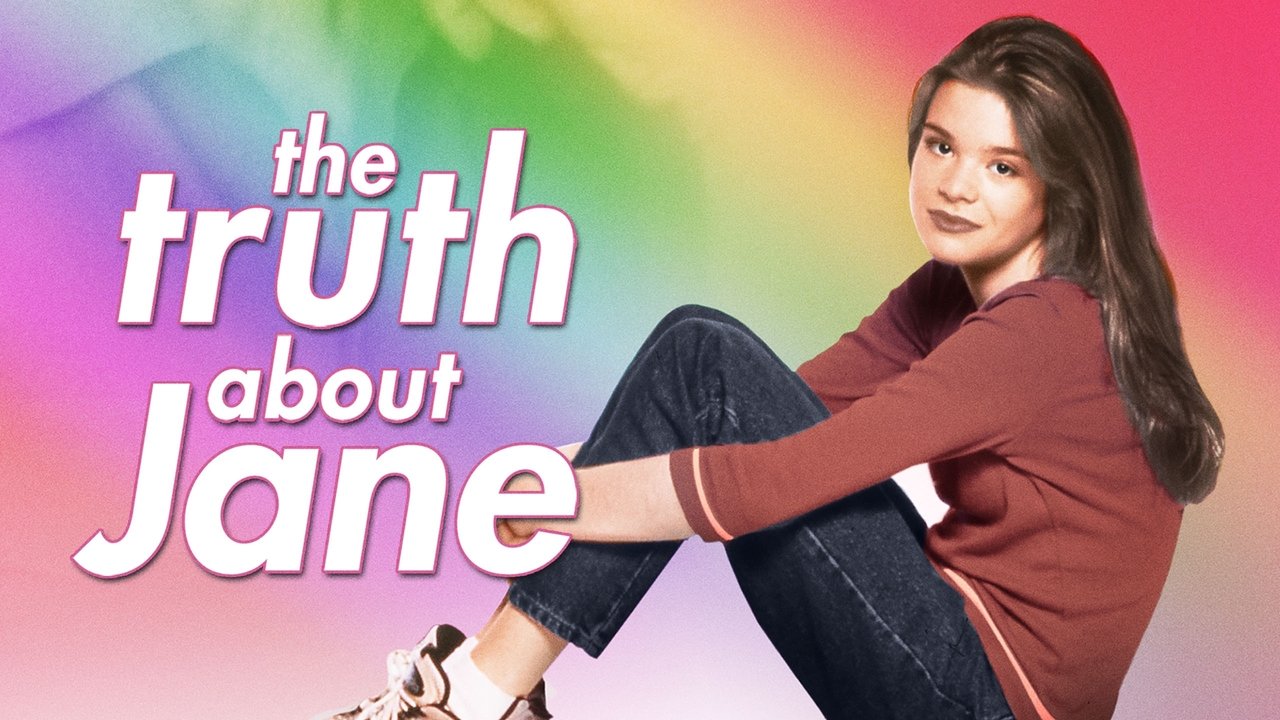
There are films that announce themselves with explosions and fanfare, and then there are those that arrive quietly, almost tentatively, yet leave a resonance far deeper than spectacle. The Truth About Jane, a made-for-television movie from 2000, belongs firmly in the latter category. Watching it again now, decades removed from its initial airing, it feels less like a time capsule of turn-of-the-millennium television and more like a surprisingly enduring portrait of adolescent discovery and the complex terrain of parental acceptance. It’s the kind of film you might have stumbled upon late one evening, or perhaps rented on a whim, expecting standard TV drama, only to find something with genuine heart and a quiet power that sticks with you.
Navigating Uncharted Waters
The premise is straightforward but, for its time and platform (Lifetime Television), undeniably brave. Jane (a wonderfully understated Ellen Muth), a bright high school student, finds herself falling in love with another girl. The film charts her internal struggle – the confusion, the fear, the tentative steps towards self-understanding – and, crucially, the ripple effect this revelation has on her relationship with her mother, Janice, played with extraordinary depth by Stockard Channing. There’s no melodrama here, no sensationalism. Writer-director Lee Rose, who notably penned the script herself, opts for a grounded, character-driven approach. This dual role likely contributed to the film's focused and cohesive vision, avoiding the common pitfalls of network notes potentially diluting a sensitive story.
A Mother's Reckoning, A Daughter's Truth
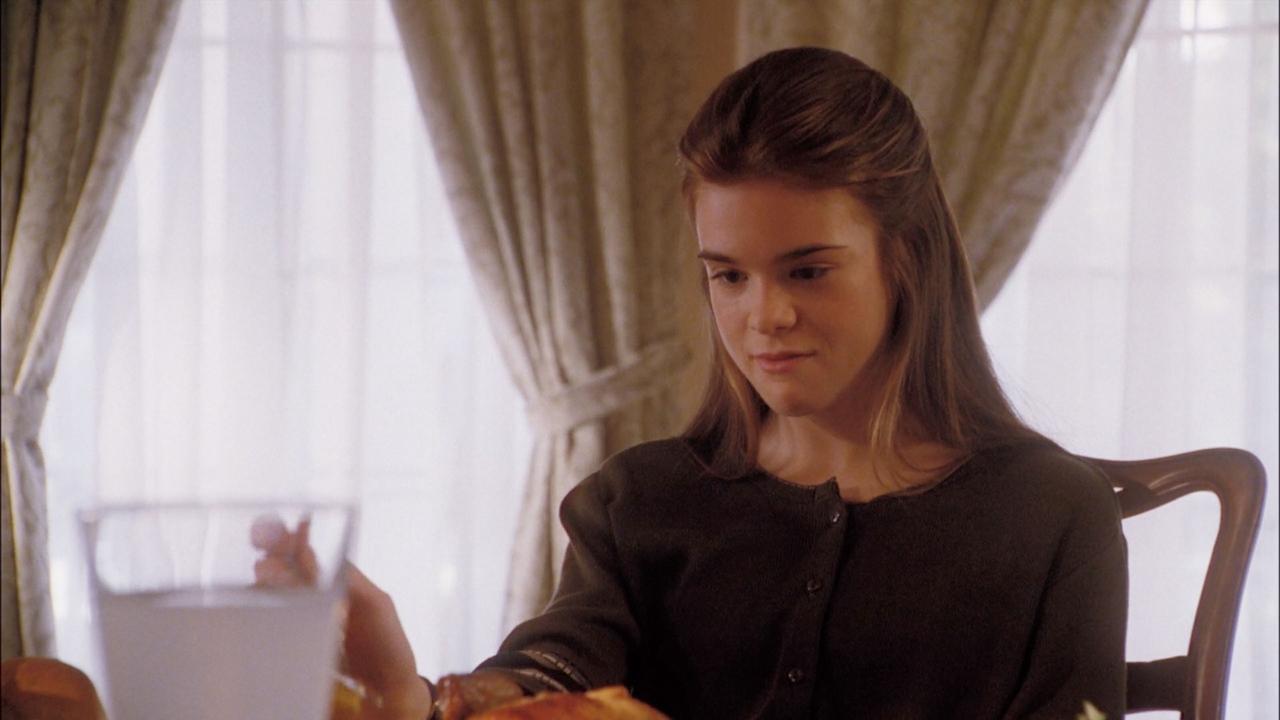
What elevates The Truth About Jane beyond a simple "coming out story" is its unwavering focus on the mother-daughter dynamic. Ellen Muth, who many might later recognize from Dead Like Me, perfectly captures the vulnerability and quiet determination of Jane. She’s not a caricature of teen angst, but a recognizable young woman grappling with feelings that isolate her. Her performance is marked by its subtlety; a hesitant glance, a withdrawn posture, the slow dawning of self-awareness in her eyes – it all feels remarkably real.
Opposite her, Stockard Channing delivers a masterclass. Janice isn't portrayed as overtly villainous or immediately accepting. Instead, she embodies the messy, complicated reality of a parent confronted with something that challenges their assumptions and expectations. Channing navigates Janice’s initial disbelief, her fumbling attempts to "fix" the situation, her fear, and her eventual, hard-won journey toward understanding with such nuance that it’s impossible not to empathize, even when she falters. Her performance earned her a well-deserved Emmy nomination for Outstanding Lead Actress in a Miniseries or Movie, and it's the emotional anchor of the film. The scenes between Muth and Channing are where the film truly sings – charged with unspoken tensions, painful honesty, and flickering moments of connection.
Quiet Realism in a Loud World
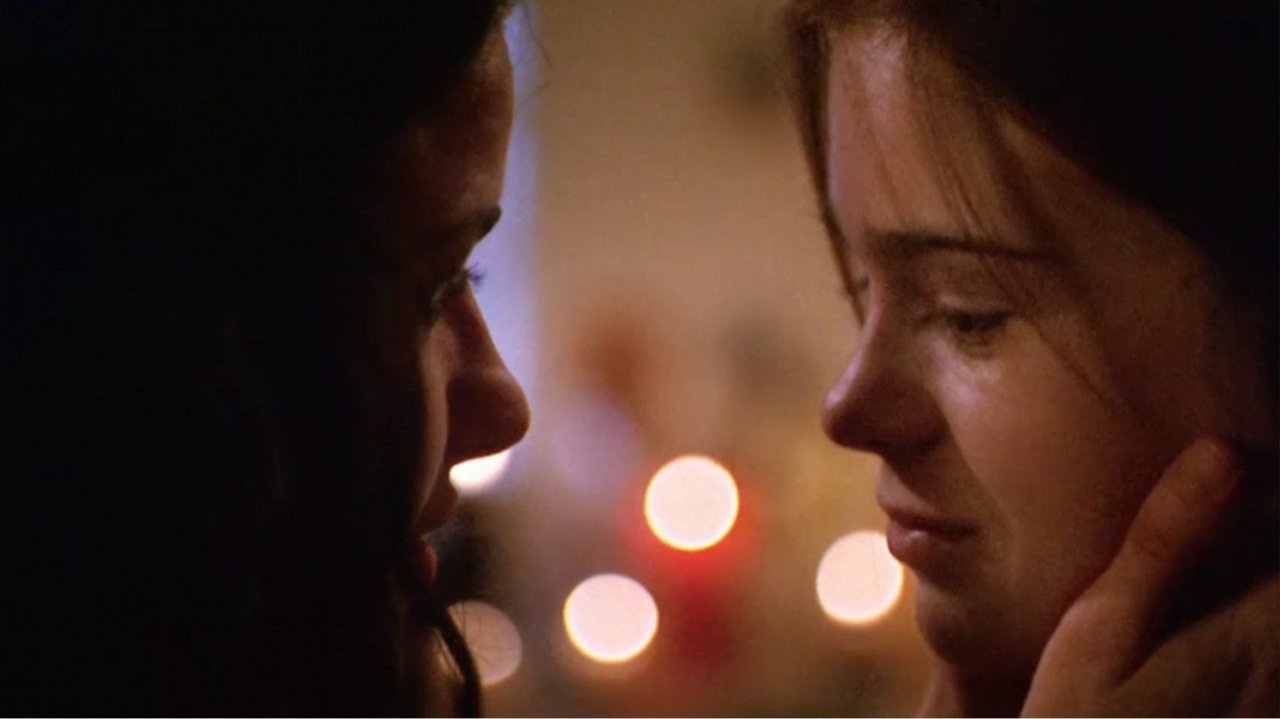
Filmed primarily in Toronto, The Truth About Jane possesses a certain visual modesty typical of television movies from that era, but Lee Rose uses this constraint effectively. There's an intimacy to the framing, often focusing closely on the actors' faces, letting their performances carry the emotional weight. The film doesn't shy away from the awkwardness and discomfort inherent in these conversations, the silences often speaking volumes. It avoids easy answers or overly simplistic resolutions. We see Jane face potential ostracization at school, and Janice wrestle with her own ingrained prejudices and the judgment of her peers (embodied effectively by Kelly Rowan as Jane's supportive aunt).
It's worth remembering the landscape of 2000. While LGBTQ+ representation was slowly increasing, nuanced, sensitive portrayals, especially aimed at a mainstream television audience and centered on teenage experiences, were still relatively rare. The Truth About Jane tackled its subject matter with a directness and lack of sensationalism that felt significant. It wasn't just about the issue of coming out; it was about the people involved – their feelings, their fears, their capacity for growth.
A Legacy of Gentle Honesty
Does The Truth About Jane feel dated in some respects? Perhaps inevitably, in terms of fashion or certain cultural references. But its core emotional truths remain remarkably potent. The struggle for self-acceptance, the yearning for parental understanding, the courage it takes to speak your truth – these are timeless themes. The film doesn’t offer grand pronouncements, but rather a quiet, persistent argument for empathy and love. It’s a reminder that sometimes the most profound stories are the ones whispered rather than shouted.
Rating: 7.5/10
This rating reflects the film's powerful and nuanced central performances, particularly from Stockard Channing, and its sensitive, groundbreaking-for-its-time handling of a delicate subject. While constrained by its TV movie budget and format, its emotional honesty and character depth elevate it significantly. It achieves precisely what it sets out to do: tell a human story with compassion and quiet integrity.
It may not have the rewatchable flash of a blockbuster, but The Truth About Jane lingers as a thoughtful, moving piece that treated its characters and its audience with respect, leaving behind a gentle but firm impression of the importance of acceptance, both of others and of oneself.